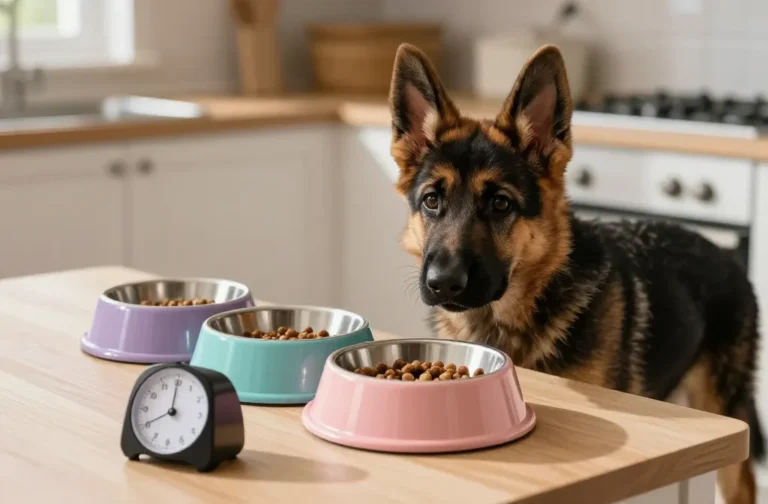
6 Feeding Schedule Tips for 8 Week Old Puppies You’Ll Love
These tips cut through the chaos of puppy chaos and give you a clean, friendly routine. You’ll see fewer cries at night and more wagging tails at breakfast. FYI, consistency isn’t dull—it’s adorable and incredibly effective.
1. Start with a Reliable Morning Routine

Mornings set the tone for the day, especially with an 8-week-old puppy. A predictable start helps them feel secure and ready to learn. Trust me, a calm, well-fed pup makes the whole household happier.
Key Points
- Feeding time right after a potty break keeps routines neat
- Offer a small, easily digestible meal to kickstart energy
- Keep water accessible but not overwhelming first thing
At this stage, aim for a short, focused morning session. A quick playtime after eating helps digestion and burns a bit of energy before quiet time. This is your chance to reinforce good behavior early on.
2. Divide Daily Meals into 3 Tiny Sessions
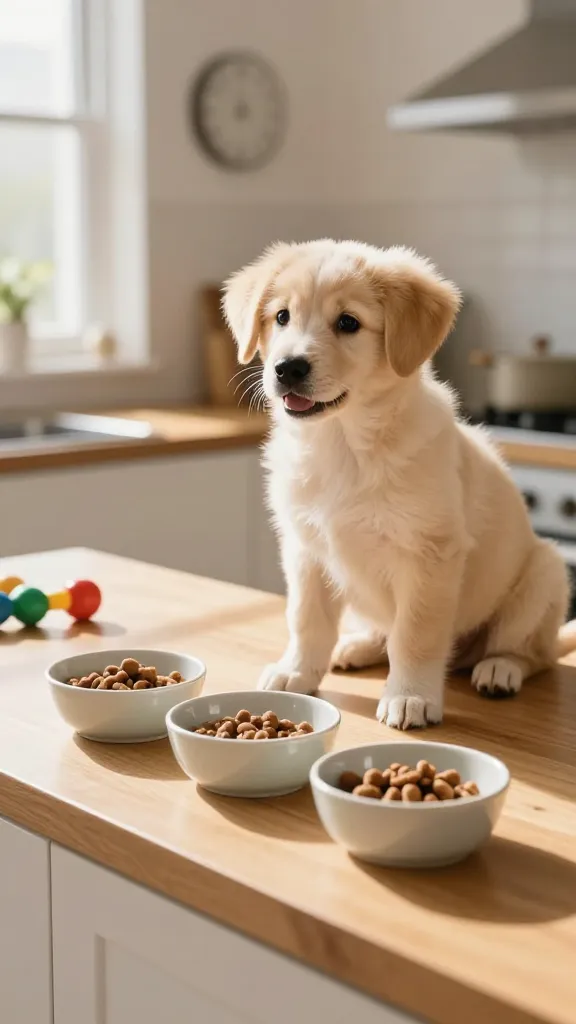
Puppies have tiny tummies and big appetites for mischief. Three small meals spread through the day prevents tummy woes and reduces begging at the table. Seriously, your pup will stay peppy and content between snacks.
What to Do
- Morning, mid-day, and late-afternoon meals
- Keep portions appropriate for age and weight
- Monitor for signs of over/under eating
Why three meals? It stabilizes blood sugar and energy. If you notice a stack of mischief after meals, you’re probably on the right track. FYI, don’t rush the feeding—take a few minutes to let your pup settle after each bowl.
3. Use Calorie Needs as Your Guiding Star

Puppies grow fast, so your feeding plan should grow with them. A simple calorie target helps you avoid overfeeding or underfeeding, and keeps those puppy bellies happy.
Tips
- Check the dog food label’s feeding guidelines and adjust for activity
- Weigh portions to keep portions consistent
- Seasoned tip: slightly underfeed at first then adjust as needed
Benefits? Steady growth, fewer stomach issues, and a puppy that isn’t yawning through naps from post-meal discomfort. If you’re unsure, chat with your vet—they’ll help you nail the right calories without turning your pup into a couch potato.
4. Keep a Simple Feeding Schedule Chart
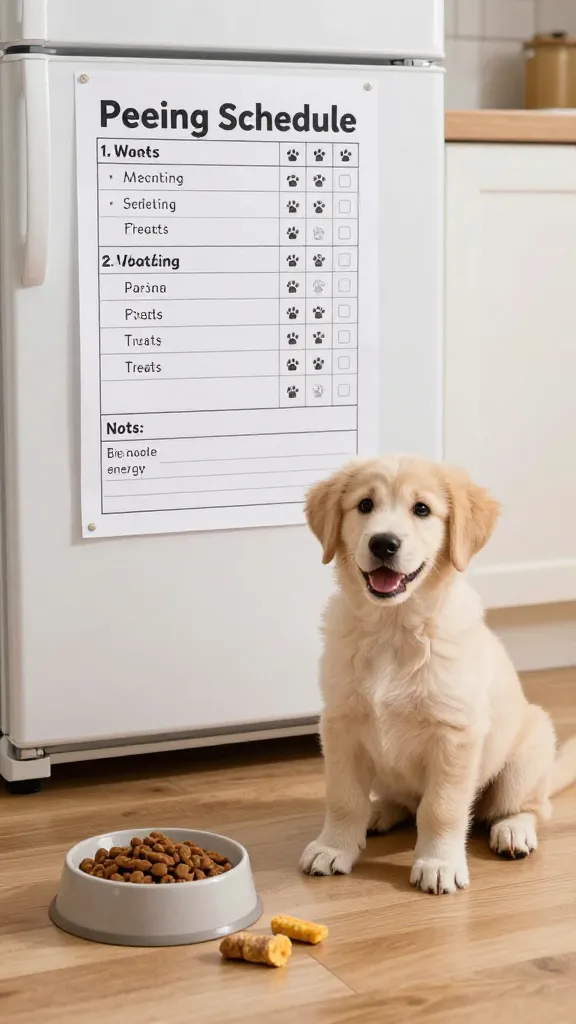
Record-keeping sounds boring, but a quick chart saves you from the “Did I feed them yet?” panic. It also helps your vet see trends if something’s off. You’ll love how easy it is to stay on top of meals and potty breaks.
What to Include
- Meal times (three slots) and portion sizes
- Any treats given between meals
- Notes on digestion, energy, or mood
Even a sticky note on the fridge works—just make sure you log changes when you adjust portions. This is one of those tiny habits that yields big benefits over time. Trust me, you’ll thank yourself later.
5. Choose Food That Supports Immature Digestive Systems

8-week-old puppies have delicate tummies. Choose a high-quality puppy formula with easily digestible ingredients and a good balance of proteins, fats, and fibers. Your pup will thank you with a wag and a happy belly.
Key Considerations
- Look for AAFCO-complete puppy formulas
- Avoid high-fat or heavy fillers early on
- Introduce new foods gradually to prevent tummy upset
Make changes slowly and monitor stool and energy. If diarrhea or vomiting shows up, scale back and reintroduce gradually. This is where “FYI” patience pays off—your pup learns healthy eating habits faster than you think.
6. Create Safe, Calm Feeding Moments
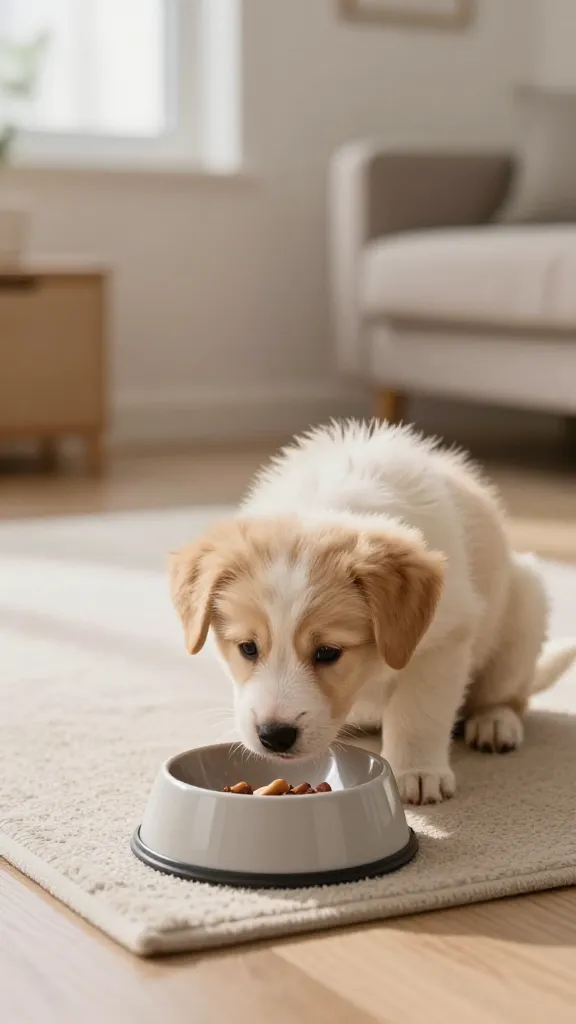
Feeding time should feel like a tiny, peaceful ritual. A calm environment reduces stress and helps your pup focus on the meal. It’s not just about food—it’s about setting up a positive association with eating.
Best Practices
- Choose a quiet area away from loud toys or doors
- Use a consistent bowl and dish placement
- Finish meals with a short play or gentle cuddle to reinforce security
End with a short, happy moment and a dessert-free boundary—okay, maybe a tiny treat for good behavior, but keep it minimal. The goal is a smooth, predictable routine that helps your puppy learn self-control and trust.
In practice, these six tips work together to create a feeding rhythm that supports growth, energy, and happiness. Mix and match based on your puppy’s personality and your family’s schedule. IMO, consistency plus compassion yields the happiest, healthiest little buddy.
Ready to start? Your puppy is counting on you to be the captain of calm meals and cozy routines. Seriously, you’ve got this—your future-well-fed pup will be forever grateful.