5 Beagle Puppy Training Tips for Beginners
These tips are friendly, practical, and ready to turn chaos into cute, confident puppy moments. Get ready to laugh, learn, and see real progress fast. FYI, your future beagle will thank you with wagging tails and less chewing.
1. Start with Structure: Short Sessions, Big Wins
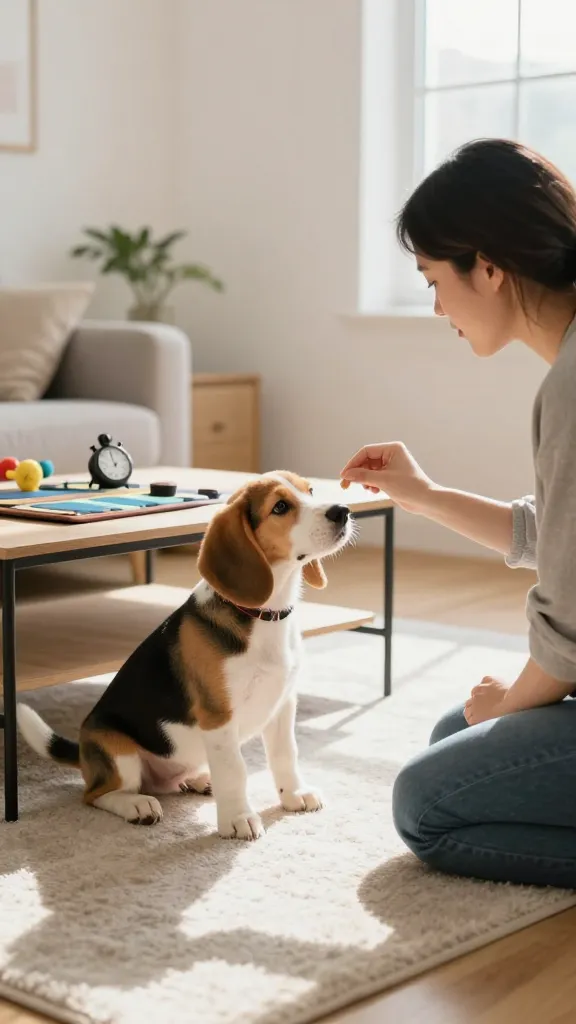
Beagles are smart but easily distracted, so keeping sessions brief and consistent is key. Short bursts keep their attention and prevent frustration for both of you. Seriously, less is more here.
Key Points
- Daily practice: 3–5 short sessions lasting 5–7 minutes each
- Use a quiet, distraction-free space first
- End on a positive note with a quick treat or praise
Consistency builds reliable behavior, and your puppy starts to expect training as part of the day, not an interruption. When you finish with a win, you both feel pumped and ready for the next round.
2. Name Recognition and Recall: The Magic of a Simple Cue
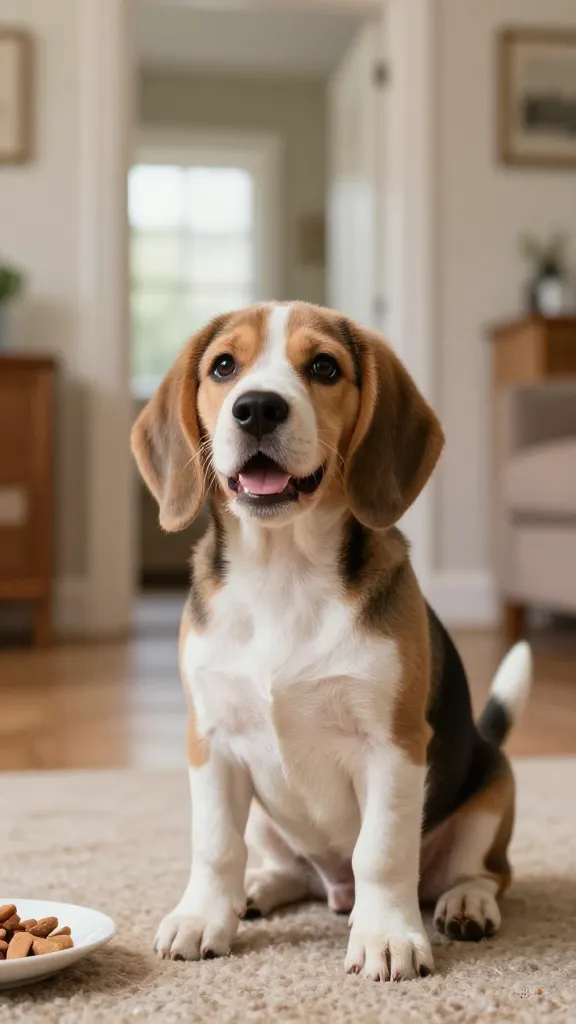
Teaching your beagle to respond to their name and come when called sets the foundation for safety and trust. Beagles love food, so anchor your cues to tasty rewards and clear signals. Trust me, this one pays dividends during walks and vet visits.
Tips
- Use a happy, upbeat tone with your puppy’s name
- Practice in low-distraction rooms, then gradually add hallway or yard work
- Reward immediately with a tasty treat and praise
Result? A confident pup who ignores tempting smells only long enough to check in with you. The look of pride on their face is priceless.
3. Crate Training without the Cryfest
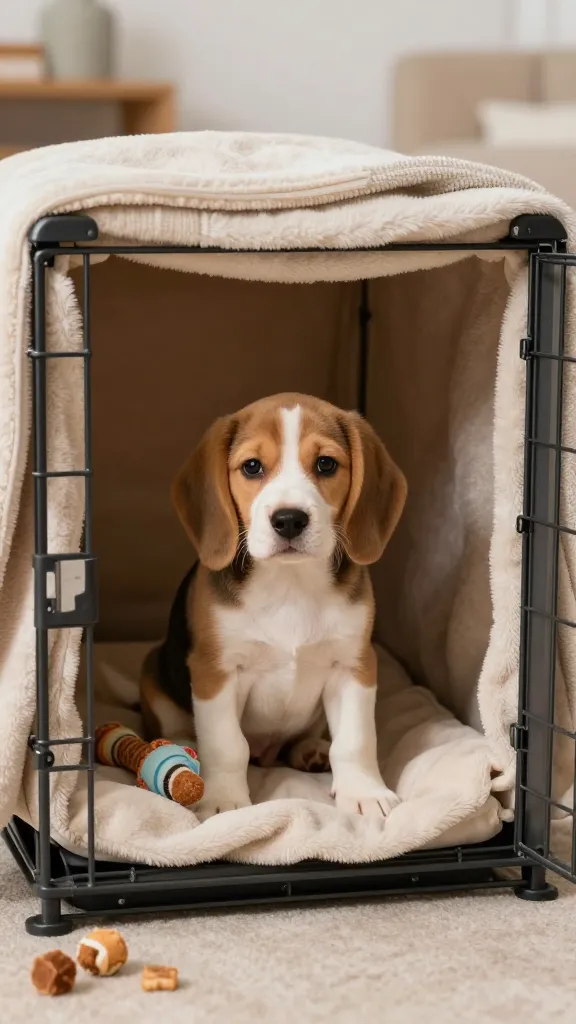
Crate training creates a safe space for your beagle and reduces house-training stress. Make the crate a cozy, inviting den rather than a punishment box. It’s a game-changer for naps, travel, and calm behavior when things get noisy.
How to Make It Happen
- Pair the crate with positive experiences: treats, chew toys, and a comfy blanket
- Feed meals near the crate to build positive associations
- Gradually increase crate time in 5–10 minute increments
The goal is calm, respectful alone time. If your pup whines briefly, wait for a quiet moment to reward calm behavior, then gradually extend the period. You’ll both sleep better at night, promise.
4. Counter-Conditioning Chewers: Redirect and Reward
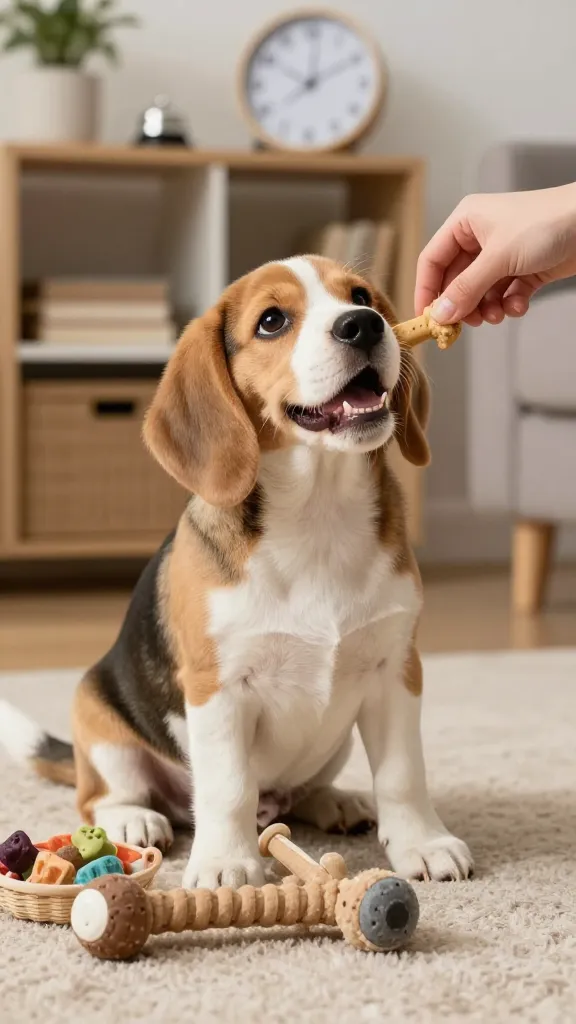
Beagles love to chew, but you don’t want the furniture auditioning for a new role. Redirect them with appropriate chew items and couple it with praise so they understand what’s allowed and what isn’t. FYI, consistency beats intensity every time here.
What to Do
- Offer durable chew toys during peak chewing hours
- Use a clear cue like “chew time” and reward the right items
- Hide enticing objects and provide outlets for sniffing and exploring
Over a few weeks, your beagle learns what’s acceptable and sticks to it. The furniture stays intact, and your pup still gets the mental stimulation they crave.
5. Socialization That Feels Like Fun, Not a Test
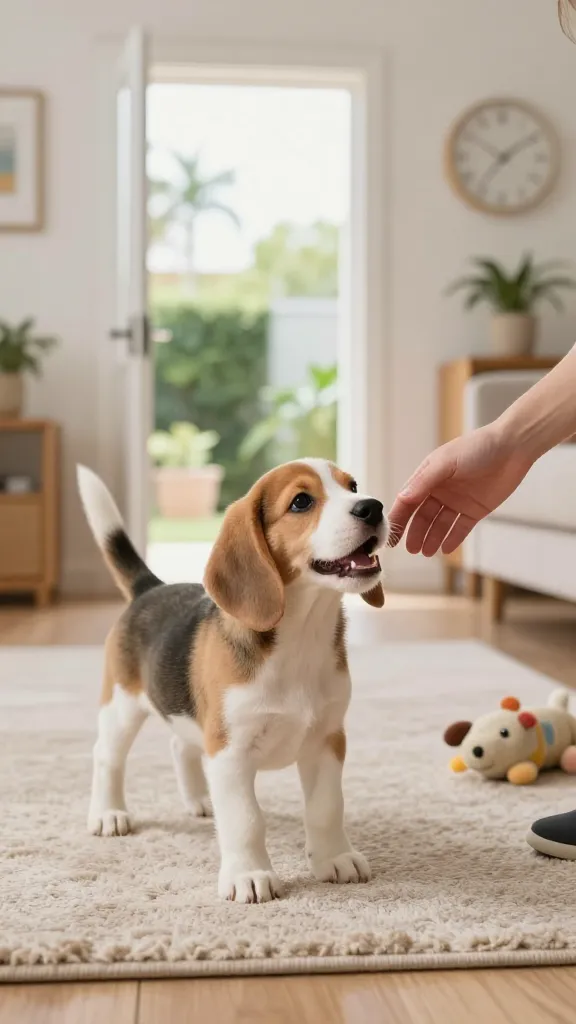
Beagles are social butterflies, but they can get overwhelmed. A gentle, structured approach to socialization helps them become confident, well-behaved adults. No need to blast them with every new experience at once—pace is everything.
Practical Socialization Plans
- Short meet-and-greets with friendly humans at a relaxed pace
- Controlled exposure to varied sights, sounds, and surfaces
- Positive reinforcement for calm reactions around other dogs and people
Socialization isn’t a one-off task; it’s a series of small, positive experiences that build resilience. Your beagle will thank you with more confident strolls and fewer surprises on walks.
As you put these five tips into action, you’ll notice your beagle puppy growing more confident, calmer, and responsive. The key is consistency, patience, and keeping things fun. Trust me, your future self will be grateful for these tiny, daily wins.
Ready to start? Grab some tasty treats, a cozy crate, and a handful of patience. You’ve got this, and your beagle is going to be the best little partner in crime. Good luck, friend—let the training adventures begin!