5 Tips on How to Train a Stubborn Dog
If your pup treats treats like treasures and training like a boring chore, you’re in the right place. These five tips turn stubborn into motivated, without turning you into a drill sergeant. Trust me, your dog will thank you with more zoomies and fewer dramatic stares.
1. Dial In High-Value Rewards That Your Dog Actually Cares About
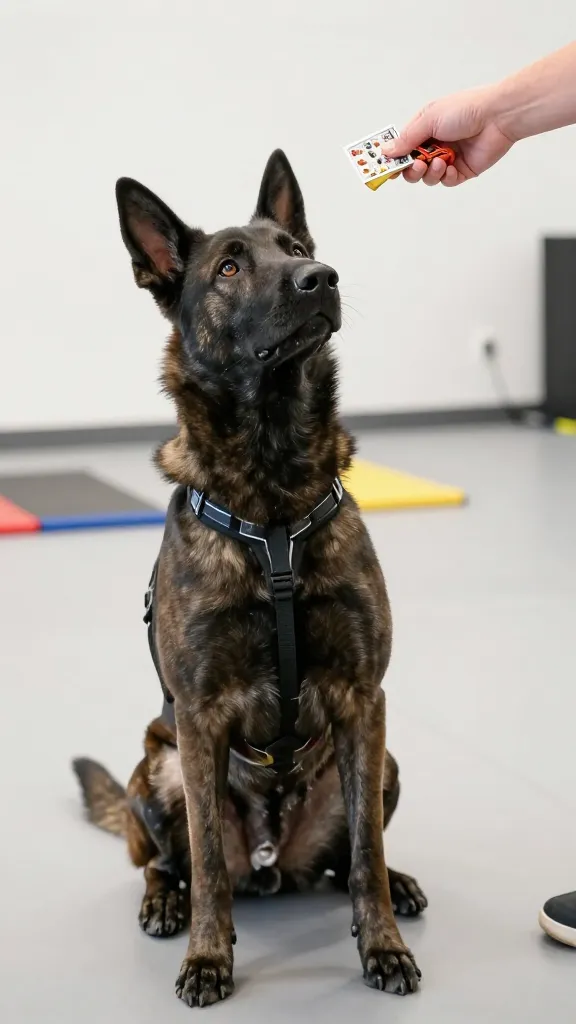
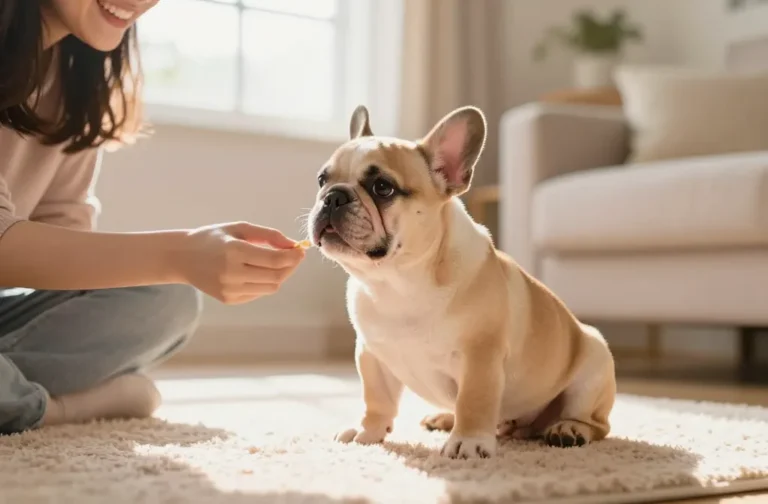
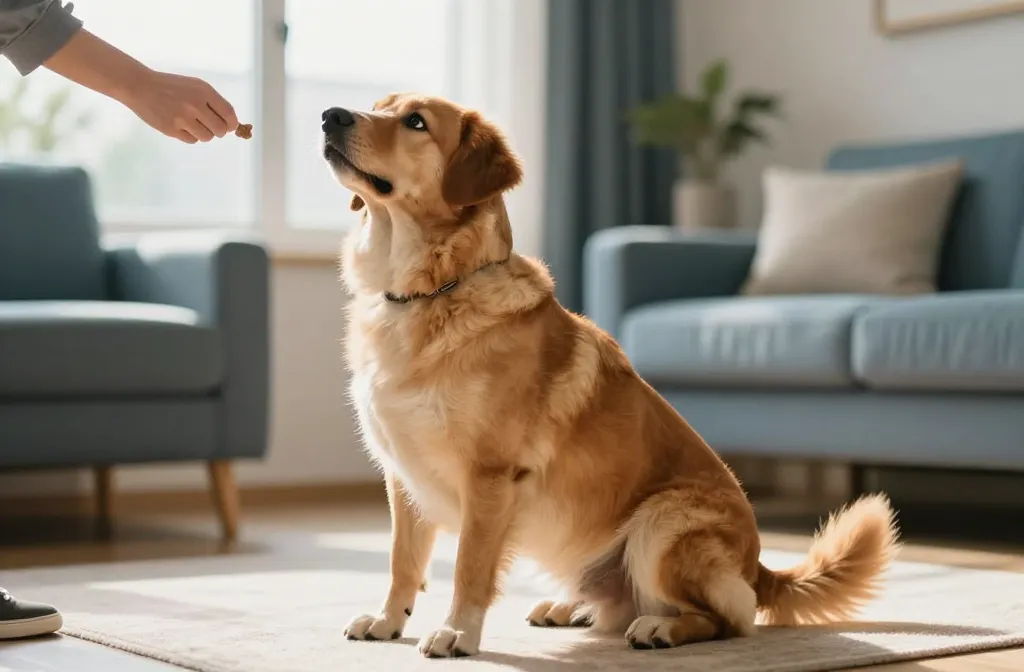
Stubborn dogs often tune out because the usual treats aren’t exciting enough. When you find the right motivator, your pup will start listening like it’s the most important podcast of their life. FYI, it’s not about more treats; it’s about the right ones at the right moments.
Key Points
- Identify strong rewards: favorite treats, toy chase, or a quick sniff of a scent game.
- Keep rewards scarce at first, then ramp up as precision improves.
- Use food rewards strategically during the hardest tasks.
Short bursts of high-value reinforcement beat long, boring rounds every time. You’ll see faster responses and less frustration—for both of you.
2. Turn Obedience Into a Game Your Dog Reads Like a Bestseller
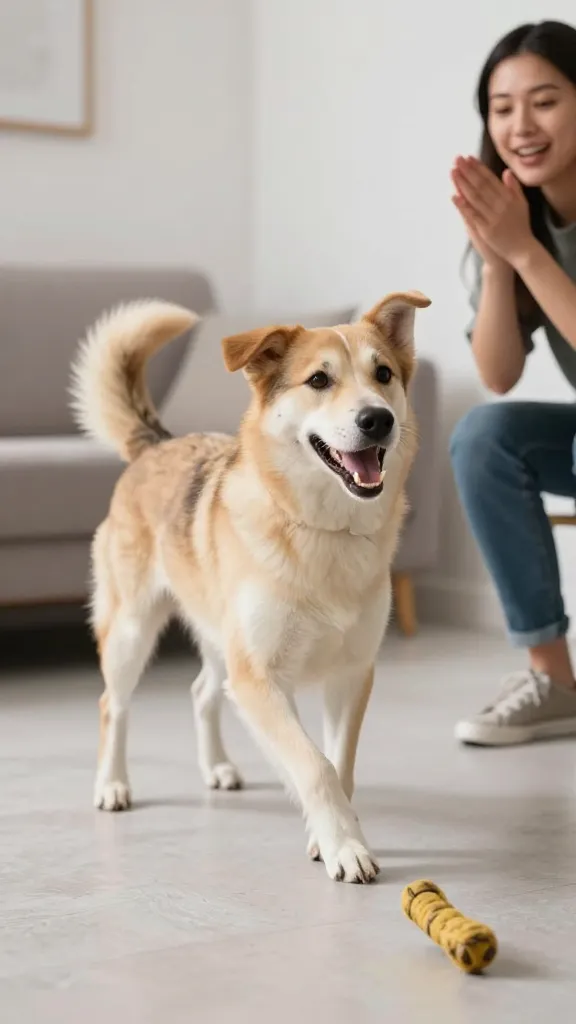
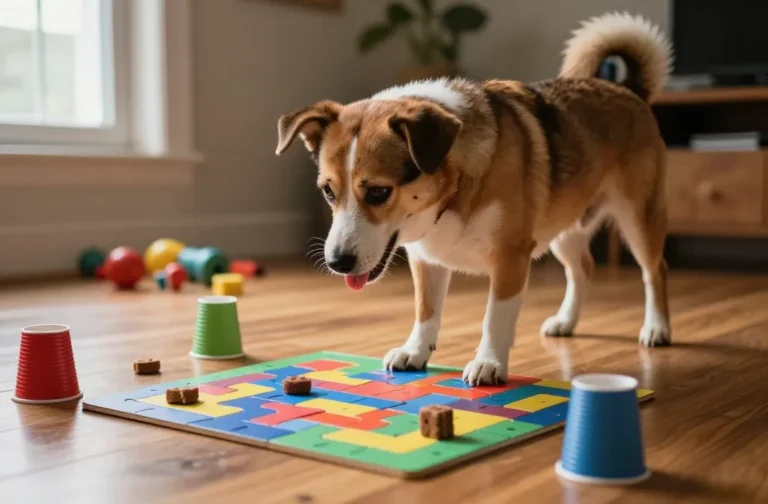
Turning commands into an engaging game transforms resistance into enthusiasm. If your dog thinks obedience = fun, you’ll watch attention laser in instead of wandering off for a nap under the sofa.
How To Make It Playful
- Use a fast-paced game after each correct response: a quick tug, a fast fetch, or a kiss‑yell of praise.
- Incorporate direction changes: “sit, stay, spin, come” in a rapid sequence to mimic transitions in a play session.
- Short sessions win: 5–7 minutes, several times a day, beats one long grind.
By reframing training as play, your dog learns that paying attention leads to joy, not just obedience. Seriously, this shift works wonders for stubborn minds.
3. Precision Over Pace: Shape the Behavior You Want
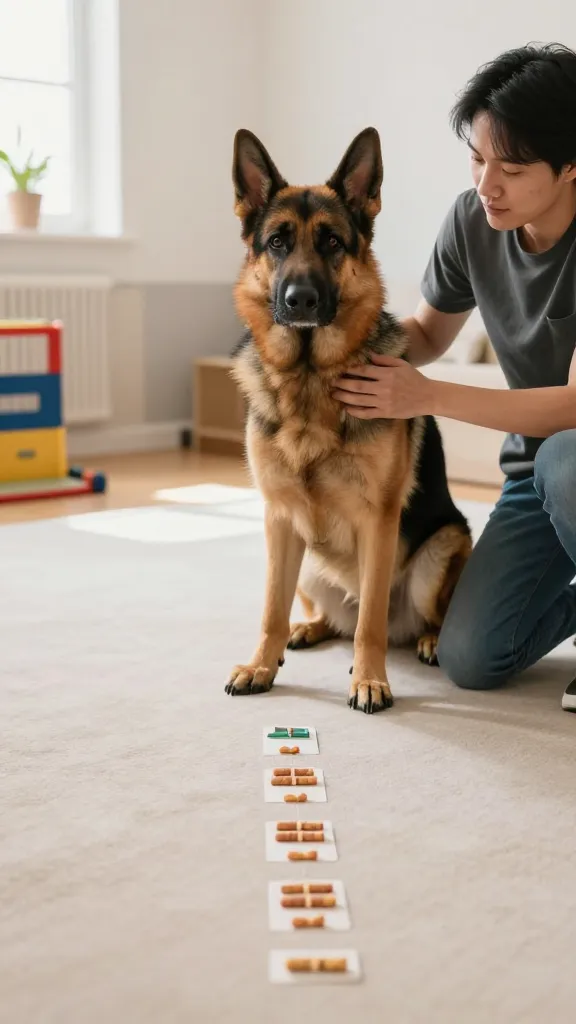
Stubborn dogs often struggle because we push for a big outcome before the small steps are solid. Shape the behavior by rewarding incremental wins. It’s like building a Lego castle: one sturdy brick at a time.
Step-By-Step Shaping
- Break tasks into tiny components: cue, action, reward, repeat.
- Reward the first approximate behavior, then wait for a closer version.
- Fade treats gradually as the behavior becomes consistent.
End result? A reliable dog that performs with minimal prompting. The payoff isn’t just a trained pup; it’s a confident, happy teammate who loves the process.
4. Use Environmental Clues to Prompt the Right Stuff
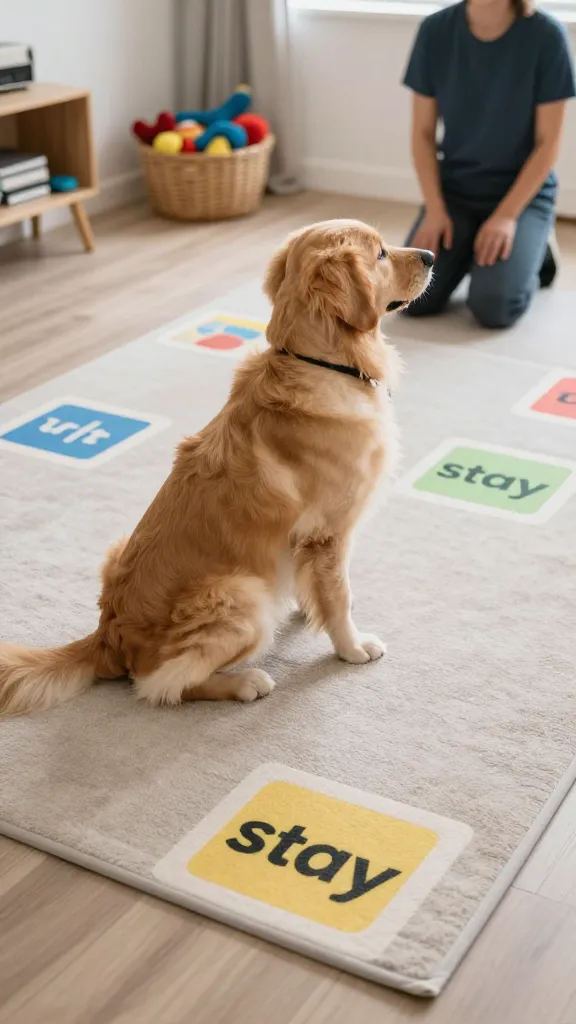
Dogs are smart about signals, sometimes moody about the actual cue. Setting up your space with clear, predictable prompts helps your stubborn buddy know what’s expected without you yelling from the couch.
Environment Tips
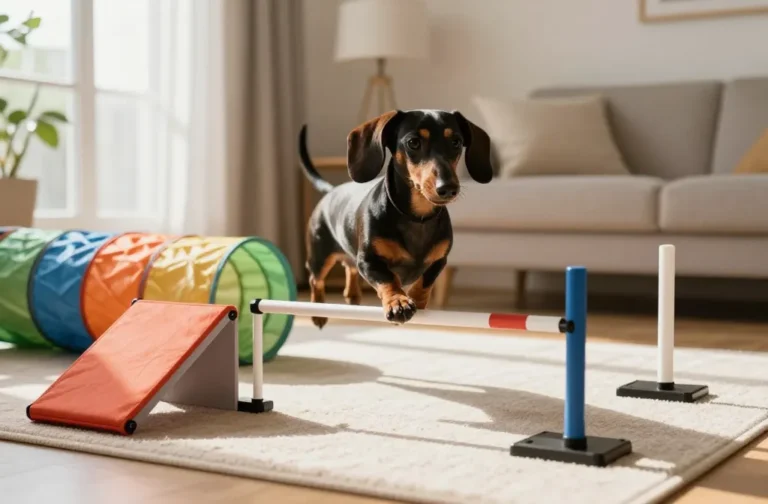
- Place mats or markers for “sit,” “stay,” and “come” so your dog reads the cue instantly.
- Control the distraction level: practice in quiet rooms, then gradually introduce gentle interruptions.
- Keep a dedicated training area with consistent routines and toys.
Consistency here pays off fast. It reduces confusion and increases trust between you and your dog. IMO, predictable environments are gold for stubborn pups.
5. Build a Calm, Confident Leader Dynamic
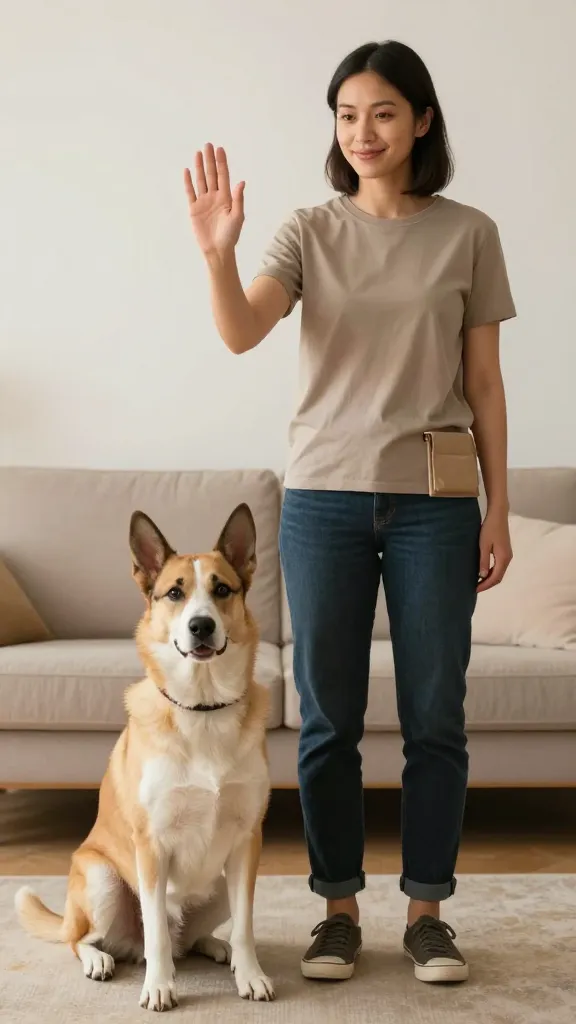
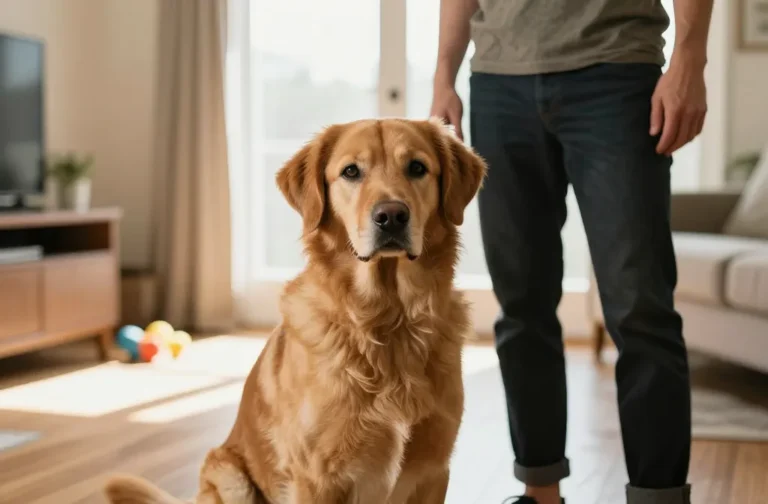
A stubborn dog often tests leadership in subtle ways. You don’t need to be a drill sergeant; you need to be calm, confident, and consistent. When your dog trusts your guidance, listening becomes natural rather than a battle.
Leadership Moves
- Consistency is king: same cues, same rewards every time.
- Stay physically calm during sessions; your energy signals your dog’s mood.
- End sessions on a high note, with success and praise, not punishment.
Benefits? A more cooperative partner who looks to you for guidance rather than trying to outsmart you. Trust me, this change reshapes training dynamics in days, not weeks.
Tip: mixing these approaches keeps training fresh and effective. FYI, you don’t need to implement all five at once—try one or two that match your dog’s personality and go from there. If your pup is food-motivated, start with high-value rewards; if they’re toy‑driven, swap treats for play as reinforcement.
Want a quick reminder of what to do this week? Pick two strategies, set tiny goals, and track progress with simple notes. Your future self will thank you when your stubborn dog casually sits on cue and trots over with a wag.
In practice, these five tips create a practical toolkit: they’re actionable, repeatable, and adaptable to any breed or temperament. You’ll love seeing your dog’s confidence grow as training turns into a shared adventure rather than a tug‑of‑war.
Conclusion: You’ve got this. Grab some high-value rewards, turn training into a game, shape behaviors step by step, lean on a calm environment, and lead with steady confidence. Your stubborn pup will start offering the behaviors you want with less drama and more joy. Let’s get started and celebrate every little win together!