12 Things to Do When Bringing Home a New Puppy: Quick Wins
Bringing home a new puppy is chaos, in the cutest way possible. These 12 steps’ll help you lock in routines, set boundaries, and keep puppy vibes high without losing your mind. Let’s jump in and make this the smoothest, funnest puppy intro ever.
1. Set Up a Snug, Safe Space Right Away
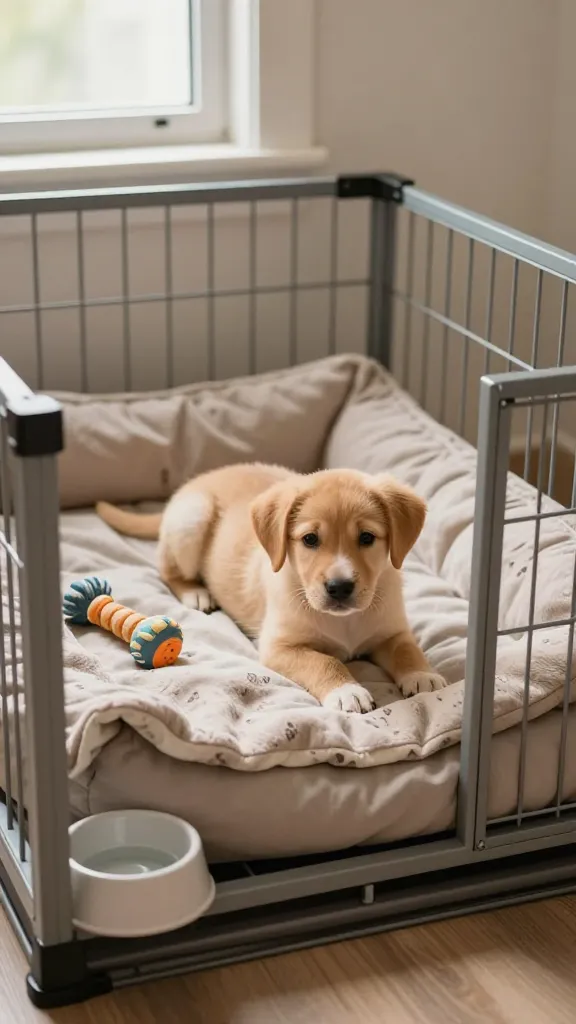
Before your pup even thinks about exploring the world, give them a cozy haven. A dedicated crate or crate-like pen makes potty training and naptimes actually happen.
Why it rocks:
- The crate becomes a den your pup loves
- Easy containment during chaos or guests
- Helpful for crate training from day one
Place a soft bed, a blanket with your scent, a chew toy, and a water bowl nearby. Keep the space quiet for the first few days to reduce overwhelm.
2. Start a Simple Feeding Schedule Immediately

Food times shape energy, digestion, and bathroom breaks. A consistent schedule makes life predictable for both of you.
Choose a puppy-formulated kibble or wet mix recommended by your vet and stick to it. FYI, avoid free-feeding—set two to three meals daily and adjust as they grow.
3. Introduce Basic Boundaries (No Jumping, No Mouthy Nips)

Puppies explore with their mouths, but you’ve got to guide them gently. Clear boundaries prevent bad habits from sticking around longer than you want.
Practical tips:
- Redirect with chew toys when they mouth you
- Use a calm “No bite” voice and stop interaction for a moment
- Practice polite greetings without jumping
Consistency is your best friend here. The benefits show up fast in calmer play sessions and better sleep for everyone.
4. Begin a Simple House-Training Routine

Potty trips need to be predictable, not a guessing game. A routine trims accidents and teaches your pup where to go.
Key points:
- Take outside first thing in the morning, after meals, and before bed
- Choose a specific spot and use a cue word consistently
- Reward immediately when they go outside
If accidents happen, stay calm, clean with an enzymatic soap, and keep moving. You’ll both get the hang of it soon enough.
5. Start a Gentle Socialization Plan (Not Flooding Them)

Puppies learn by meeting new sights, sounds, and people—carefully. A slow, positive approach prevents fearfulness later on.
What to do:
- Short, low-stress meetups with calm dogs and people
- Expose to varied environments: parks, sidewalks, car rides
- Always monitor body language and take a break if they show stress
Keep sessions brief and ending on a positive note. Trust me, these tiny exposures pay off big time later.
6. Establish a Vet-Visits-andVaccines Game Plan

Sooner is better than later for vaccines, microchips, and general wellness checks. A good vet relationship saves you headaches down the road.
Schedule a new-pet exam within the first week and line up a vaccination timeline with your clinic. Bring a record of any previous vet visits or breeder papers if you have them.
7. Invest in Training Basics That Genuinely Stick

Simple commands and manners create a smoother daily life and boost your pup’s confidence. Short, consistent sessions beat long, chaotic ones any day.
Core commands to start:
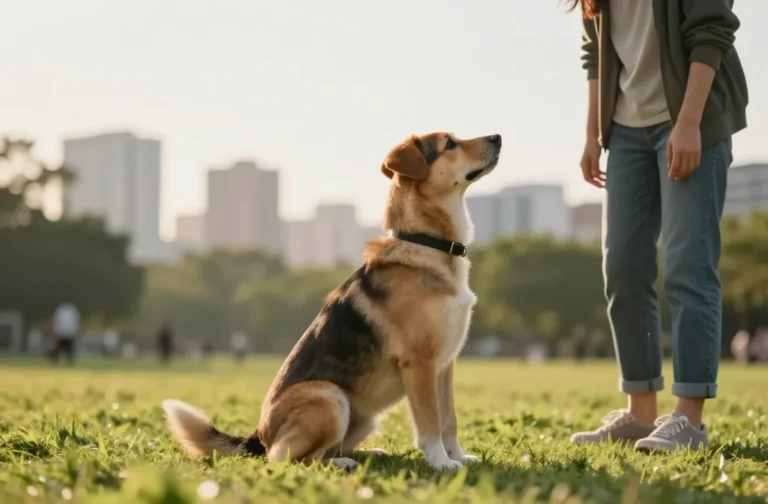
- Sit, Stay, Come
- Place/Bed (go to their mat when asked)
- Leave it/Drop it
Use high-value treats and lots of praise. Seriously, puppy brains light up for positive reinforcement.
8. Create a Calm Nighttime Routine That Works

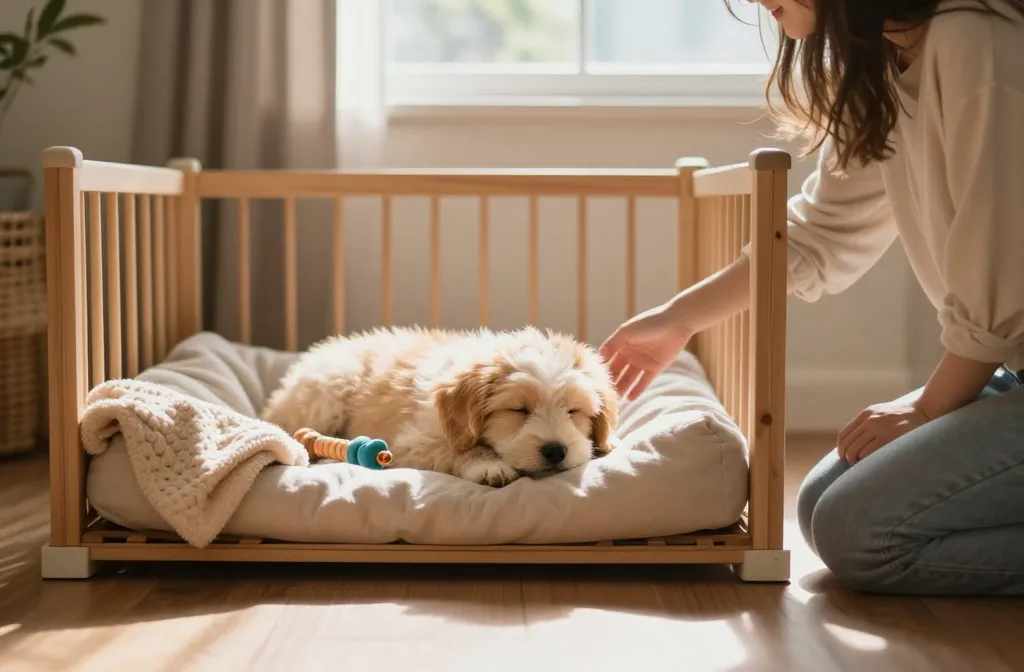
Sleep is sacred for puppies and their humans. A predictable wind-down helps both of you catch those ZZZs.
Consider dimming lights, a short gentle play, a last potty trip, and a comfy sleeping spot near your own bed (or in your bedroom for the first few weeks).
A consistent routine reduces whining and makes mornings less chaotic. Trust me, you’ll thank yourself later.
9. Stock Up on Training Gear That Actually Helps

The right gear turns good intentions into real progress. Don’t overbuy, but do get the essentials that support training and safety.
Essentials to consider:
- Properly fitted collar or harness and a lightweight leash
- Durable chew toys and puzzle feeders
- Crate mat, baby gates, and a travel bag for quick trips
Choose items that are easy to clean and durable. A few well-chosen tools beat a mountain of random gadgets.
10. Make Time for Enrichment to Prevent Boredom Misbehavior

Puppies get bored fast. Enrichment keeps minds sharp, bodies active, and mischief at bay.
Fun ideas:
- Slow-feed or puzzle toys that make them think
- Short sniff walks to explore scents
- Interactive games like find-the-tiece or treat trails
Rotate toys so newness stays exciting, and schedule daily enrichment either before or after meals for best focus.
11. Prepare for the Puppy-Related Messes (And Laugh About It Later)
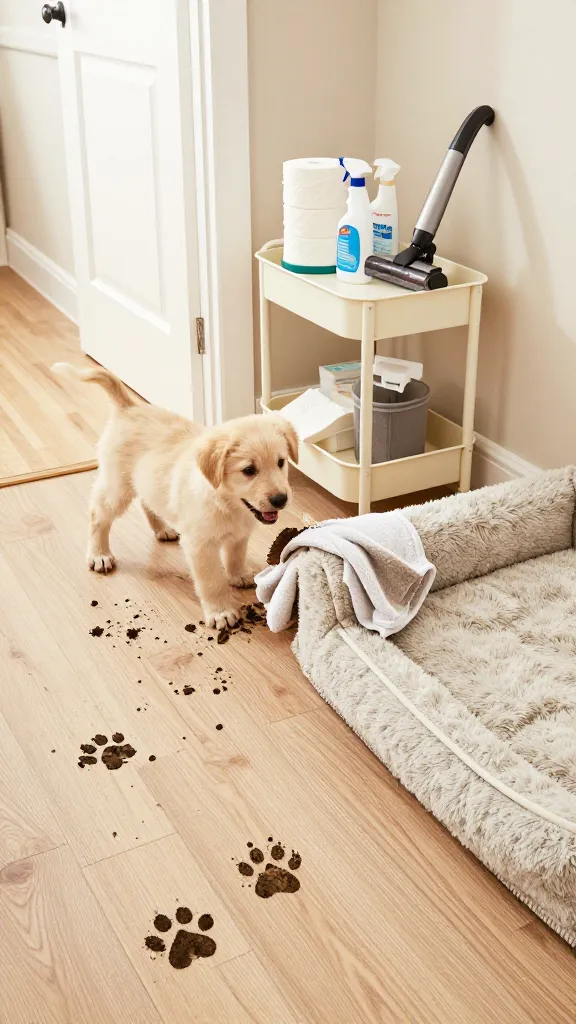
Yep, there will be wet paws, muddy paw prints, and laundry mountain. Your future self will thank you for the prep today.
Designate a clean-up kit: paper towels, enzymatic cleaner, stain remover, and a small hand vacuum. Having a sense of humor makes the chaos feel like part of the adventure.
12. Celebrate Every Tiny Victory (And Take Lots of Photos)

Puppies grow fast and change even faster. Celebrate the small wins, capture the moments, and treat yourself for sticking with it.
Ways to celebrate:
- Share milestone photos with a caption you’ll love revisiting
- Plan a mini pamper day: brushes, gentle grooming, a new cozy bed
- Set fun, achievable goals for the next week
These moments build confidence for your pup and keep you motivated. Seriously, you’ll thank yourself for the memories later.
With these 12 steps, bringing home a new puppy becomes an exciting chapter, not a chaotic sprint. You’ll establish routines, build trust, and create a home that both you and your pup adore. Now go give that little fluffball the best first weeks ever!