4 Homemade Cat Food for Sensitive Stomach Ideas You’Ll Love
If your cat keeps turning up their nose at meals, you’re not alone. These homemade ideas are simple, gentle on bellies, and surprisingly tasty for picky kitties. FYI, they’re flexible enough to fit most sensitive-stomach situations without turning you into a chef.
1. Gentle Chicken & Pumpkin Mash
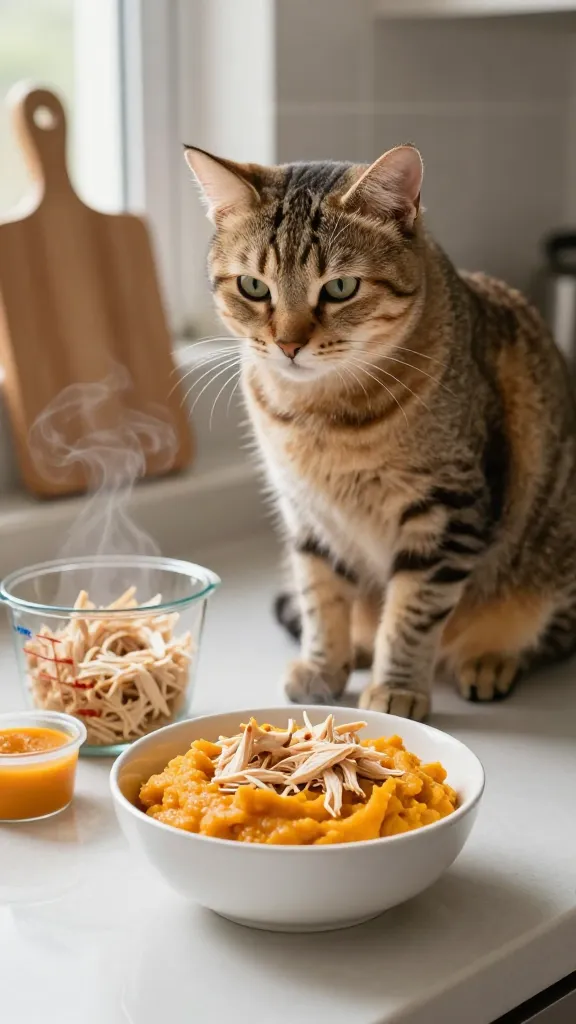
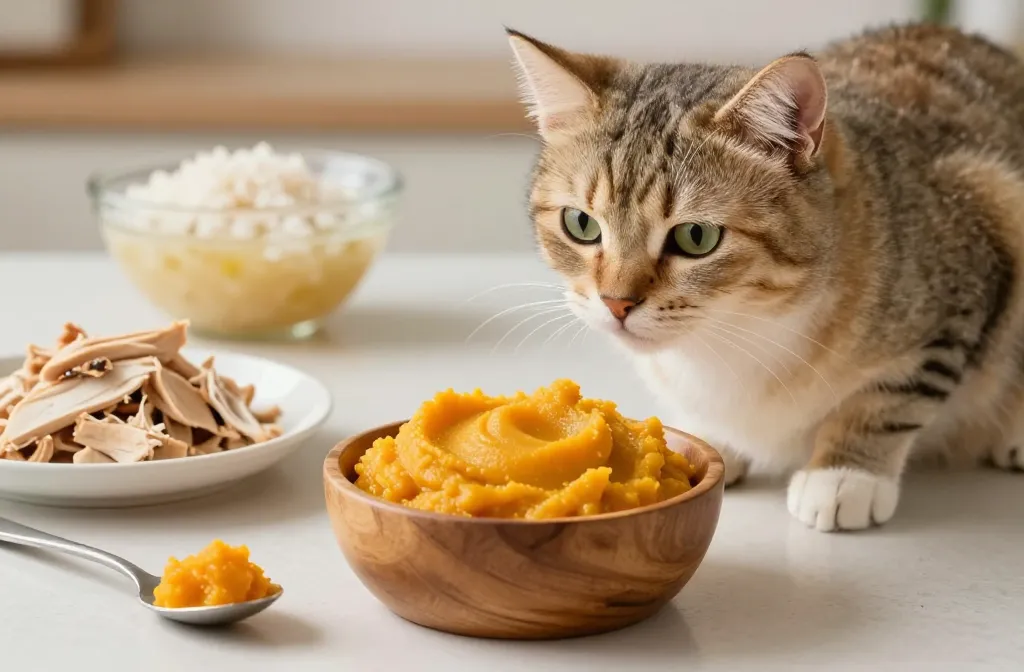
This blend keeps ingredients familiar and easy to digest. The pumpkin adds fiber to calm tummy rumblings, while plain chicken provides protein without any flashy spices. Seriously, your cat will feel the love in every bite.
Why it works
- Turkey- and chicken-based proteins are usually gentle on sensitive stomachs.
- Pumpkin provides soluble fiber to firm up stools.
- No onions, garlic, or spices that irritate feline digestion.
Basic recipe at a glance
- 1 cup cooked, shredded chicken
- 1/4 cup canned pumpkin (unsweetened)
- 2–3 tablespoons water or low-sodium broth
- A pinch of sea salt (optional, tiny amount)
Mix until smooth, portion into your cat’s usual serving size, and monitor how your cat responds over a few days. Trust me, consistency matters more than fancy ingredients here.
When to use: Great as a baseline meal and a gentle transition from commercial foods. Benefits include easier digestion and steady energy.
2. Gentle Fish & Rice Delight
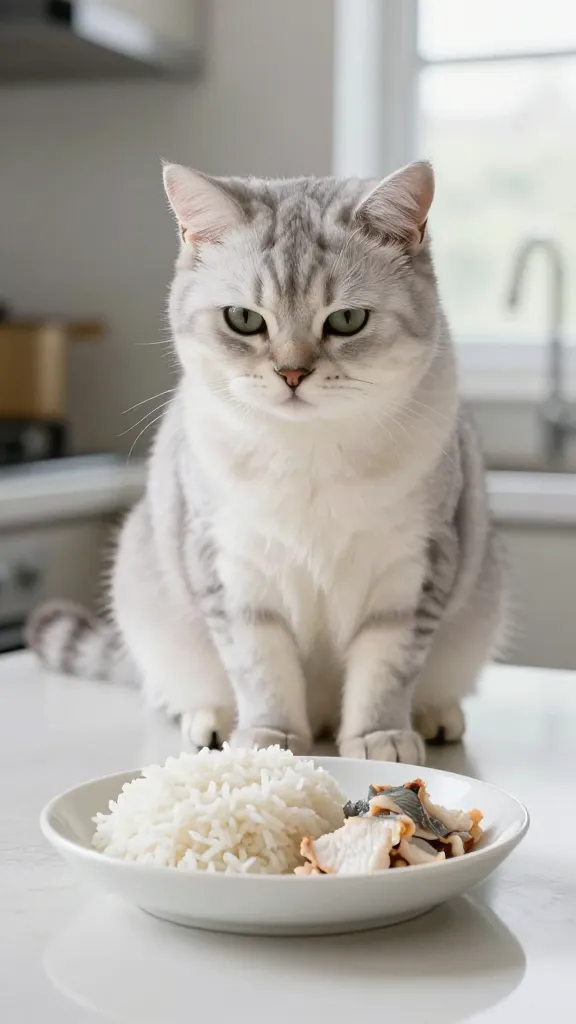
Fish often appeals to picky eaters, and when paired with rice, it creates a soft, digestible texture your cat can’t resist. FYI, avoid strong fish oils unless your vet says it’s okay for your cat.
Why it works
- White fish like cod, tilapia, or haddock is typically easy to digest.
- White rice adds gentle binding and soothing bulk.
- Minimal ingredients reduce the chance of upset stomachs.
Simple prep guide
- 1/2 cup cooked white rice
- 1/2 cup cooked, flaked white fish
- 1 tablespoon water or low-sodium broth
- Optional: cooked carrot shreds for extra fiber
Combine and mash to a soft consistency. Start with small portions to see how your cat tolerates it, then scale up if everything looks good. IMO it’s a crowd-pleaser that won’t stress the tummy.
When to use: Excellent for post-illness recovery or when you need a bland-but-titable option. Benefits include gentle nourishment and smoother digestion.
3. Bone Broth Boost (Low-Sodium)
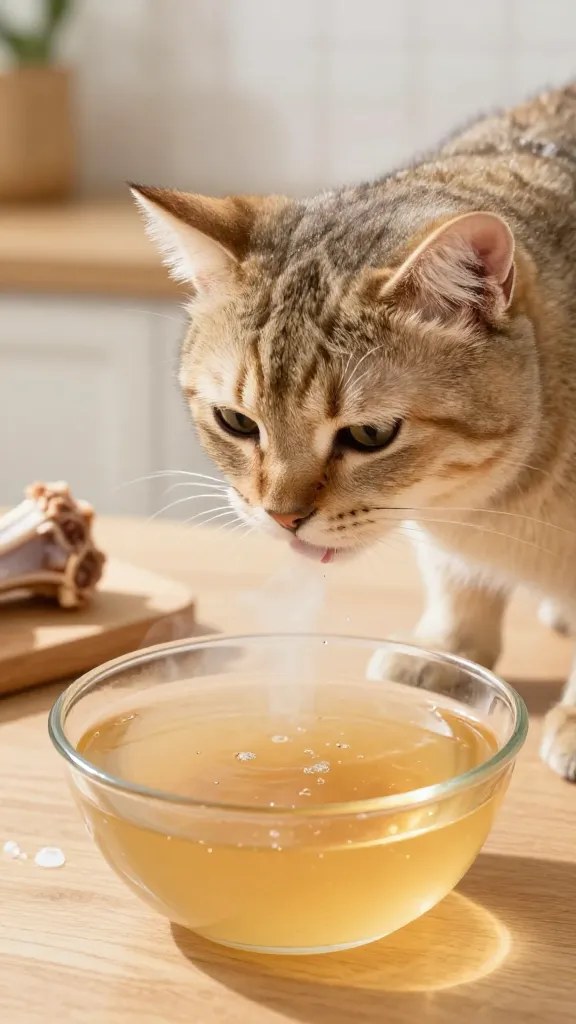
Bone broth can be a fantastic hydration and flavor booster, but you must keep it low-sodium and free of onions or garlic. This is a vibe for cats who love a drippy, savory bite without upsetting their stomachs.
Why it works
- Hydration plus flavor helps encourage eating in finicky cats.
- Low-sodium broth avoids stressing kidneys and gut.
- Gelatin and minerals may support gut lining health.
How to prepare
- Use a batch of bones from a clean, reputable source (no added salt or seasonings).
- Simmer with just water for 12–24 hours, strain well to remove solids.
- Cool and portion, freezing extra in ice-cube trays for easy use.
Tip: add a tablespoon or two to the regular meal to entice your cat without overdoing it. People will ask for seconds, seriously.
When to use: Perfect as a hydration booster on hot days or when your cat isn’t feeling quite right. Benefits include extra moisture and a comforting aroma.
4. Deboned Turkey & Veggie Medley
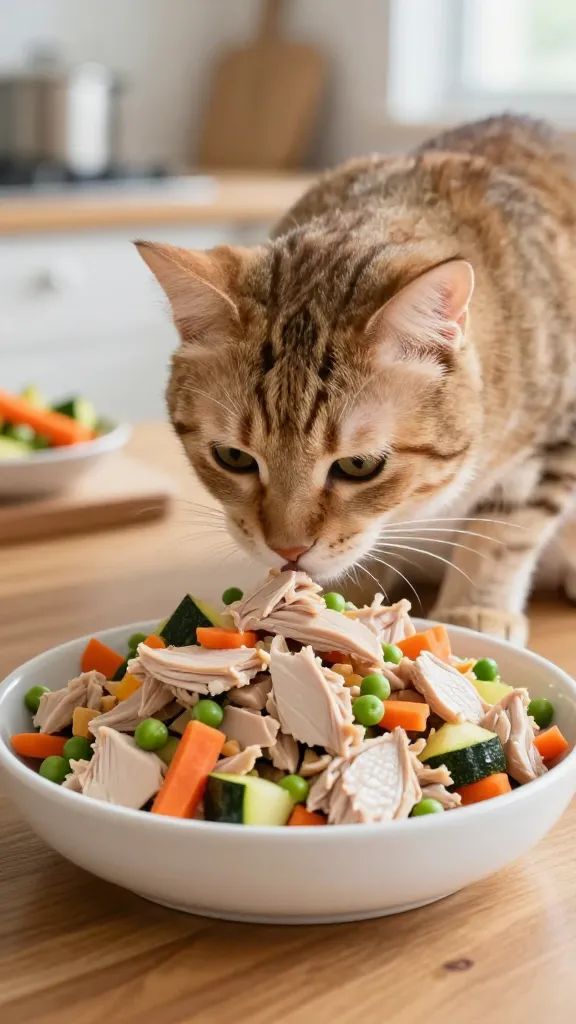
Turkey is a gentle protein, and when you pair it with well-cooked veggies, you get a nutritionally balanced, easy-to-digest dish. This one is a nice middle-ground option for cats who want a bit more texture without upsetting their gut.
Why it works
- Balanced protein and fiber from simple veggies.
- Okay for most sensitive stomachs when you keep it plain.
- Customizable with different veggies to suit your cat’s tastes.
Master recipe overview
- 1 cup cooked, finely chopped turkey
- 1/4 cup finely chopped cooked carrots or peas
- 1/2 cup cooked quinoa or oats (optional for extra fiber)
- 2–3 tablespoons water or low-sodium broth
Combine until a cohesive, mash-like texture forms. Start with subdued textures and gradually introduce small bits of new vegetables if your cat tolerates them. It’s a flex-friendly option that’s easy to adapt.
When to use: Great during transitions between foods or when you want a more varied, balanced profile. Benefits include steady energy and fewer tummy upsets.
Ready for a quick recap? These ideas keep things simple, familiar, and gentle on sensitive systems while still delivering flavor that makes your cat purr. IMO, the trick is to introduce one new component at a time and watch how your cat responds, not a full menu overhaul overnight.
Remember, every cat is different. If your cat has chronic GI issues, consult your veterinarian before making major dietary shifts or adding supplements. FYI, gradual transitions beat dramatic changes every time.
Now grab a spoon, scoop out a bowl, and start testing these ideas with your sidekick. Trust me, a happier gut means a happier cat—and a happier you.
Ready to try these? Your feline foodie journey starts now, and your cat is about to become your most enthusiastic sous-chef.