6 Tips on How to Cook Salmon for Dogs Safely
Got a dog who drools at the sight of fish? These six tips keep salmon tasty, safe, and dog-friendly without turning the kitchen into a science experiment. FYI, you’ll actually enjoy cooking for your furry foodie just as much as they enjoy eating it.
1. Start with Fresh, Sock-Easy Salmon (No Bones, No Fuss)
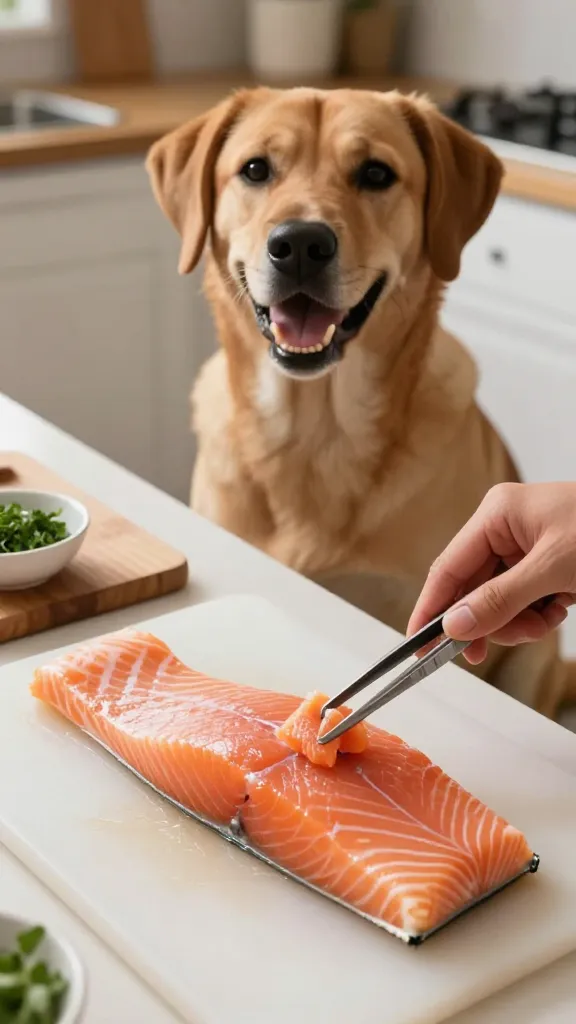
Fresh salmon makes a world of difference for dogs. Start with a clean, boneless filet and pat it dry so the surface browns nicely, not soggily.
Key Points:
- Choose wild-caught when possible, but farm-raised is OK if it’s high quality and fresh.
- Check for skin and pin bones; remove bones with tweezers or gently run fingers along the flesh.
- Trim to dog-friendly portions—think bite-sized chunks for small to medium dogs.
Why this matters: boneless, fresh fish reduces choking risk and makes the texture predictable for your pup. If you’re pressed for time, this step sets a solid base for any method you choose later.
2. Gentle Cooking Methods That Keep Nutrients Intact
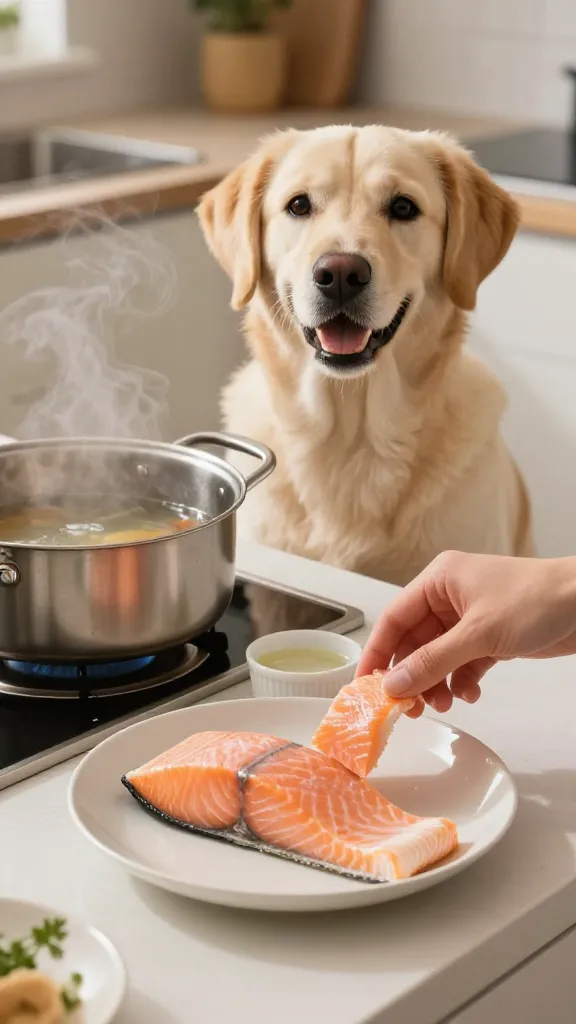
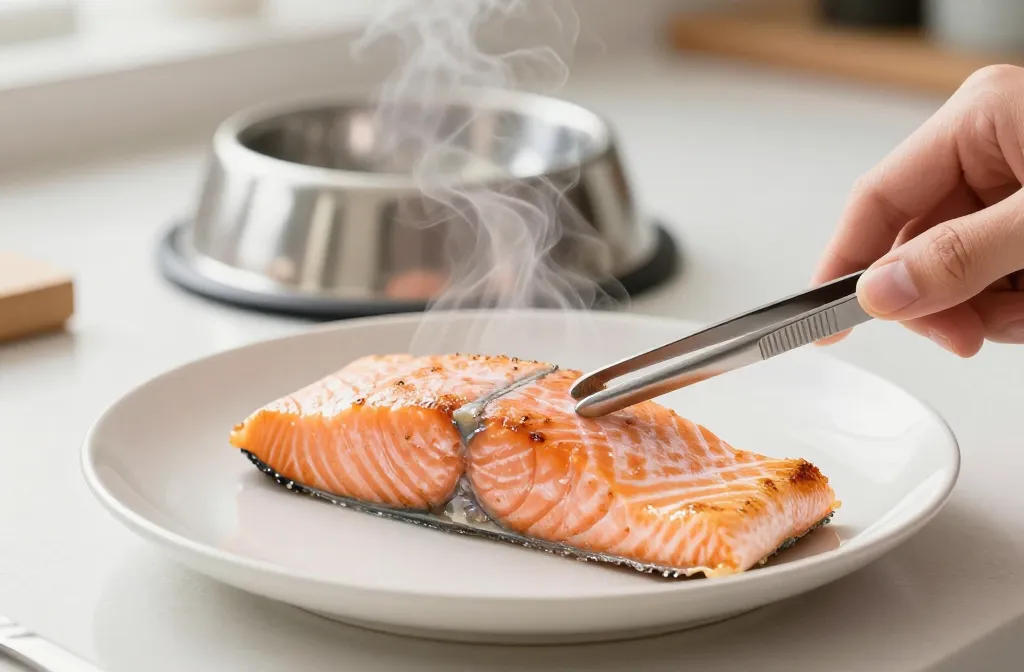
Dogs don’t need fancy searing or sauces to be happy. Gentle cooking preserves omega-3s and prevents aroma overload that might scare off sensitive noses.
Tips:
- Steaming or poaching is king—no oil required, and the fish stays moist.
- Lightly simmer in water with a pinch of salt-free broth for extra flavor without risk.
- Avoid frying, roasting with oil, or any spicy seasonings; dogs don’t care about crunch—they care about yum.
Pro move: test with a tiny flake first to gauge texture. If it flakes easily, you’re golden. Seriously, your dog will thank you with extra tail wags.
3. Seasonings? Keep It Simple and Safe
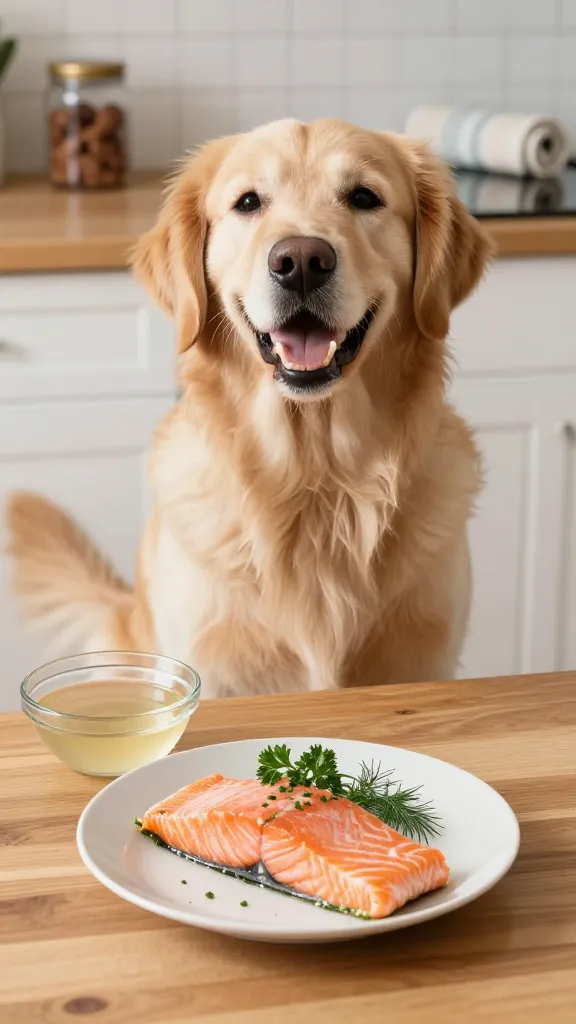
Flavor is nice, but dogs don’t need salt, garlic, onions, or heavy herbs. Simple, dog-safe seasonings can still deliver a tasty bite.
Safe Additions:
- Small pinch of parsley for fresh breath
- Fresh dill for aroma (in tiny amounts)
- A splash of homemade, low-sodium broth
Always skip: salt, pepper, garlic, onions, chives, citrus peels, and any spice blends. FYI, too much seasoning can upset a pup’s stomach or cause longer-term issues. Trust me, less is more here.
4. Texture Tactics: Perfectly Prone to Share

Texture affects how eagerly dogs scarf down meals. A varied texture keeps mealtime interesting and reduces picky-eater drama.
Texture Options:
- Chopped salmon bits mixed with plain cooked rice (seasoning-free)
- Soft flakes with a little water to form a chew-friendly mash
- Coarser chunks for a gentle chew and dental benefits
Benefit: easier chewing for seniors, easier digestion for sensitive stomachs, and more engagement because they can “find” pieces in the bowl. IMO, it makes mealtime feel like a treasure hunt.
5. Cook Once, Feed Twice: Batch-Cooking Like a Pro (Without the Guilt)
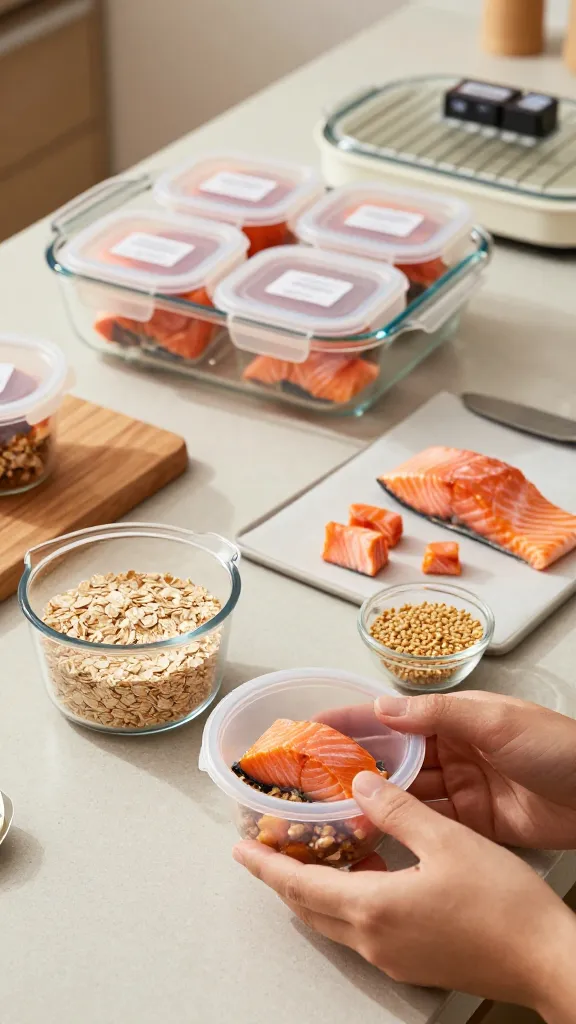
Batch-cooking saves time and ensures you always have dog-safe salmon ready. Freeze portions or refrigerate for up to a few days depending on your local guidelines.
Plan in 3 Steps:
- Cook a large batch using the steam-poach method.
- Divide into portion-sized containers or cubes for easy thawing.
- Label with date and ingredients to avoid mystery leftovers later.
Applications: you can mix with plain cooked oats for a gentle breakfast, or serve on top of a small amount of barley for a heartier dinner. This keeps mealtime predictable and stress-free for both you and your pup. Seriously, no more last-minute “what do I feed them?” panic.
6. Safe Finishing Touches and When to Avoid Salmon
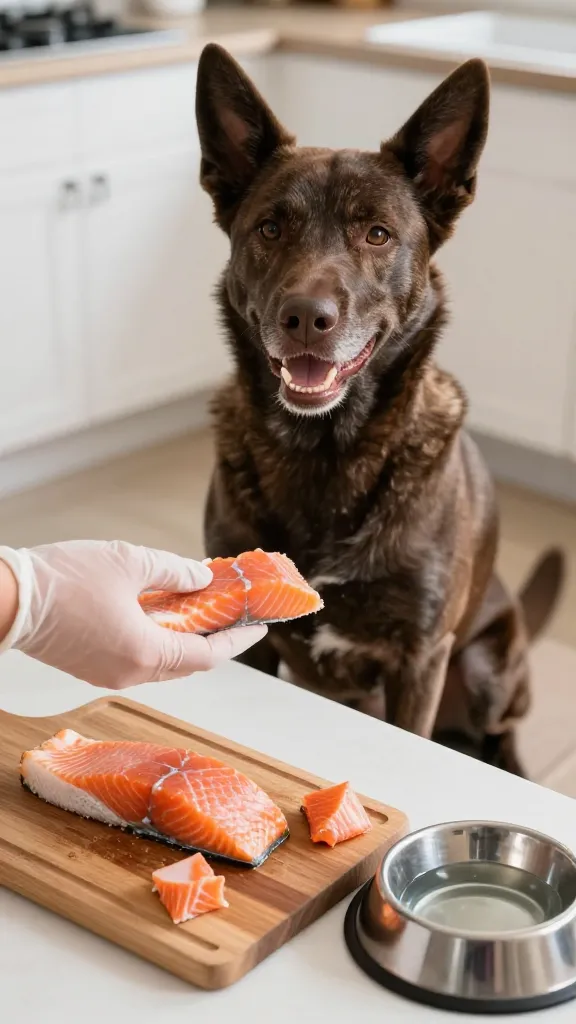
Not all salmon is created equal in the dog world. Some fish or conditions require caution or avoidance.
Important Notes:
- Always ensure there are no bones left in any bite-sized pieces before serving.
- Avoid seasoned leftovers, pâtés with added salt, or sauces with onions/garlic.
- Consult your vet if your dog has kidney issues, a history of pancreatitis, or allergies before adding salmon to the diet.
Bottom line: salmon can be a fantastic part of a dog’s diet when prepared safely and mealtime is simple. If you notice any GI upset, scale back or switch to a lighter preparation and review portions with your vet. Trust me, small changes can prevent big tummy troubles.
And there you have it—six tasty, safe, dog-friendly salmon cooking ideas you can actually use. Wanna level up a dog-friendly dinner night? These strategies make salmon both delicious and dependable for your best buddy. Now go fetch that apron and start cooking—your pup is already drooling in anticipation.
Note: If you want more variations, I’m happy to tailor these tips to your dog’s size, age, and dietary needs. Happy cooking and tail-wagging!