6 Cat Meal Plan Ideas for Healthy Daily Feeding
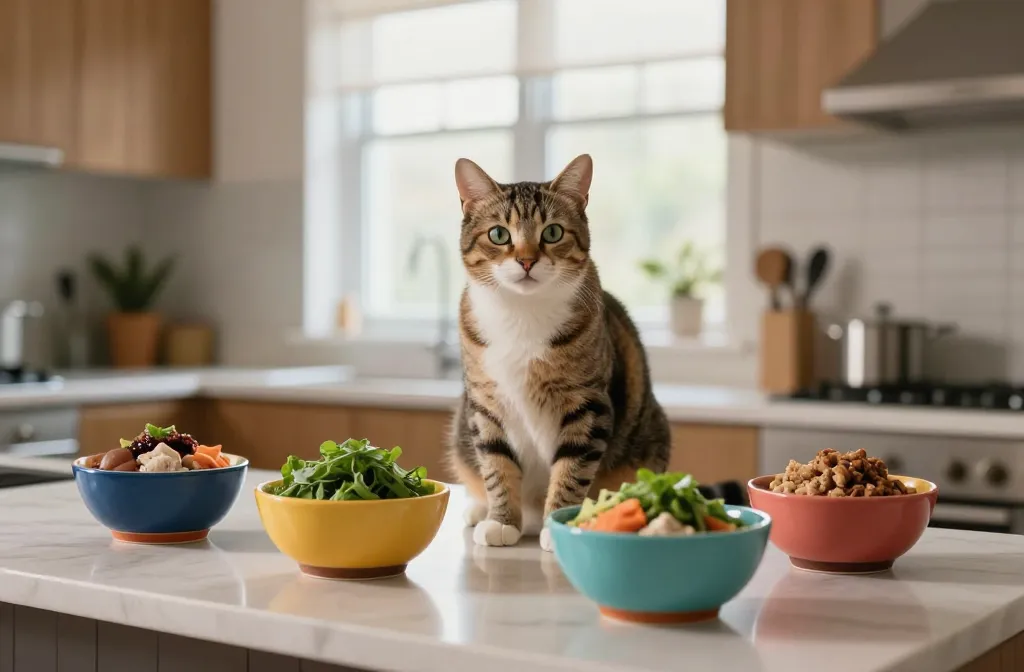
If you’re tired of mealtime chaos, these ideas streamline feeding while keeping your kitty happy and healthy. You’ll feel like a cat-whisperer chef without the drama. FYI, consistency beats chaos any day.
1. Morning Protein-Pump: Start the Day Right
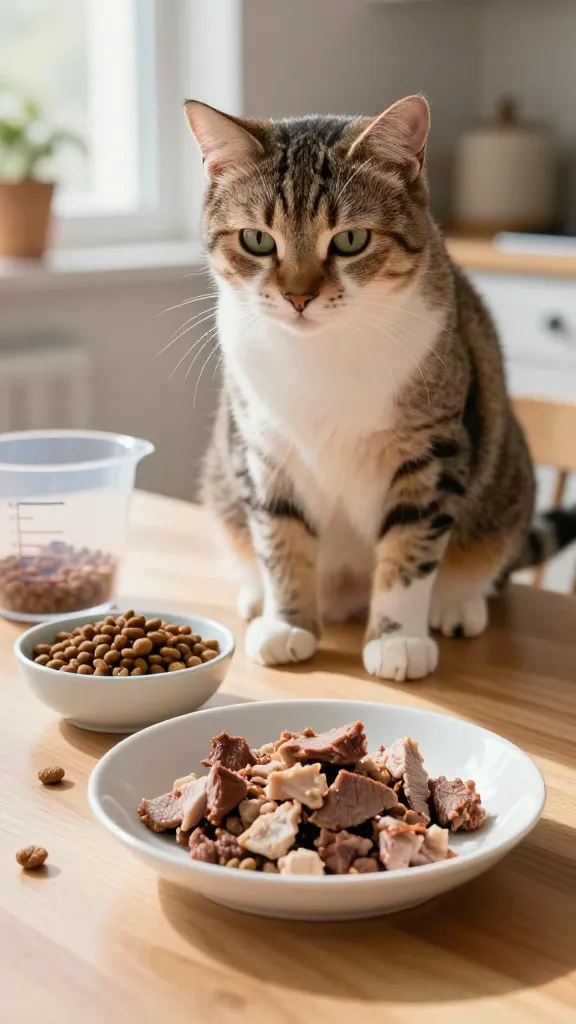
Kittens and adult cats alike love a protein-forward kick to kickstart their metabolism. A solid morning meal sets the pace for the day and helps prevent begging later. Seriously, missing that boost means you’ll be chasing bowls all afternoon.
Key Points
- Choose high-protein options (30-40% protein by dry matter for dry food, or equivalent in wet meals).
- Keep portion sizes defined to avoid spillover grazing.
- Include a small protein-rich treat as a mid-morning perk.
We’re talking real meat chunks, canned tuna (in water, not oil), or a high-quality cat kibble. The goal is steady energy, not a sugar crash in the middle of a zoomies session.
Benefits: steadier energy, less begging, more satisfied mornings. Use this plan when your cat’s appetite is high and you want reliable intake to start the day.
2. Midday Rainbow Bowls: Balanced Nutrition in 1 Dish
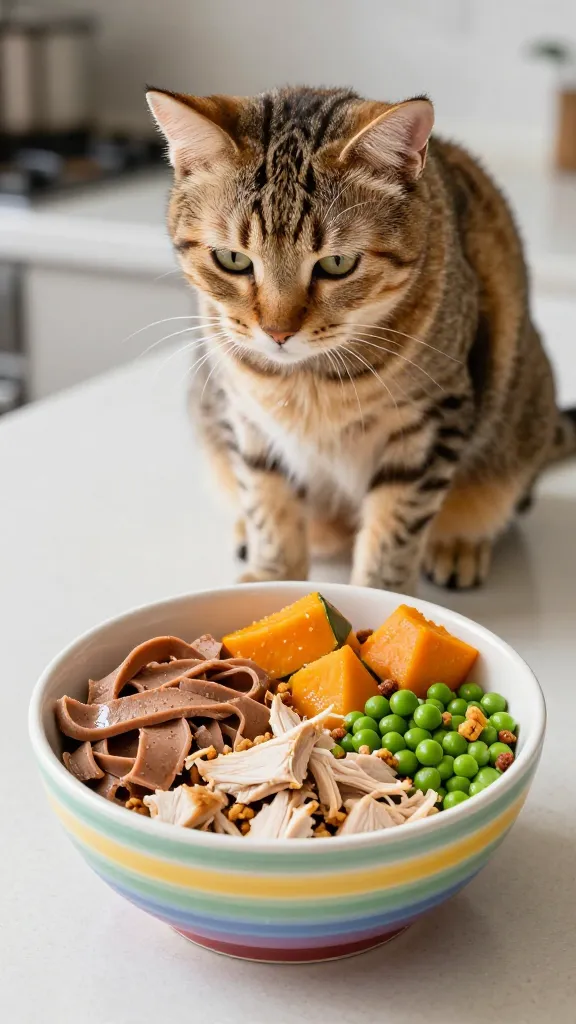
Bright, colorful bowls aren’t just for humans—cats love a varied texture and flavor. A balanced midday bowl helps maintain weight and keeps digestion happy. Trust me, a well-rounded bowl beats a monotonous platter every time.
Key Points
- Combine protein, greens (like steamed pumpkin or peas in small amounts), and a moisture-rich component.
- Use a mix of textures: pâté, chunks, and a little crunchy kibble for texture variety.
- Limit high-carb components—focus on filling, not fluff.
Tips: pre-portion the bowls into daily servings to reduce overfeeding. IMO, this also makes midday meals feel like a special treat rather than a last-minute snack.
Benefits: better satiety, steady hydration, and teeth-friendly chewing options. Use during long work-from-home days when you need a reliable feeding rhythm.
3. Mini-Feast Fridays: Portion Control with Flair
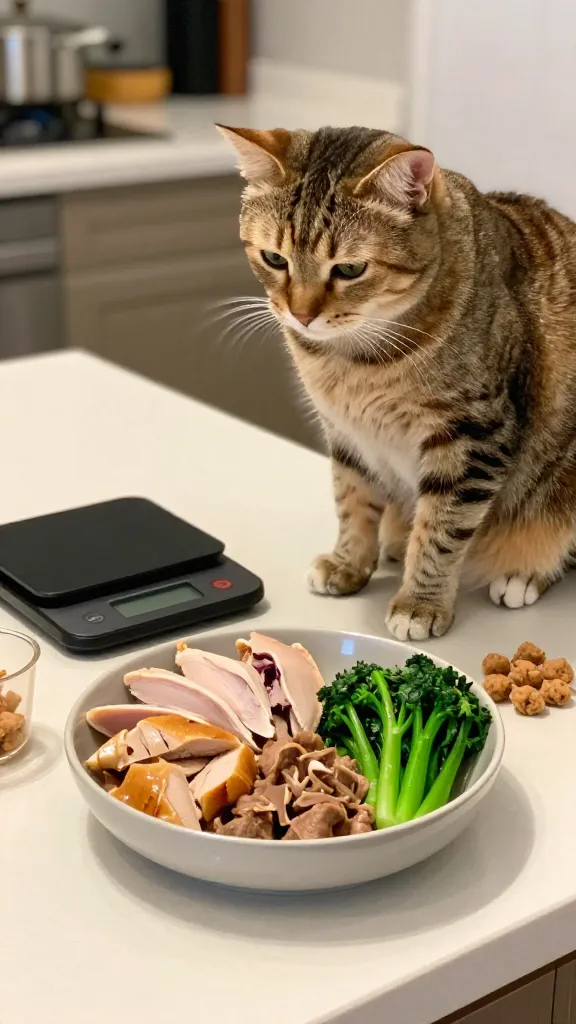
Designate a fun, slightly larger meal once a week to reset appetite and prevent monotony. A “mini-feast” can be a blend of favorite flavors and textures, but still controlled. FYI, consistency helps prevent bingeing on other days.
Tips
- Build a rotating menu: rotate one protein (chicken, turkey, fish) with a veggie side each Friday.
- Keep portions measured with a scale or cups for accuracy.
- End with a small, complementary treat to signal the end of the feast.
Why it’s awesome: it satisfies desire for variety without turning mealtime into a free-for-all. Use when your cat craves new flavors but you want to avoid habit-breaking sprees.
Benefits: mental stimulation, appetite regulation, and a predictable weekly rhythm. A good plan for busy weeks when routines slip a bit.
4. Hydration Hero: Moisture Magic in Every Meal
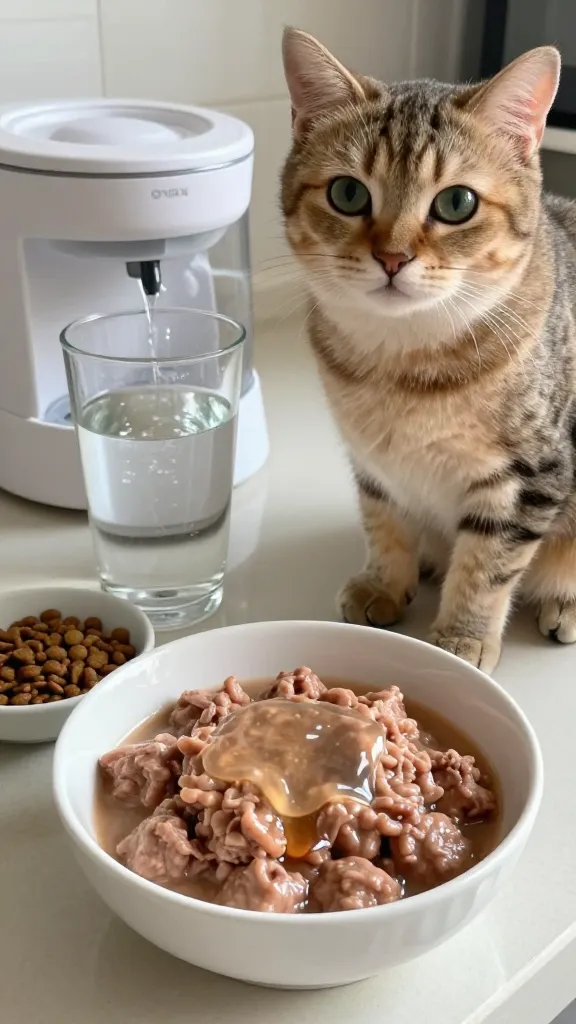
Cats often under-hydrate, which isn’t cute when you notice dull coats or litter-box drama. Layer more moisture into meals for better kidney function and overall mood. Seriously, water-rich meals are a game changer.
Key Points
- Use wet food as a base at least once per day, or mix with dry kibble.
- Offer a rotating liquid option like broth (low-sodium, no onions) as a drizzle over meals.
- Provide a fresh bowl of water and a pet fountain if possible to encourage sipping.
Implementation: start with one wet meal per day and gradually increase if your cat tolerates it. IMO, you’ll notice glossier fur and easier stool consistency.
Benefits: better hydration, shinier coat, more consistent urinary health. Use when your cat tends to skip drinking water or has a dry mouth look.
5. Allergy-Smart Simplified: Gentle Options for Sensitive Stomachs
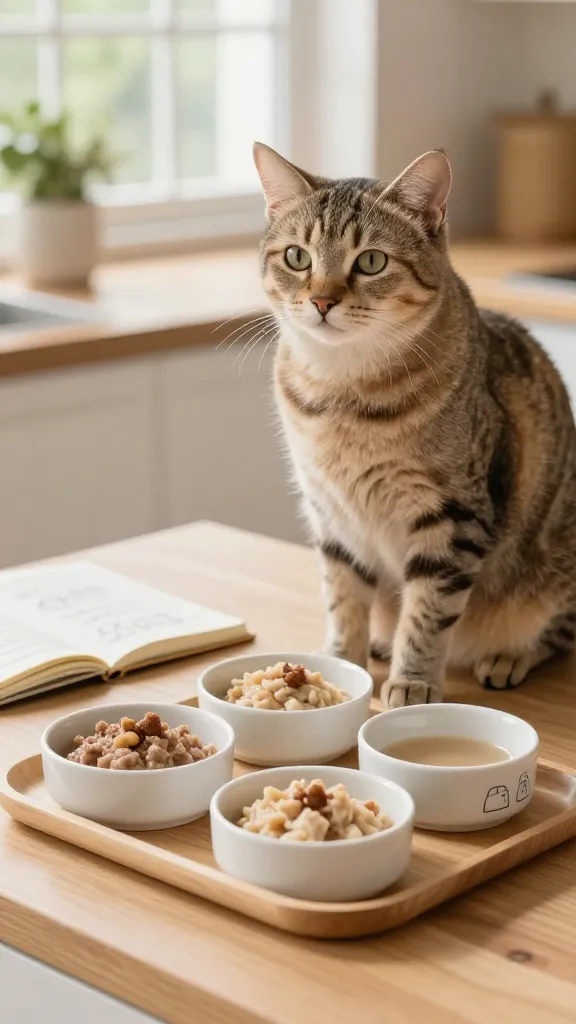
Food sensitivities aren’t rare in cats. A thoughtful, allergy-aware plan reduces gut distress and keeps meals on the sunny side. This approach is especially clutch if your cat’s been finicky after certain ingredients.
Key Points
- Identify common triggers: beef, dairy, certain grains—note which ones cause issues.
- Opt for limited-ingredient diets or hypoallergenic recipes with novel proteins.
- Introduce any new food gradually over 7-10 days to avoid GI upset.
Quick tip: keep a simple journal of what your cat eats and any after-effects. It’s oddly satisfying to connect the dots. FYI, always consult your vet before dramatic dietary changes, especially if you have a cat with a history of GI issues.
Benefits: fewer GI upsets, steadier digestion, and less stress around mealtime. Use when your cat has shown signs of sensitivity or intolerance.
6. Training-Driven Treats: Smart Feeding for Busy Humans
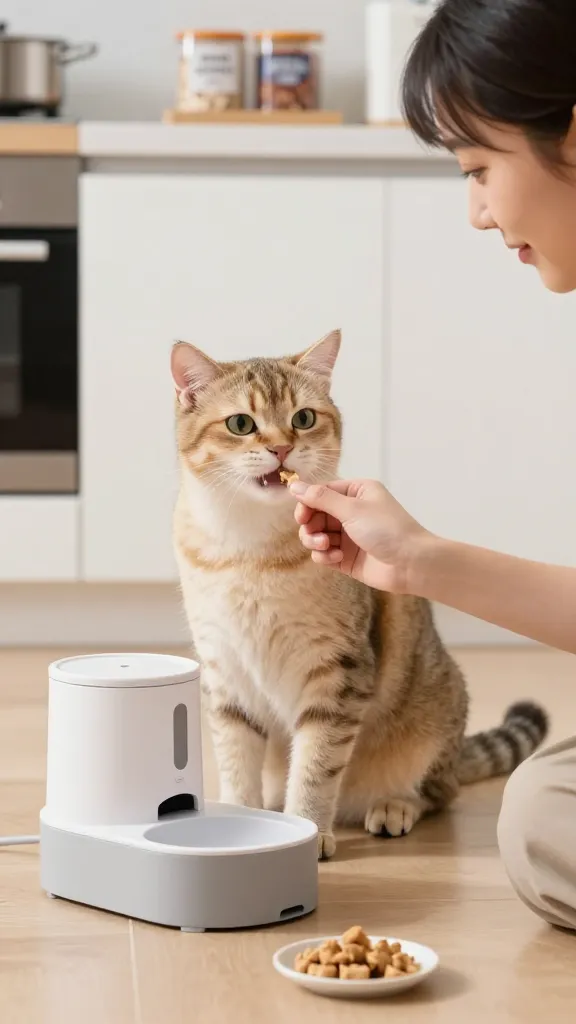
Food can be your ally in training and bonding. Use small, smart portions as rewards to reinforce good behavior while keeping daily calories in check. This is the cutest way to get your cat to cooperate without turning mealtime into a wrestling match.
Practical Elements
- Use puzzle feeders to slow down rapid eating and provide mental stimulation.
- Schedule short training sessions before meals to boost appetite and focus.
- Rotate a few flavors weekly to prevent boredom.
Result: your cat stays engaged, and you stay sane during busy days. Use when you want to blend enrichment with daily feeding, rather than relying on endless kibble bowls.
Conclusion: you’ve got six tasty, practical meal plans to keep your cat healthy, happy, and actually excited about mealtime. Try one (or mix and match) and observe how energy, digestion, and mood respond. You’ve got this—your feline foodie sidekick is about to become your favorite sous-chef.