

6 Cat Teeth Cleaning Tips for Better Dental Care: Purrfect Tips
If your kitty’s gums could talk, they’d beg you for better dental care. These six tips are practical, lighthearted, and surprisingly effective for a healthier cat smile. Let’s dive in and make dental days less drama and more purrs.
1. Start a Daily Dazzle: Gentle Brushing Basics

Daily brushing is the gold standard for feline dental health. It sounds intimidating, but with the right approach, you’ll both feel like pros in no time. Think of it as a tiny, boring ritual that yields big results.
Why it works
Regular brushing reduces plaque buildup and freshens breath. It also lowers the risk of more serious dental problems down the line. FYI, consistency beats intensity—short sessions beat long, dramatic scrambles.
How to do it
- Use a cat-specific soft-bristled toothbrush.
- Pick a toothpaste formulated for cats (never use human toothpaste).
- Start with 30 seconds, then build to 2 minutes as your cat tolerates it.
Tip: reward with a favorite treat or gentle praise after each session. Your cat will start associating brushing with positive vibes. Trust me, patience pays off.
Benefits: fewer dental cleanings needed, fresher breath, and happier brushing sessions for both of you.
2. Texture Tricks: Dental Wipes and Gels for Quick Wins
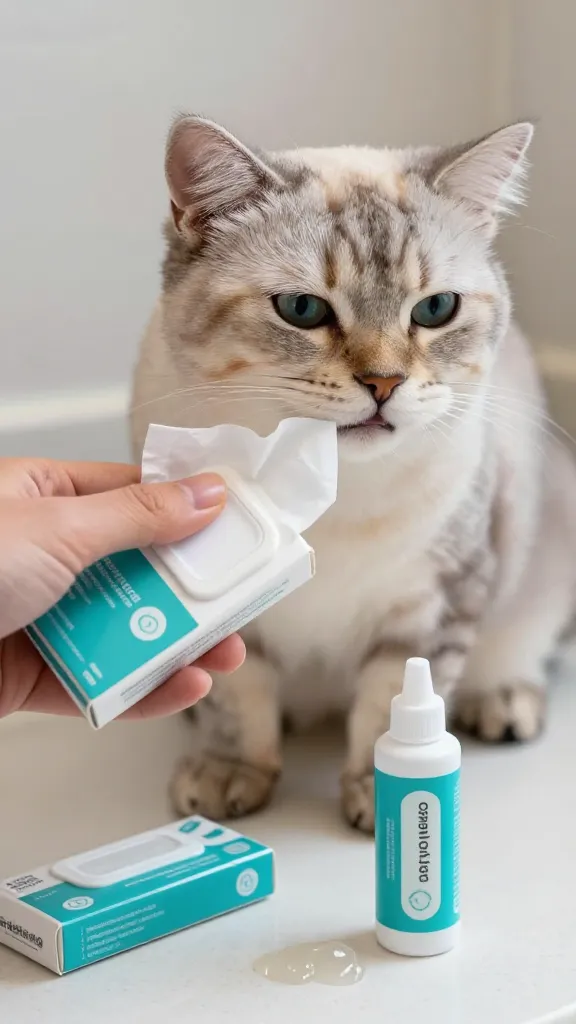
If brushing feels like a tug-of-war, dental wipes or gels offer a gentler alternative that still helps with plaque control. These are great for busy days or cats that tolerate little handling.
What to consider
- Choose alcohol-free wipes designed for cats.
- Look for enzymatic gels that break down plaque over time.
- Follow manufacturer directions for frequency and amount.
Why it’s awesome: you can protect teeth without wrestling your cat into position every night. Seriously, it’s a low-stress option that still moves the needle on dental health.
Benefits: improved gum health, easier maintenance on busy evenings, and fewer medical bills later on.
3. Dental Diets and Chews: Nutrition That Supports Teeth

Your cat’s food can actively help their chompers stay clean. Dental diets and approved chews are smarter than you think and can complement brushing beautifully.
Smart picks
- Vet-approved dental kibble that’s designed to reduce plaque.
- Dental treats that incorporate texture to scrape off buildup.
- Always check for cat-specific dental products and tolerances.
Remember: not all cats will go for chews or certain textures. Introduce new items gradually and monitor for GI upset or allergies. IMO, a mixed approach often works best—brushing plus a dental-friendly diet equals success.
Benefits: slower plaque accumulation, better breath, and a diet that supports long-term oral health.
4. Water Additives: Sip-Smart Clean Up

Water additives are a clever, low-effort way to lend a helping hand to your cat’s mouth daily. They’re especially handy for shy brush-avoiders or squirmy felines who won’t sit still at the sink.
How to use them
- Choose a veterinary-approved additive with enzymatic action or antibacterial properties.
- Introduce gradually to avoid GI upset.
- Provide fresh water and monitor your cat’s intake.
FYI, some cats notice the taste more than others—no big deal, you’ll find the right fit with a bit of trial and error. The payoff: cleaner mouths with less daily effort.
Benefits: easy routine integration, supports breath freshness, and can reduce plaque progression between brushing sessions.
5. Regular Vet Checks and Professional Cleanings: When in Doubt, Call the Pros

No amount of home care beats a professional dental exam once a year (or more, if your vet recommends it). Professional cleanings remove tartar you can’t reach and let you address issues early.
What to expect
- Under anesthesia, a vet will scale and polish teeth.
- Two-part oral exam: hard tissue check and soft tissue assessment.
- Follow-up care may include extractions or treatments for periodontal disease if needed.
Why it matters: cats hide dental pain well, so routine checks catch problems before they escalate. Seriously, early intervention saves suffering and money in the long run.
Benefits: comprehensive cleaning, early problem detection, and a healthier mouth that supports overall wellbeing.
6. Create a Dental Care Routine That Sticks: Make It Fun and Consistent

The best dental plan is the one you actually stick with. Turn dental care into a game, set reminders, and keep things positive. A little structure goes a long way with cats who adore predictability.
Tips to keep it workable
- Schedule brushing times that align with your cat’s energy peaks (usually after meals).
- Gradually increase duration and complexity of your routine.
- Involve a favorite toy or treat to create a positive association.
When you combine consistency with small rewards, you’ll find your cat anticipates dental sessions with less resistance. IMO, it’s less about force and more about friendly collaboration.
Benefits: sustainable care, fewer dental emergencies, and a happier, healthier cat who loves their routine.
Conclusion: You’ve got the toolkit—pick one or two methods to start, and build from there. Your cat’s smile will thank you with brighter breath, fewer tartar surprises, and a happier, healthier life. Go ahead and try these ideas this week; you’ve got this, friend.


