6 Easy Ways to Reduce Cat Shedding at Home You’Ll Love
Say goodbye to tumbleweeds of fur and hello to happier, cleaner cuddles. These simple tricks fit into real life, no fancy gear required. FYI, your cat might actually thank you with extra purrs.
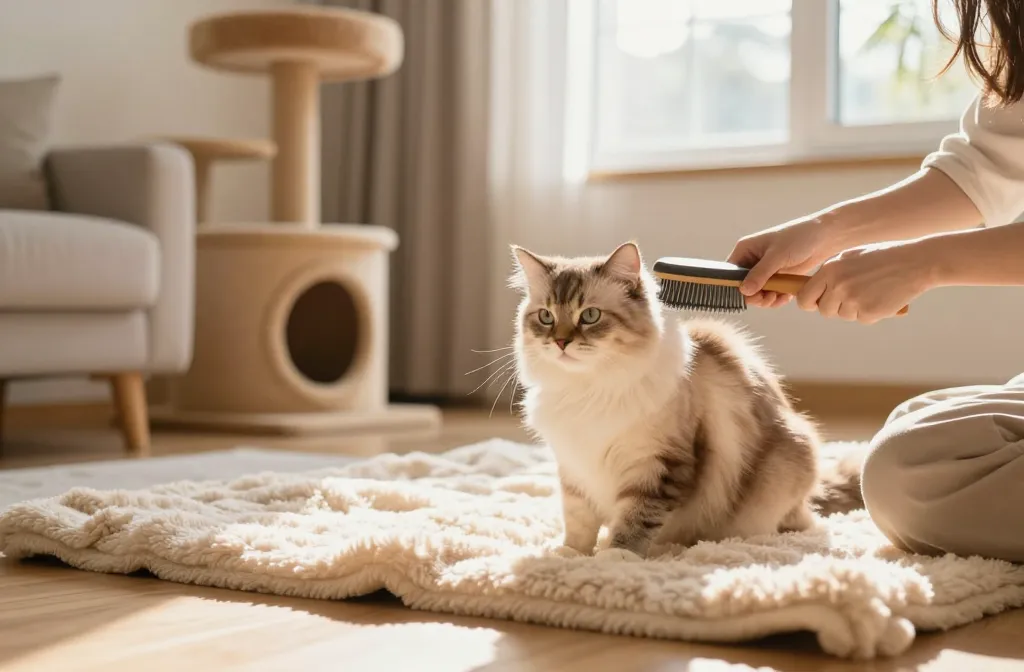
1. Brush Like a Pro (The Daily Grooming Routine That Saves Your Sofa)

Regular brushing zaps loose fur before it becomes tumbleweed material. It also gives your cat a spa moment they secretly crave. Trust me, a quick daily session equals fewer furballs on your favorite sweater.
Key points:
- Choose a brush that fits your cat’s coat type (slicker for long hair, bristle for short hair).
- Aim for 5–10 minutes, once or twice a day during shedding season.
- Reward your cat with a treat to keep it positive.
Bonus: brushing distributes natural oils, keeping the coat glossy and healthy. Use a soft, slow stroke along the grain of the fur. Your furniture will thank you, and so will your cat’s skin.
2. Create a Cozy, Low-Shed Zone (Make Furry Mess a Thing of the Past)

Designating a dedicated, easy-to-clean zone reduces your cat’s need to molt all over the house. A comfy spot with a plush bed and a low-shed surface keeps fur localized and manageable.
What to set up:
- A washable throw blanket or cushion texture your cat loves
- Scratch pad or cat tree to encourage shedding-free lounging high and dry
- Accessible litter area to minimize stress and movement that stirs up fur
Tip: place the zone near a sunny window or a favorite quiet corner. If it’s comfy, your kitty will use it more, which means less fur on your couch and clothes. IMO, it’s a win-win.
3. Feed for a Sleeker Coat (The Right Diet Makes a Difference)

What goes in your cat’s bowl can affect how much fur they shed. A balanced diet with high-quality protein and omega-3 fatty acids can improve coat health and reduce stray fur easier to find around the house.
Key considerations:
- Look for meals with real animal protein as the first ingredient.
- Omega-3 and omega-6 fatty acids help skin and coat condition.
- Hydration matters, so consider wet food or hydrating feeders if your cat drinks little water.
FYI: if you’re unsure about what to feed, talk to your vet about a plan tailored to age, weight, and health. Small, steady improvements beat dramatic dietary changes every time.
4. Vacuum Smart, Not Annoying (Effortless Fur Removal Without Turning Your Home into a Circus)

Smart cleaning cuts down fur chaos without becoming a full-time job. A routine that fits your lifestyle means fur doesn’t build up between deep cleans.
Simple approach:
- Invest in a good vacuum with a pet-hair setting and washable filters.
- Use a damp microfiber cloth on hard surfaces to trap stray hairs quickly.
- Daily quick passes on high-traffic areas keep fur from piling up.
Pro tip: wipe down furniture weekly with a lint roller or a rubber grooming glove for quick touch-ups. Seriously, you’ll slide through shedding season with ease.
5. Hydration and Humidity (Wet Grain, Dry Fur? Not Anymore)

Humidity levels can influence static and shedding. Keeping a comfortable humidity in your home reduces static and helps fur stay cleaner longer between cleanups.
What to do:
- Maintain indoor humidity around 40–60% with a humidifier in dry months.
- Offer multiple fresh water sources to encourage drinking and skin moisture.
- Spritz fabrics lightly with water during heavy shedding to minimize static wrap.
End result: less static cling on blankets, clothes, and that pile of laundry you dread. It’s small but mighty, and yes, it helps more than you’d expect.
6. Create a Seasonal Shedding Schedule (Plan Ahead, Win All Year)

Cats shed more during seasonal changes, so a proactive plan beats chaos on your floors. A simple, repeatable schedule keeps you in control and your space fur-free.
Structure to try:
- Spring and fall: ramp up brushing to daily, switch to a high-quality coat-focused diet briefly if needed
- Weekly grooming check-ins to monitor skin health and coat shine
- Monthly furniture and fabric refresh to beat stubborn fur buildup
Benefits: a calmer home, less allergy flare, and more cuddle time without chasing fur tumbleweeds. Seriously, planning is 80% of the battle here.
Conclusion: You’ve got a game plan now. Six easy moves that fit real life, not a showhome. Give them a try, adjust as you learn your cat’s quirks, and celebrate the tiny wins—fewer fur flecks on your outfits, more purrs in your lap. You’ve got this.