6 Persian Cat Food Tips for Healthy Feeding You Need Now
If your Persian is finicky or fluffier than ever, these bite-sized tips cut through the noise. You’ll feel like a pro cat chef in no time, and your kitty will thank you with gleaming fur and happy whiskers. FYI, small changes, big purrs.
1. Prioritize High-Quality Protein for Coat Shine

Persians are built for slow, steady energy, and protein is their best friend. A diet rich in quality animal protein helps maintain muscle, supports a silky coat, and keeps digestion smooth. Trust me, your feline model will strut around like a tiny influencer.
Why it matters
- Supports muscle maintenance and overall vitality
- Promotes a glossy, healthy coat
- Helps with satiety, reducing grazing between meals
Choose formulas where real meat is the first ingredient and avoid excessive fillers. If you’re unsure, look for brands that list a named animal protein (like chicken, turkey, or salmon) before any grains.
2. Balance Omega Fatty Acids for Skin and Fur
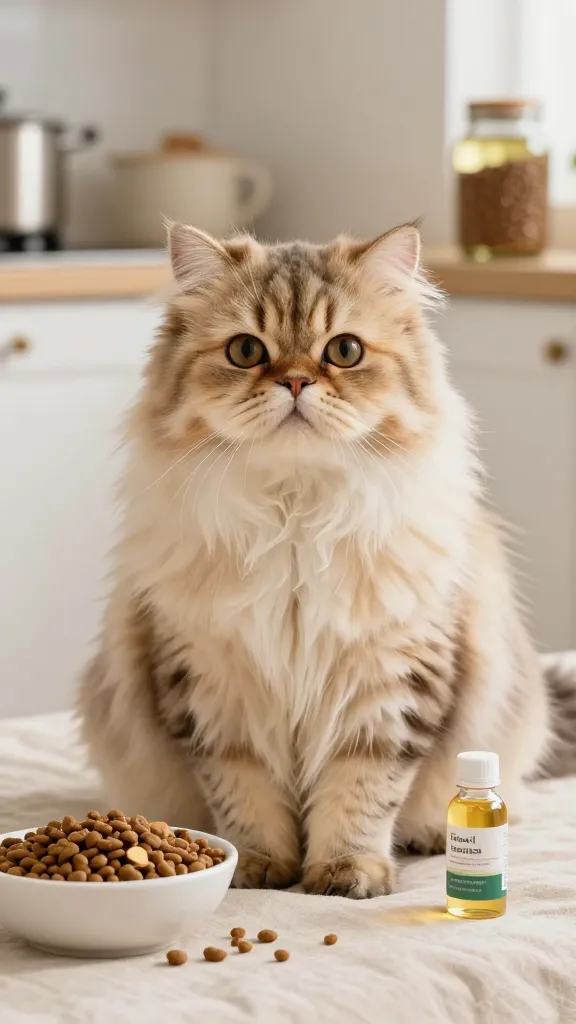
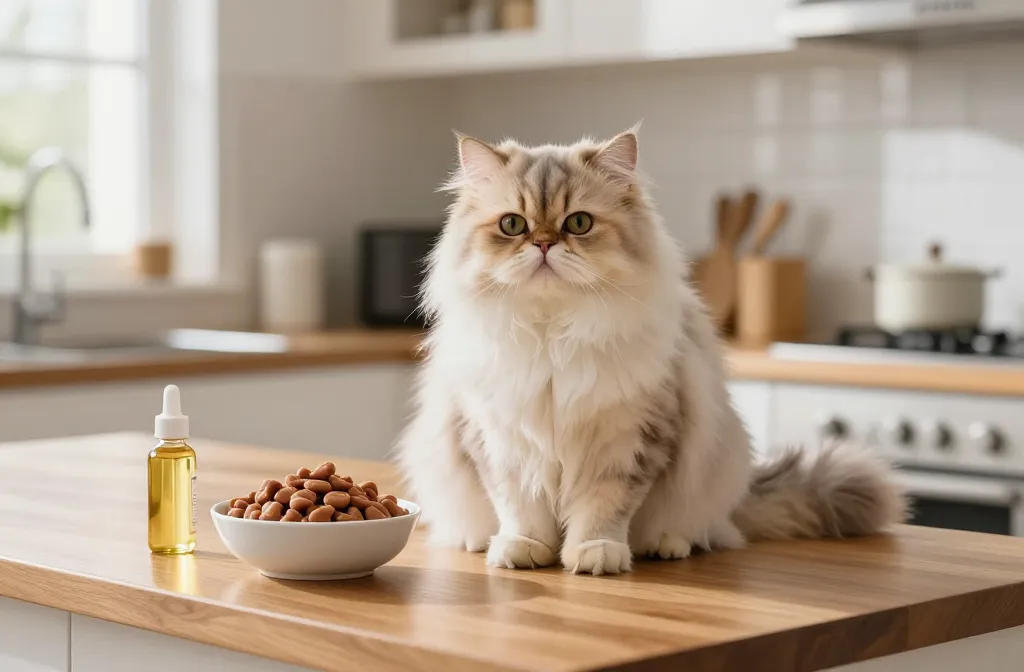
Persians can get dull-looking fur if their omega balance is off. Omega-3 and omega-6 fatty acids support skin health, reduce shedding surprises, and keep that fluffy mane luscious. It’s like conditioning for cats—without the salon bill.
Key points
- Incorporate fish oil or flaxseed oil as directed
- Look for foods with added DHA or EPA
- Avoid excessive omega-6 without enough omega-3
Start slow to avoid tummy upset, then build up to the recommended amount. Your cat’s coat will look healthier, and you’ll notice fewer itchy spots.
3. Tailor Texture to Your Cat’s Preferences
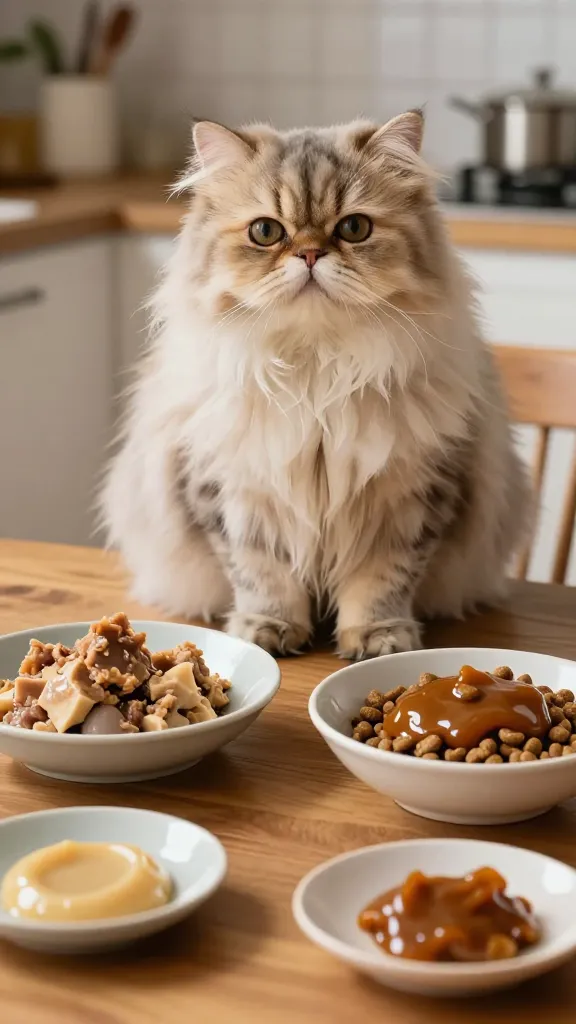
Persians can be particular about texture—think gravy lovers, pate fans, or crunchy-craving kitties. Matching texture to preference improves intake and digestion. Seriously, a happy tummy means a happier cat and fewer mealtime battles.
Texture options
- Chunky pate for easy chewing and moisture
- Gravies or sauces to boost palatability
- Crunchy kibbles for dental health (in moderation)
Rotate textures gradually to avoid stomach upset and to keep meals interesting. The payoff: consistent eating patterns and a content cat at your feet during breakfast.
4. Control Portion Sizes for Steady Energy
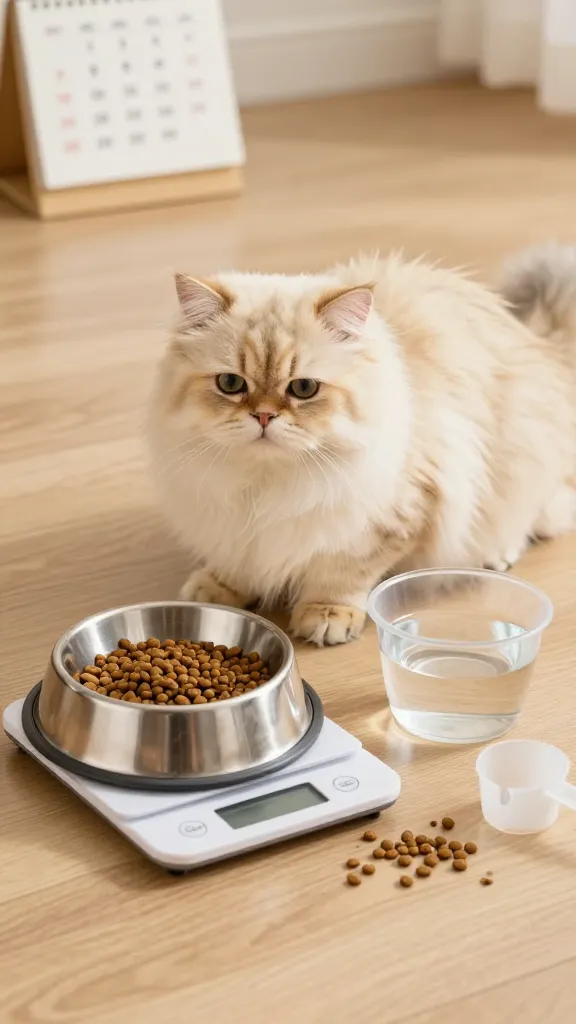
Overfeeding is a trap, especially with a sedate Persian who lounges like a small weather system. Proper portions prevent weight gain and reduce GI stress. Consider meals that fit a cat’s active windows, not just the clock.
Practical approach
- Follow feeding guidelines on the label, then adjust for your cat’s age and activity
- Use a measured scoop to avoid eyeballing excess
- Split daily calories into 2–3 meals to mimic natural grazing
Observe your cat’s body condition and adjust as needed. When you see a healthier waistline and more energy, you’ll thank yourself for the discipline.
5. Introduce Hydration Hacks That Actually Work
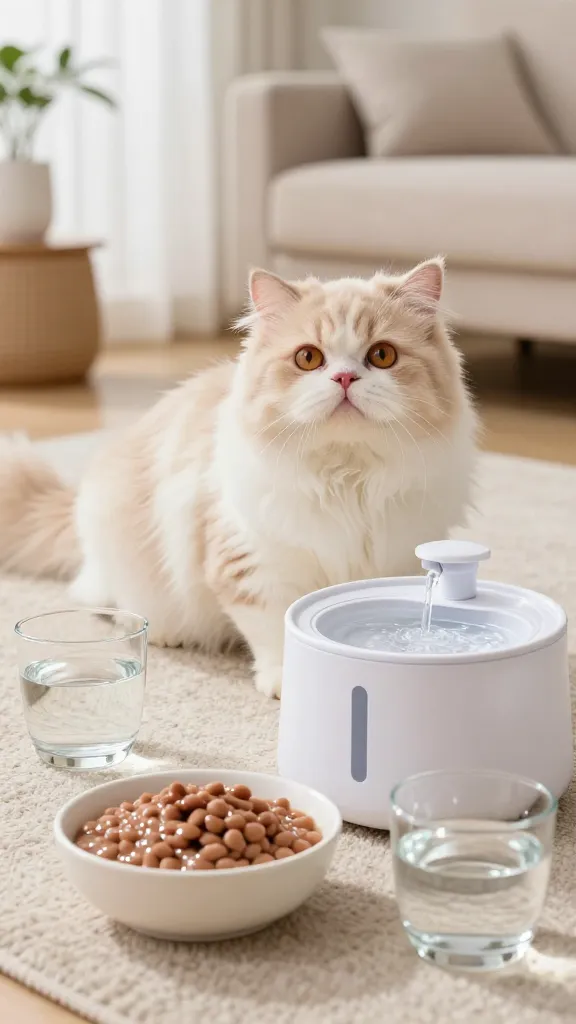
Persians are big on lounging, but hydration still matters. They often under-consume water, which can lead to urinary issues. A mix of wet food, water bowls in multiple locations, and even a pet fountain keeps hydration high and spirits higher.
Hydration tips
- Offer high-moisture wet food alongside dry kibble
- Provide fresh water daily and a fountain they’ll actually use
- Consider adding broth water (unsalted, no onions/garlic) for variety
Better hydration translates into shinier fur, better digestion, and fewer mysterious vet visits. If your cat loves a particular water source, lean into it and make it a snack-time ritual.
6. Establish a Gentle Transition Plan for New Foods
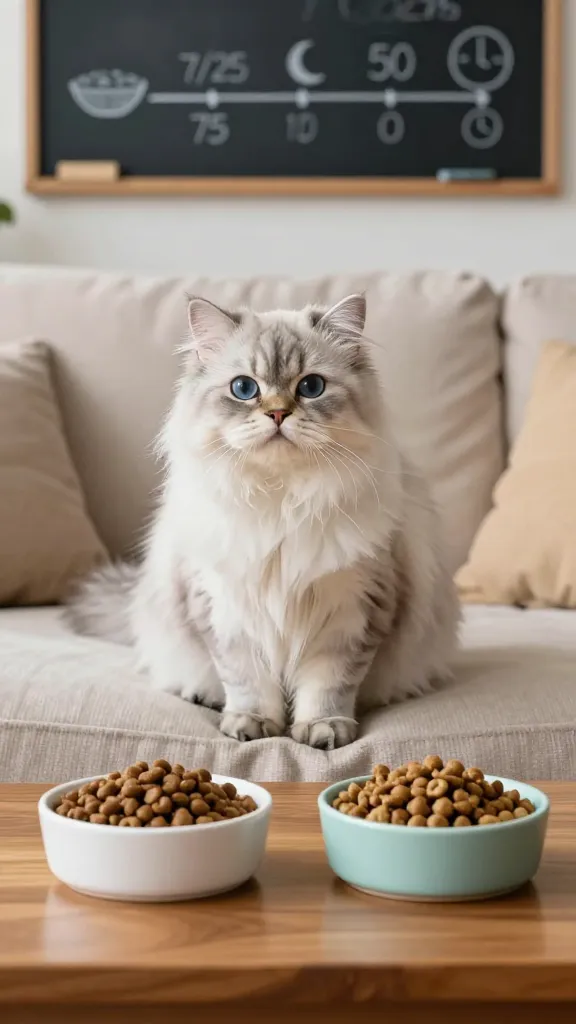
Change is hard on a Persian’s delicate system, so plan transitions with care. A calm, gradual switch minimizes GI stress and reduces the dreaded “couch-atosis” mood when mealtime changes happen.
Transition steps
- Start with 75% current food and 25% new food for 3–5 days
- Move to 50/50 for another 3–5 days, watching for GI signs
- Finish with 100% new formula while monitoring appetite and stool quality
Benefits of a smart transition: less refusal, steadier digestion, and a smoother daily routine. IMO, patience pays off with a very grateful cat—plus a calmer household during supper prep.
Ready to put these tips into action? Your Persian will thank you with purrs, a plush coat, and energy to spare. FYI, small, consistent changes beat big overhauls any day, and you’ll love the results.