6 Poodle Puppy Training Tips for New Owners
Ready to unlock a well-behaved poodle puppy without losing your mind? These six tips are practical, doable, and sprinkled with personality. FYI, you’ll see quick wins if you stick with them—trust me.
1. Nail Down a Routine Your Pooch Can Trust
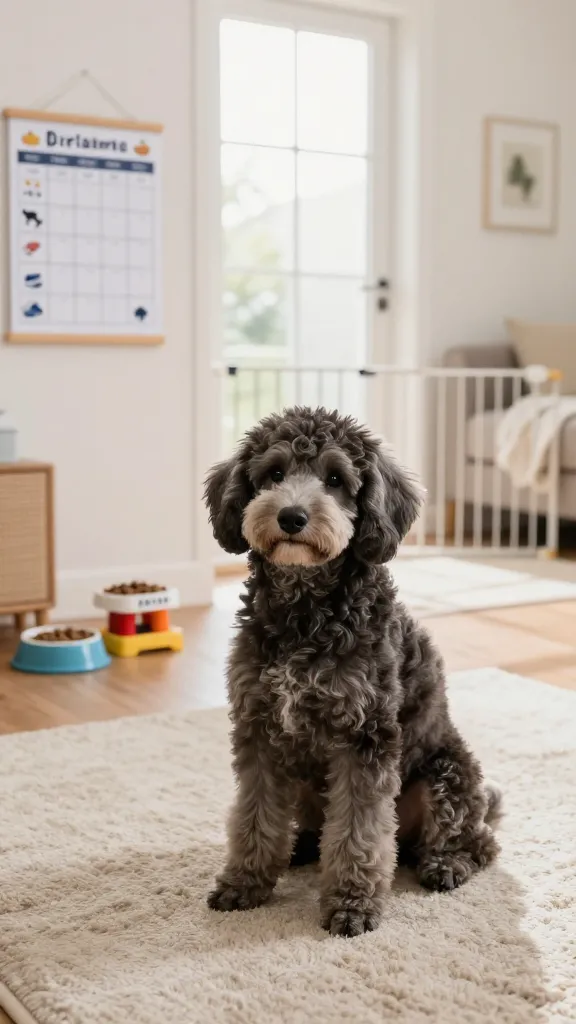
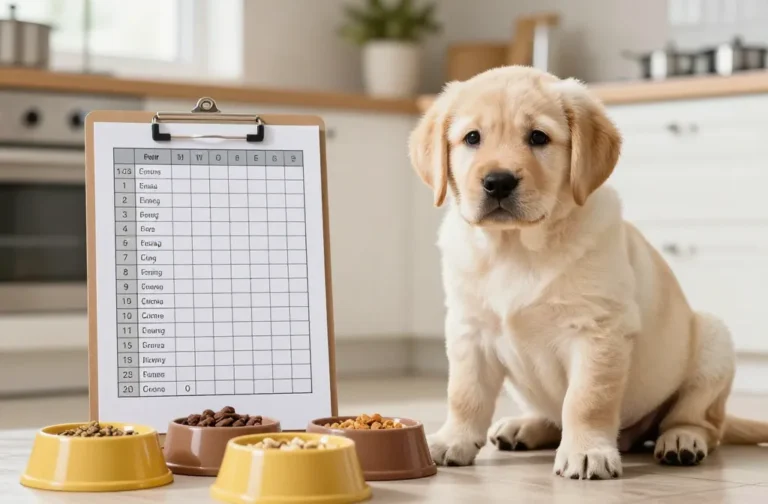
A predictable schedule helps a fluffy brains-on-a-dog settle faster. Poodles thrive on consistency, so start with meals, potty breaks, play, and naps at roughly the same times each day. No drama, just rhythm.
Why it works
When a puppy knows what to expect, they worry less and focus more during training sessions. A steady routine also helps you anticipate needs and prevent accidents.
- Feedings at set times
- Regular potty breaks (including after naps)
- Short, focused training sessions
Benefits: fewer accidents, faster learning, calmer evenings. When to use: every day, especially during the first 8–12 weeks.
2. Create a Safe, Puppy-Friendly Training Space
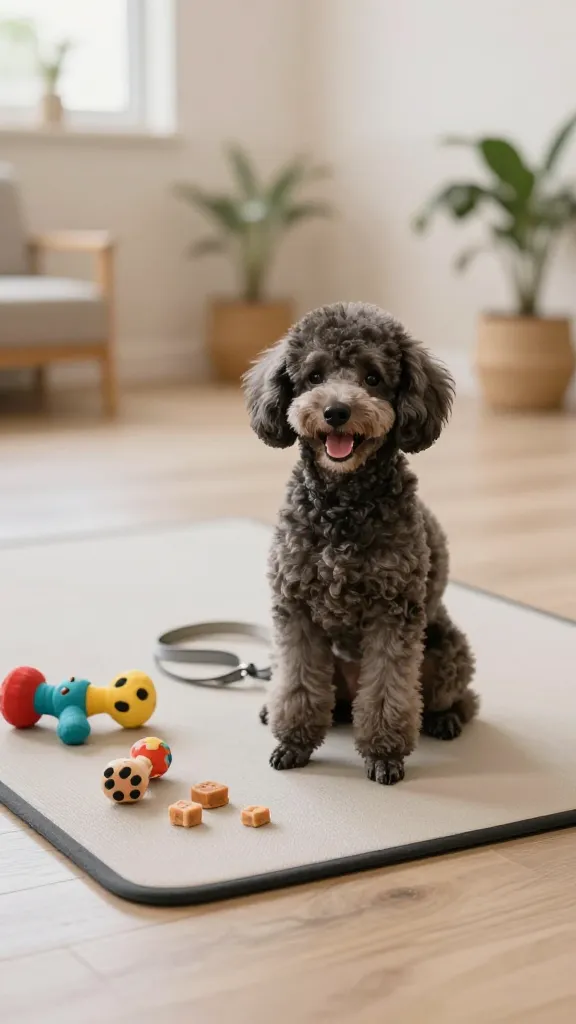
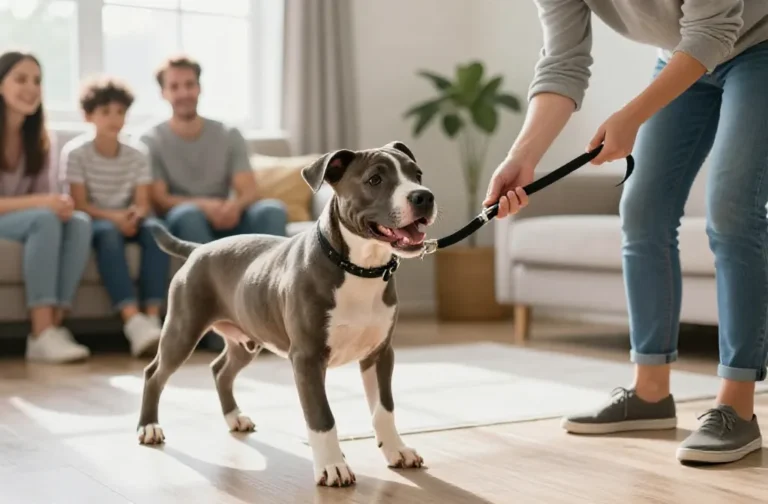
Set up a little zone that’s all yours—paws and all. A dedicated training area keeps distractions low and focus high. Think: a small mat, a few tasty treats, and a happy, calm vibe.
What to include
- Non-slip mat or small training area
- Low-distraction toys and treats
- A leash handy for quick sessions
Why bother? A controlled space makes commands pop and reduces the urge to practice in chaos. Use this area for 5–10 minute sessions several times a day. You’ll thank me later when your pup actually looks at you during sit-stay.
3. Master the 3 Core Commands Early (Sit, Stay, Come)
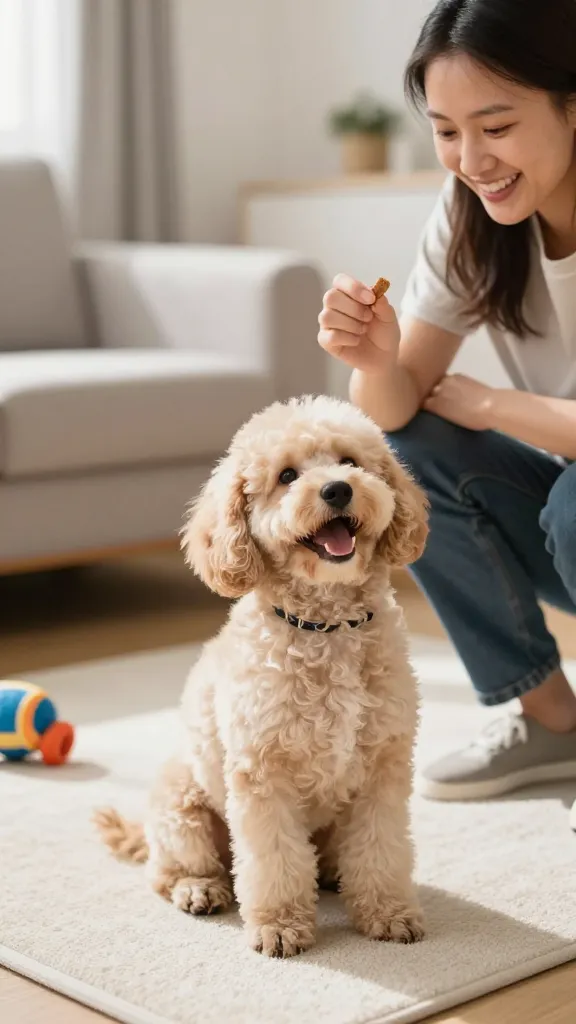
Think of these as your puppy’s social passport. Short, positive sessions set the foundation for reliable obedience forever. Yes, you can do this—one tiny step at a time.
How to train quickly
- Keep sessions 3–5 minutes long
- Use high-value treats your pup loves
- End on a high note with a success
Key points: reward immediately, speak in a happy tone, and smile at your puppy’s tiny victories. If they wander off, calmly bring them back and try again. The goal is consistency, not perfection. Seriously, progress beats perfection any day.
4. Socialization That Feels Like Playground Time
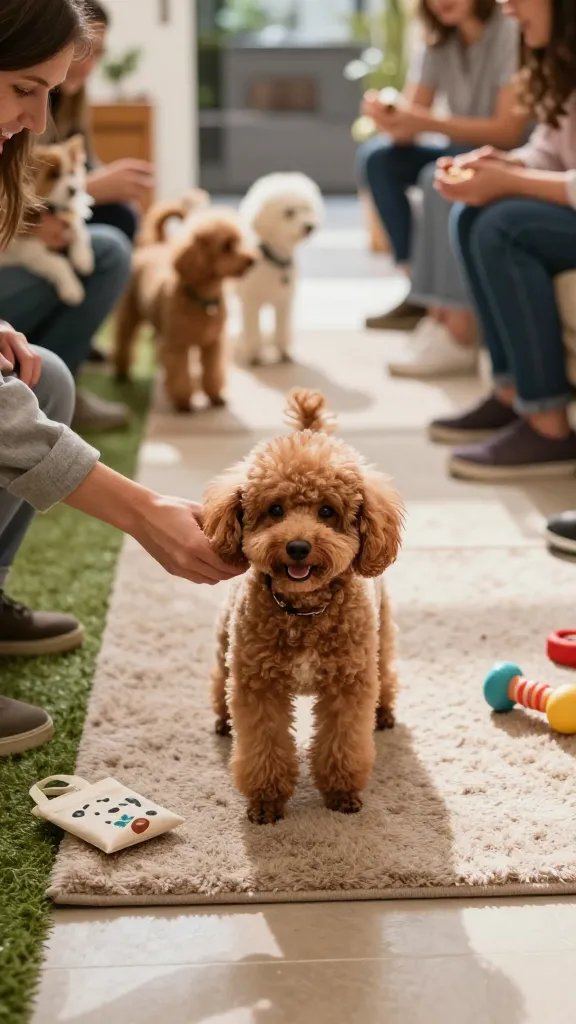
Socialization isn’t just a buzzword; it shapes a confident, friendly poodle. Expose your pup to new people, surfaces, sounds, and environments in bite-sized, positive experiences.
Practical socialization plan
- Short, supervised meetups with calm dogs
- Walks on varied surfaces (grass, carpet, tiles)
- Gentle handling: paws, ears, mouth, tail
Benefits: less fear, more curiosity, fewer surprises at the vet. Use subtle rewards for calm behavior and never push a puppy into a scary situation. If they look overwhelmed, switch to a quiet corner and try again later. IMO, bite-sized exposure beats marathon sessions any day.
5. Positive Reinforcement Is Your Best Friend
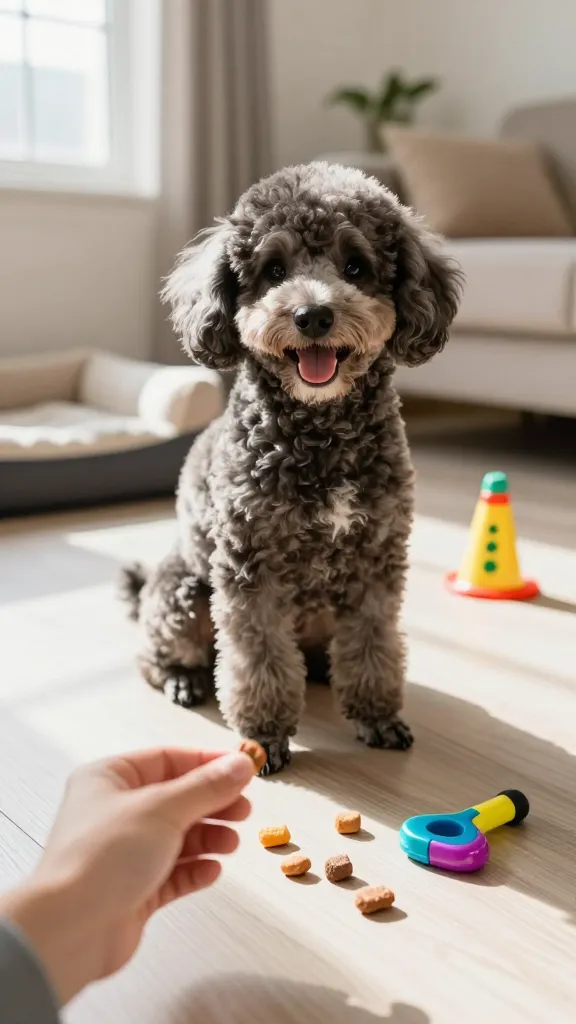
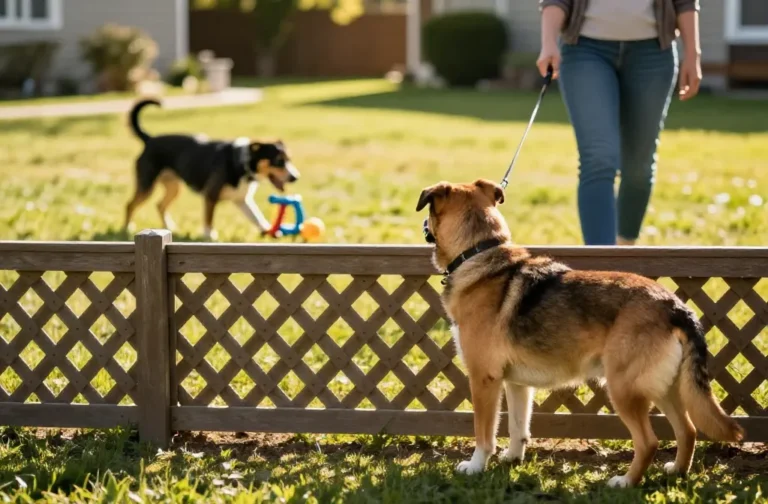
Poodles respond incredibly well to positive vibes and tasty incentives. Ditch punishment and lean into praise, treats, and play to reinforce the right moves.
Tips for top-notch reinforcement
- Offer treats within 1–2 seconds of the behavior
- Vary rewards to keep training exciting
- Pair commands with a cue word and a smile
FYI, consistency is king. If you mix up cues or accidentally reward the wrong moment, confusion can creep in. Trust me, you’ll end up with a much happier, more confident pup when training feels like a game instead of a drill.
6. Create Boundaries Without Snapping: Crate, Playpen, and Time-Outs
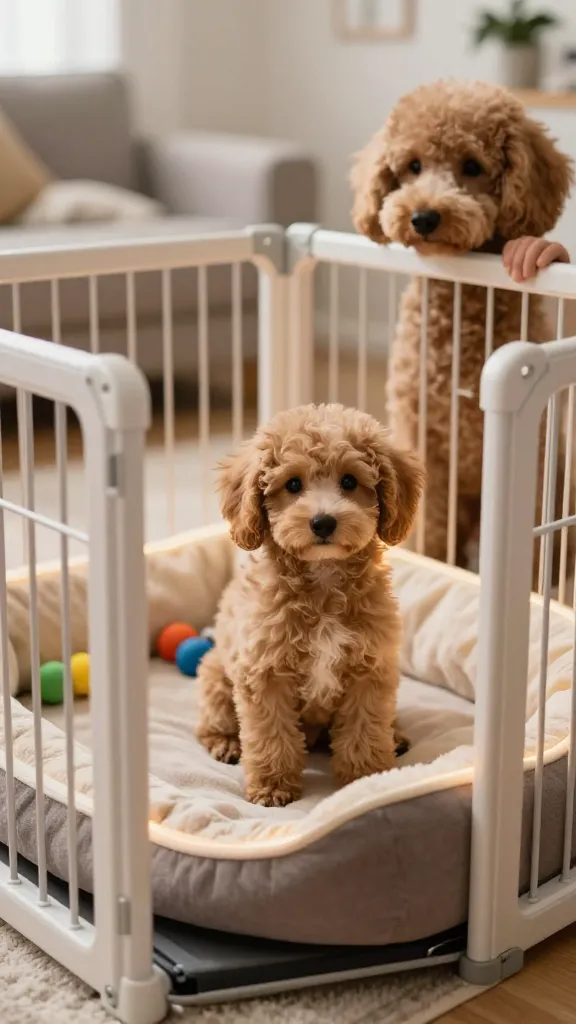
Boundaries protect your furniture and your puppy’s safety while teaching self-control. A crate or playpen offers a safe space, and gentle time-outs can calm overexcited moments without drama.
Smart setup and guidelines
- Crate should feel like a cozy den, not a jail
- Use playpen boundaries for play and rest separation
- Time-outs: a brief, calm pause away from the trigger
End note: these tools aren’t punitive; they’re teaching aids. The goal is to help your puppy learn to self-regulate, which pays off big in real-life situations like guests coming over or weather-induced zoomies. When used consistently, you’ll see fewer yappy bursts and more settled snuggles.
In the end, these six tips are your starter kit for raising a confident, well-mannered poodle puppy. Start small, stay consistent, and grade yourself on progress, not perfection. You’ve got this—your future dog-walking, couch-snuggling life is about to get a whole lot smoother. Seriously, give it a week and you’ll wonder how you ever trained any other way.
Ready to dive in? Grab your treats, set up your training nook, and go at your pace. You’ll be amazed at how quickly a little steady effort pays off, and your pup will adore the attention you’re giving them. Here’s to happy training and even happier naps after a successful session!