6 Tips for a Cat Not Using the Litter Box
If your feline buddy has decided the litter box is optional, you’re not alone. These six tips are doable, friendly, and oddly empowering. FYI, you’ll both feel a little like a detective solving the mystery of Mikey’s messy behavior.
1. Re-Think the Location Like a Pro
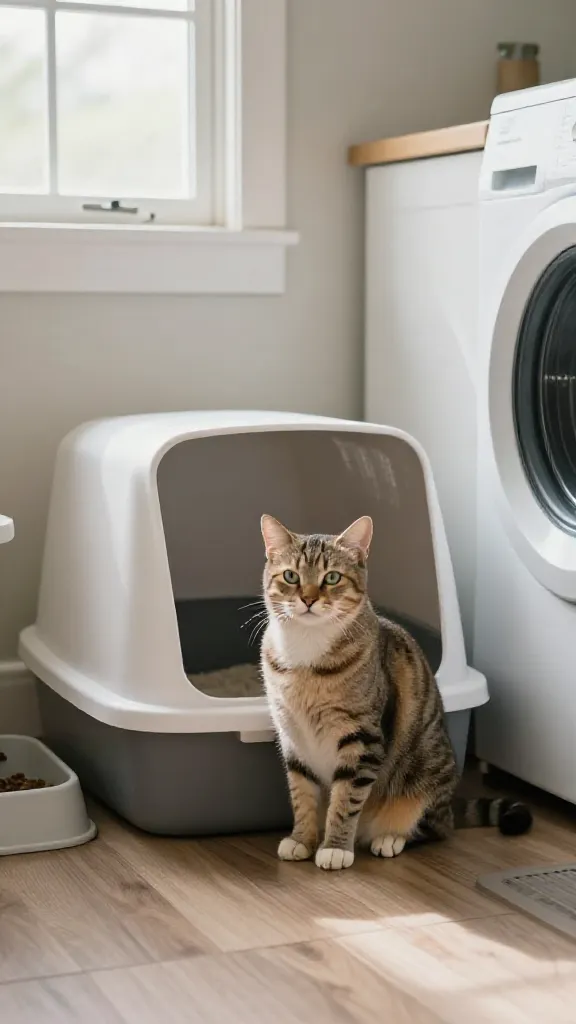
Where you place the box matters more than you might think. A strategic spot can turn a stubborn litter box evader into a predictable routine.
Start by evaluating factors that make or break litter habits:
- Privacy vs. nearby noise
- Accessibility for senior cats or those with mobility issues
- Proximity to food and water (keep them separate)
Try placing the box in a quiet, low-traffic area and away from the dryer vent or garage door where abrupt sounds scare your cat away. If you’ve got multiple cats, consider a second box in a separate area. Trust me, this simple shift can reduce accidents dramatically.
2. Choose a Box That Feels Like Home
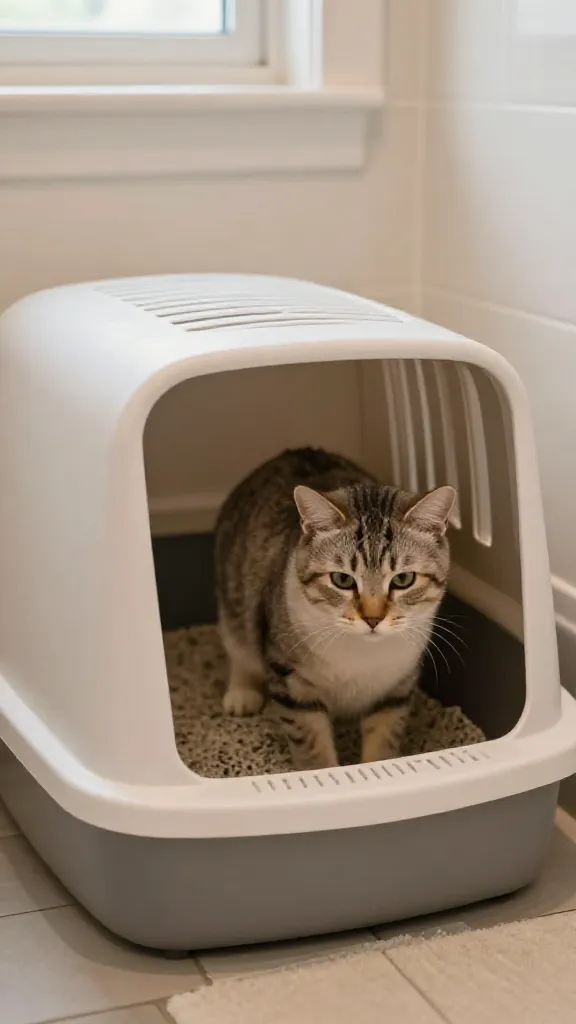
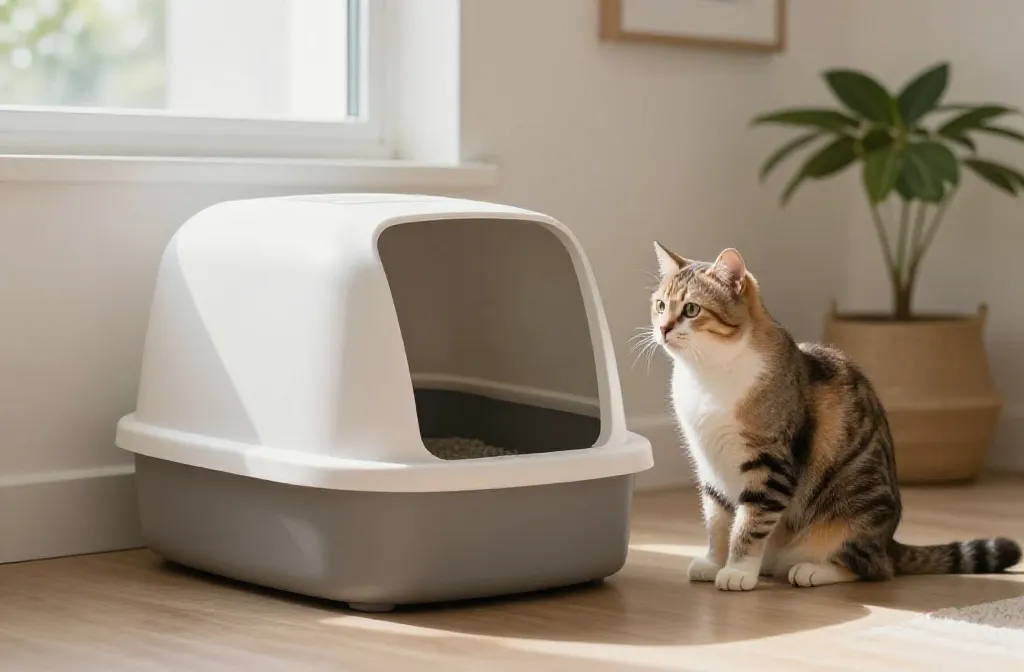
A box that’s too small, covered in a way that traps smells, or hard to enter can turn litter time into a battle. Make it inviting and easy to use.
Key improvements to consider:
- Opt for a roomy, open-front box rather than a high-sided, claustrophobic one
- Try a litter with a mild scent or unscented option to avoid overwhelming sensitive noses
- Use a tray liner and a shallow depth for easier digging
When your cat feels comfortable, they’ll start using it consistently. If you hear digging but no use, switch back to an open design and a more forgiving surface. Seriously, small tweaks go a long way.
3. Cleanliness isn’t optional—it’s mandatory
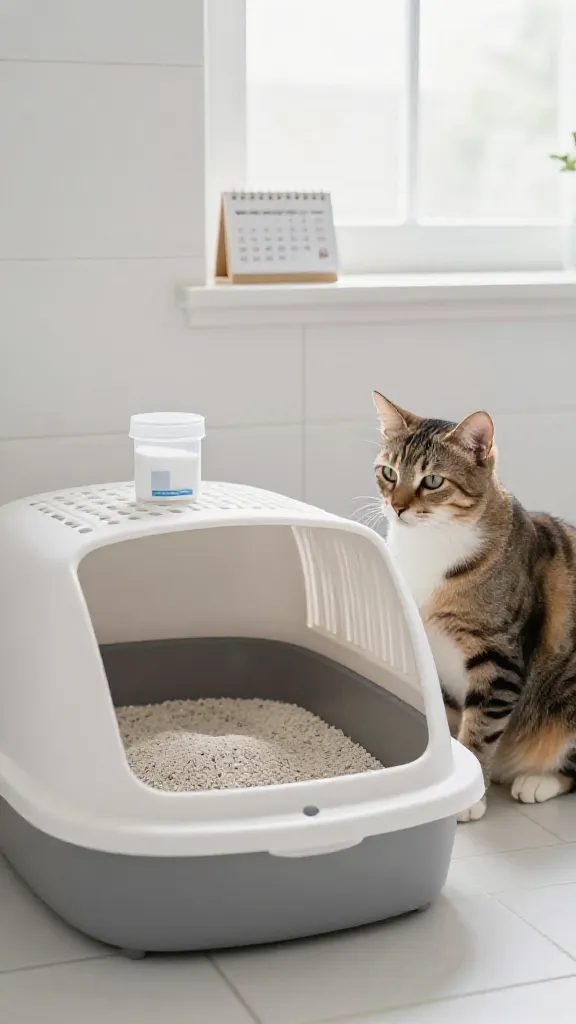
Cats are dramatic about smells, and a dirty box equals a dramatic exodus to the carpet. Regular, thorough cleaning keeps peace in the realm.
Make a schedule that sticks:
- Scooping at least once daily
- Completely washing the box with mild soap every week
- Replacing litter entirely every week or two, depending on usage
FYI, keeping litter at a consistent depth helps—too deep can deter use, too shallow invites mess. A dab of baking soda on the bottom can help with odors, but don’t overdo it. Trust me, the box that stays pristine is the box your cat will use without drama.
4. Make Training Feel Like a Game
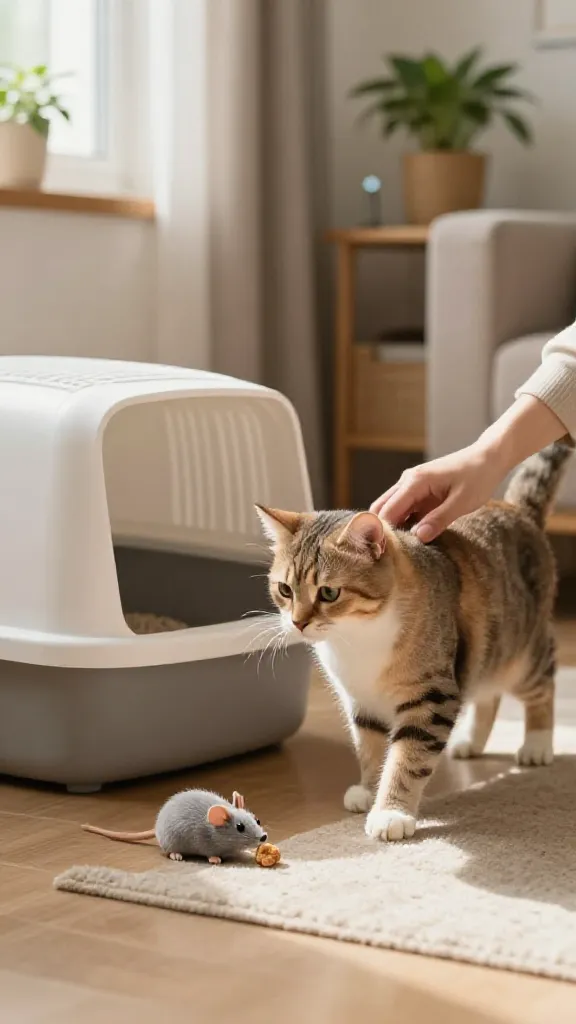
If your cat is stubborn or new to the household, you can encourage use through positive associations rather than punishment. Cats respond to rewards and playtime almost as much as tuna.
Try these playful strategies:
- Place a favorite toy or treat near the box after a successful use
- Gently guide timid cats toward the box during peak elimination times
- Use a clicker or verbal praise when the cat shows interest
By turning elimination into a positive experience, you’ll reduce fear-based avoidance. I’ve seen shy cats start approaching the box within days when the routine feels like a mini-game.
5. Rule Out Health Issues Without Drama
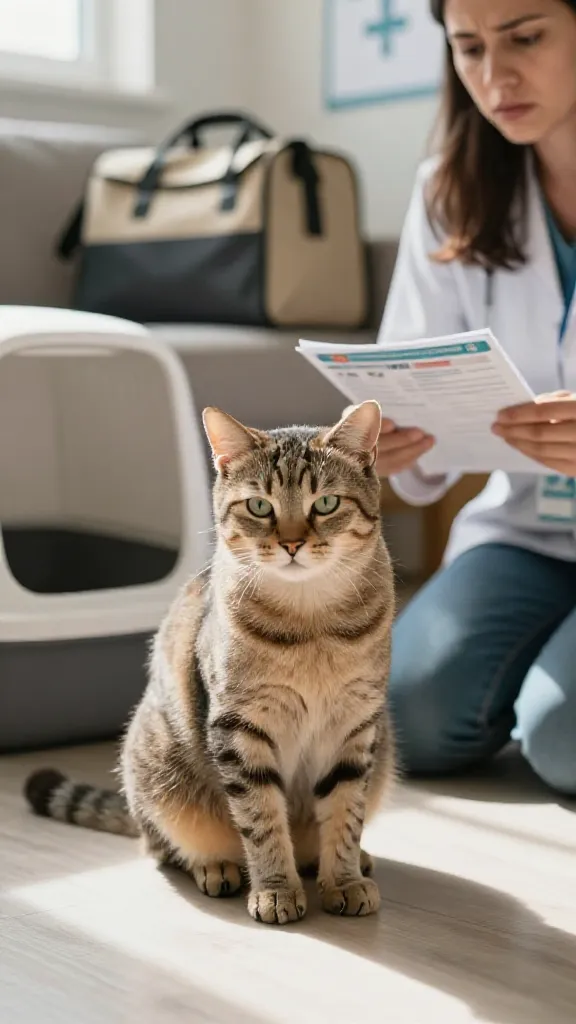
Sometimes the litter drama hides something bigger: a health problem. Painful urination, constipation, or urinary crystals can make using the box painful or impossible.
Check for red flags and don’t delay:
- Signs of pain when climbing in or out of the box
- Changes in urination frequency or color
- Sudden preference for the outdoors or other odd spots to go
If anything seems off, schedule a vet visit promptly. A quick check can save you weeks of cleaning and distress. Seriously, your cat will thank you with calmer behavior and fewer accidents.
6. Use a Multi-Censory Approach for Busy Households
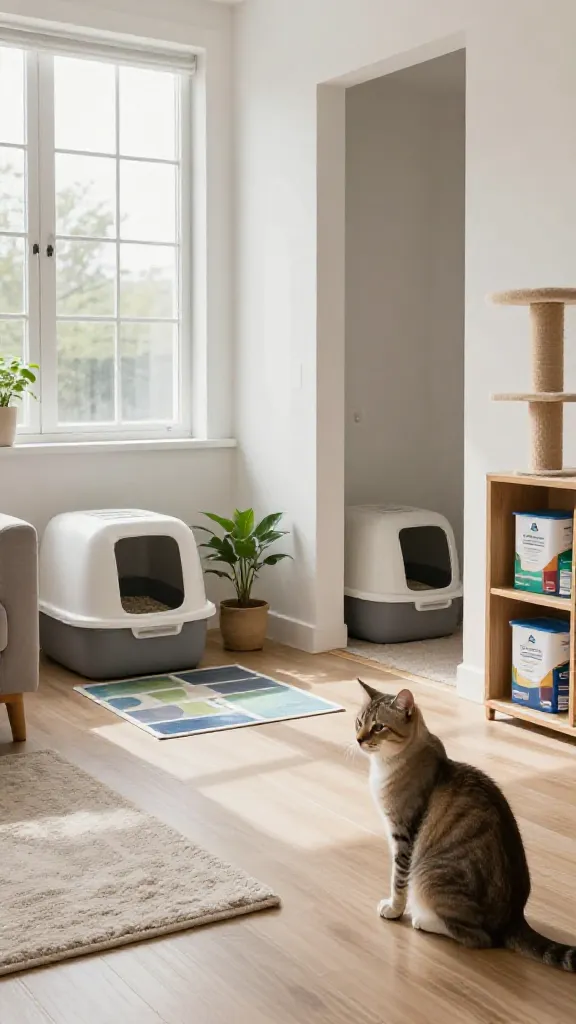
If your home hosts multiple cats, visitors, or loud sessions, a single box often isn’t enough. Create a calm zoning plan that makes litter time predictable for everyone.
Here’s how to implement a system that actually sticks:
- Install at least two boxes in different areas of the house
- Consider vertical space or corner setups to maximize access
- Label zones with simple cues (like a small mat or rug) so everyone understands the routine
Having dedicated boxes reduces crowding, lowers stress, and boosts the odds that your cat chooses the box. When life gets chaotic, a calm, predictable routine wins. IMO, it’s the secret sauce that keeps the peace between you and your feline coworker.
With these six practical steps, you’ll reclaim clean floors and a happier cat. The goal isn’t perfection, just consistency and a dash of fun along the way. Trust me, you’ve got this, and your cat might even start inviting you to the litter box party.
Good luck, and remember: a little patience goes a long way. You’re solving a mystery, one scoop at a time.