
6 Ways to Stop Cat Biting at Home From Home Play to Peaceful Purrs
Let’s cut to the chase: cat bites are a signal, not a personality trait. These six friendly, practical steps will help you curb biting, keep paws gentle, and actually enjoy cuddle time again. FYI, you’ve got this—your whiskered roommate just needs the right routine.
1. Redirect the Play Aggression with Safe Toys

When your cat bites during play, you’re cheering for a faster zoomies GIF in real life. The trick is to give them a dedicated outlet that satisfies their predator instincts without chewing on you.
Your plan, in short:
– Replace hands with a proper toy
– Use interactive play sessions that mimic hunting
– End on a calm note to reinforce good behavior
Key Elements:
- Durable wand toys with feathers or bells
- Interactive puzzle feeders for mental stimulation
- Short, high-energy sessions (5–10 minutes)
Pro move: always end a session with a calm cooldown, not a chase. This makes biting less exciting and more optional. Trust me, your arms will thank you.
2. Set Clear Boundaries with Gentle, Consistent Signals

Biting often comes from mixed messages. You want affection, your cat wants control. Create predictable routines and signals to reduce stress and zero in on calm cuddles.
<pWhat to do:
– Define a hands-off rule during petting thresholds
– Use a specific cue to end play or petting
– Maintain the same tone and body language every time
Tips:
- If your cat bites during petting, gently stop and walk away for a minute
- Offer a favorite toy instead of your skin
- Use a soft, high-pitched no when stopping play
End result: fewer bites, more consistent bonding. You’ll notice a calmer cat who actually seeks your lap instead of your nerves.
3. Create a Bite-Free Environment with Enrichment Corners
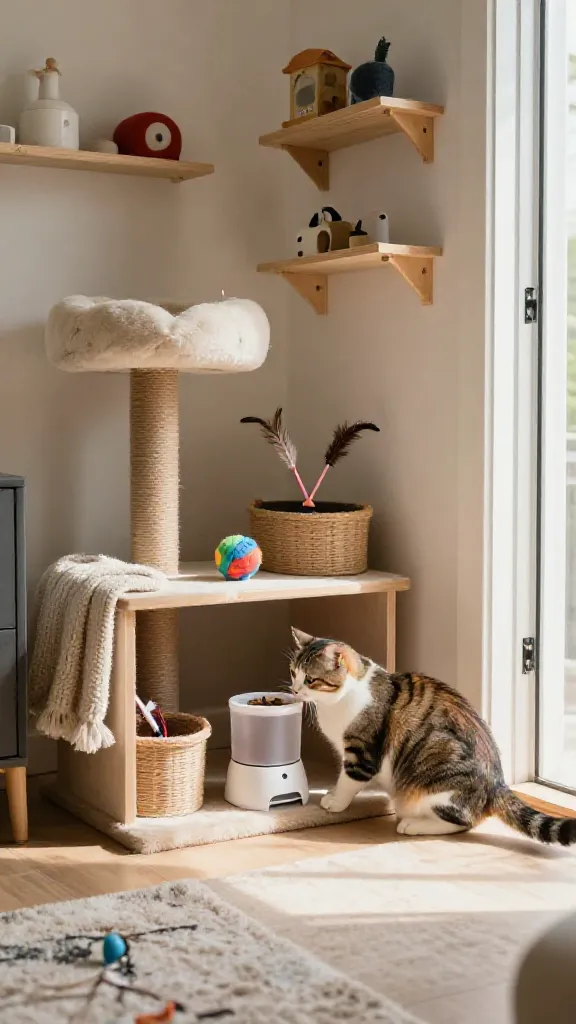
Cats bite when they’re bored or overstimulated. Build bite-free zones where they can entertain themselves and decompress away from people. It’s like giving them a spa day every day, minus the cucumber.
<pWhat to include:
– Perches, cat trees, and window spots
– Scratching posts and toy baskets
– Hiding spots or cardboard caloric-free zones
Quick Setup:
- Place enrichment zones in multiple rooms
- Rotate toys weekly to maintain interest
- Offer cat-safe treats in puzzle feeders
Benefits: reduced boredom biting, better concentration, and happier, more independent cats. Seriously, enrichment is a game-changer.
4. Nail the Nail Care and Health Check Routine
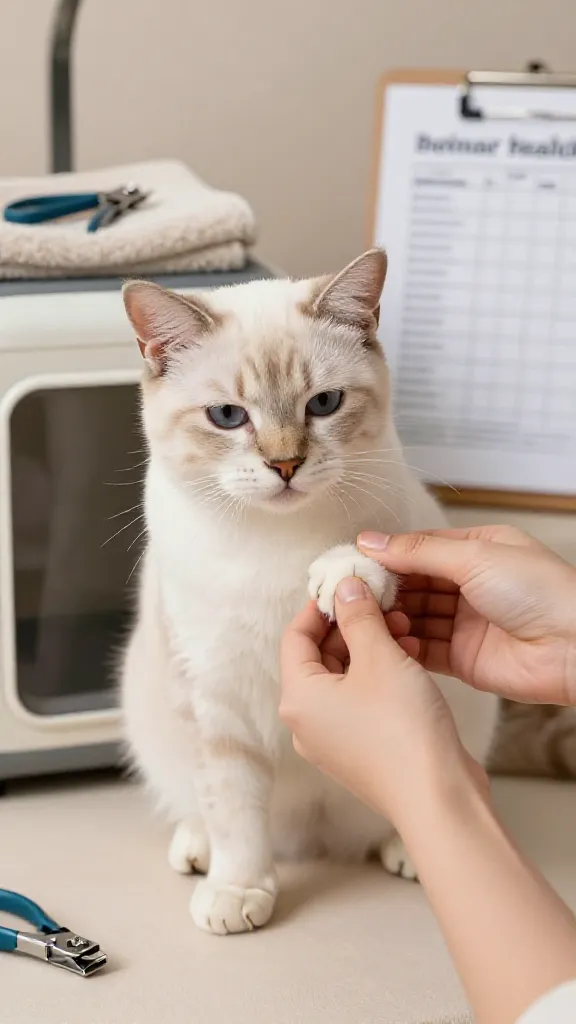
Nails out, bites down—sometimes biting is a defensive reflex from sharp claws. Regular nail trims and health checks can soften the bitey moments and keep your cat comfy.
<pWhy it’s awesome:
– Prevents accidental scratches during play
– Keeps nails from snagging skin during cuddle sessions
– Gives you a chance to notice skin issues or picky preferences
What to Do:
- Trim nails every 2–3 weeks with kitten-safe clippers
- Gently handle paws during calm moments to reduce stress
- Schedule annual vet checks for skin or dental problems
End note: a well-groomed cat is a relaxed cat, and relaxed cats bite less. FYI, early grooming habits pay off big time later.
5. Use Positive Reinforcement to Build Trust

Biting often ties back to how you reward behavior. Shift the reinforcement to the good stuff and your cat will happily trade nips for treats, praise, and affection.
<pHow to leverage it:
– Reward gentle pawing or calm kneading with treats
– Celebrate slow blinks and lounging near you
– Ignore or redirect rough play, then reward calm behavior
Methods to Try:
- Clicker training for bite-free commands
- Short training bursts after meals when energy is high
- Consistent praise in a soft voice during peaceful moments
Benefits: clearer expectations and faster learning. It’s like teaching a tiny, furry roommate how to share the living room with you.
6. Create Boundaries and Boundaries Again: Time-Outs That Work

When all else fails, a well-timed timeout can reset the mood without drama. The key is a calm, quick, and non-punitive pause that teaches boundaries while preserving your relationship.
<pHow to execute effectively:
– Calmly remove yourself from the scene for 1–2 minutes
– Return later and resume with a new activity or toy
– Avoid shouting or chasing—keep it chill and consistent
Practical Notes:
- Use a separate room or quiet area as time-out space
- Always pair time-out with a positive reintroduction later
- Keep responses predictable to reduce anxiety
Outcome: your cat learns that biting ends interaction, while calm behavior earns your attention and affection. Seriously, it works when you’re consistent.
Want a quick recap? Use proper toys to redirect, set firm boundaries, enrich the environment, keep nails accessible, reinforce good behavior, and handle missteps with calm time-outs. Your arms, couch cushions, and sanity will thank you.
Ready to test these tips? Start with one or two changes tonight and add more this week. You’ve got this—your cat will thank you with softer nuzzles and way fewer nibbles. Trust me, you’ll be amazed at how quickly things improve.