7 Adult Cat Feeding Schedule Tips for Healthy Meals Habits
Okay, cat parents, listen up. A solid feeding schedule does wonders for energy, digestion, and those adorable zoomies at 3am. These tips keep meals predictable, your cat satisfied, and your sanity intact. FYI, consistency is your secret weapon.
1. Set Fixed Meal Times That Your Cat Can Count On
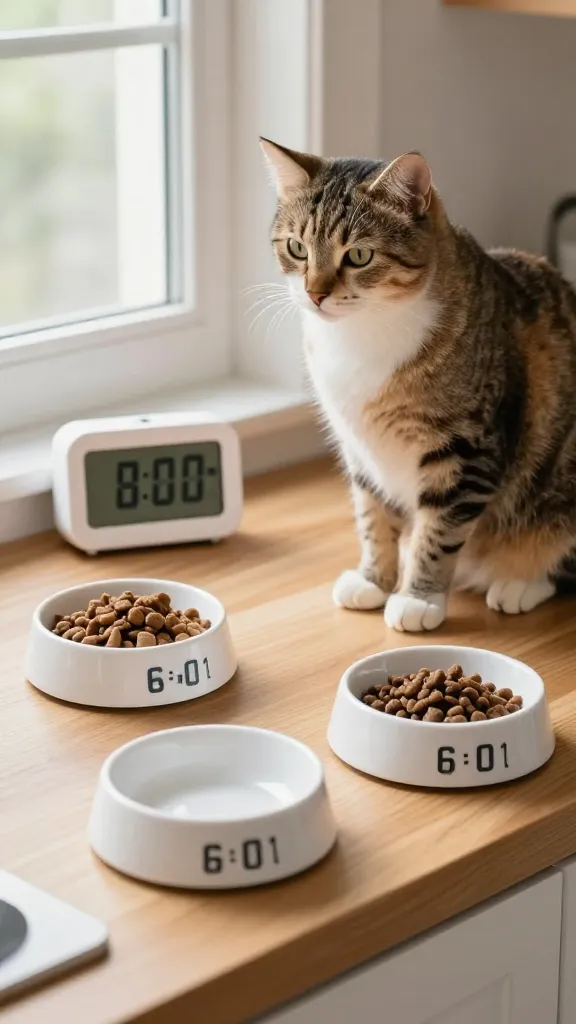
Your cat doesn’t trust an unplanned snack; they trust a routine. By offering meals at the same times every day, you reduce begging, nighttime meows, and gut drama. Seriously, consistency wins.
Two daily meals work for many adult cats. If your cat tends to eat small amounts or has a sensitive gut, consider three smaller meals. This helps prevent overeating and supports steady energy levels.
Key Points
- Choose 2–3 predictable feeding windows.
- Keep portions measured and consistent.
- Adjust for life changes (travel, work shifts) with a plan, not chaos.
Benefits: fewer begging episodes, steadier energy, and fewer digestive surprises. When to use: always. If you notice weight changes, revisit portions with your vet.
2. Measure Portions Like a Pro (No Guesswork)
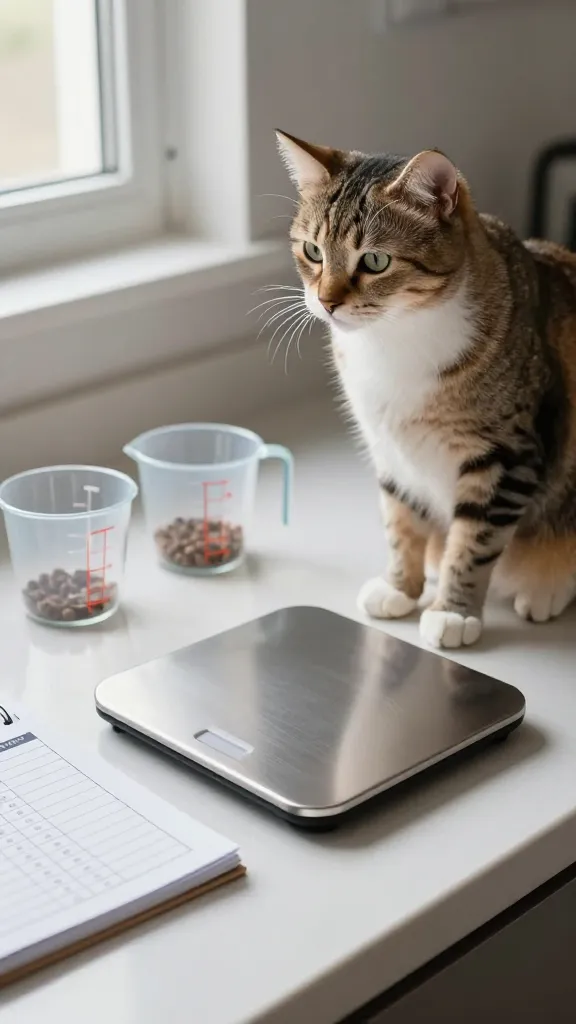
Guesstimating portions leads to weight drift and mystery puddings of cat food in the corners of your home. Measuring helps you know exactly what your cat is getting and prevents overfeeding.
Use a simple scale or measuring cups to portion out meals. Track daily intake for a week to establish a baseline. Trust me, your future self will thank you.
Tips
- Use a gram scale for precise control.
- Record portions in a notebook or app.
- Adjust gradually if your cat gains or loses weight.
Benefits: stable weight, better appetite control, and less waste around mealtime. When to use: every day, especially if your cat is picky or overweight.
3. Choose the Right Food Format for Your Cat’s Life

Food format matters as much as portion size. Some cats thrive on dry kibble, others on wet food, and many do well with a mix. Finding the right balance supports hydration and satisfaction.
Consider your cat’s age, activity level, and dental health when deciding between dry, wet, or a combination. If you’re unsure, consult your vet for a plan tailored to your feline friend.
Key Considerations
- Hydration: wet food helps with water intake.
- Dental health: kibble can provide light abrasion; don’t rely on it alone.
- Flavor variety: rotating flavors can keep meals interesting.
Benefits: improved satiety, better hydration, and fewer picky-plate snags. When to use: anytime you’re reconfiguring meals or adjusting portions.
4. Schedule Quiet, Stress-Free Mealtimes
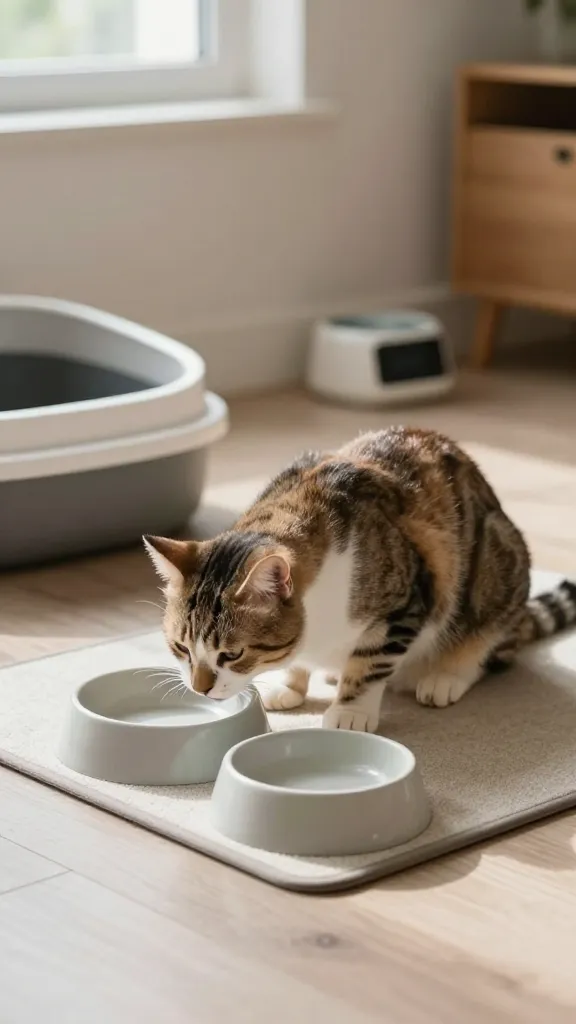
Stress disrupts appetite and digestion. A calm feeding environment helps your cat eat more efficiently and prevents post-meal chaos. Set a predictable scene and your cat will thank you with better digestion and cleaner bowls.
Create a dedicated feeding area, turn off loud distractions, and avoid rushing them through meals. A few shallow, quiet minutes can make a big difference.
Practical Setup
- Place bowls on a stable surface away from litter boxes and high-traffic zones.
- Keep a consistent, gentle routine leading up to meals.
- Offer a quick, comforting routine after meals (gentle petting, a favorite toy).
Benefits: lower stress, steadier eating, and less begging. When to use: always, especially during busy days or after changes in the household.
5. Use Smart Scheduling for Busy Weekdays and Lazy Weekends
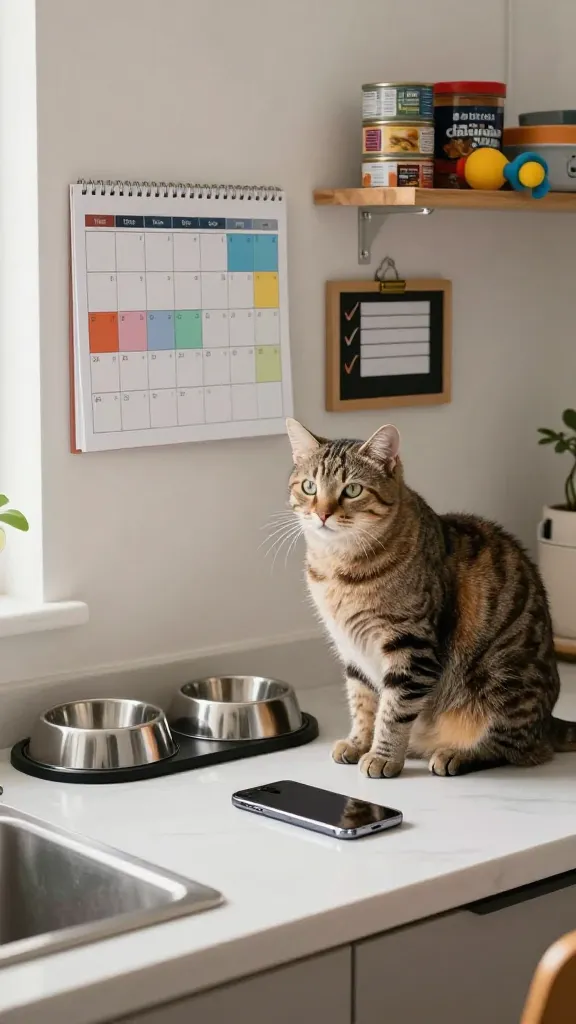
Your calendar isn’t the boss of your cat, but it can help you stay aligned. Use a weekday-weekend approach if your schedule shifts. Consistency matters, even if you occasionally mind-shift with your work hours.
Option ideas: two main meals on weekdays and a flexible third meal on weekends, or two fixed meals with one adjustable snack. The goal is predictable intake that adapts to life without inviting chaos.
Tips
- Mark meal times on your phone as reminders.
- Keep a small emergency supply of cat-safe foods for travel or busy days.
- Document any plan changes to reassess later with your vet.
Benefits: smooth schedules, easier planning, and fewer “What the heck am I feeding tonight?” moments. When to use: anytime your routine shifts, or you want to reduce meal-time stress.
6. Encourage Hydration to Support Healthy Digestion
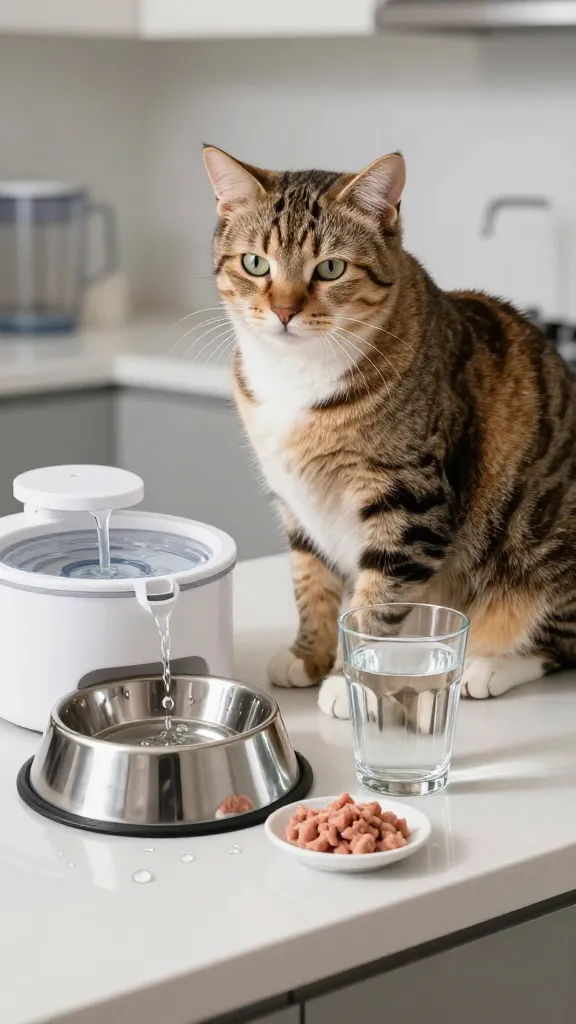
Hydration doesn’t just come from bowls; it comes from smart meal choices. Cats often under-hydrate, which can lead to urinary and digestive issues. Pair meals with hydration-friendly practices to keep things flowing smoothly.
Offer fresh water at every meal, consider a moisture-rich wet food, and explore a cat-friendly fountain if your cat enjoys running water. FYI, some cats prefer multiple water sources around the house.
Hydration Boosters
- Fresh water daily; rinse bowls to keep water appealing.
- Water-rich meals (wet food) a few times a week.
- Flavor enhancement options like low-sodium broth (cat-safe).
Benefits: better digestion, reduced risk of urinary issues, and a happier, thirst-quenching cat. When to use: always, especially if your cat isn’t drinking much.
7. Monitor Health Clues in Mealtime Behavior and Weight
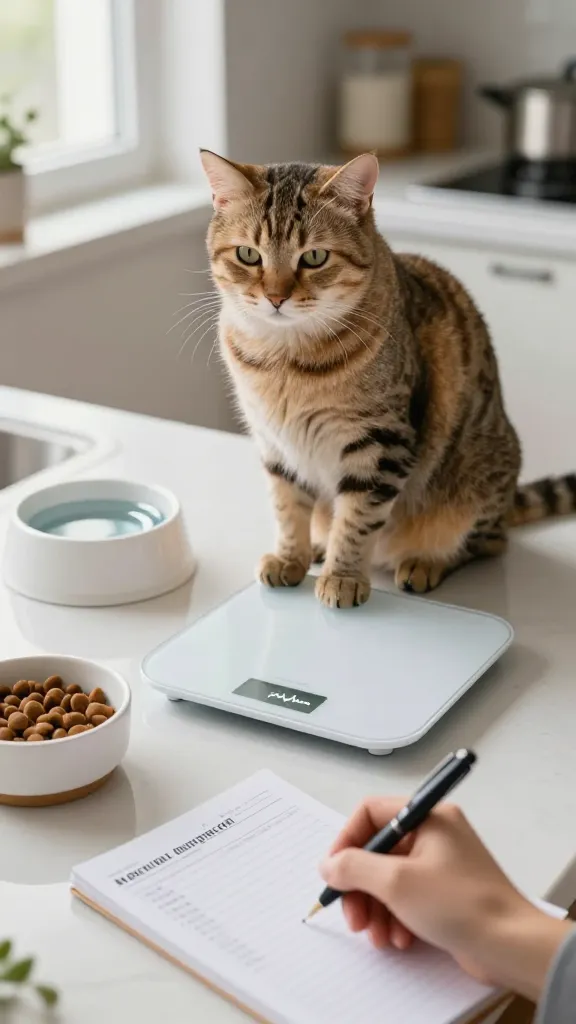
Your cat’s eating pattern can signal health shifts long before you notice obvious symptoms. Regularly track weight, appetite, and meal-time behaviors to catch issues early.
Set a monthly check-in: weigh your cat, observe appetite changes, and note any stomach upset or changes in litter box behavior. If you see red flags, consult your vet for a plan—don’t guess what to do.
What to Track
- Weight trend (monthly baseline)
- Meal-time energy and appetite
- Consistency of stools and overall digestion
Benefits: early detection of issues, better long-term health, and peace of mind. When to use: all the time; your cat’s health relies on your watchful eye.
Conclusion: You’ve got this—these seven tips create a meal rhythm that supports a healthy, happy cat and a calmer owner. Start small, stay consistent, and watch your feline thrive.