7 Cat Deterrent Indoor Tips That Actually Work: Peaceful Purr-Free Home
These tips are practical, friendly, and surprisingly effective. No gimmicks—just smart tweaks that nudge your feline roommate toward calmer habits. FYI, you’ll actually enjoy the results when your space stays peaceful.
1. Create Safe Boundaries With Scents and Surfaces

Cats are picky about what they sniff and where they step. This trick uses that to your advantage without turning your home into a minefield.
Key ideas:
- Place citrus peels or vinegar-damped cloths near problem zones for a gentle deterrent.
- Cover tempting furniture with removable, washable throws to protect surfaces while you train.
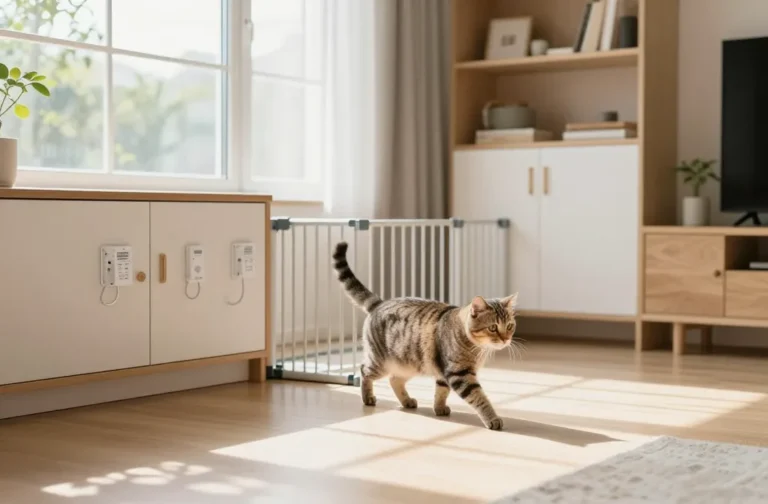
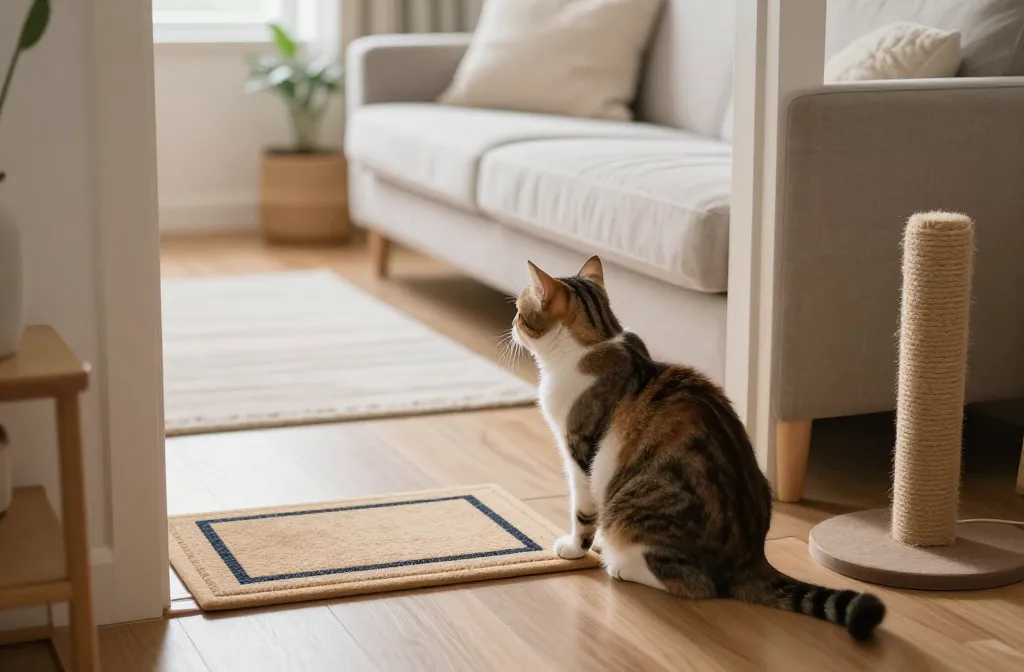
- Offer a clearly marked “no-go” zone with a mat or low barrier that’s easy for you to move.
Why this works: cats hate certain textures and smells, so they’ll redirect to permitted areas. It’s a low-effort nudge that buys you time to implement longer-term habits. Use this when guests or DIY projects leave your cat feeling stressed.
2. Invest in Smart Alternatives to Claws and Crooks
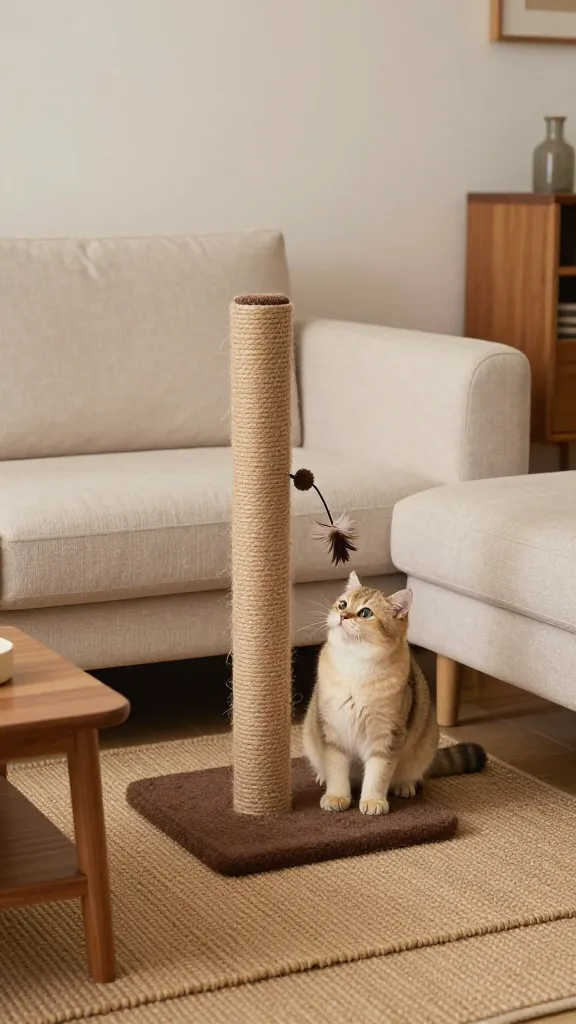
Scratch enthusiasm is real, but you don’t have to fight it. Channel that energy into better options that protect your furniture and end the scratching drama.
What to try:
- A sturdy scratching post near favorite furniture
- Horizontal sisal mats in high-traffic zones
- Interactive toys that reward problem-solving and focus
Benefits: reduces damage, keeps nails healthy, and gives your cat a sense of control. You’ll save money on replacements and still get that clean, calm living room you want.
3. Make Mysterious Corners Less Interesting

Cats love corners that feel private and exploratory. Remove the mystery, and you remove the lure.
What to do:
- Block off cluttered nooks with lightweight, retractable barriers
- Move tempting items out of reach or into sealed storage
- Use double-sided tape or aluminum foil on surfaces your cat used to haunt
End result: fewer stealthy bathroom visits, no more perched keyboard-stealing moments, and a calmer, more predictable routine for everyone. Seriously, the less mystery, the less mischief.
4. Redirect with High-Value Toys and Treats
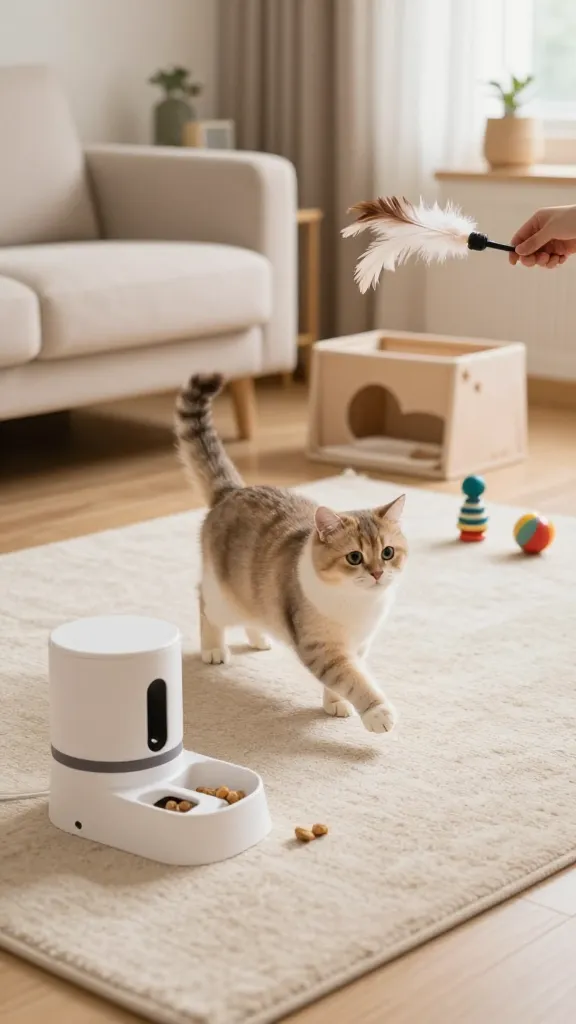
If your cat has a favorite pastime, feed or entertain it in the right spots. It’s all about rewarding good behavior and turning “bad” areas into non-events.
How to implement:
- Designate a play zone with a feather wand or puzzle feeder
- Offer treats in a separate enrichment toy away from restricted zones
- Rotate toys to keep things fresh and exciting
Tip: make the detour rewarding. When your cat willingly chooses the new zone, you’ve effectively rewritten their map of the house. Trust me, this is where you see the biggest behavioral shifts quickly.
5. Fine-Tune Lighting and Ambiance for Peaceful Paws
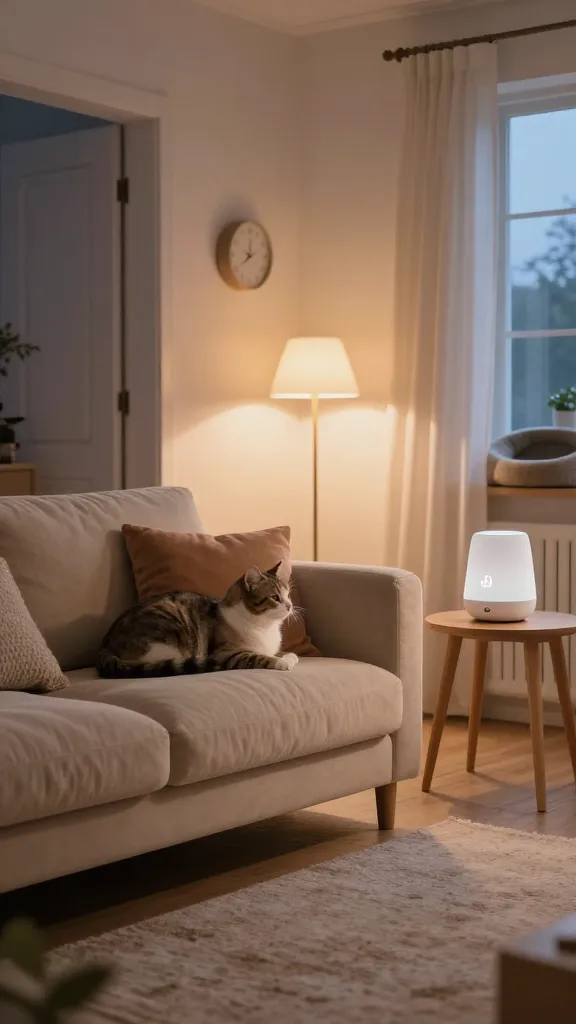
Lighting and mood aren’t just humans’ concerns—they shape how cats feel in a room. A calmer cat tends to explore less and misbehave less.
Practical steps:
- Soft night lighting in areas you want to stay calm
- A consistent day-night routine to reduce stress
- White-noise or gentle music to dampen household chaos during peak play
Why it helps: when a cat feels secure in its environment, it’s less likely to lash out or mark territory. It’s inexpensive, unobtrusive, and actually pleasant for humans too. FYI, this is a long-term payoff—hang in there.
6. Use Training Cues That Make Sense to Your Cat

Positive reinforcement in a friendly, not freak-out way, makes boundaries clear. Short sessions beat long lectures every time.
How to train smartly:
- Pair a cue (like “inside”) with a reward when your cat stays in an approved zone
- Greet desired behavior with pets and treats to reinforce it
- Ignore minor missteps—consistent responses beat scolding
Outcome: your cat learns what’s allowed and feels successful, which reduces stress-driven antics. Spoiler: you’ll feel accomplished, too. Seriously, celebrate small wins.
7. Schedule Regular Play and Enrichment Aligned With Your Cat’s Rhythm

Routines matter. A predictable day helps prevent mischief when boredom strikes.
Smart cadence:
- Two short play sessions daily, one in the morning and one in the evening
- Mix active play with quiet cuddle times to balance energy
- Switch up enrichment toys every few days to keep things fresh
Bottom line: a well-stimulated cat stays out of trouble. Plus, you get quality bonding time, which never goes out of style. Trust me, consistency is your secret weapon here.
In sum, these seven ideas work together to keep your cat calm and your home intact. You’ll save furniture, reduce stress, and enjoy more peaceful coexistence. FYI, you don’t need to implement every tip at once—pick the ones that fit your space and your cat’s personality and go from there.
Ready to try these? Start with one or two tweaks this week, then build on your success. You’ve got this, and your cat will thank you with fewer dramatic entrances and more purry contentment.