7 Tips for Dog Stealing Things Training That Actually Work
Okay, yes, dogs steal things. But what if you could channel that cheeky habit into training wins? These seven tips turn that naughtiness into smart, manageable behavior—without turning you into a drill sergeant. Let’s dive in and have some fun while we train.
1. Observe Like a Detective to Pinpoint the Hot Items
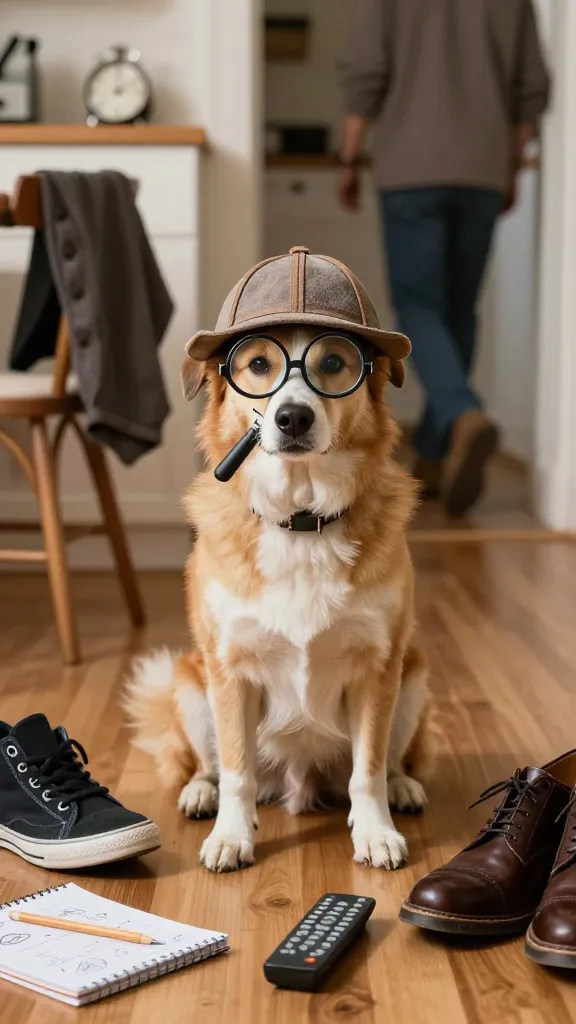
Before you can fix the stealing, you’ve gotta figure out what, when, and why. This tip helps you tailor a plan that actually sticks.
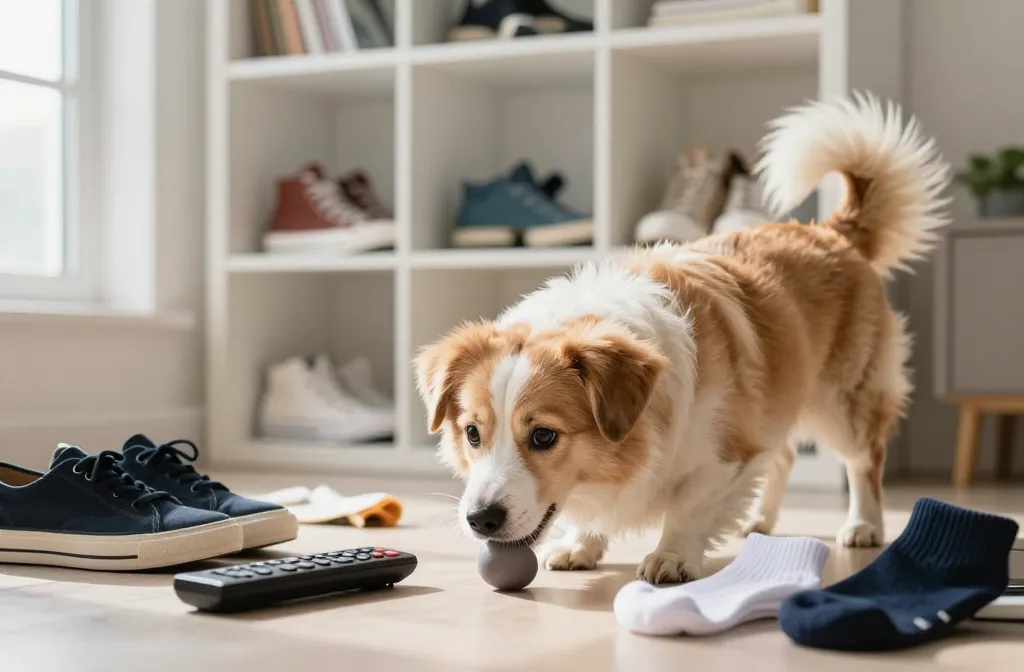
Start by watching for patterns. Do your pup’s heists happen when you’re in the kitchen, or right after you leave the room? Note the items—pants, shoes, remote controls—and the times. This isn’t about judgment; it’s biology meets psychology in a cute, fluffy package.
What to Look For:
- Time of day and routine gaps
- Locations where theft occurs
- Types of objects and their accessibility
Once you map the behavior, you’ll know exactly where to focus your training and prevention. FYI, a simple pet camera can be a lifesaver here.
2. Replace the Loot with Satisfying Alternatives
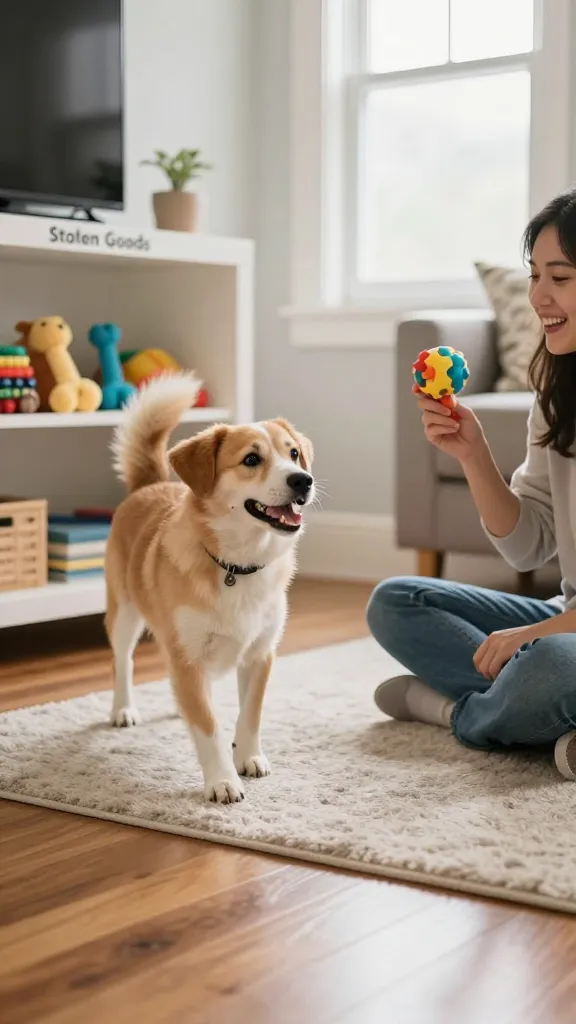
Dogs steal because they’re seeking something. A craving for scent, texture, or reward can be redirected with purpose-built substitutes.
Offer a high-value toy or chew that scratches the same itch the stolen item offers. The trick is to make the alternative irresistible and easy to access.
Tips for Effectiveness:
- Keep a dedicated “stolen good” shelf away from tempting objects
- Rotate toys so nothing becomes boring
- Include a treat-dispensing option to boost engagement
By swapping the loot for something equally rewarding, you train the brain to choose the replacement over mischief. It’s like swapping a junk snack for a tasty, healthy bite—satisfying and smart.
3. Set Clear Boundaries with Calming Barriers
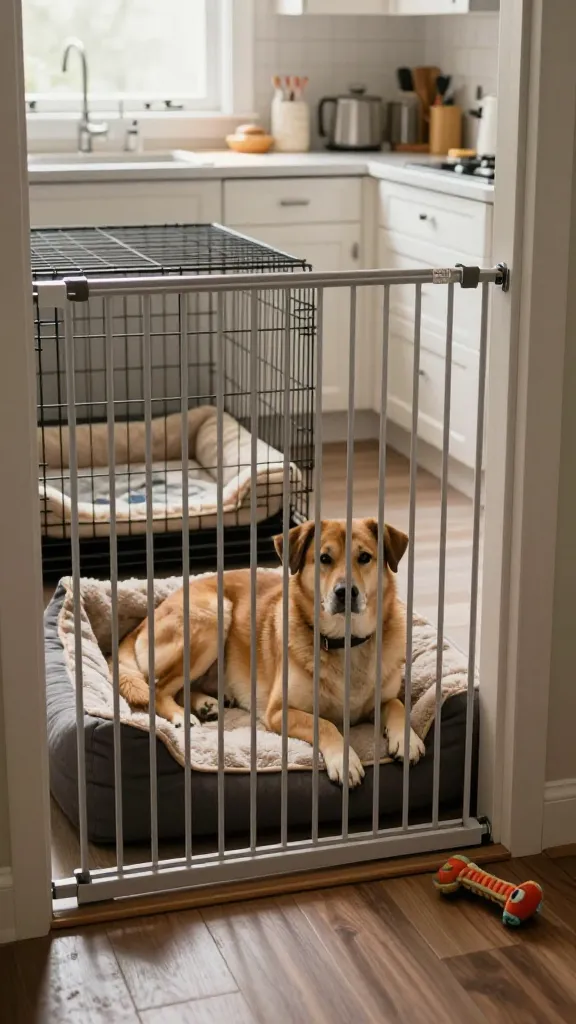
Boundaries aren’t cruel; they’re compassionate structure. When your pup knows what’s allowed, they feel safe and less compelled to test limits.
Use a combination of barriers and crate time to create a secure zone where your dog can relax without snagging items. The key is consistency and a positive association with the boundaries.
Boundary Basics:
- Door barriers or baby gates in high-risk zones
- Crate time with comfy bed during busy moments
- Consistent “leave it” practice near the boundary
End result: fewer opportunities for the crime, more confidence for your pup, and less igloo-level chaos in your living room.
4. Teach a Strong “Drop It” and “Leave It” Duo
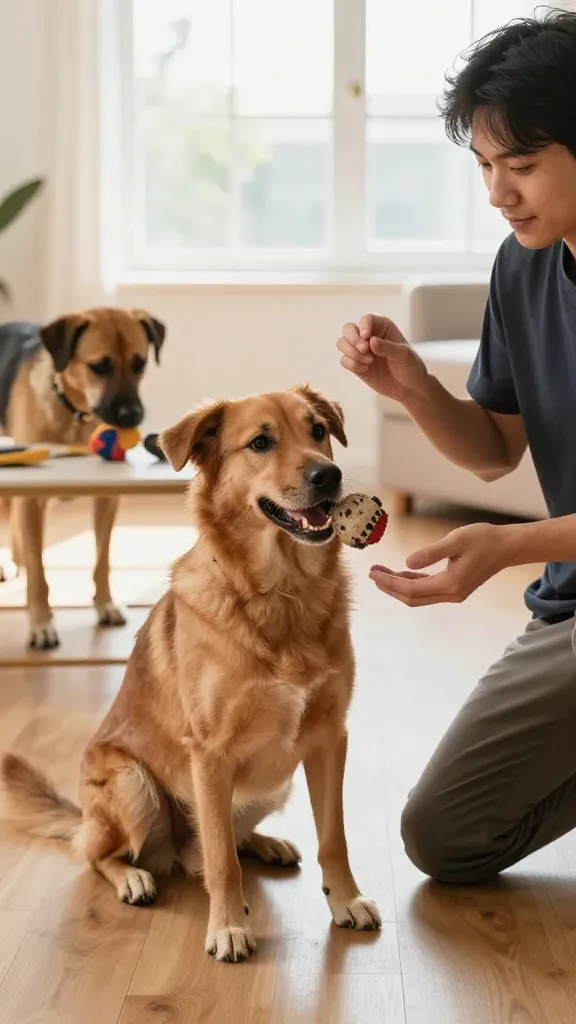
This is training 101 done right. A reliable “drop it” and “leave it” can transform daily life and, yes, curb stealing in minutes a day.
Keep sessions short, fun, and values-based. Don’t punish the object’s absence; reward the correct behavior and the dog will repeat it.
Structured Approach:
- Start with low-stakes items; reward fast returns
- Gradually increase item value to build reliability
- Pair commands with appealing rewards to boost motivation
Bonus: these skills transfer to situations beyond stealing, like surrendering a toy in playtime or handing over a prized item at the park.
5. Create a Red-Button Routine That Signals “Ownership”
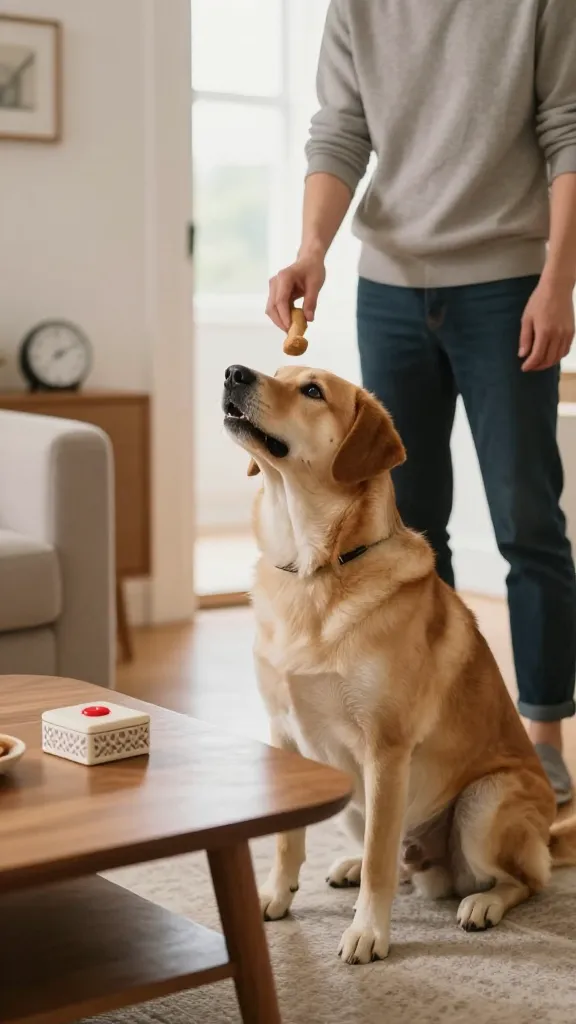
Rituals matter. A predictable sequence helps your dog know when to fetch, when to chew, and when to chill. A red-button routine reduces impulse theft by making your dog feel included and in control.
Incorporate short, repeatable steps that end with a calm, reward-filled finish. The routine should be quick enough to keep attention but long enough to cement the habit.
Sample Routine:
- Ask for a cue to check the space before you leave
- Offer a chosen toy as the “work” item for 5 minutes
- Reward calm behavior and a treat after you return
In practice, this routine helps your dog transition from a high-stakes, loot-seeking mode to a confident, predictable behavior pattern. Seriously, consistency is gold here.
6. Make the Environment a Stealth-Free Zone
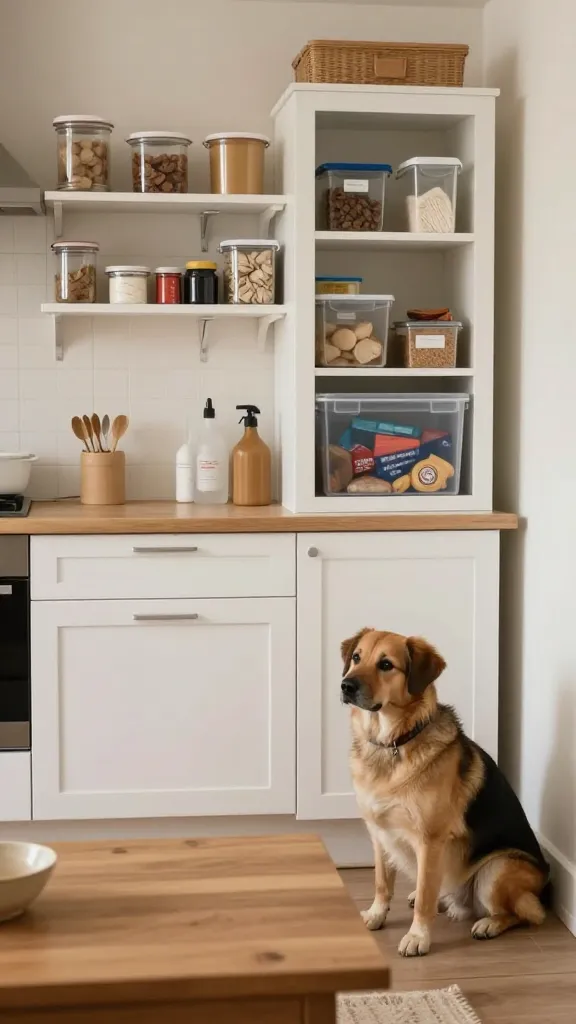
Sometimes the simplest fix is the easiest fix: tidy up, remove temptations, and reorganize your space so your dog can’t grab loot on a whim.
Think like a burglar but for good: where could a theft occur, and how can you close the doors? A clean shelf, store-away bins, and on-the-counter items kept out of reach—these little changes add up fast.
Practical Steps:
- Store valuables in closed containers or high cabinets
- Clear clutter from coffee tables and low shelves
- Use scent-blocking sprays or deterrents around favorite items
Trust me, a calmer space reduces drama and improves every other training step you take.
7. Celebrate Small Wins and Track Progress
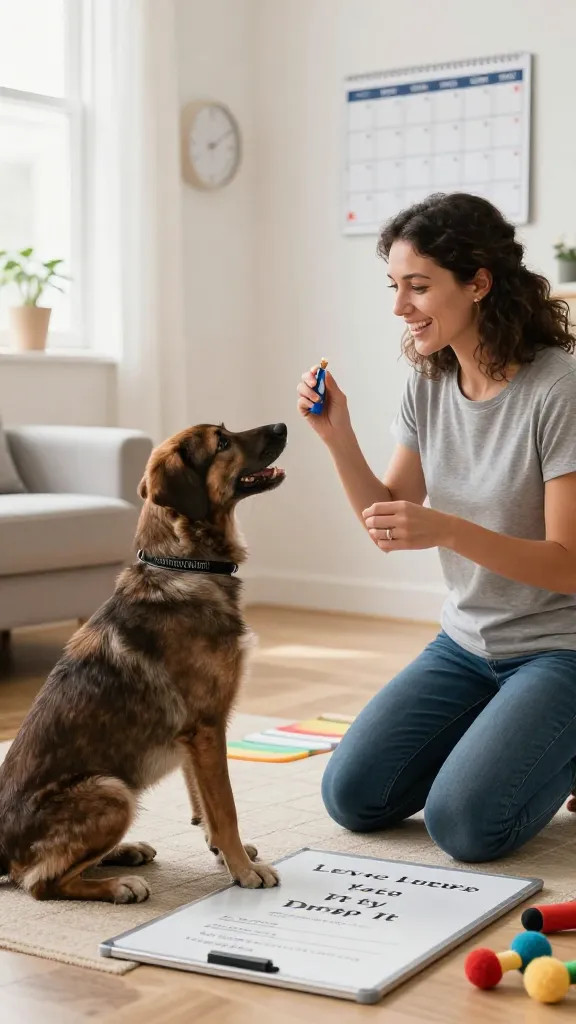
Progress sticks when you celebrate. Document tiny victories and watch the transformation unfold. This makes training less stressful and more fun for you and your pup.
Keep a quick log: date, trigger, what you did, and the outcome. It’ll show trends, highlight patterns, and give you confidence when you’re stuck.
Ways to Track:
- Weekly photo or video snippets of training moments
- A simple checklist of “Leave It, Drop It, Boundaries, Routine”
- A weekly recap note about what worked best and what needs tweaking
When you look back, you’ll see real growth. FYI, dogs appreciate a plan that evolves with them, not a rigid, forever-test scenario.
There you have it—seven playful, practical steps to turn stealing into smart training wins. Each tip builds on the last, and together they create a calmer, more in-control household for both you and your pup. Ready to try these out and see the goodness stack up?
Go for it, and have fun with your furry sidekick. The more you lean into patience and play, the quicker you’ll notice your dog choosing the right behavior—not just avoiding the wrong one.