4 Ways to Keep Dogs Mentally Stimulated
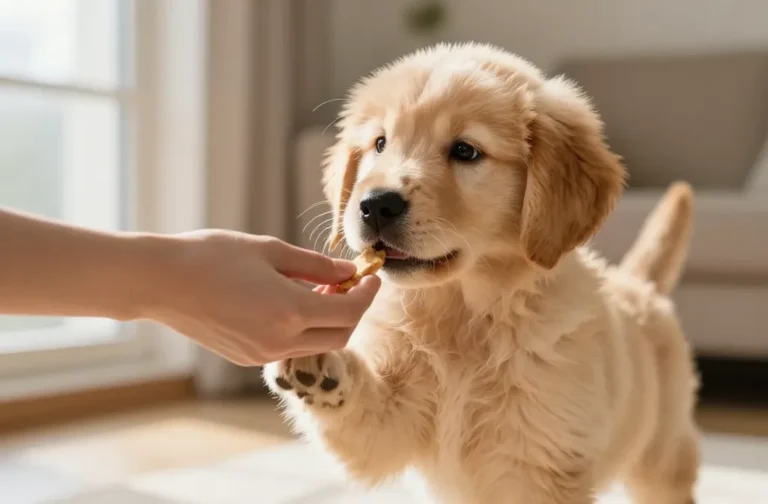
Your pup deserves brainy fun, not boring repeats. These four ideas spark curiosity, energy, and wagging tails without turning playtime into a full-time puzzle admin job.
1. Turn Everyday Walks Into Treasure Hunts
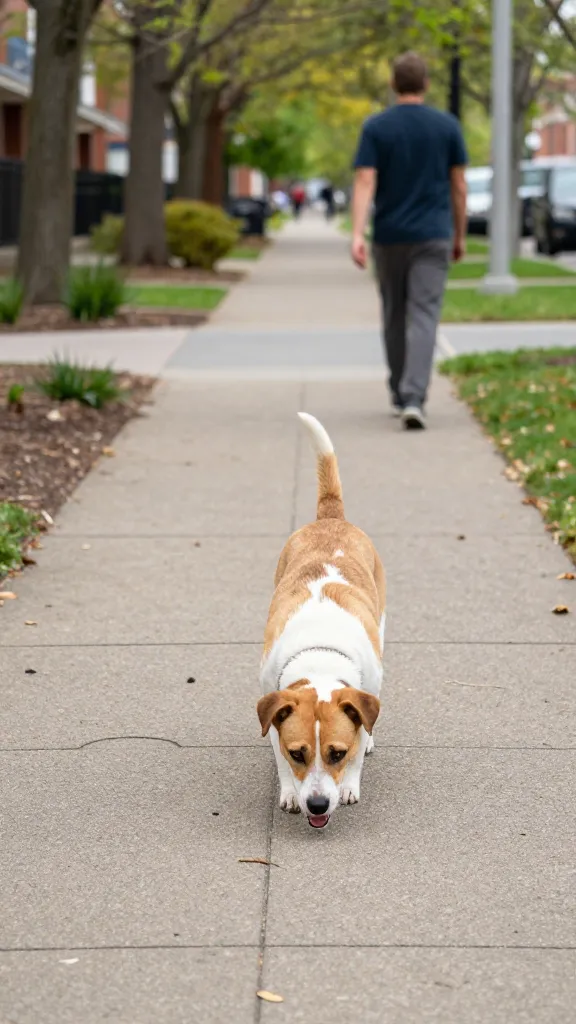
Walking isn’t just about moving from A to B—it’s an adventure for a dog’s nose and brain. A few simple twists turn a routine stroll into a mental workout.
Why It Works
Dogs love solving tiny mysteries, and a sniff-friendly route gives them constant decision points. Plus, it burns energy faster than a straight line.
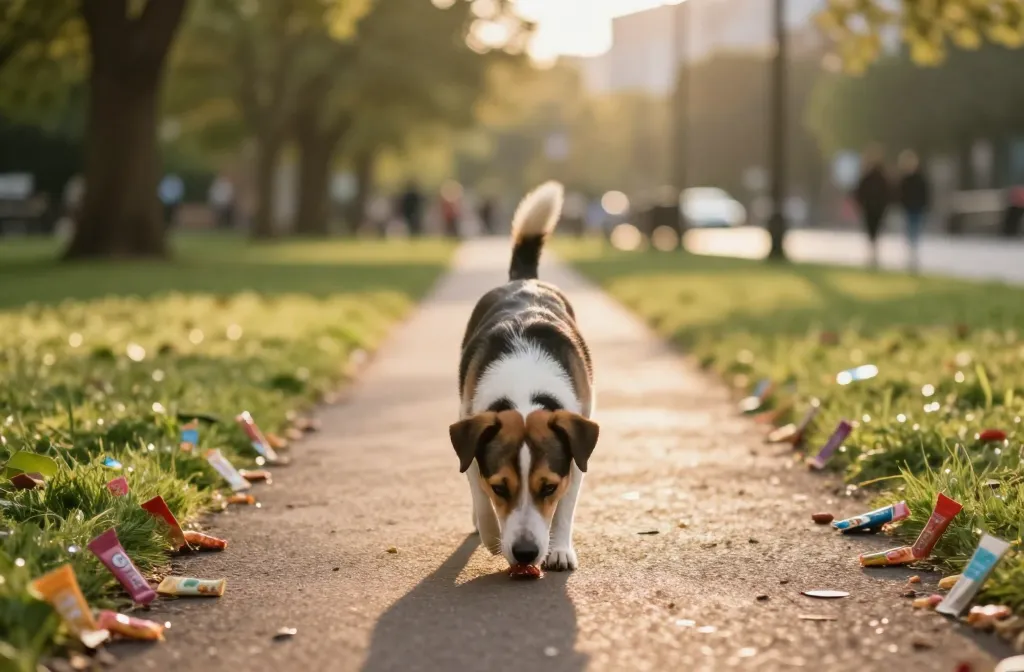
- Hide small, safe treats along the path
- Alternate with “switchbacks” so they hunt different scents
- Let them lead for a portion of the walk to boost confidence
Keep it light and positive—these hunts should feel like a game, not a scavenger hunt stress-fest. FYI, short but frequent hunts beat one long session every time.
2. Puzzle Toys That Actually Challenge Them
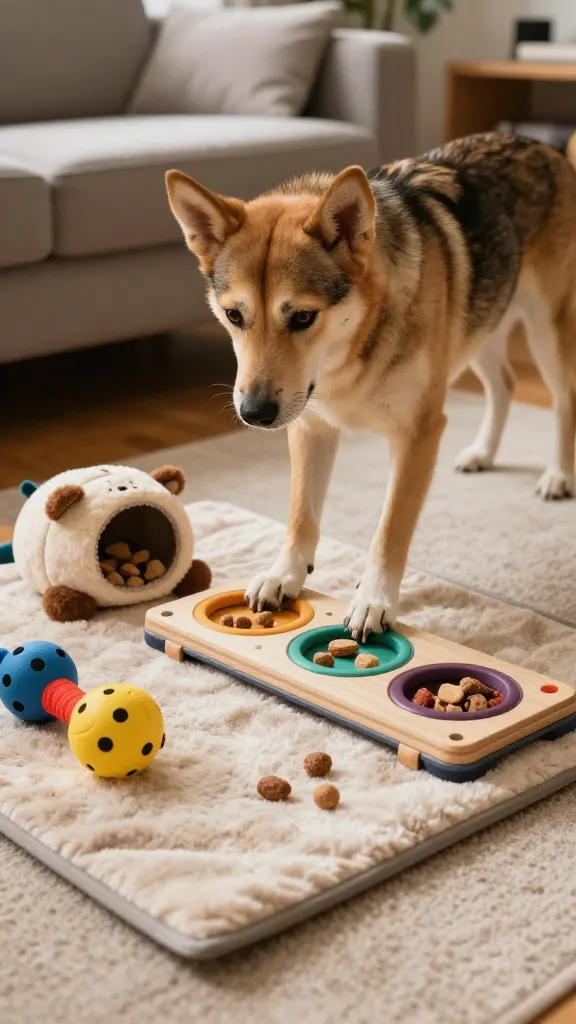
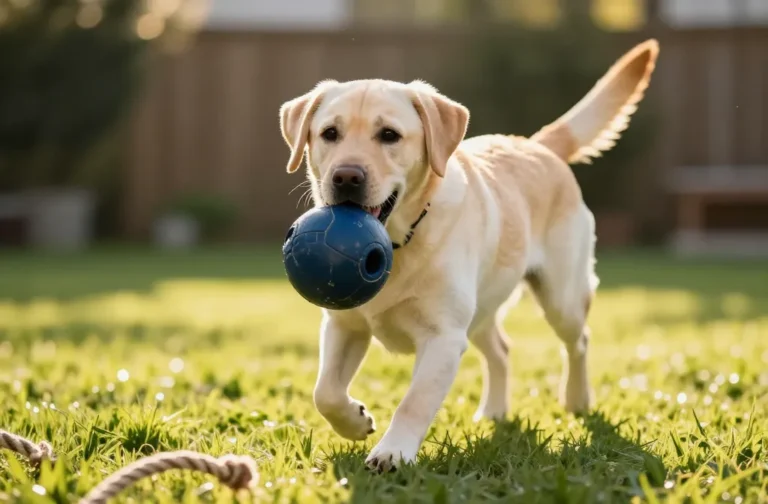
Yes, puzzle toys exist beyond the boring treat-dispensing variety. Look for puzzles that require planning, persistence, and a few clever moves.
Smart Picks
Choose toys that last and scale with your dog’s skill. Start easy, then level up to keep them engaged rather than frustrated.
- Treat-dispensing boards with multiple compartments
- Snuffle mats for slow, sniffy exploration
- Hide-and-seek plush games that reward with hidden treats
Mix up textures and challenges to avoid boredom. Seriously, rotate toys weekly to keep the sparkle alive. Trust me, you’ll see their eyes light up when a new puzzle appears.
3. Short Training Sessions That Double as Brain Gym
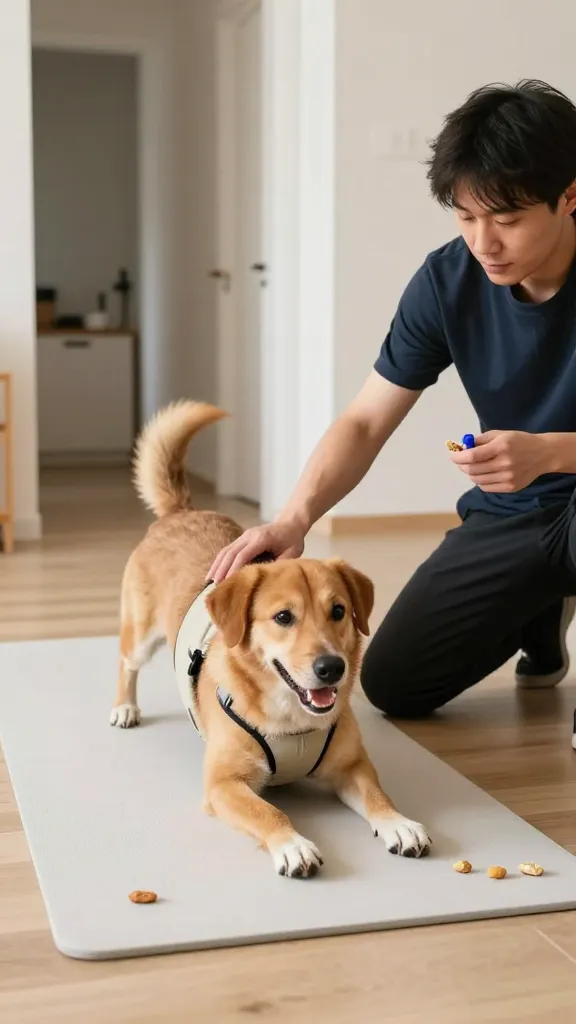
Training isn’t just about tricks; it’s pure cognitive conditioning. Short, fun sessions reinforce skills while giving your dog a mental workout that’s healthier than a couch-binge episode.
Efficient Practices
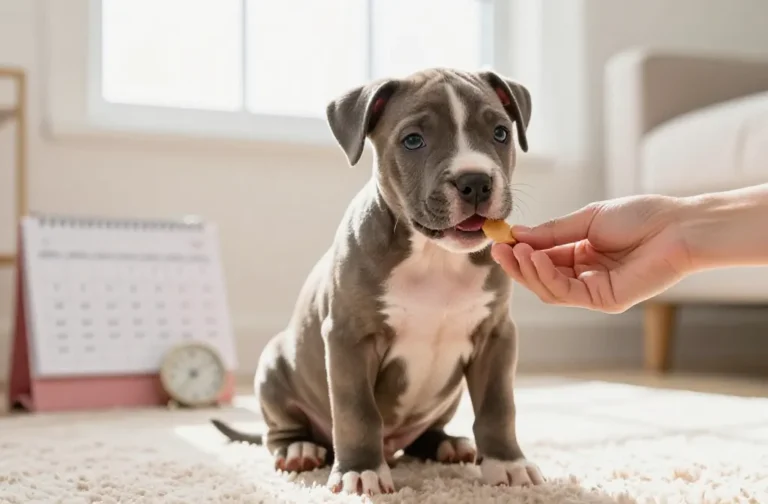
Keep sessions under 10 minutes, 3–5 times a week. Use rewards to reinforce progress and mix commands with play to keep it playful.
- New tricks like spin, crawl, or figure-eight
- Name recognition games around the house
- Impulse control drills at mealtime or doorways
End each session on a high note with a quick treat or praise. This helps your dog associate training with joy, not chores. IMO, consistency beats intensity every time.
4. DIY Obstacle Courses Right at Home
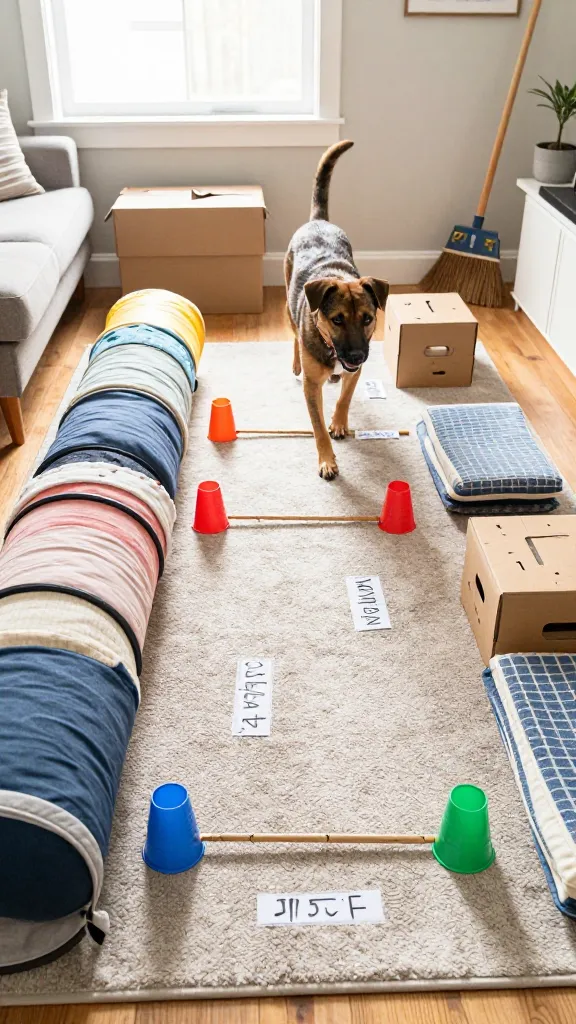
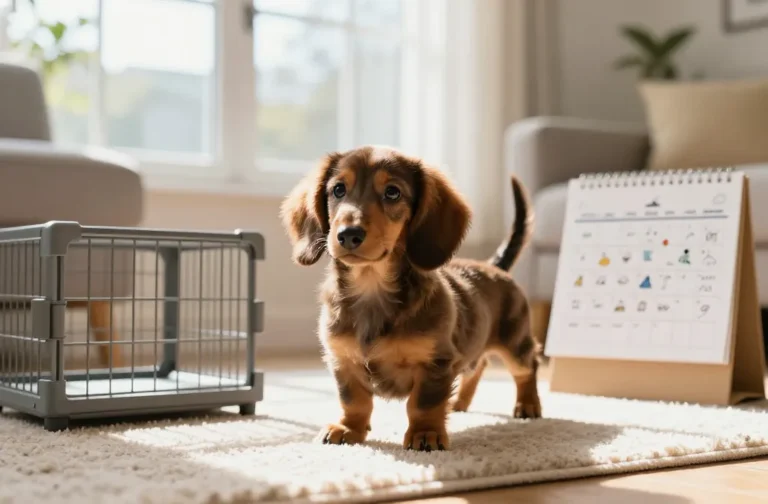
A DIY course channels energy, curiosity, and problem-solving into a tidy, repeatable ritual. It’s playful, affordable, and endlessly adaptable.
Build It Fast
Use household items to craft a safe, engaging path. The point isn’t perfection, but the mental stimulation of figuring out the course.
- Low tunnels from cushions and blankets
- Weave poles with plastic cups or cones
- Hazard-free jumps using broomsticks and sturdy boxes
Offer different routes and adjust difficulty as your dog learns. FYI, keep the surface non-slip and supervise to prevent sniffing hazards or injury. The payoff? A healthier, happier pup who loves problem-solving.
By weaving treasure hunts into walks, smart toys, quick training, and at-home courses, you’ll spark lasting mental engagement. These ideas aren’t just fillers—they transform boring downtime into brainy, tail-wagging adventures. Seriously, your dog will thank you with bigger smiles and more focused play sessions.
Ready to try these ideas? Gather a few treats, pick a room or a park corner, and start tonight. You’ve got this—watch your dog light up with every clever moment.