4 Tips on How to Calm a Nervous Dog You Need Now
If your pup shakes at every sneeze or hides behind the couch during storms, you’re not alone. These four proven tips cut through the chaos and help your dog chill fast. FYI, consistency beats chaos every time.
1. Create a Safe, Snug Space They Can Call Their Own
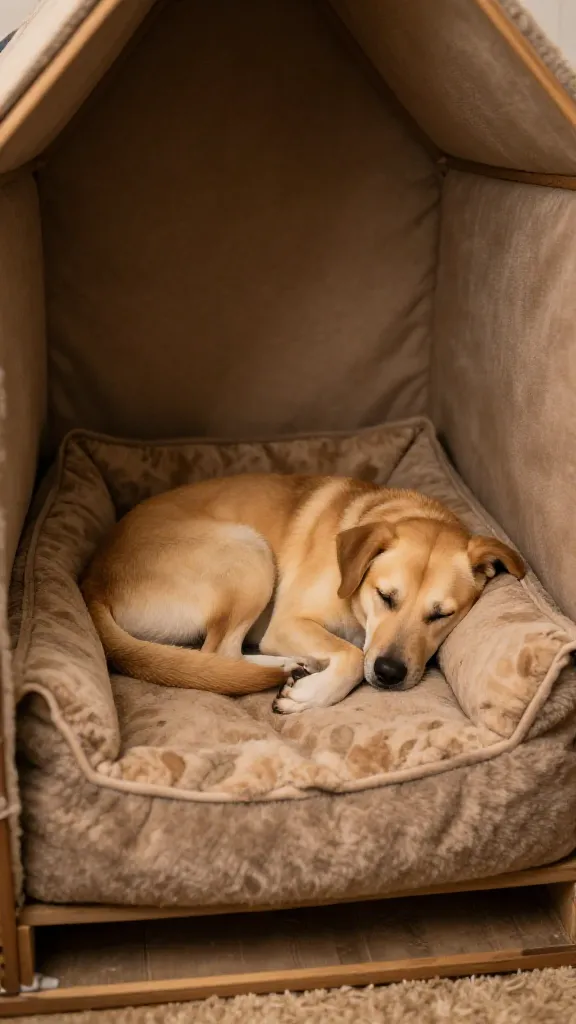
Dogs are den animals; giving them a predictable, comforting corner can dramatically reduce anxiety. A retreat that feels like a fortress will keep them calm when the world gets loud.
What makes this awesome? It gives your dog control, lowers sensory overload, and reduces adrenaline spikes. Seriously, a quiet, cozy zone can be the difference between a trembling mess and a peaceful nap.
Key Elements:
- Soft bed or crate with a familiar blanket
- A designated area away from doors and windows
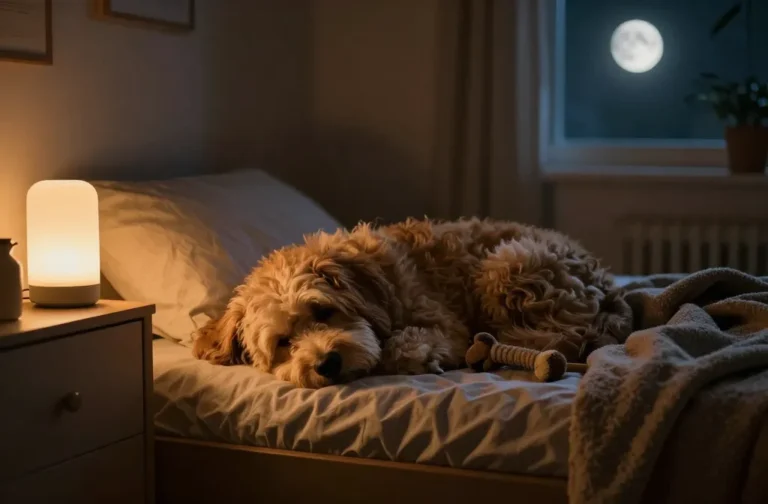
- Low lighting or a dim lamp to ease senses
Optional: Put a piece of your clothing nearby so your scent provides reassurance. This is like a security blanket for grown-up dogs.
The benefit is simple: your dog learns that this space is a safe haven, which lowers overall stress and makes future triggers less scary. Use this during thunderstorms, fireworks, or when new people visit.
2. Speak in Calm, Confident Voices and Use Gentle Handling
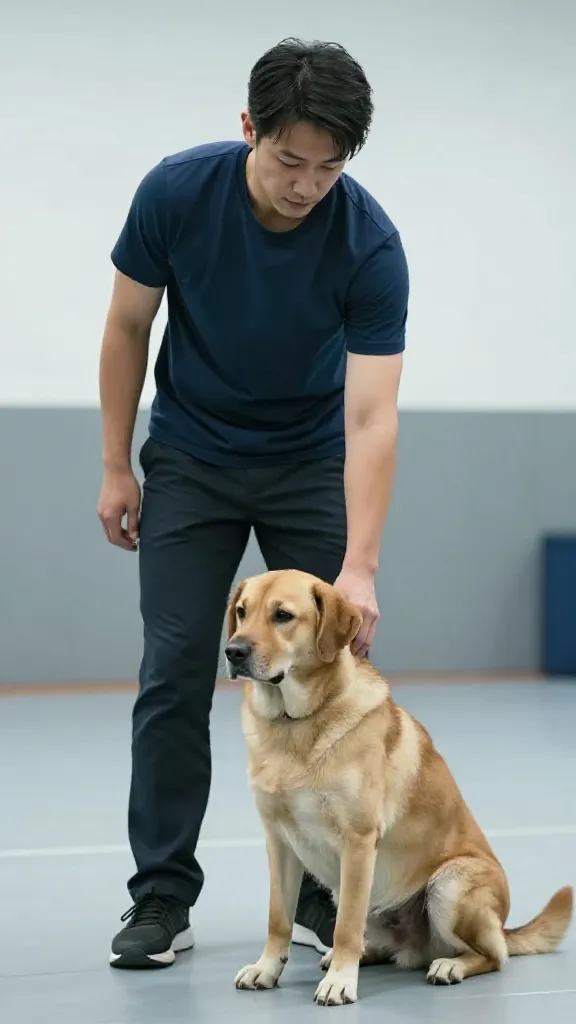
Your energy guides your dog. If you stay calm, they’re more likely to mirror that vibe, even when chaos erupts outside. Think of yourself as the “therapist with a leash.”
This tip is powerful because it combines tone, pace, and touch to regulate your pup’s nerves. IMO, you’ll be surprised how quickly their stiffness turns to openness when you show steady confidence.
What to Do:
- Use a slow, even voice; avoid shouting or abrupt commands
- Speak in short, positive phrases like “It’s okay, buddy”
- Practice light, reassuring touch if your dog enjoys it
Tip: pair your calm voice with a grounding touch—steady breath, steady touch—so your dog learns that calm = safety. When to use it? Any time you notice signs of fear: whines, tucked tail, pacing, or shrinking away.
3. Implement Predictable Routines and Gentle Desensitization
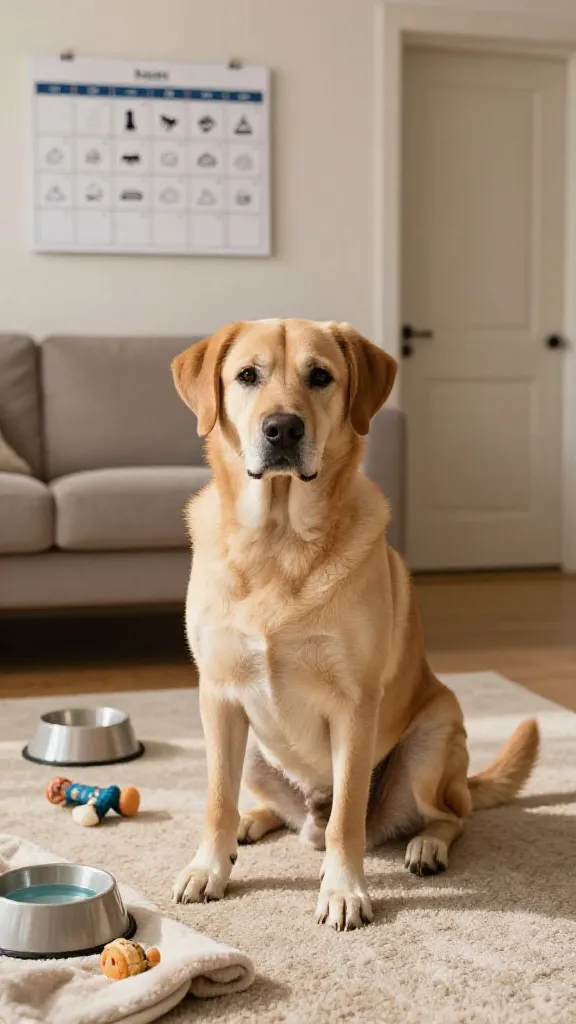
Dogs love predictability. A daily rhythm reduces uncertainty and gives them something to lean on. Desensitizing them gradually to scary stimuli helps remodel their fear response over time.
Think of this as training with tiny, manageable bites. It’s not about forcing bravery; it’s about building confidence through small, repeatable steps. Trust me, consistency compounds into big calm moments.
Steps to Start:
- Schedule regular walks, meals, and playtime
- Introduce triggers at a very low intensity and slowly increase
- Reward calm behavior with treats or affection
Bonus: Keep a simple diary of triggers and responses so you can adjust pace. This is especially helpful for dogs dealing with storms, car rides, or meeting new people.
Benefits stack up: less jumpiness, shorter recovery after stressors, and a more relaxed demeanor in public places or vet visits.
4. Use Calming Aids and Playful Training to Redirect Attention
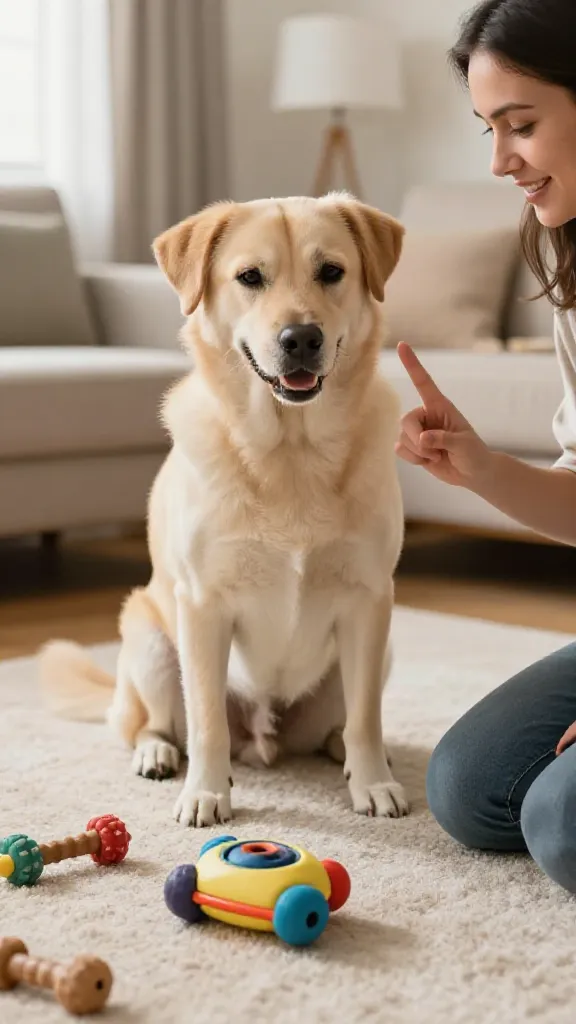
When nerves spike, redirecting attention toward enjoyable, controlled activities can reset a dog’s emotional state faster than you’d think. The right aids plus a bit of training can make your dog a zen master in record time.
FYI, you don’t need to go full wizardry here. Simple tools and games do the trick while keeping things fun and rewarding.
Helpful Tools & Activities:
- Interactive puzzle toys to channel focus
- Loud-noise friendly chew toys or calming chews (if vet-approved)
- Short, low-impact obedience drills (sit, settle, wait) with quick rewards
Tips for success: practice in short, frequent sessions rather than long, exhausting sessions. The aim is steady progress, not a marathon of frustration. When used wisely, calming aids reduce arousal and invite your dog to explore the environment calmly.
End note: use these tools to foster confidence, encourage self-soothing, and create moments of success that multiply over time. This is how you build a calmer dog one session at a time.
Want a quick recap? Safe space, calm communication, predictable routines with gentle desensitization, and smart calming aids are your four-step toolkit for a calmer pup. FYI, the payoff isn’t just a quieter dog—it’s a happier, more confident companion you’ll actually enjoy hanging out with.
You’ve got this. Start with one tip tonight, mix in another tomorrow, and watch your pup transform from jittery to joyful. Trust me, you’ll wonder why you hadn’t tried these sooner.