5 Ways to Calm Shy Dogs at Home
If your pup hides behind the couch at guests or trembles during walks, you’re not alone. These five at-home tricks are simple, effective, and friendly for even the shyest tails. Ready to turn anxiety into wagging confidence? Let’s dive in.
1. Create a Safe, Cozy Corner They Can Call Their Own
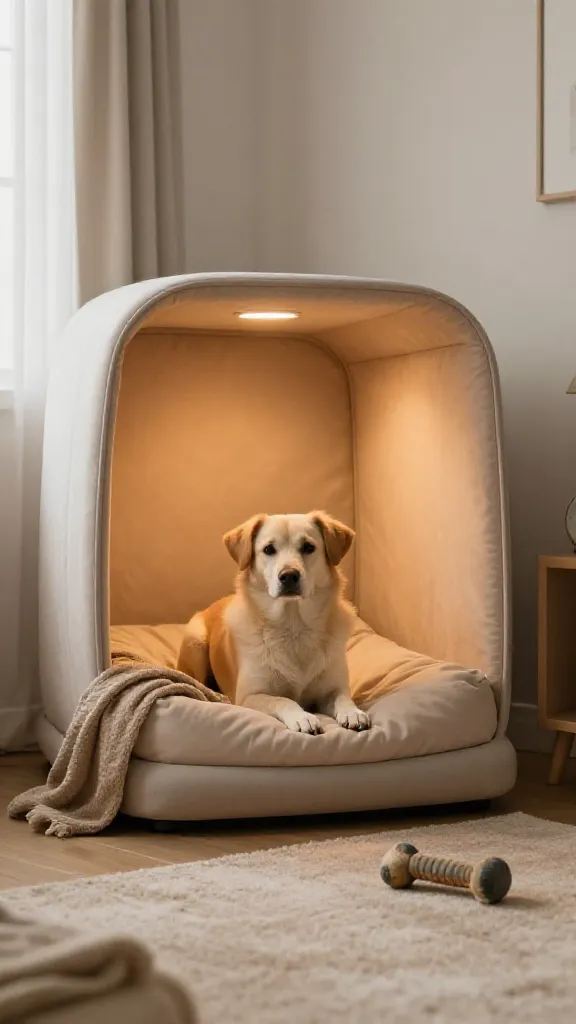
Shy dogs crave a retreat where they can regroup without feeling watched. A dedicated corner gives them control and reduces overstimulation. It’s like their own little cave in the living room chaos.
Think of this as a mini sanctuary rather than a punishment zone. The goal is comfort, not isolation.
Key Elements
- A soft bed or memory foam mat
- Low, quiet lighting or a dimmable lamp
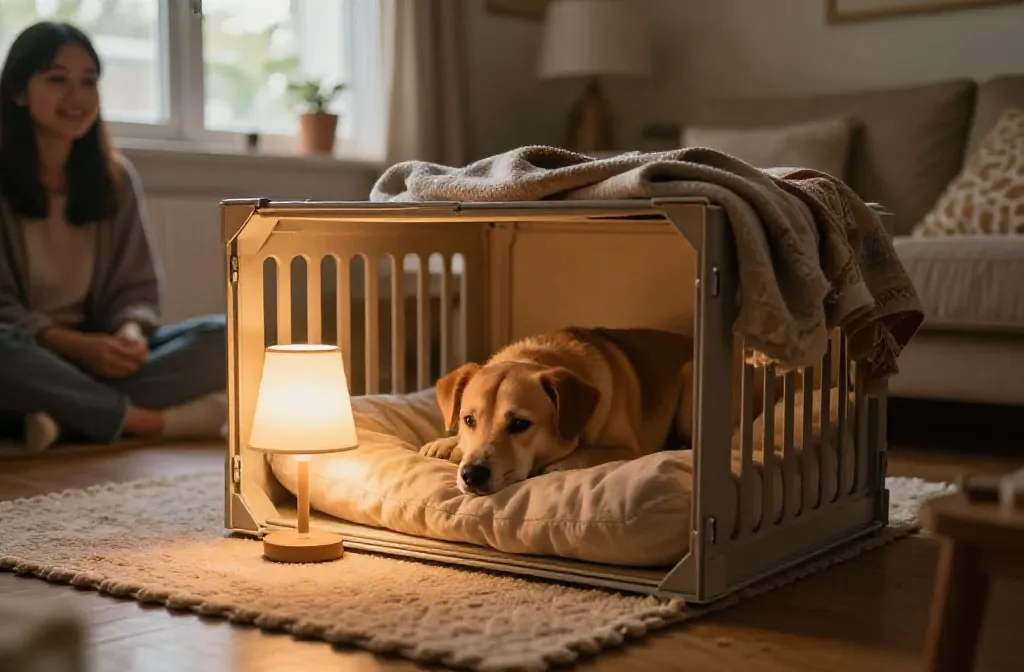
- Accessible crate or crate-style nook (if crate-trained)
- Calm, familiar scents like a worn blanket
Place the corner in a low-traffic area, but within sight of the family so they don’t feel invisible. If your dog loves a window view, set it up nearby so they can observe without feeling overwhelmed. FYI, consistency matters—let them retreat there whenever they need it.
2. Use Gentle Exposure to Build Confidence
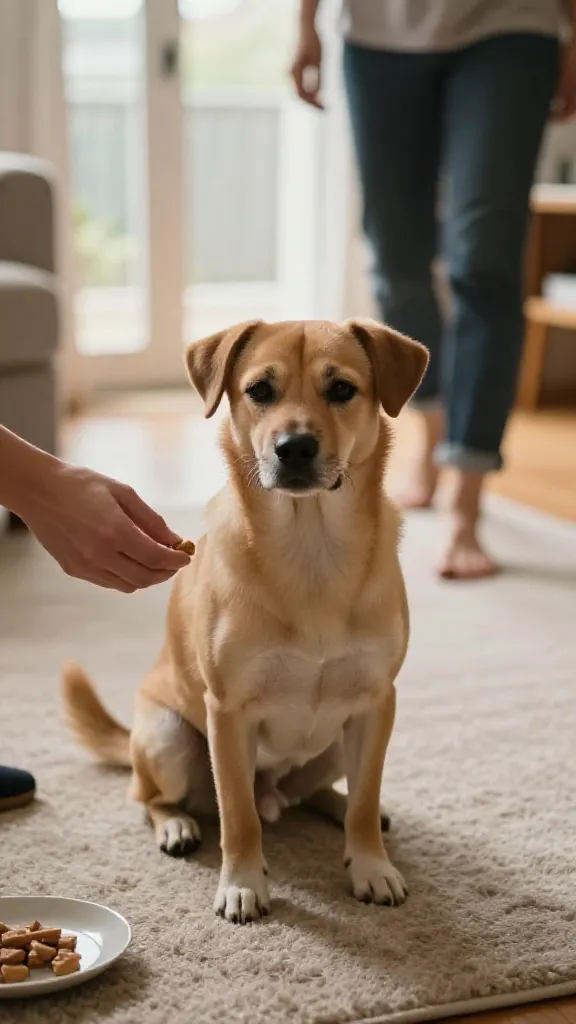
Contrast is your friend here. Exposing your shy pup to mild stimuli in a controlled, positive way helps them build bravery without spiraling. Think of it as a tiny training sprint, not a marathon that ends in a meltdown.
What to Try
- Short, calm practice sessions with low-key visitors
- A slow, positive walk around the block with minimal crowds
- Sticker rewards or treats when they approach a new thing
Keep sessions brief (2–5 minutes) and end on a high note. If your dog starts stiffening or backing away, pause and return to the safe corner you set up. Risking a meltdown isn’t worth it—progress beats perfection, every time.
3. Master Reward-Based Training That Feels Like Play
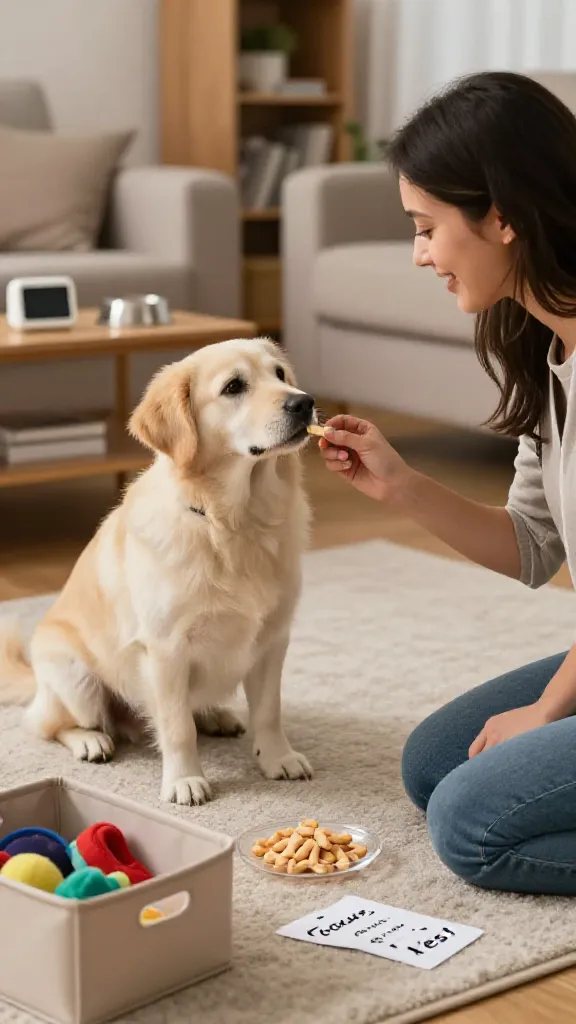
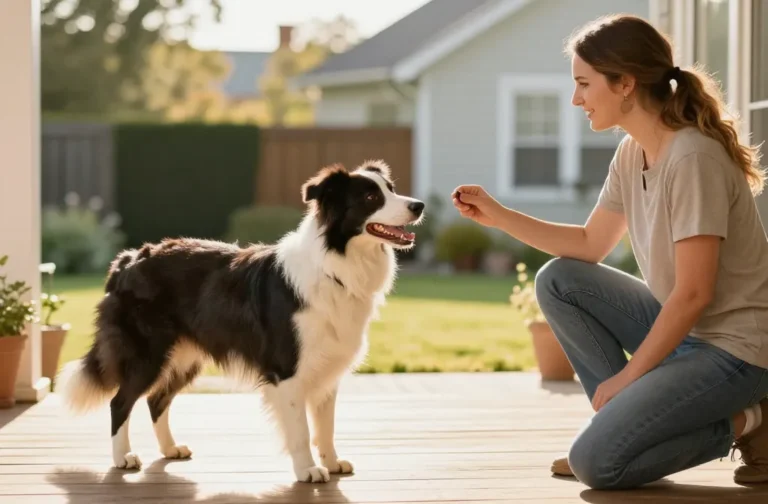
Training isn’t just about commands; it’s about pairing good things with scary or new experiences. Reward-based training helps shy dogs associate people, places, and situations with tasty outcomes and relief.
Simple Steps
- Use high-value treats (think chicken, cheese, or a favorite toy)
- Keep cues calm and simple: “Focus,” “Relax,” “Yes!”
- Reward eye contact, then gradually shift to other cues
Incorporate short sessions into daily routines: after meals, before/after a walk, or when guests arrive. Trust me, consistency compounds over days and weeks. IMO, small wins add up to big confidence boosts.
4. Enrich the Home Environment to Reduce Stimulus Overload
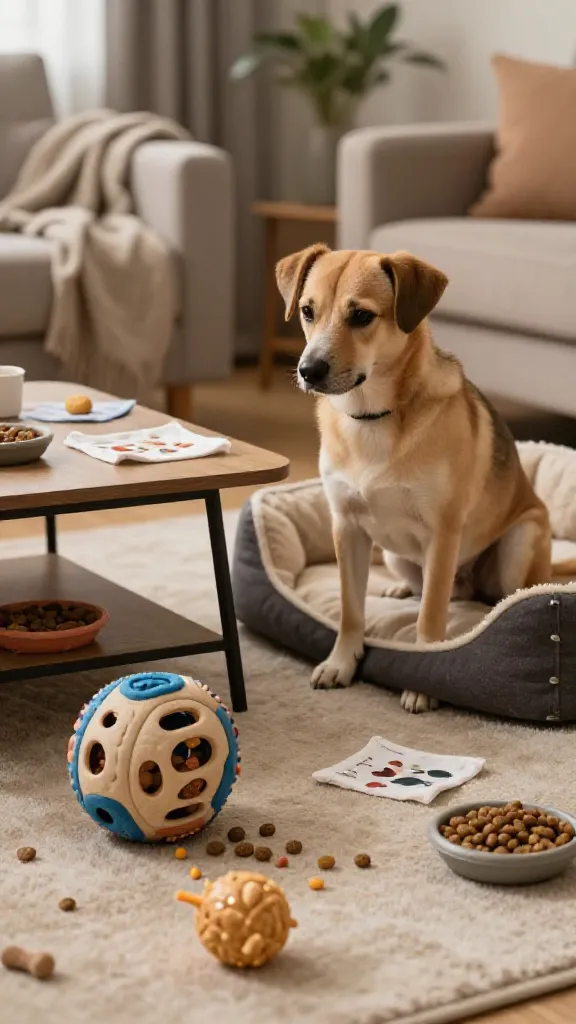
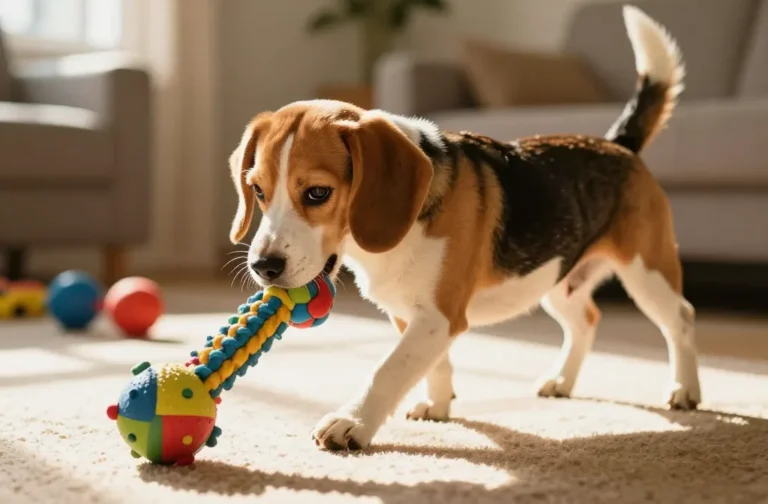
A stimulating but not overwhelming environment helps shy dogs cope with stimuli they encounter at home. Think of enrichment as a way to channel nervous energy into positive, fun activities.
Enrichment Ideas
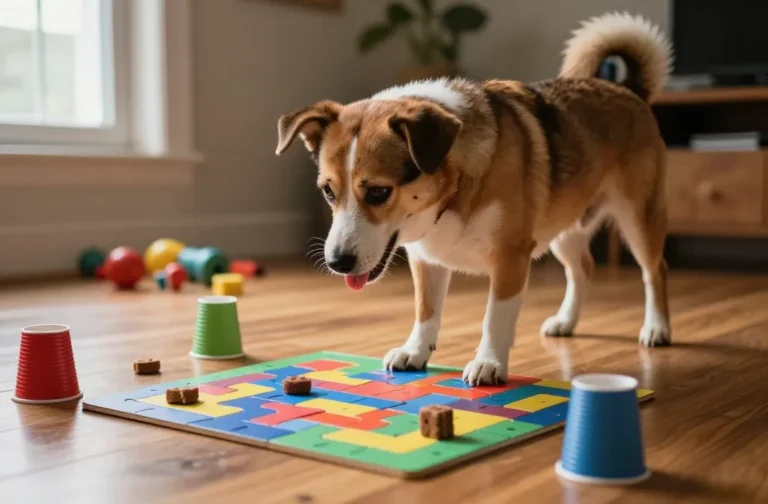
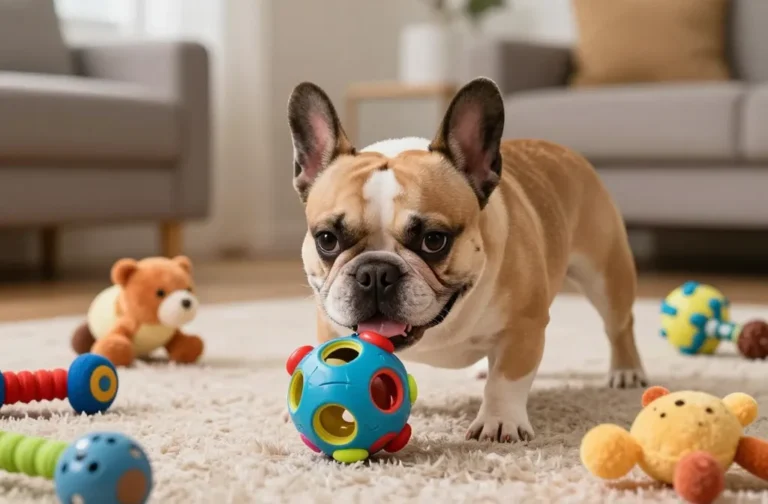
- Puzzle toys that release treats slowly
- Kong toys stuffed with peanut butter or kibble
- Interactive games that require decision-making (sniff-and-find scents, etc.)
Rotate toys so things feel fresh, and hide treats around the room to encourage exploration at their own pace. Keeping sound levels steady and predictable also reduces surprise spikes. Serious perks: calmer dogs sleep better and cuddle more after a good enrichment session.
5. Routine, Routine, Routine—The Secret Sauce
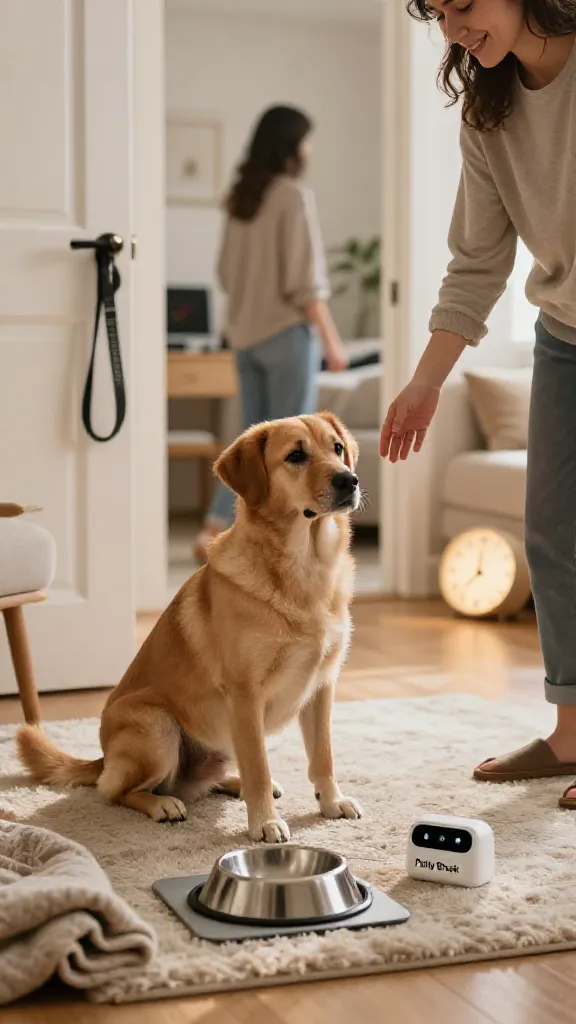
Predictability is a superhero cape for shy dogs. A well-structured routine minimizes stress because your pup knows what to expect. It’s less chaos, more cozy rhythm.
What a Calm Routine Looks Like
- Regular meal times with a cue that dinner is coming
- Consistent potty breaks and short, daily leash walks
- Set wind-down periods before bed, with a favorite blanket and soft music
Consistency reduces uncertainty, which reduces anxiety. If guests are visiting, give your dog a 10–15 minute pre-visit routine to settle in, then offer the safe corner as a retreat during the visit. Trust me, both you and your pup will feel more at ease.
Bonus tips for smoother days: stay calm yourself—dogs pick up on our energy, FYI. Use gentle voice cues and relaxed body language. If you’re feeling overwhelmed, take a quick breath and guide your pup with a soft touch and a gentle treat. Seriously, small, steady steps beat big, scary leaps.
These five strategies work together like a friendly team: create safe space, expose gently, train with rewards, enrich the environment, and maintain a predictable routine. Your shy dog will start showing brighter eyes, a more confident posture, and a willingness to explore without freaking out.
When you see progress, celebrate it. Even tiny shifts matter and compound into lasting confidence. You’ve got this, and your pup is already a few steps closer to feeling totally at home.
Ready to try these ideas? Start with one or two today and build from there. FYI, your dog will thank you with more wagging, fewer trembles, and probably a few extra cuddles during windy evenings.