7 Tips on How to Teach Your Dog to Settle Down
If your pup has a barky habit or zoomies at bedtime, these techniques will turn chaos into calm. I’ll share practical, friendly steps you can actually fit into a busy day. FYI, consistency beats intensity every time.
1. Create a Clear, Cozy Calm Zone
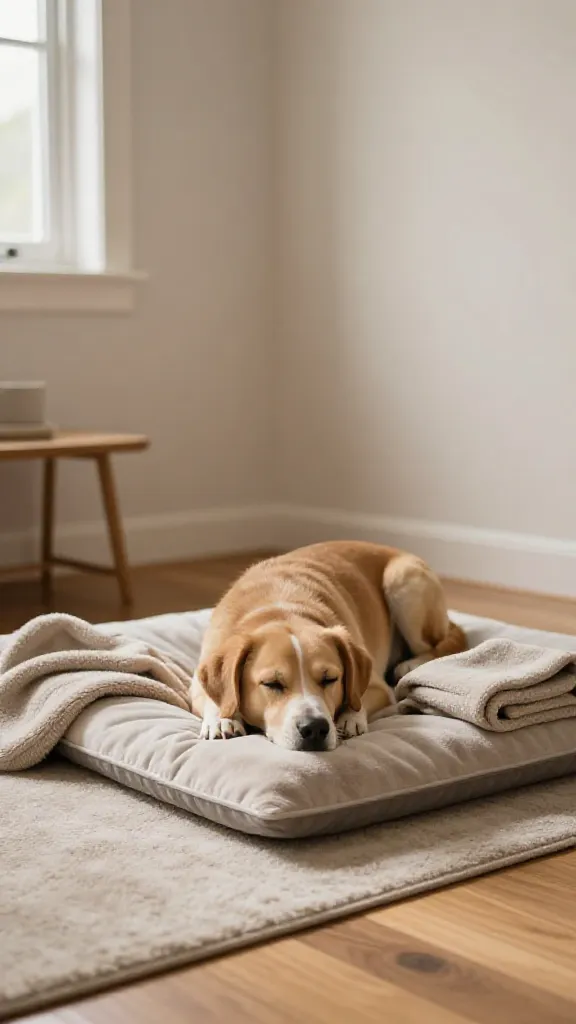
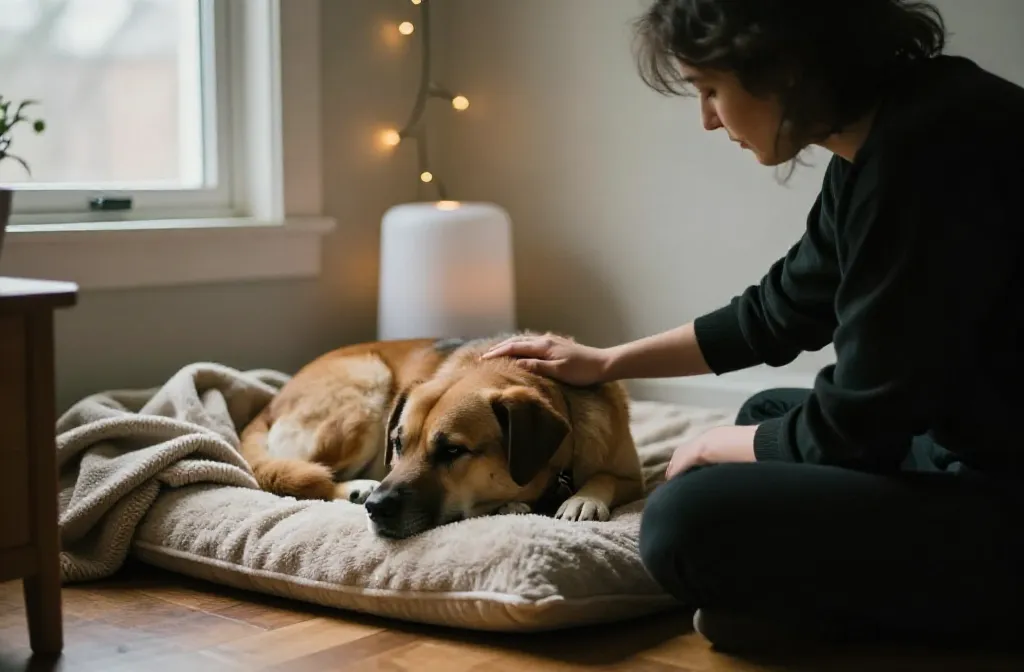
A dedicated spot is like a personal leash-free zone where your dog can reset. This approach reduces restless energy and gives them a predictable place to chill.
Why it works: dogs crave boundaries and routine, so a calm corner becomes their safe space. Seriously, a simple mat and a tune-tuned routine can do wonders.
Key Points
- Choose a consistent spot with a soft bed or mat
- Use a cue like “settle” or “place” every time
- Keep the area distraction-free initially
Bonus: add a familiar blanket and a gentle white noise or music track to decrease overstimulation. Your dog’s brain will start pairing that space with rest, not chaos.
2. Start with Short, Sweet Sessions
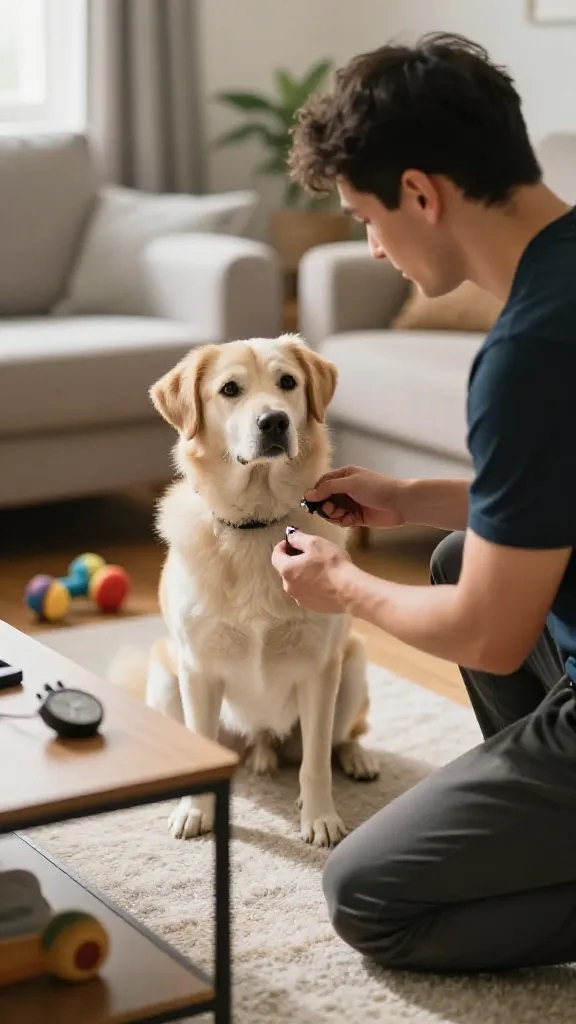
Long training marathons burn out both ends. Short bursts train the brain to listen without turning the session into a battle of wills.
Ask yourself: can you commit to two to five minutes, several times a day? If you can, you’re ahead of the game. Trust me, consistency beats long, sporadic efforts.
Tips
- Set a timer for 2–5 minutes
- End sessions on a success to build confidence
- Gradually increase duration as cues become reliable
Benefits: quicker progress, less frustration, and a dog that learns patience in bite-sized chunks.
3. Use Dual Colds: Calm Cues with Busy Hands
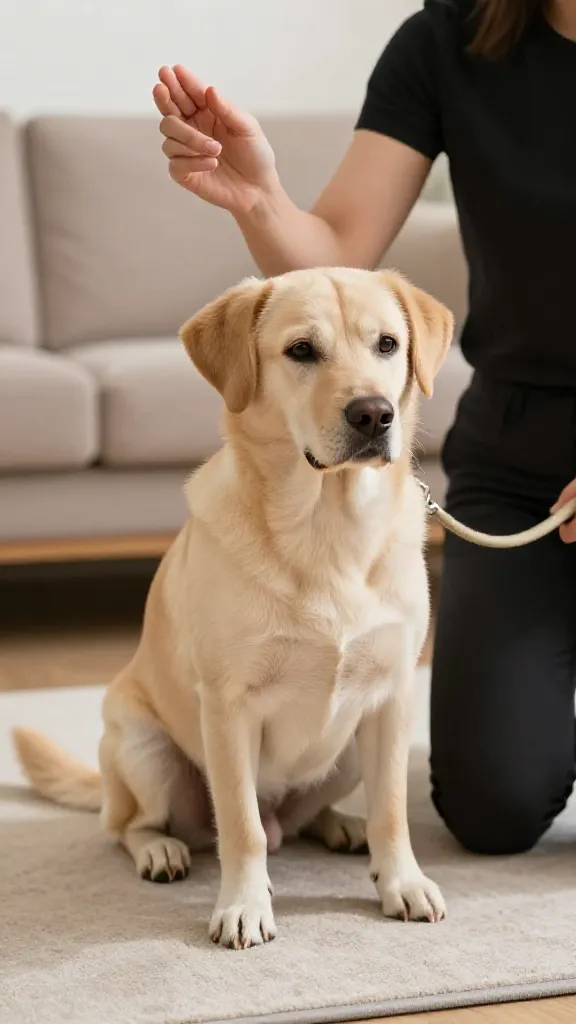
Pair a calm cue with a slight physical action like gently guiding with a leash or hand signal. This combo helps dogs associate calm with movement, not sheer stillness.
The trick is to keep the guidance soft and positive: no yanking, no guilt trips—just clear signals.
How to Implement
- Offer a hand signal while saying “settle”
- Lightly guide to the place with the leash, then release
- Reward when paws are on the mat and eyes on you
Bottom line: consistency in cues makes for a confident pup that settles faster in real life scenarios.
4. Elevate with Food-Safe Rewards

Food is the universal translator for dogs. Use tasty, small rewards to reinforce relaxed behavior without teaching them to expect a feast every time.
Important: keep rewards small and quick so the dog stays focused on the cue, not the snack. FYI, timing matters—give the treat as soon as the dog settles.
Reward Strategies
- Use tiny, tasty bites immediately after settling
- Gradually reduce treats while keeping the behavior reinforced with praise
- Introduce a non-food reward eventually, like a brief pet or a toy
Benefits: a reliable association between calm behavior and reward, plus you won’t be cleaning up snack explosions all night.
5. Build a Routine That Brings You Closer, Not Closes You Off
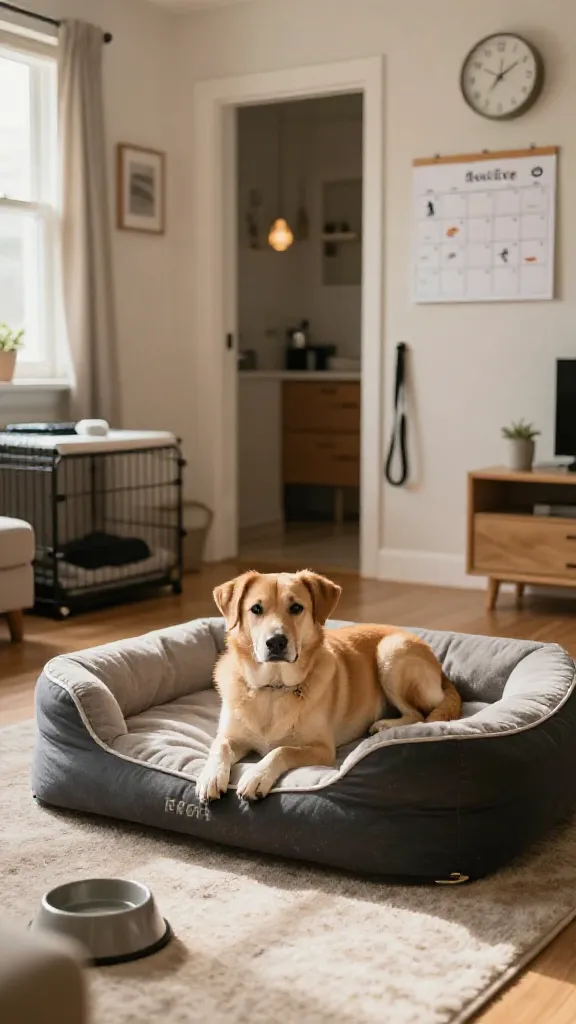
Humans crave structure, and dogs pick up on it fast. A predictable daily rhythm makes settling feel natural, not negotiable.
Routines are your secret weapon for calmer evenings, easier crate times, and less bedtime drama. IMO, a little planning goes a long way.
Practical Routine Elements
- Morning walk followed by a settle cue before breakfast
- Midday play then a short settle period
- Evening wind-down with quiet time in the calm zone
Note: adjust the routine to your lifestyle, but keep the core pattern consistent. Your dog will adapt quickly and begin showing signs of contentment sooner.
6. Socialize Calmly: Practice with Real-Life Triggers
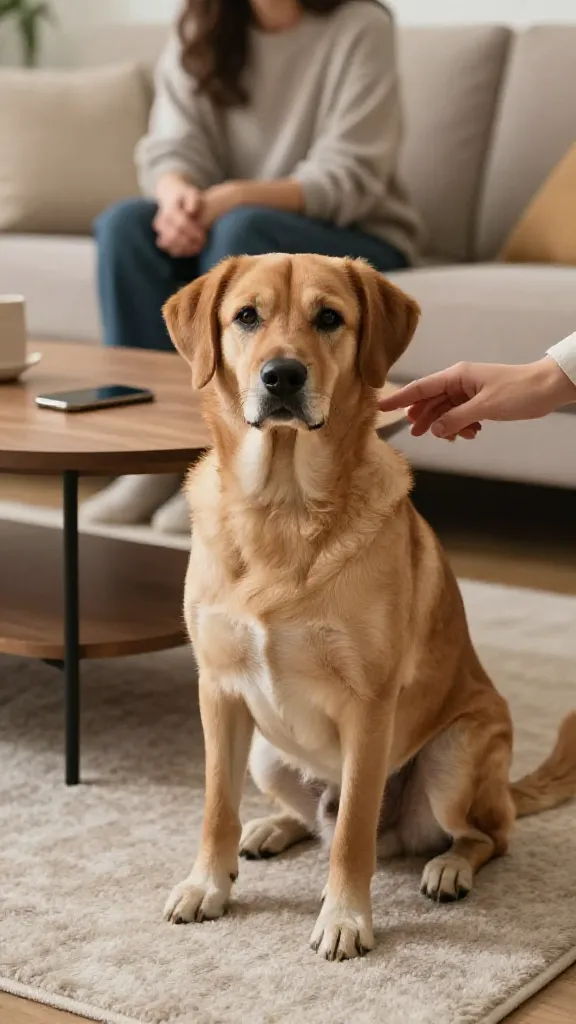
Calm behavior in the living room is great, but can your dog settle around visitors, kids, or the neighbor’s cat stroller? Practice with controlled exposure to common triggers.
Start with low-intensity experiences and gradually ramp up. This isn’t about avoiding life; it’s about teaching your dog to respond calmly when things get lively.
Experiment Ideas
- Invite a calm friend over and practice “settle” with the guest present
- Phone down, attention on the dog, and give a calm cue during greetings
- Introduce a short “settle” period before feeding or playtime
Benefits: a dog that remains balanced in the real world, not just in a quiet living room. Seriously, this pays off during actual outings and events.
7. Track Progress, Then Celebrate Wins

Progress tracking makes improvement tangible. When you notice fewer arousals or quicker settling, celebrate those moments—your dog deserves the hype.
Simple record-keeping helps you see what works and what doesn’t, so you can tweak your approach. Trust me, small wins accumulate into real calm over time.
How to Track
- Keep a simple log: date, time, cue, duration, and notes
- Note triggers and successful strategies
- Review weekly to refine your plan
Final thought: consistency plus celebrated progress builds a resilient, settled pup who enjoys both structure and your companionship.
Ready to try these ideas? Grab your calm zone, set a timer for short sessions, and start celebrating the tiny wins. You’ll be amazed at how quickly your dog becomes your most chilled-out buddy. Seriously, you’ve got this!