10 Crate Training Puppy at Night Tips for Better Sleep: Snooze Secrets
Ready to turn those midnight whimpers into peaceful snooze sessions? These crate training tips are practical, bite-sized, and actually doable. Let’s dive in and make sleep time feel like a spa night for you and your pup.
1. Set the Stage With a Cozy, Inviting Crate
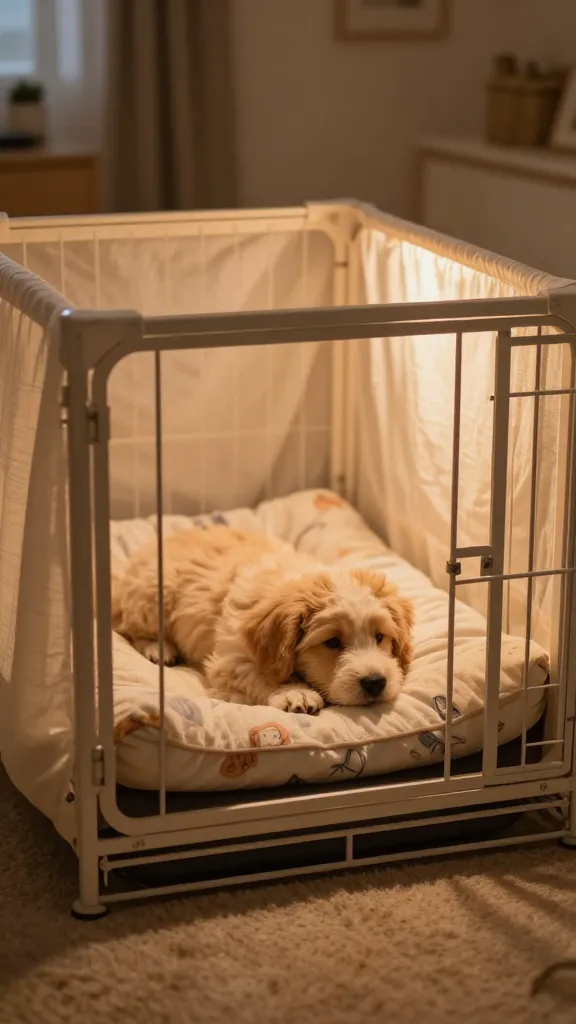
First impressions matter, even for dogs. A crate that feels like a den rather than a jail makes nighttime easier. Create a snug, inviting space so your puppy chooses the crate when the lights go out.
Key Points
- Pick a crate size that allows you to grow into it—enough room to stand, turn, and lie down comfortably
- Place a soft, washable bed or blanket that smells like home
- Cover just three sides with a lightweight blanket for a den-like feel
Bonus: CRATE = comfort, not confinement. That mindset shift helps both you and your pup sleep better.
2. Establish a Clear Sleep Routine You Can Count On
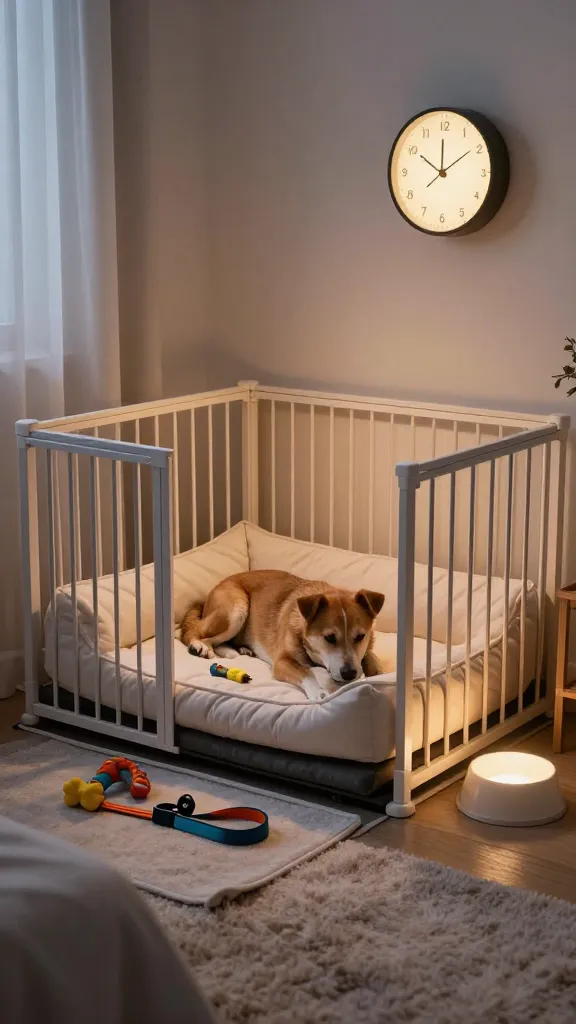
Routines anchor anxious pups. A predictable sequence of steps before bed cues your dog that sleep is coming. Consistency beats clever tricks any night.
Tips
- Same wind-down time every evening
- Last potty break 15–30 minutes before crate time
- Calm, low-stimulation activities in the hour leading up to bed
Bonus: A reliable routine reduces wake-ups and morning chaos. Trust me, it’s worth it.
3. Use a Crate Door Barrier That Feels Safe
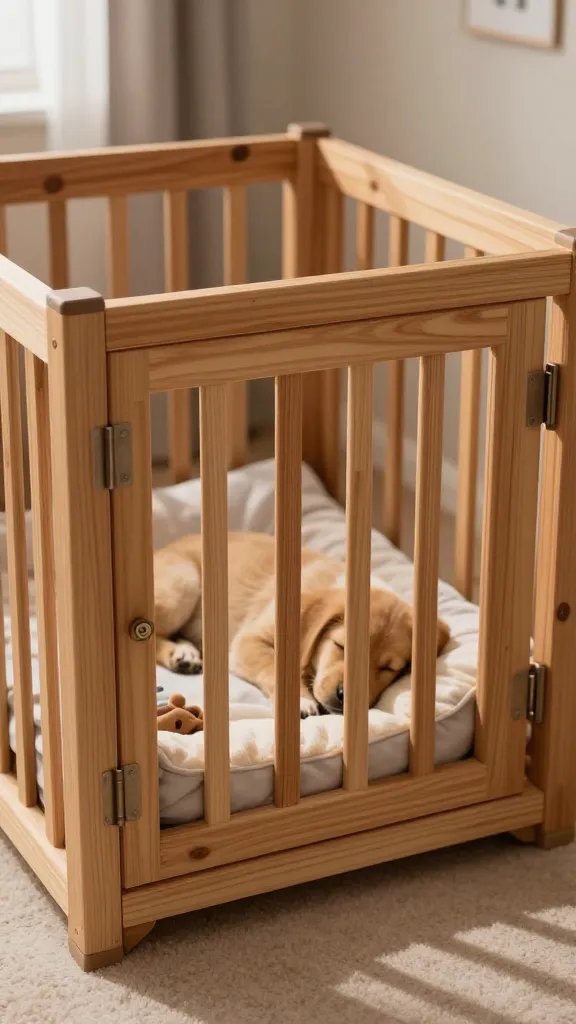
A door barrier gives a sense of security while keeping adventures at bay. If your pup feels exposed, they’ll vocalize or squirm. A safe setup helps them settle quicker.
What to Do
- Keep the door closed after a gentle, confident cue
- Keep door slightly ajar for new puppies or during the transition phase
- Ensure there’s ample space for air and movement without drafts
Note: Adjust as your puppy grows. The goal is a calm, secure sleep zone.
4. Mind the Temperature: Not Too Hot, Not Too Cold
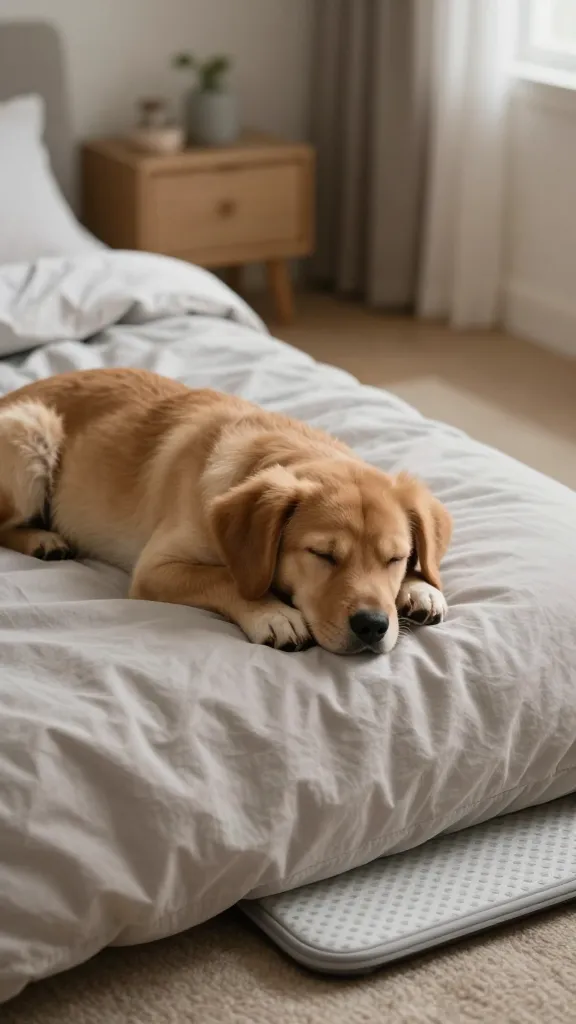
Puppies are sensitive to temperature and may wake if they’re uncomfortable. The right temp helps them snooze through the night.
Practical Climate Tips
- Ideal range: 60–75°F (15–24°C) depending on your pup’s coat
- Use a breathable bed and avoid heavy blankets that trap heat
- Consider a small, lightweight cooling mat in warm climates
FYI, a comfy temperature keeps sleep cycles smooth and prevents rebel wake-ups.
5. Create a Gentle Noise Buffer Without Overwhelming Stimulation
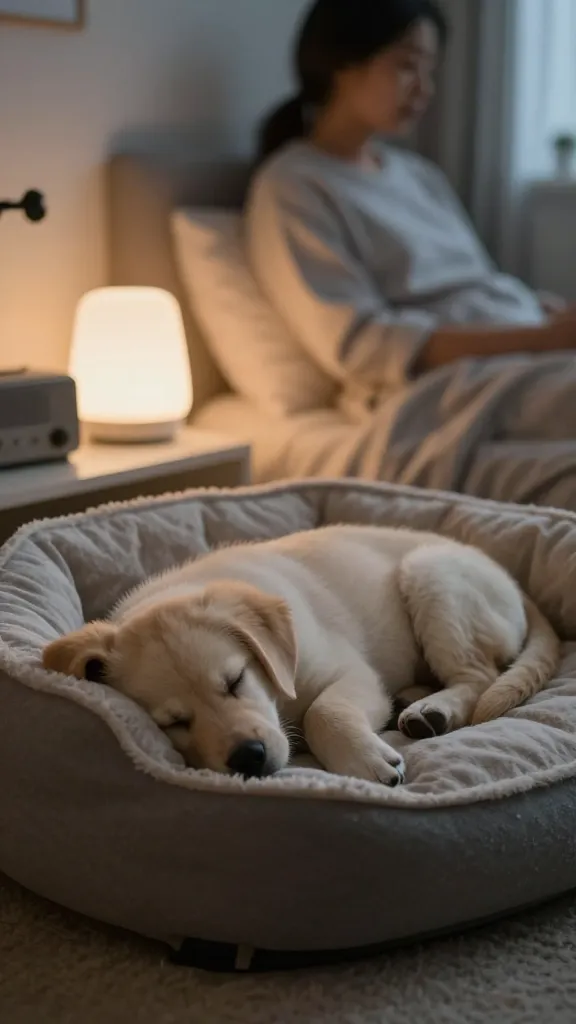
Cries and whines can be loud, but the right background sound helps drown out scary outside noises. The goal is calm, not a party for your ears.
Sound Options
- Soft white noise or a fan on low
- Calming lullaby playlist at a low volume
- Consistent TV or radio low in the background during early training
Experiment to find what soothes your pup. Don’t oversaturate; you still want them to be able to settle without the noise.
6. Use a Comfort Item That Remains in the Crate
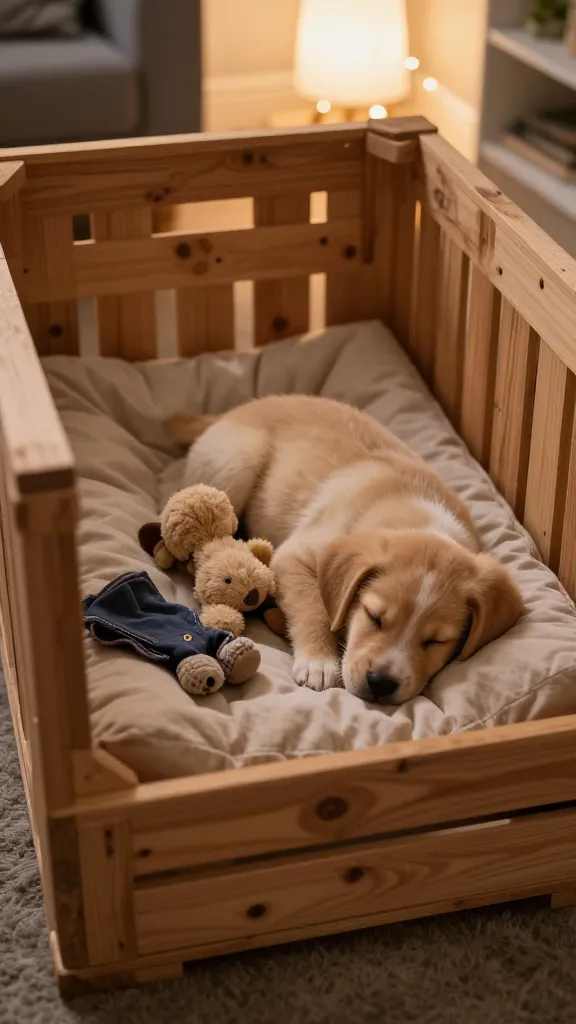
A familiar object helps your puppy feel safe when you’re not in the room. Choose something that smells like you or home.
Options
- A plush toy with your scent
- A soft, chilled chew for teething comfort
- A piece of your worn clothing placed near the crate (not inside it to avoid shifts in scent)
Benefits: reduces anxiety, encourages self-soothing, and creates a reliable anchor for sleep.
7. Teach a Confident Cue to Enter the Crate
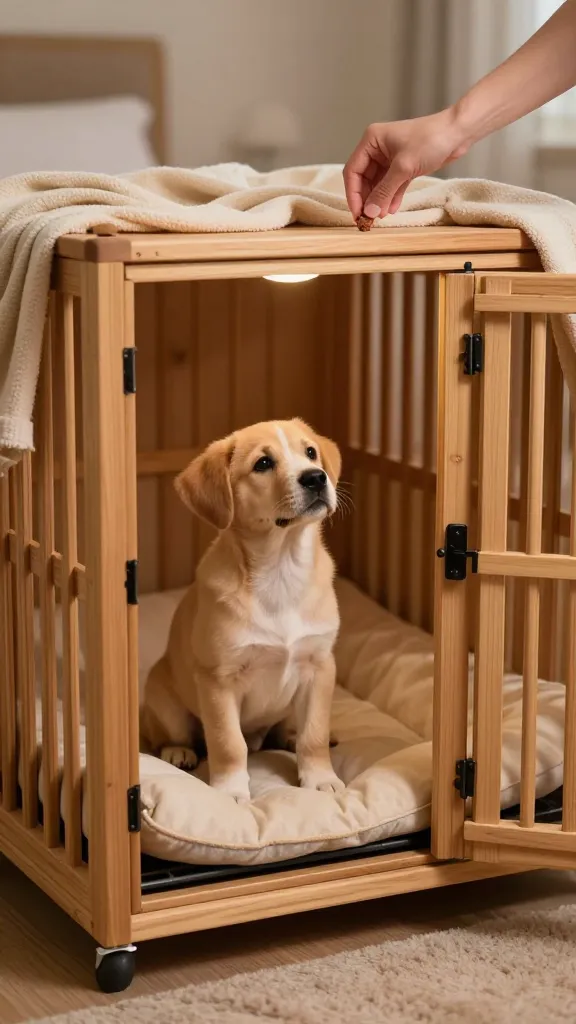
Mastering a cue makes crate time predictable and calming. Your dog learns that crate = bedtime, not time-out.
How to Teach It
- Use a simple cue like “bed” or “crate” paired with a hand signal
- Offer tasty rewards as they go in, then gradually reduce treats over time
- Close the door after they settle and stay calm for a few minutes, then extend the sleep window
Consistency here pays off big when night comes around again.
8. Progressive Withdrawal: Short Crate Sessions to Full Night
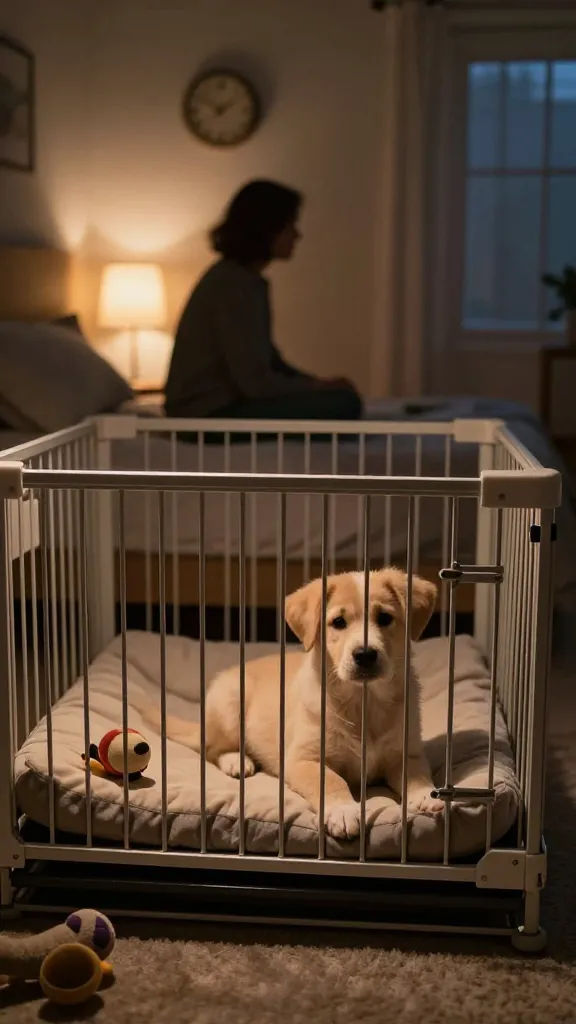
Start with short periods in the crate, then stretch to full-night sleep as confidence grows. This gradual approach prevents relapse into waking or accidents.
Step-by-Step Plan
- Night 1–3: 15–20 minutes in crate with you nearby, gradually increasing to 30–60 minutes
- Night 4–7: Move toward leaving the room for short intervals, returning with calm praise
- Week 2 onward: Crate through the night if progress is steady; otherwise, stay with shorter intervals until settled
Patience pays off with solid sleep for both of you.
9. Manage Potty Breaks Strategically During Training
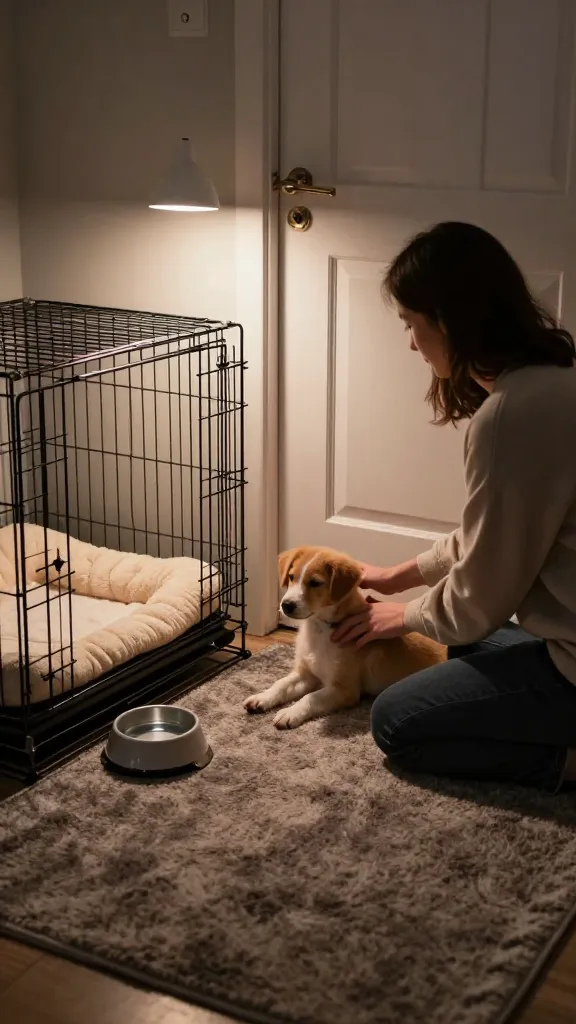
Nighttime accidents derail sleep, so plan potty routines that support long stretches of uninterrupted rest. A well-timed potty break can reduce wake-ups dramatically.
Smart Potty Tactics
- Take your puppy out right before bedtime and again after the first stretch of sleep if they wake
- Limit fluid intake in the last hour before bed
- Offer a brief, calm walk or sniff break to settle back in quickly
Consistency matters more than length. Build a dependable routine, not a marathon trip outside.
10. Celebrate Small Wins and Adjust Fast
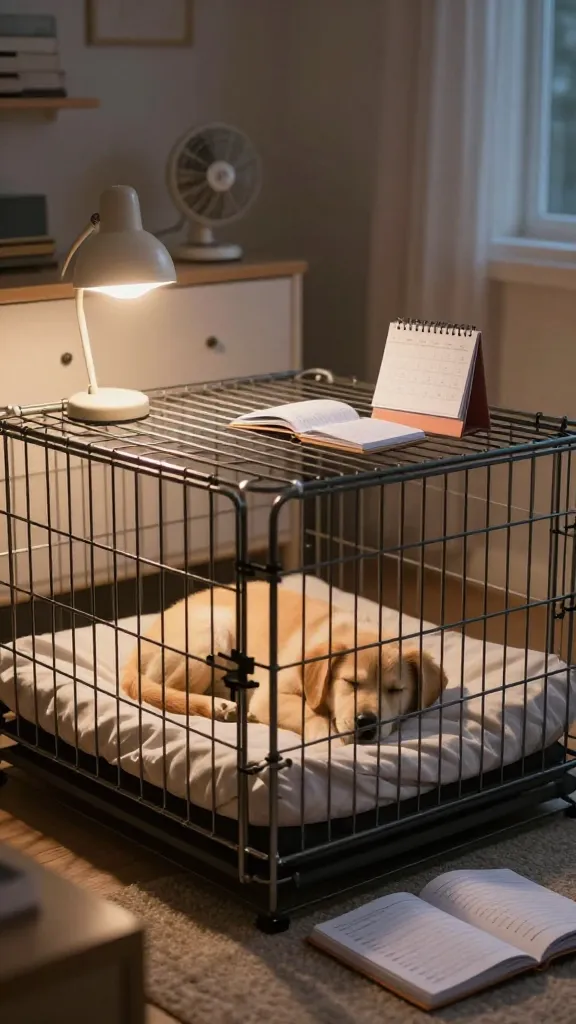
Progress isn’t linear, but every quiet night is a win. Celebrate the small victories and tweak anything that disrupts sleep.
Reflection Toolkit
- Note what worked and what caused restlessness in a simple diary
- Adjust crate placement, temperature, or routine based on patterns
- Keep a calm, patient mindset—dogs mirror our emotions during bedtime
The payoff is a more confident, settled pup and nights you actually look forward to again.
Wrapping up: these crate training tips are your roadmap to calmer nights and happier mornings. Start with one or two changes, then build toward a steady, peaceful routine that both of you love. Seriously, your sleep and your pup will thank you.
Ready to test drive these ideas tonight? Your best sleep is just a crate away.