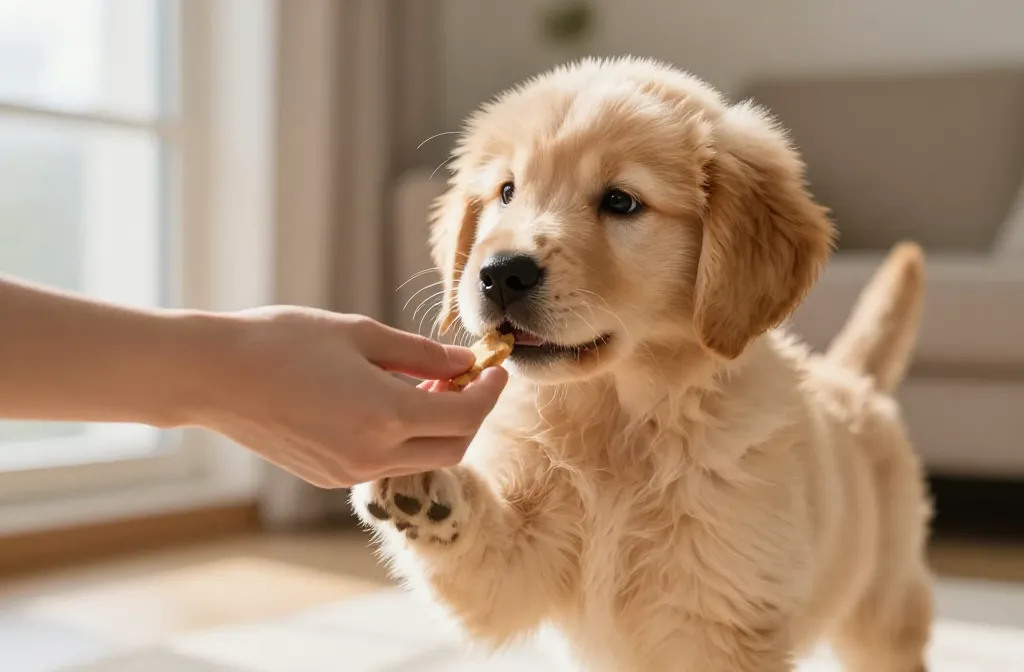
5 Golden Retriever Puppy Care Tips for Beginners
These tips are straight from my messy living room of trial and error with a goofy puppy by my side. Let’s cut the fluff and get your fluffy friend thriving fast. FYI, these bits actually work in real life, not just on Insta.
1. Start with Solid Socialization Routine
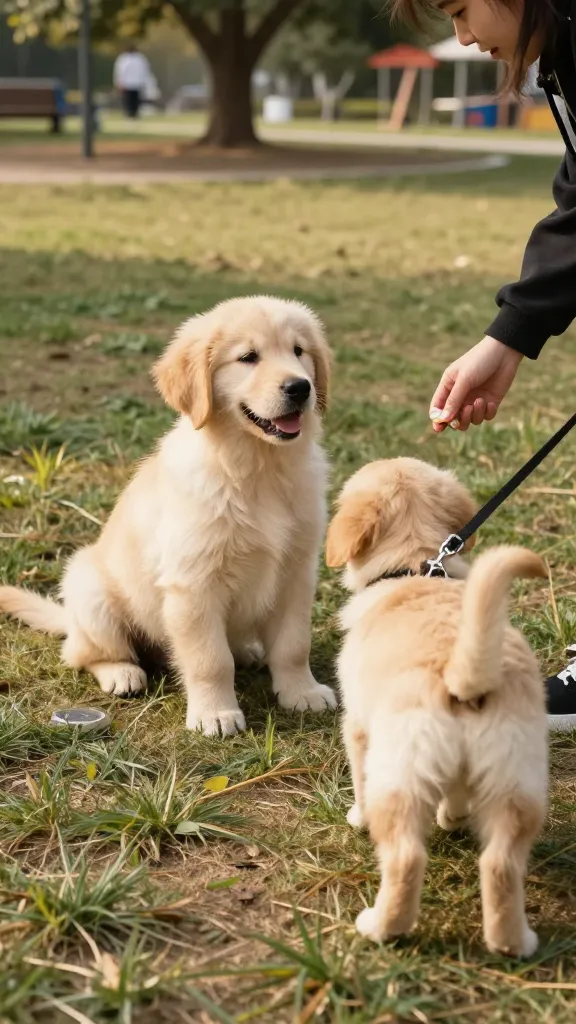
First weeks set the tone for a well-adjusted adult dog. A little structure goes a long way, and socialization doesn’t have to feel scary.
Why it’s awesome: Puppies learn boundaries, confidence, and new cues faster when they’re exposed to calm, varied environments. You’ll reduce later fearfulness and silly biting habits. Seriously, consistency beats spontaneity here.
Key Points
- Short, frequent exposure sessions (5–10 minutes, 2–3 times daily)
- Positive experiences with people, other friendly dogs, surfaces, sounds
- Gentle handling for nails, ears, and paws to build trust
Tip: Start with family members and a few safe neighbors, then slowly add parks or pet-friendly stores as your pup’s confidence grows. This isn’t a sprint; it’s a marathon of trust and curiosity.
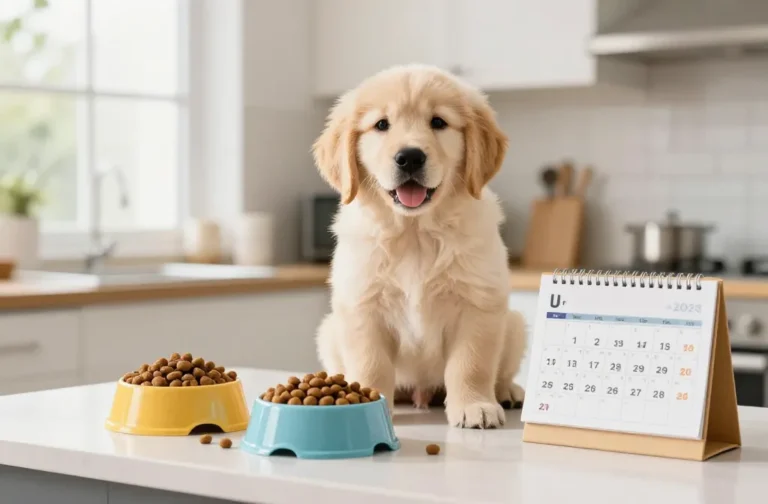
2. Create a Calm, Predictable Feeding Schedule
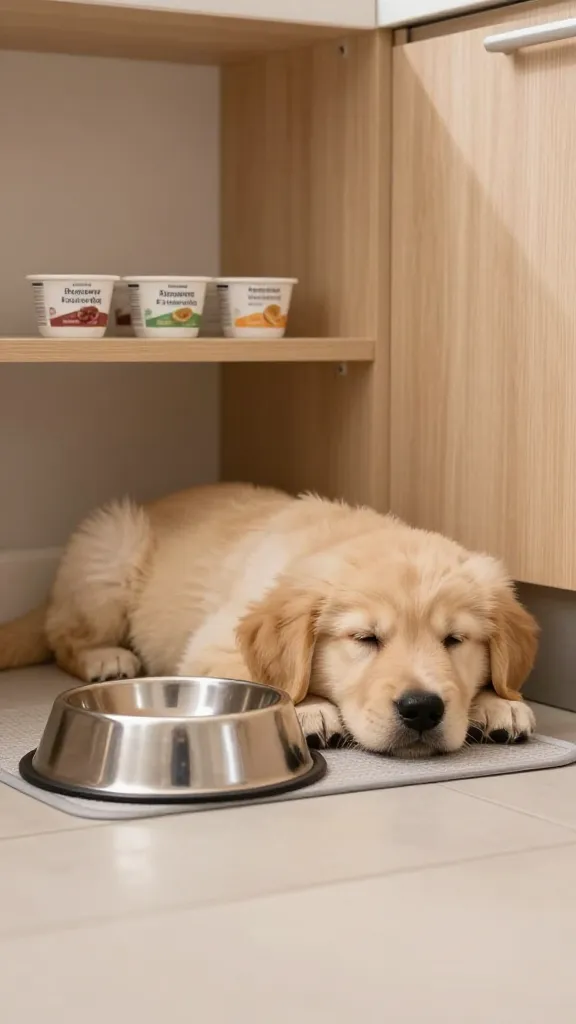
A sleepy, well-fed pup means fewer accidents and less chaos at home. Food timing shapes routines your pup will rely on for years.
Why it’s awesome: Regular meals stabilize energy, digestion, and mood. You’ll also reduce begging and anxiety around food if you establish a reliable schedule. Trust me, your mornings will feel less chaotic.
Tips
- Feed 3-4 meals a day for puppies under 6 months
- Keep bowls in the same spot to create a cue
- Choose a high-quality puppy-specific formula and follow label guidelines
Note: Always have fresh water available and remove bowls after a short period to prevent grazing. Use a feeding routine to map out potty breaks and playtime—huge win for potty training.
3. Invest in a Pleasing Yet Functional Crate Setup
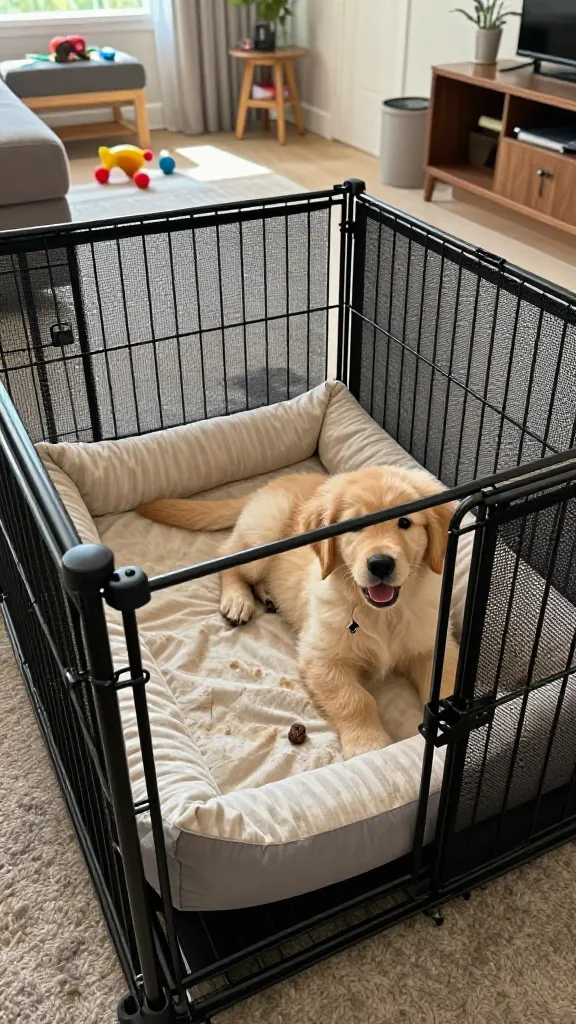
A crate is a superpower when used correctly. It gives your puppy a cozy den and saves furniture from tiny, curious teeth.
Why it’s awesome: A crate trained puppy learns boundaries, reduces anxiety during travel, and helps with housebreaking. It’s not punishment; it’s a safe, comforting space.
What to Do
- Choose a crate with breathable sides and a comfortable, washable bed
- Introduce gradually with positive reinforcement and treats
- Place the crate in a busy area to keep your pup social and secure
Bonus: Use the crate for planned naps and overnight sleep. It’s a game changer for stretching overnight durations as your pup grows.
4. Master Gentle Training Basics Right Away
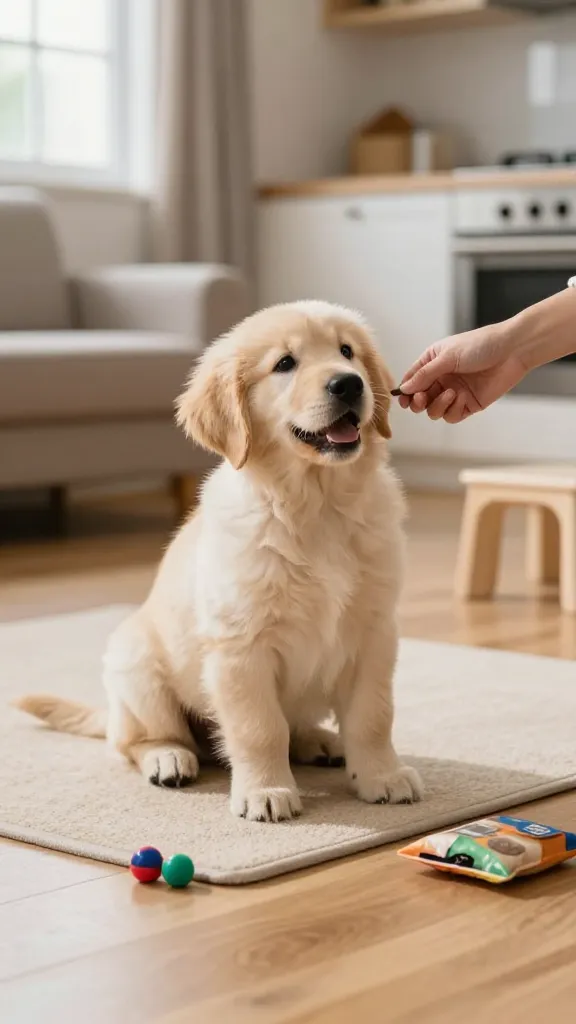
Puppy brains soak up commands fast when training is fun, short, and consistently rewarded. You’ll create a cooperative partner who’s excited to learn.
Why it’s awesome: Early training builds safety, improves recall, and reduces the need for harsh corrections later. It also strengthens your bond and makes daily routines smoother.
Essentials
- Short sessions (5 minutes) 2-3 times daily
- Positive reinforcement: praise, treats, play
- Focus on foundational cues: sit, stay, come, leave it, and potty cue
Pro tip: Use a clicker if you like marking precise behaviors, but verbal praise works just fine. FYI, consistency beats intensity—short, frequent practice trumps marathon sessions.
5. Prioritize Gentle Grooming and Health Checks
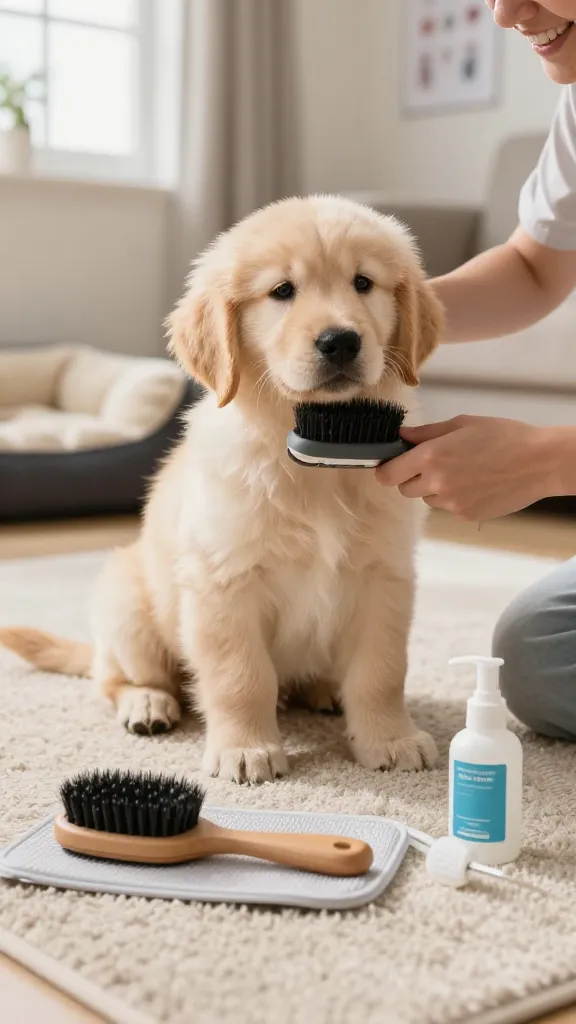
Your puppy’s coat, nails, ears, and teeth need regular, gentle attention. Grooming is bonding time that pays off in a shiny coat and comfy paws.
Why it’s awesome: Regular grooming reduces shedding mess, spot checks for skin issues, and keeps your pup comfy between vet visits. Plus, bonding over brushing is pure gold.
What to Include
- Brushing sessions 2-3 times per week (daily during shedding seasons)
- Gentle nail trimming or grinding every 2-3 weeks
- Ear cleaning with vet-approved solution; brush teeth regularly
Tip: Make grooming a calm, positive routine with treats and soft music. It’s not a chore—it’s cuddle time with a tiny terrier tail wag.
These five tips are your starter pack for a confident, healthy Golden Retriever puppy. They’re simple, practical, and designed to fit real life without turning your days into a training boot camp. IMO, you’ll thank yourself later when your puppy becomes a well-behaved, goofy adult dog who actually enjoys your company.
Ready to dive in? Grab a small treat bag, set a predictable schedule, and start today. You’ve got this—your future trail buddy will thank you with endless zoomies and the world’s most forgiving puppy gaze.