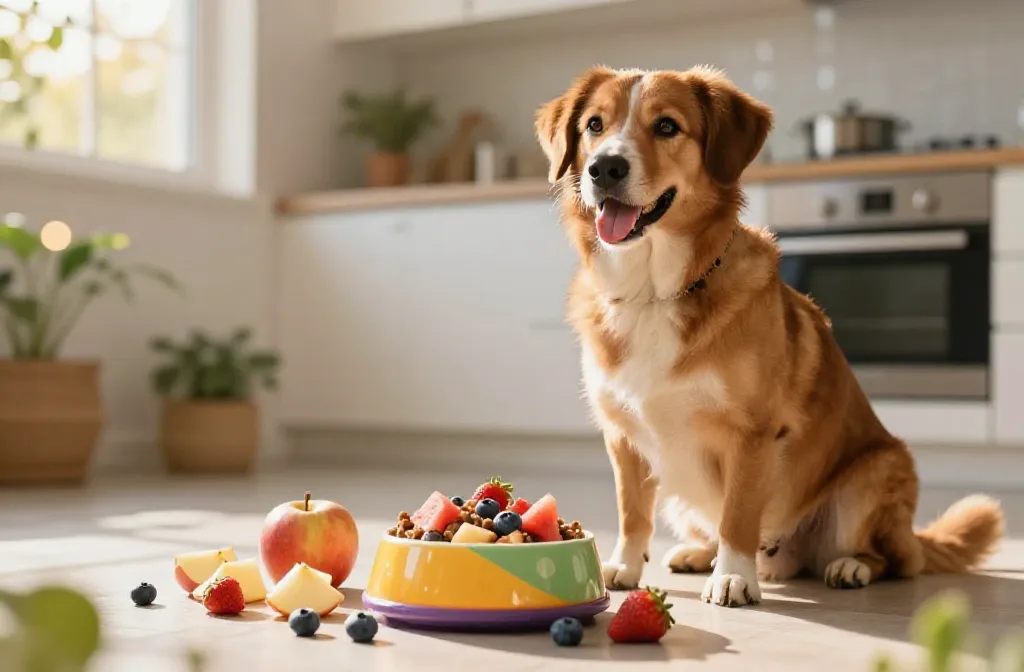
4 Dog Diet Tips with Fruits for Healthy Feeding
Dog nutrition can feel like rocket science, but these four fruit-forward tips prove you don’t need a vet degree to feed smart. Bite-sized ideas, big canine smiles, and a healthier pup in every bowl. FYI, your dog will thank you with extra tail wags.
1. Mix Fruit Safely Into Daily Meals

Fruit can brighten gravy bowls and fuel energetic adventures, but balance is everything. This tip keeps portions sensible while adding natural sweetness. Seriously, your dog will love the flavor boost and you’ll love the extra nutrients.
Key Points
- Choose dog-safe fruits: apples (seed-free), blueberries, strawberries, and watermelon (seedless, rind removed).
- Limit portions to about 10% of daily calories to prevent tummy trouble.
- Remove pits and seeds that could be choking hazards or contain traces of cyanide (yes, even in apples).
Incorporate small fruit chunks into regular meals or freeze them as a refreshing topper. This simple swap adds fiber, vitamins, and antioxidants without overhauling the entire diet. When to use it? As a treat during training sessions or as a late-afternoon snack to beat the sniffles of boredom.
2. Create a Fruit-Powered Hydration Boost
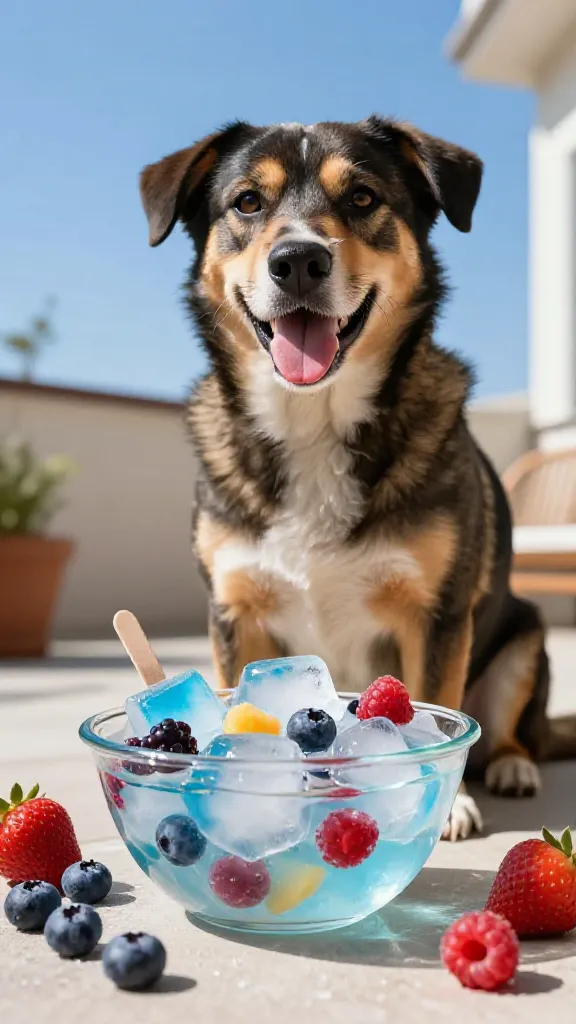
Hydration plus fruit equals a tasty, low-calorie way to keep your pup hydrated on hot days or after long walks. Think icy fruit cubes and splashy sherbet-like sensations (okay, not real sherbet, but you get the vibe). Trust me, hydration has never looked this delicious.
Tips
- Freeze dog-friendly fruits into ice cubes or small popsicles (no added sugar or dairy).
- Use water as the base and add a few berry bits for flavor.
- Always monitor for over-consumption of juicy fruits that can loosen stools.
Benefits include better water intake, a refreshed coat, and a chill, kid-glove approach to picky drinkers. When should you use it? On hot days, after play sessions, or during training when you need a quick motivator that isn’t a high-calorie treat.
3. Build a Gentle Fiber Boost With Fruits
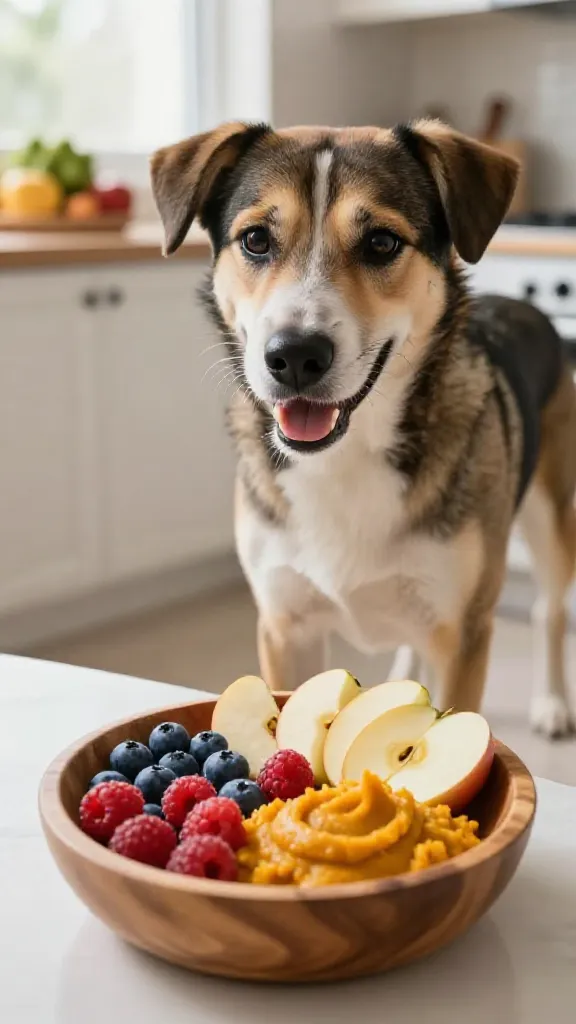
Fiber keeps digestion smooth and energy steady. Fruits provide a natural fiber boost without resorting to mystery supplements. It’s a simple switch that pays off with fewer tummy rumbles and happier stools. IMO, every dog deserves a digestion victory lap.
What to Include
- Blueberries, raspberries, and finely chopped apples with seeds removed
- Small amounts of pumpkin puree mixed into meals (pumpkin is fruit, right? It is) (check with your vet on portion size)
- Rinse fruit well to remove pesticides and introduce gradually to avoid GI upset
Start slow and observe. Benefits appear as steadier energy, a more regular bathroom pattern, and a happier, less bloated belly after meals. Use when your pup’s coat looks dull or if you notice digestive quirks after big meals.
4. Master the Art of Safe Serving Sizes and Timing

Fruit can be a treasure trove of nutrients, but portion control and timing are the secret sauce. This section ensures you don’t accidentally turn your healthy snack into a gassy, grumpy pup. FYI, moderation is not a buzzkill—it’s your best friend.
Practical Guidelines
- Match fruit portions to your dog’s size: small dogs get tiny cubes; large dogs get a few larger chunks.
- Use fruit as occasional treats rather than daily staples to preserve appetite for balanced meals.
- Introduce one fruit at a time to monitor allergies or sensitivities; avoid citrus in large amounts.
End note: when you respect serving sizes and timing, fruits become a delightful enhancement rather than a disruption. Applications include training rewards, snack breaks, and weekend special meals that feel like a treat but stay friendly to digestion and weight.
Conclusion: Ready to give your pup a fruit-forward feeding vibe? Grab a few dog-safe fruits, test portion sizes, and watch the tail wagging begin. You’ve got this—your dog and your kitchen both win, and seriously, that’s a vibe worth chasing.