7 Dog Training Tips for Terriers
Terrier energy is a superpower—when you channel it correctly. These seven tips are bite-sized, practical, and friendly enough to actually work without turning training into a full-time job. Ready to see your pup listen with enthusiasm?
1. Nail the Timing: Short Sessions, Big Payoff
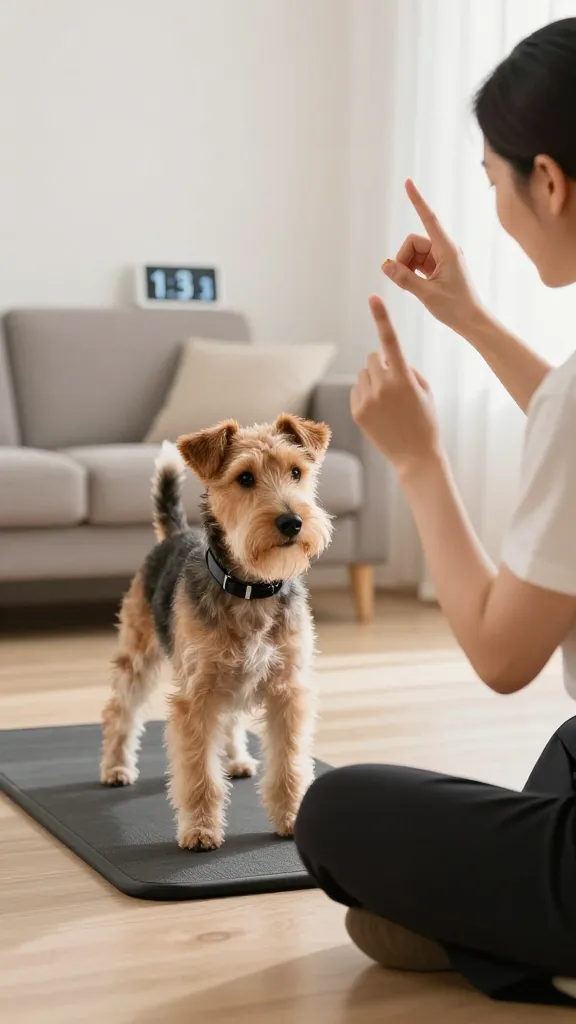
Terriers burn through energy fast, so keep sessions brisk and punchy. Short bursts help maintain focus and prevent frustration for both of you.
Why it’s awesome — you’ll see quicker progress and fewer blown-off days. IMO, consistency beats marathon sessions any day.
Key Points
- Aim for 5–10 minute sessions, 2–3 times a day.
- End on a success note to build confidence.
- Use a predictable routine so your pup knows what to expect.
End with a tiny reward and a breath of relief for both of you. Benefits: steadier behavior, more reliable responses, and less sneeze-inducing frustration during real-life training.
2. Positive Reinforcement Like A Pro
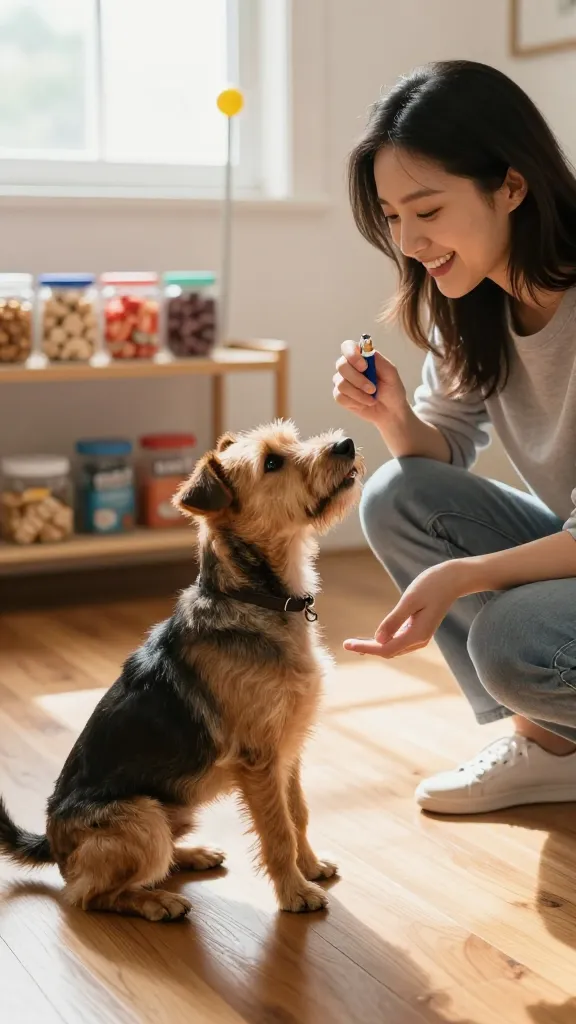
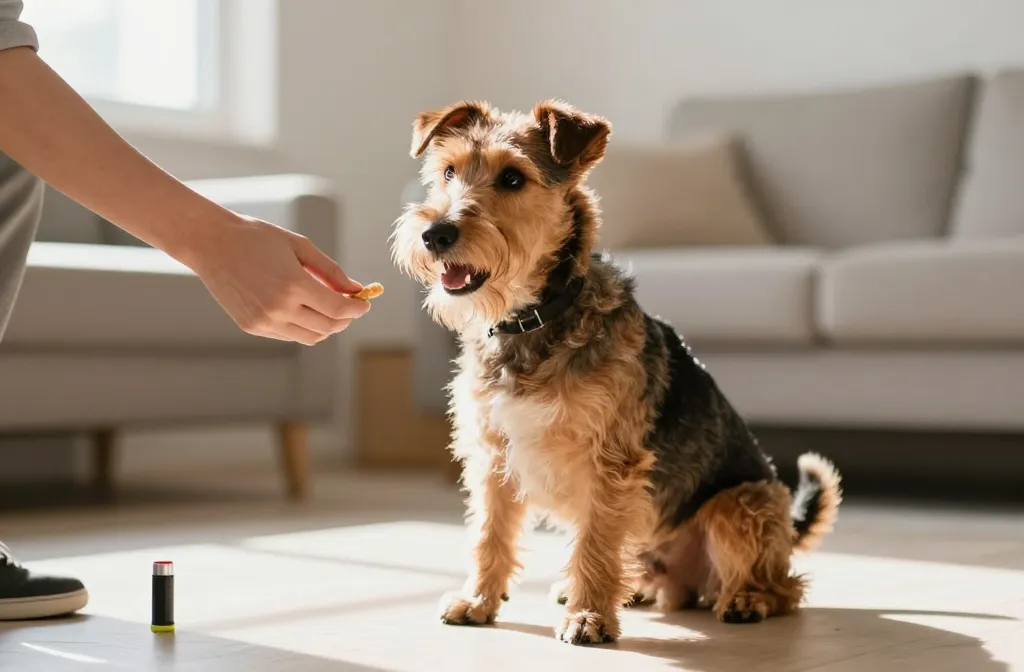
Terriers thrive on praise and tasty rewards. Make every correct move feel like a win, and your pup will echo the behavior with gusto.
FYI, avoid punishment—it usually backfires and just turns training into a game of hide-and-seek with fear. Trust me, it’s not cute when your dog hides behind the couch during a recall.
Tips
- Use high-value treats for new tricks.
- Pair a click or verbal cue with a reward immediately.
- Keep rewards consistent but varied (small, tasty surprises).
Benefits: faster learning, stronger trust, and a happier training vibe in your living room or yard.
3. Teach Impulse Control Before Anything Fancy
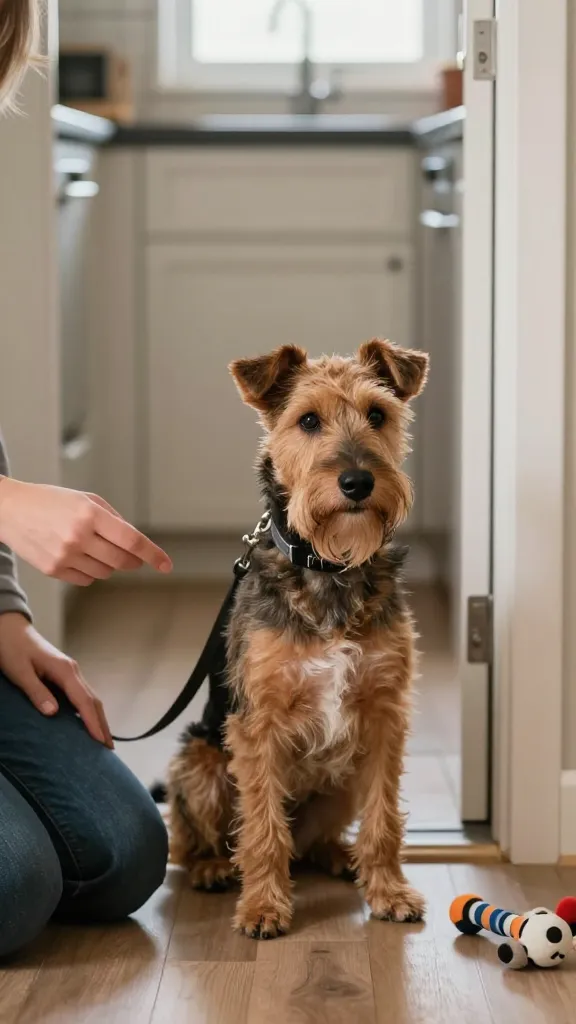
Terriers are naturally impulse-driven; teaching control early saves you from chaos during walks and mealtime. It’s the quiet hero move of training.
Think of it as pre-paving the path to better behavior. It’s not glamorous, but it’s essential.
Key Elements
- “Wait” before meals, doors, or toy grabs.
- Practice in short spurts around distractions you’ll encounter daily.
- Use a release word like “OK” to signal permission to proceed.
End result: calmer dogs who don’t bolt for the street, and more control during family life. Applications: better leash manners, safe play, calmer greetings with guests.
4. Socialization That Feels Like Fun
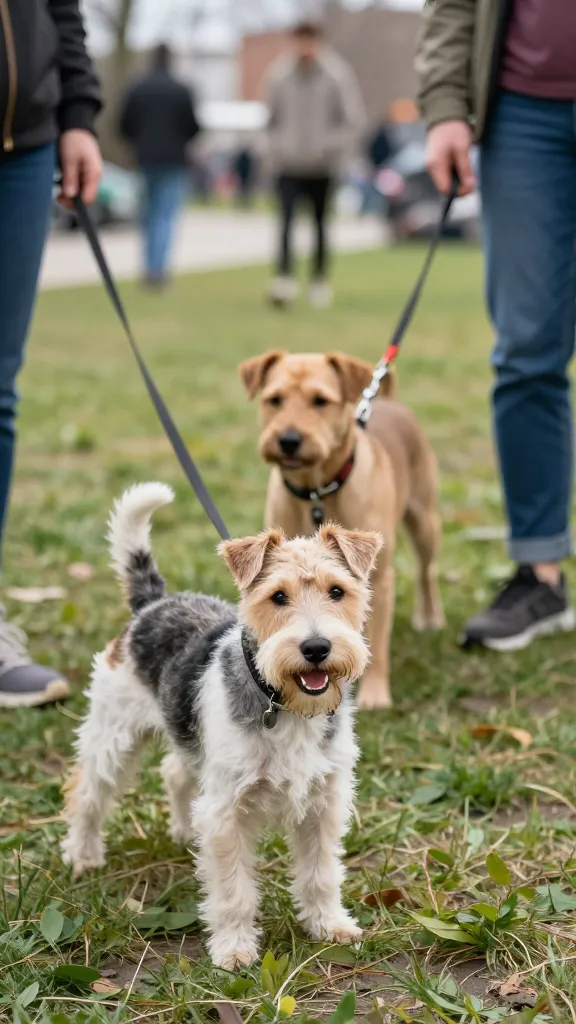
Terriers need social exposure—safely and gradually. Desensitizing your pup to people, dogs, and sounds reduces fear-based reactions and boosts confidence.
Seriously, socialization is not optional—it’s practical insurance against unnecessary drama at the park or in new neighborhoods.
Approach
- Mini-playdates with calm dogs and tolerant humans.
- Controlled sniff-and-go sessions in varied environments.
- Short, positive experiences with busy places to normalize the chaos.
Benefits: friendlier dog, safer walks, and fewer overreactions to new stimuli. It’s a long-term payoff, but worth it from day one.
5. Create a Clear, Predictable Routine
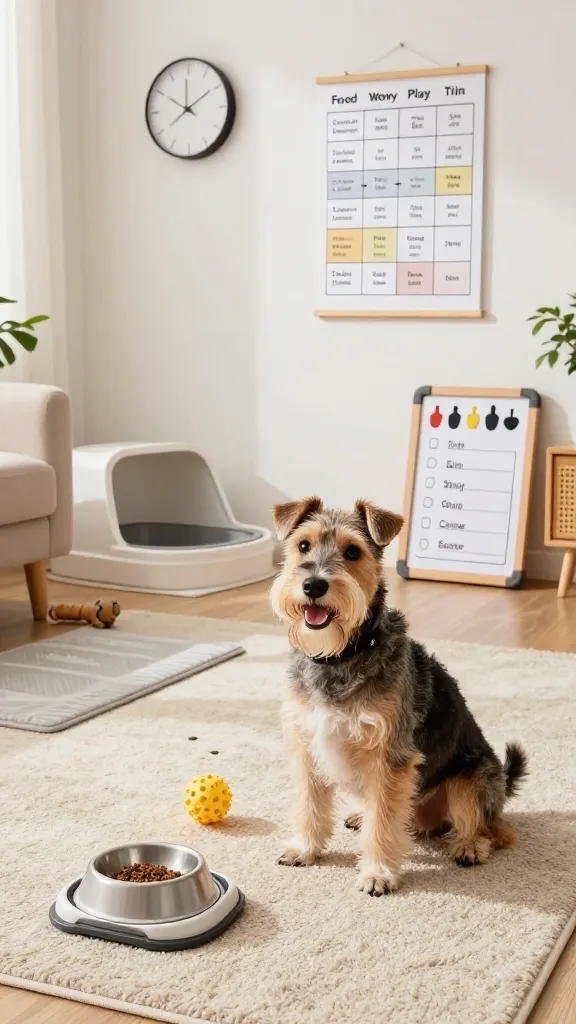
Terriers crave structure. A predictable schedule reduces anxiety and helps them understand what’s expected, which means fewer “oops” moments.
IMHO, routine is your stealth training tool—consistency leads to growth without nagging your pup every second.
What to Include
- Regular feeding, potty, play, and training times.
- Consistent cues for common tasks (sit, stay, come).
- Calm transition times between activities to prevent energy spikes.
End note: a routine makes sessions smoother, results quicker, and bedtimes predictable. Applies to every room in the house, not just the training corner.
6. Use Engaging, High-Energy Cues
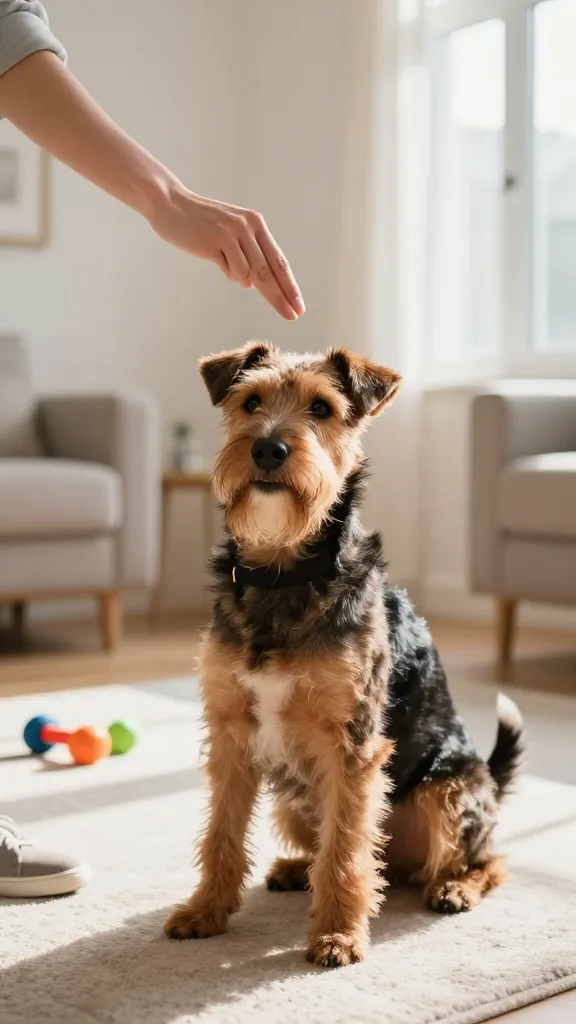
Terriers respond to cues that match their lively spirit. Short, crisp commands with a bit of flair keep them engaged and excited to participate.
Trust me, boring phrases breed bored dogs. A little pep in your commands goes a long way.
Suggestions
- Keep commands to one or two syllables: “Sit,” “Down,” “Come.”
- Anchor cues to actions with a consistent hand signal.
- Mix in fun distractions to test reliability (toys, doors, squirrels optional).
Benefit: repeatable responses in real life, not just in your kitchen. Use during walks, park trips, and family fetch sessions.
7. Make Training a Game They Love
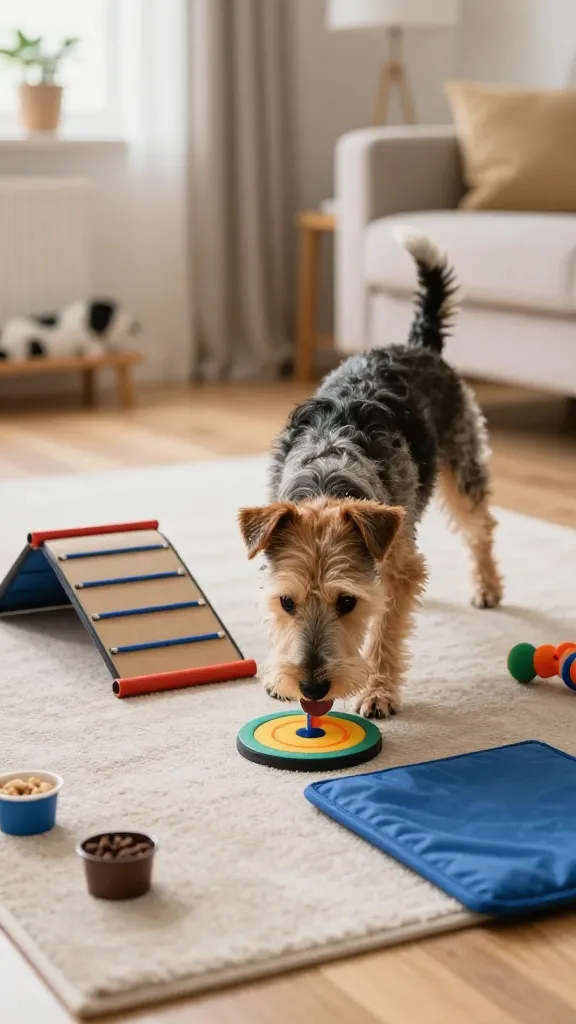
Terriers are clever and curious—turn training into a brainy treasure hunt. Gamify tasks to keep the fun high and the motivation higher.
IMO, laughter and play beat drills any day. If your dog’s having fun, you’ll both keep showing up for more.
Game Ideas
- Target practice: teach a nose tap to a specific spot and reward.
- Shape-up challenges: reward successive approximations toward a trick (spin, bow, crawl).
- Obstacle mini-course: weave poles, low jumps, and pauses to build focus.
End result: a clever, engaged terrier who loves learning. Applications: backyard sessions, living room trick days, and pet-friendly meetups where you want a well-behaved but playful pup.
Overall, these tips help you cultivate a dog that’s energized, responsive, and reliably, joyfully trainable. FYI, progress may be incremental, but the ongoing wins add up fast. Seriously, stick with it and enjoy the ride!
Conclusion: You’ve got seven practical routes to channel your terrier’s zest into real skills. Grab treats, pop on a timer, and start today—your confident, well-mannered pup is closer than you think. Let’s make training a highlight reel, not a homework assignment!