5 Crate Training Puppy While Working Tips: Calm, Quick Wins
Shipping your new fur buddy back to the couch isn’t an option, so let’s make crate training a breeze while you’re clocking in. These tips are practical, quick to implement, and friendly enough to keep you sane during a busy day. FYI, consistency beats chaos every time.
1. Set Up A Cozy, Inviting Space That Sparks Calm
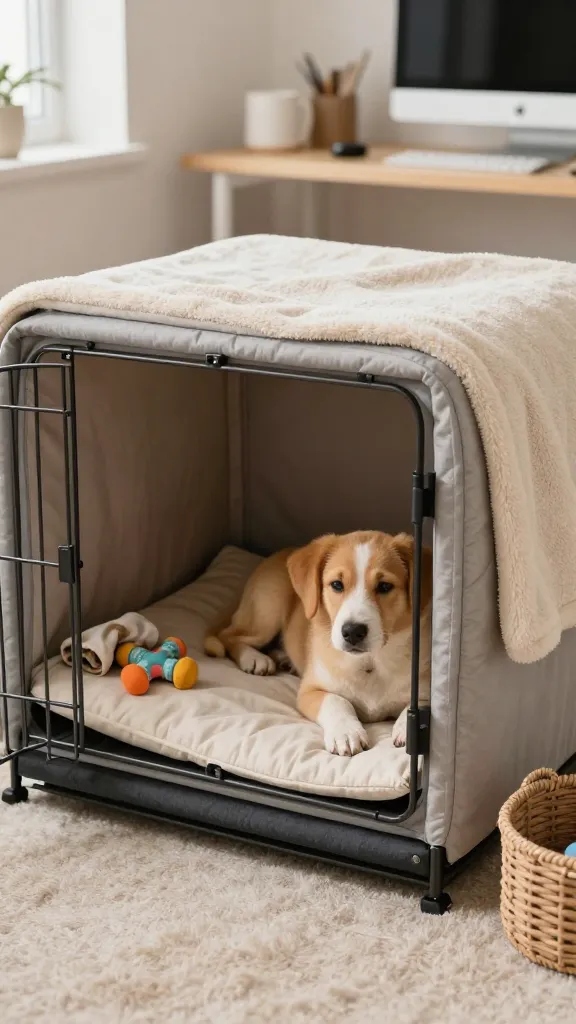
Your crate should feel like a tiny safe apartment, not a cage. The moment your puppy steps inside should scream comfort, not punishment. Seriously, the right setup changes everything.
Why it’s awesome: a calm puppy = better focus during work breaks, fewer messes, less anxiety when you’re out of sight. Let’s BUILD that sanctuary.
Key Elements:
- Crate with padding that’s washable and non-slip
- Low, secure door for quick access
- Soft blanket, a few chew-safe toys, and a familiar scent
Tip: place the crate in a shared area so your pup feels part of the action, not isolated in a lonely corner. Benefits kick in fast: calmer mornings, quicker naps, and fewer protests when you log in.
2. Master the 15-Minute Rule: Short, Consistent Crate Sessions

Long sessions scare puppies. Short, frequent practice builds a positive association and speeds up independence. IMO, consistency is the secret sauce here.
Why it’s awesome: you establish a routine your puppy can predict, which reduces stress for both of you. Do it right, and you’ll notice fewer whines during your video calls.
Structure to Try:
- 15-minute crate time paired with a tasty treat or puzzle toy
- Gradually extend by 5-minute increments as comfort grows
- End with a happy, confident exit before you return to work
When to use: morning wake-up, mid-morning break, and late afternoon wind-down. This cadence keeps urges manageable and work interruption minimal.
3. Create a Predictable Cue System That Converts Anxiety to Anticipation

A cue system tells your puppy what’s coming next, reducing abruptness and fear. If they know crate time is coming, they’ll start to relax ahead of you leaving the room.
Why it’s awesome: a simple routine cue makes separation feel normal, not dramatic. Trust me, your coworkers will thank you for the quiet dog and the fewer slides on mute.
Practical Cues:
- “Crate time” announced with a calm voice
- Hand signal combined with a food-dense treat
- A consistent door routine: approach, praise, and slow exit
End result: your puppy learns that crate time is just part of a routine, not a dramatic episode. Benefits include less tail wagging during your calls and more focus on the task at hand.
4. Invest in High-Value, Safe Toys to Keep them Entertained
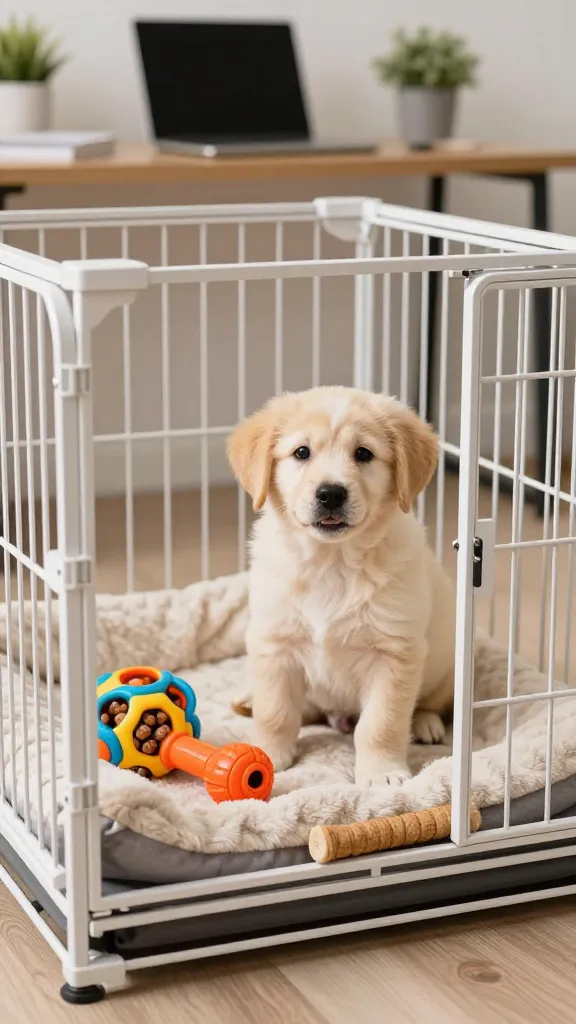
Tancy distraction is your best friend when you’re juggling work and puppy energy. The right toys stretch a crate session and channel energy into something constructive.
Why it’s awesome: a well-chosen toy can turn crate time into a positive, even enjoyable, experience. FYI, avoid cheap, noisy toys that annoy office neighbors.
Toy Essentials:
- Kong or similar chew-filled toys
- Interactive puzzle toys with kibble rewards
- Durable chew sticks that fit comfortably inside the crate
Tip: rotate toys every few days to keep novelty high. The long-term payoff? Longer crate sessions, fewer outside-of-crate breaks, and a happier pup when you hit the send button.
5. Plan a Clear Schedule for Breaks, Meals, and Rest

A well-timed plan reduces guesswork for both you and your puppy. When you map out meals, potty breaks, and crate time, your day becomes predictable—less chaos, more calm.
Why it’s awesome: predictable routines help your puppy know what to expect, which reduces anxious behavior and boosts crate acceptance. Seriously, planning is half the battle.
Sample Schedule:
- 7:00 AM wake and potty, 7:15 AM breakfast
- 7:30 AM short crate session with a chew
- 9:00 AM 15‑minute play break away from the crate
- 12:00 PM lunch and a longer nap
- 3:00 PM quick potty, contains a crate time reward
- 6:00 PM evening walk and family time
Benefits show up as fewer accidents inside, smoother transitions, and a dog that happily accepts crate time as part of daily life. You’ll start to see a calmer, more confident puppy who respects boundaries and your schedule.
Want to tailor these tips to your space? Start with one or two changes this week, then layer in the rest. FYI, progress isn’t linear, but consistency compounds like a snowball rolling downhill. Trust me, you’ll thank yourself later.
Conclusion: You’ve got this. With a cozy crate, steady practice, predictable cues, tasty distractions, and a solid daily plan, you’ll turn crate training into a manageable part of your workday. Go ahead and try these ideas—your pup and your productive self will thank you.