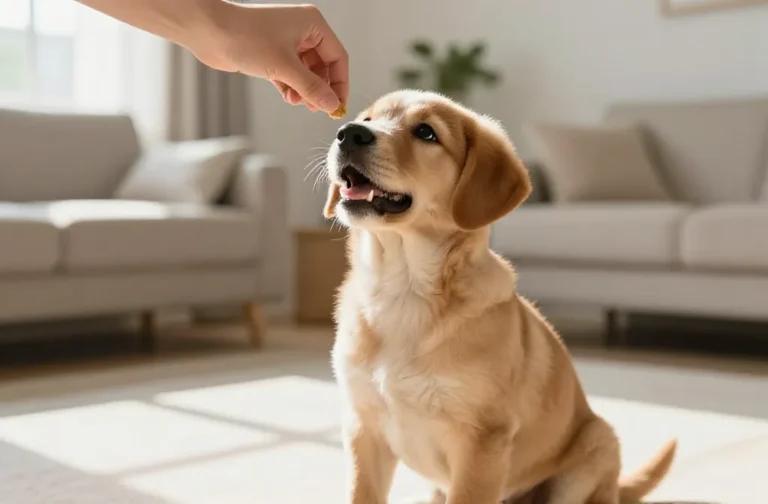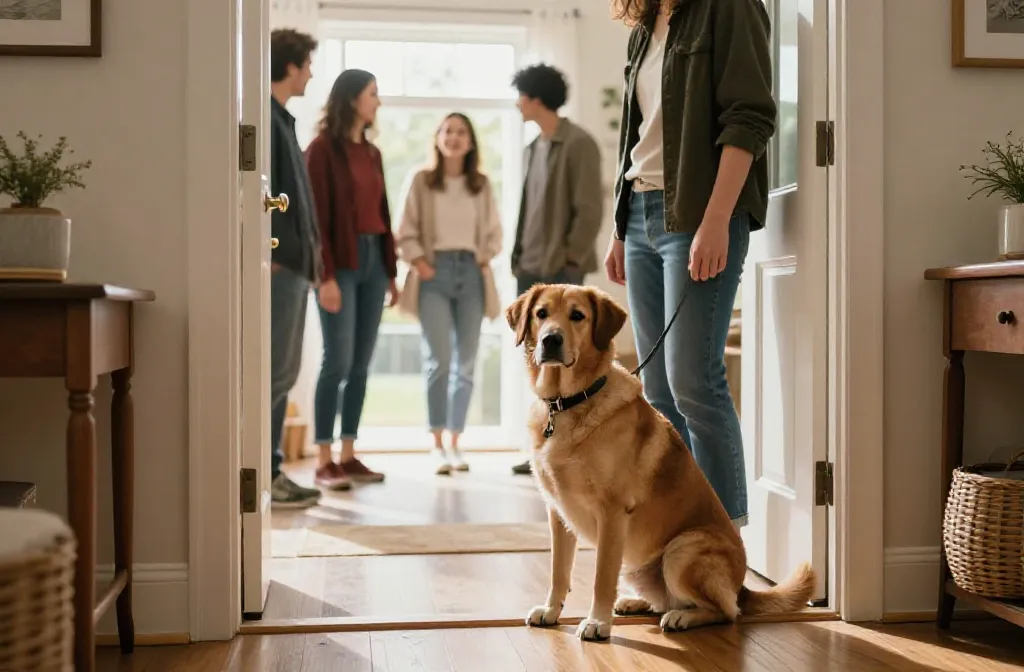
7 Ways to Stop Dog From Jumping on People
Jumping can be cute for a sec, but it wears thin fast. These seven strategies are practical, friendly, and surprisingly effective. Get ready to enjoy calmer greetings and fewer yard messes.
1. Teach the Power of Sit First
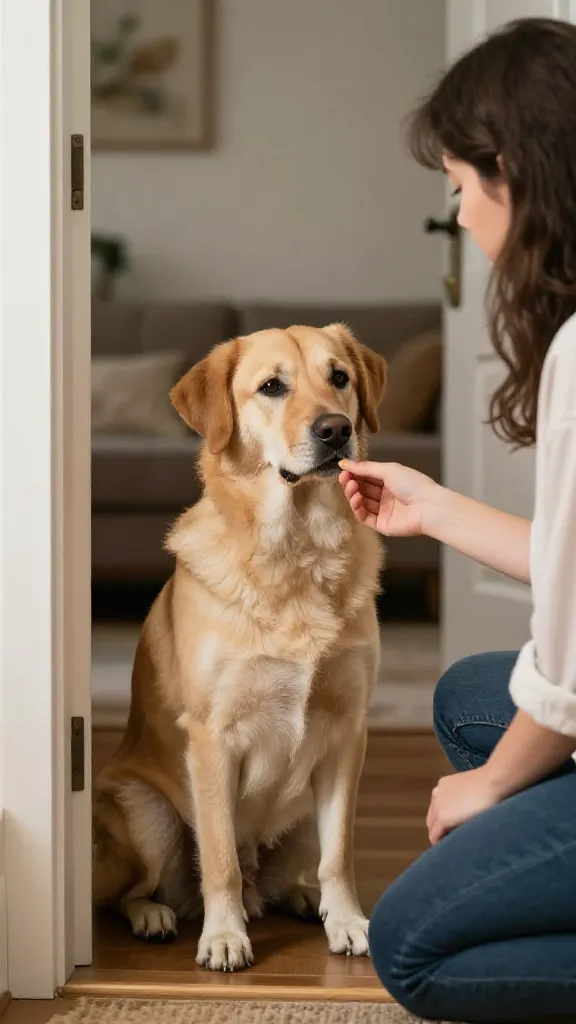
Sitting reduces the impulse to jump and gives you instant control. When your dog greets you or guests, a sit means you set the tone instead of your pup setting the tone with paws on people.
Why it works: a predictable behavior is repeatable in every room, every door, every visitor. And yes, it’s as simple as rewarding calm moments.
Key Points
- Start indoors with minimal distractions
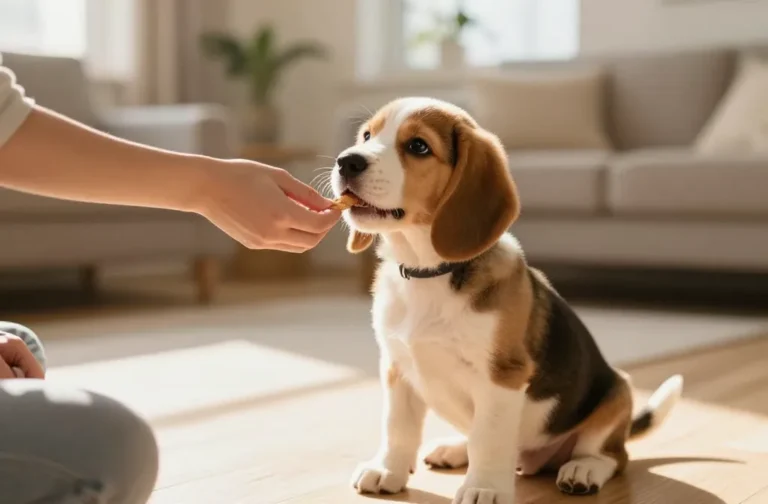
- Reward with treats, praise, and a calm voice
- Gradually add doorways and visitors
Tip: practice during bathroom breaks or before meals when everyone’s in a good mood. If your dog sits reliably, you’ve got a solid foundation for the next steps. Trust me, consistency beats flashy tricks every time.
2. Swap Jumping for a Gentle Greeting Cue
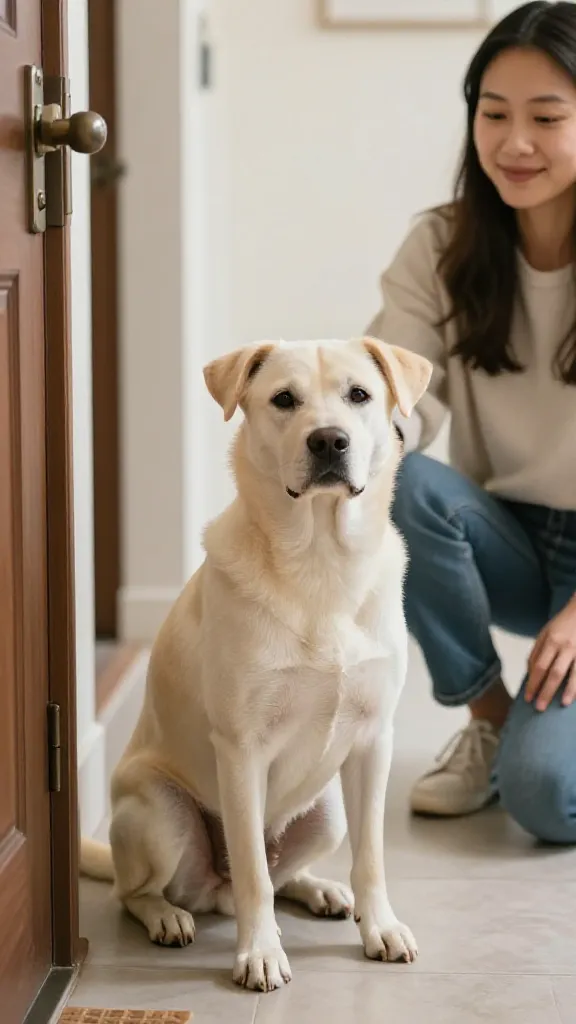
Give your dog a clear alternative to jumping. A simple cue like “Greet” or “Say hi” redirects energy into a structured behavior, not chaotic chaos at the front door.
This cue creates a ritual your dog can anticipate, which lowers the excitement level and keeps the moment friendly for guests.
How to Implement
- Pair the cue with a sit, then a calm head-hose touch or movement away from people
- Reward only when paws stay on the floor
- Practice with different people so your dog learns to generalize
FYI, this approach helps visitors too—no more scrambling to shield ankles. Seriously, it’s a win-win across the board.
3. Use Controlled Greetings with All Temperatures
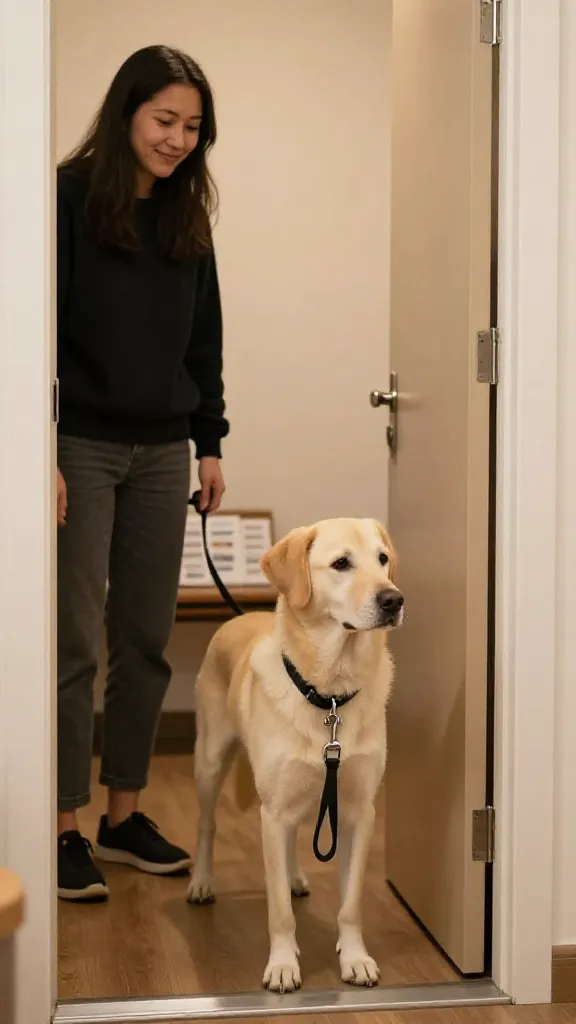
Controlled greetings mean you shape the environment. Before guests arrive, have a plan: quiet room, a leash handy, and a couple of quick commands ready to roll.
Think of it as a mini-milestone every time you welcome someone. The goal isn’t to suppress enthusiasm but to channel it into appropriate behavior.
Tips for Success
- Keep leashed greetings for the first few weeks
- Invite one calm guest at a time to reduce overwhelm
- End with a treat and a happy release cue
Benefits? Less chaos at the door, guests feel safer, and your dog learns self-control in a real-world setting. IMO, this is the practical backbone of a well-behaved pup.
4. Pre-Party Prep: Exercise, Mental Stimulation, Then Food Calm
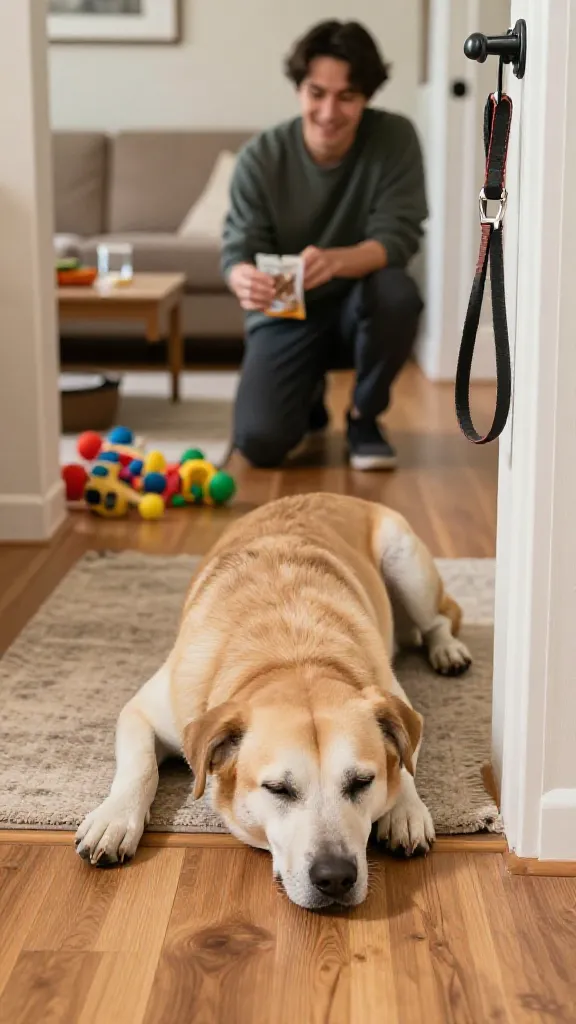
A tired dog is a well-behaved dog—usually. A quick ramp-up of exercise, plus mental challenges, lowers the urge to jump. End with a calm food moment to seal the deal.
When you mix movement with mind games, you’re building a durable foundation for greet-time success.
What to Do
- 30 minutes of brisk walk or fetch before guests arrive
- 15 minutes of puzzle toys or sniffing scavenger hunts
- Short, high-value treat session after guests arrive
Applications: use this routine for weekend gatherings or family visits. It turns “Hi!” into a contented, controlled hello. Trust me, the change is noticeable fast.
5. Leash-First Greetings for Socialization Wins
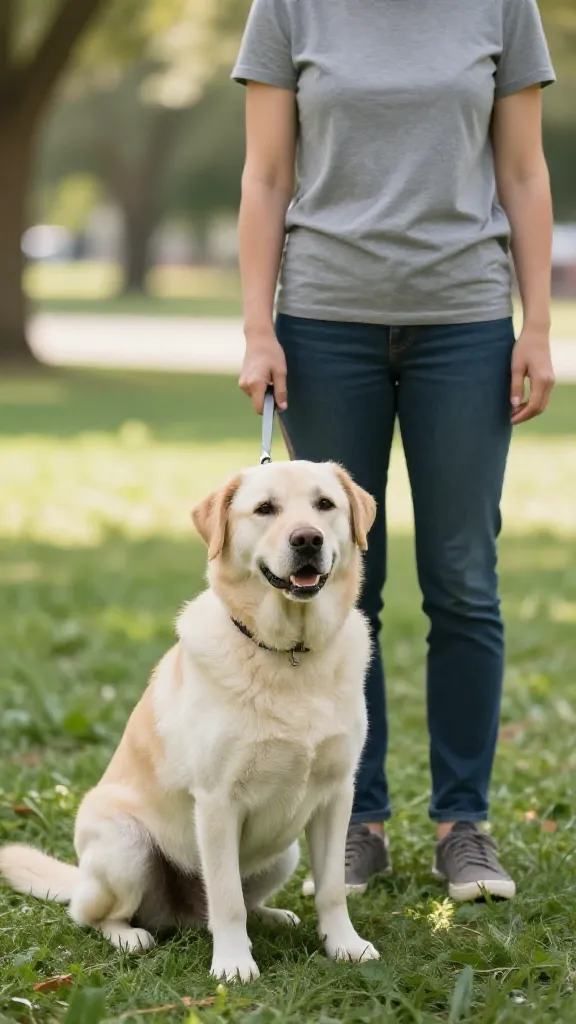
Leashes aren’t prison bars; they’re training tools. A leash gives you leverage to guide behavior while your dog learns how to greet politely.
Gradual exposure under controlled conditions makes a huge difference once you remove the leash. It’s all about progress, not perfection from day one.
Structure to Follow
- Attach a lightweight leash during greeting windows
- Ask for a sit before any petting or attention
- Reward calm behaviors and ignore jumping attempts
Perks: faster transfer from chaotic greeting to calm acceptance. IMO, this is the most practical step for homes with frequent visitors.
6. Gate Systems and Boundary Training for Real-Life Scenarios
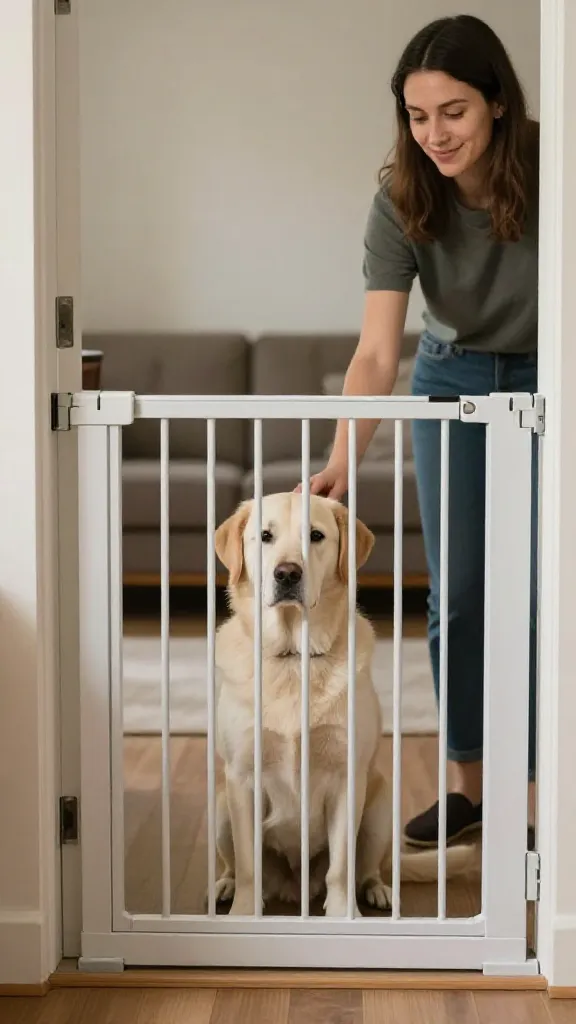
Boundaries aren’t about punishment; they’re about clear signals for what’s allowed. A well-placed gate or boundary helps your dog learn that some spaces are for calm greetings, not wrestling matches with people.
Boundary training translates to all daily routines—from front doors to couches to the mailbox run.
Practical Boundaries
- Use baby gates at entry points until your dog masters calm greetings
- Mark boundary zones with positive cues like “Stay” or “Back”
- Gradually extend the boundary as confidence grows
When to use: especially helpful for guests who arrive in a flurry or for dogs who jump at every new face. It’s all about consistent rules you both understand.
7. Real-World Consistency: Practice, Track, and Celebrate Progress
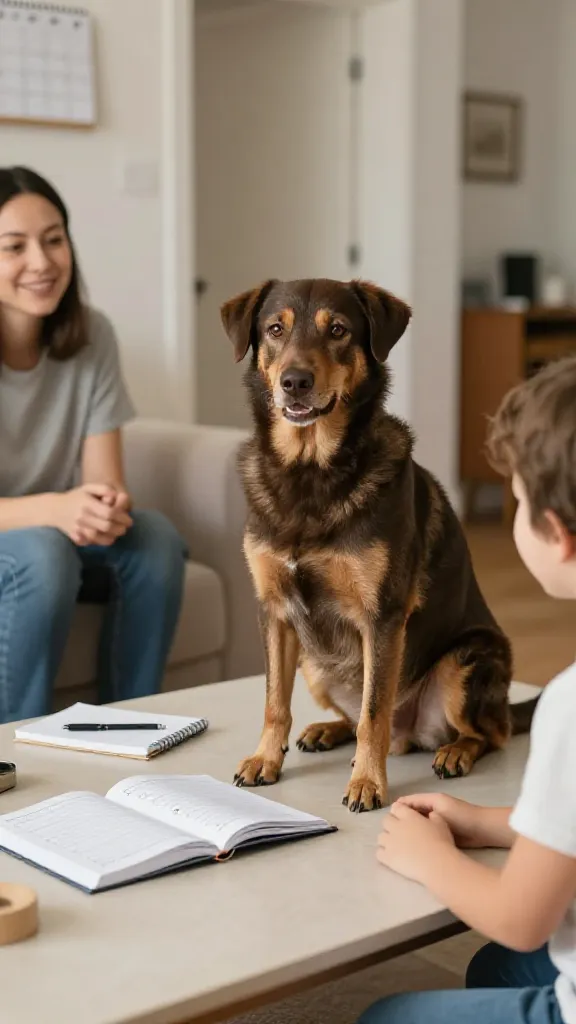
Consistency is the secret sauce. Practice in different rooms, with different people, and at varying times of day. Celebrate each tiny victory and keep the goals in sight.
Use a quick diary or simple notes to track what works and what doesn’t. The more you practice, the more your dog reads your expectations without confusion.
How to Stay on Track
- Schedule short, daily training sessions
- Record progress notes after each greeting
- Reward steady behavior and minimal hard stares at people
Benefits are tangible: calmer greetings, happier guests, and a dog that looks up to you for cues rather than leaping first. Seriously, you’ll notice the shift in a couple of weeks if you’re consistent.
Want to see real results? Pair a couple of these ideas, stay patient, and keep the vibe light. Your dog will pick up the cues faster than your imagination allows.
Conclusion: You’ve got this. With these seven moves, greet-time becomes predictable, joyful, and actually pleasant. Go try them tonight, and watch the miracle of calmer, happier hellos unfold.