5 Tips on How to Train Your Dog to Ignore Distractions Mastery
If your pup’s world is a constant hustle of squirrels, squeaky toys, and mail carriers, you’re in the right place. These tips cut through the chaos with bite-sized, practical steps. FYI, consistency beats hype every time.
1. Make Distraction Training Your New Favorite Game
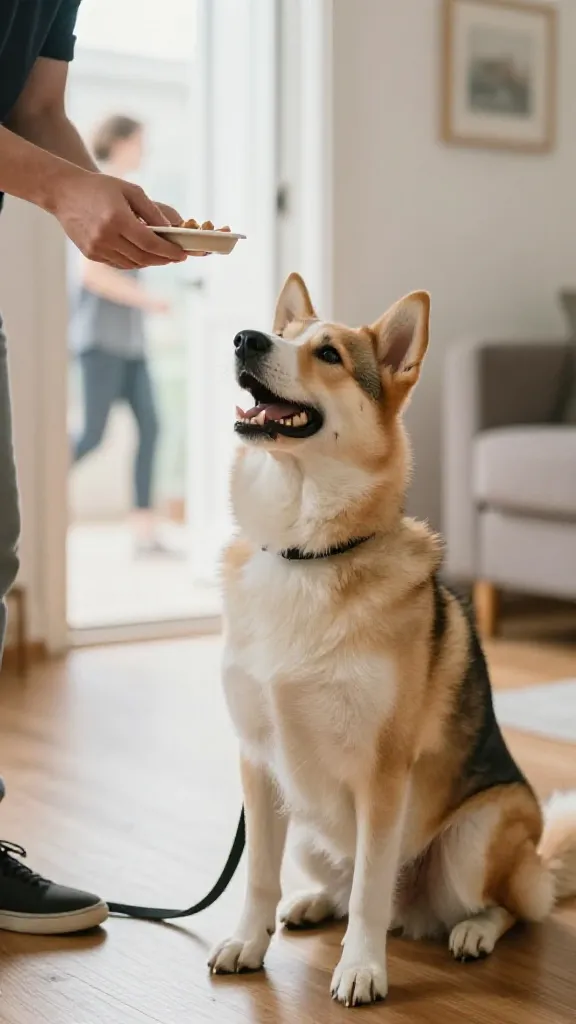
This isn’t a boring drill—it’s a playful routine that your dog actually enjoys. The trick is to pair focus with something irresistible and repeatable. Your goal: fetch attention, then reward, not chase the distraction.
Key Points
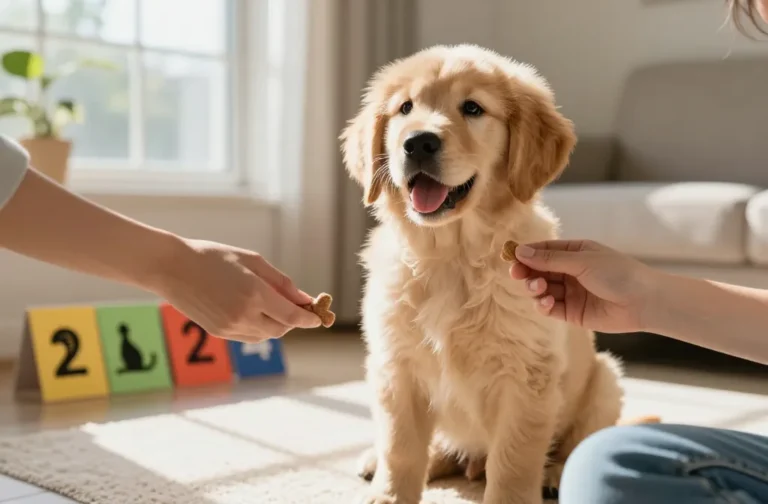
- Choose a high-value reward your dog loves (pretend you’re bribing with a treat jackpot).
- Start in a quiet space, then gradually add real-world distractions.
- Keep sessions short and end on a successful note so your dog wants more.
Remember, consistency is your best friend here. If you skip days, your pup forgets the rules you’re trying to reinforce.
2. Train a Solid “Focus” Cue That Still Works in Chaos
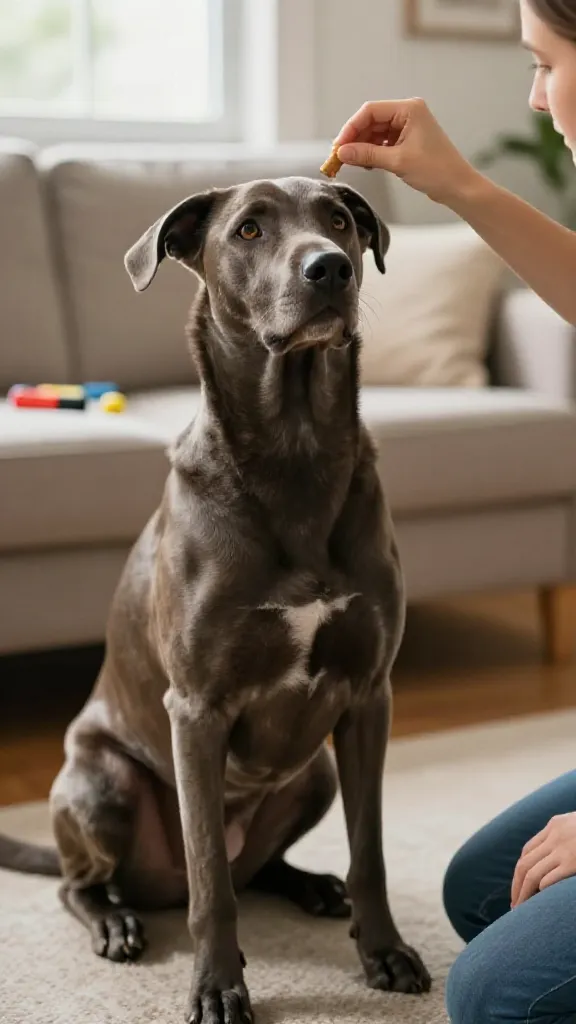
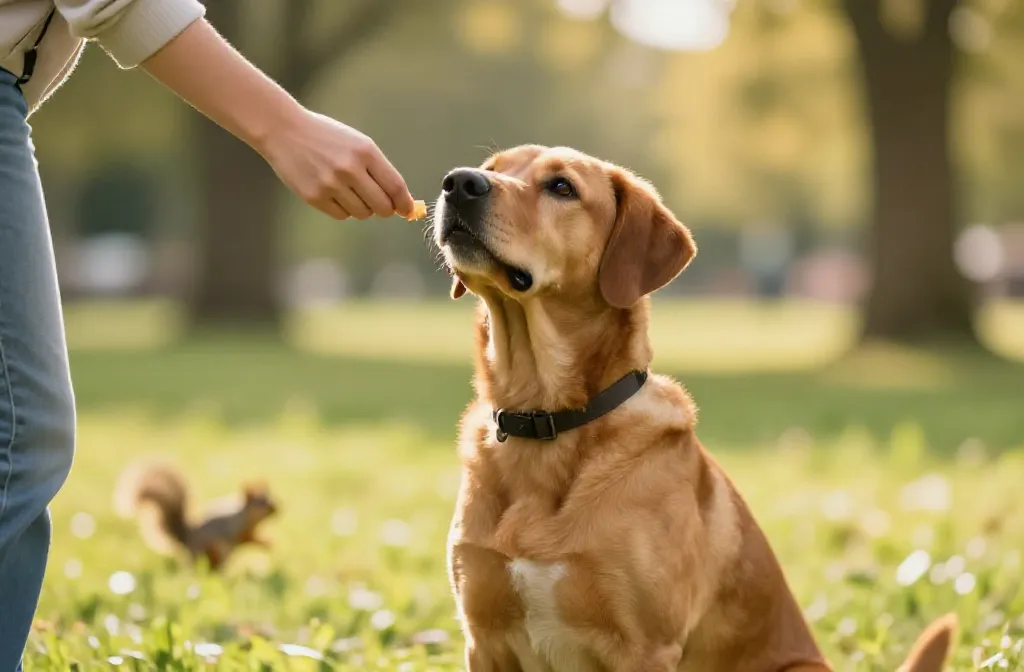
A crisp cue like “Look at me” or “Watch” should trigger a gaze and a calm mind. The cue is your signal to drop whatever’s grabbing attention and lock eyes with you. It’s amazing how much self-control a dog can show with the right prompt.
Tips
- Practice with a treat at nose level, then raise to eye level as focus improves.
- Gradually extend the duration you want your dog to hold eye contact.
- Fade the treat over time so your pup learns the cue is about you, not constant snacks.
When you’re out in public, you’ll notice the difference. The moment your dog locks eyes on you, the world’s noise becomes background music.
3. Create Clear Boundaries Without Saying “No” All the Time
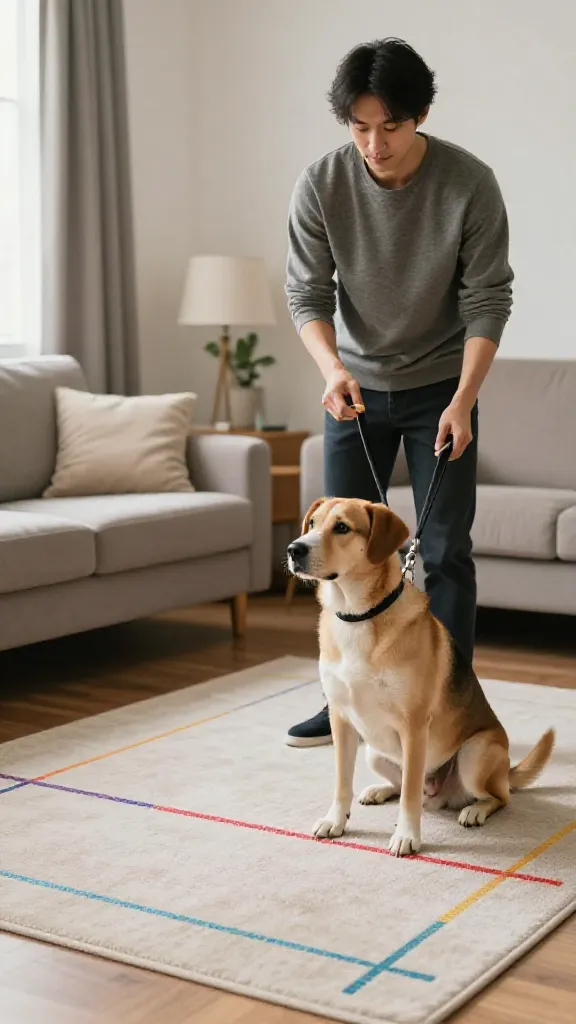
Boundaries help your dog understand what’s allowed without feeling punished. Use a simple system: a leash during training, a named boundary, and a quick, friendly redirect when needed. Your dog learns what to ignore and what to focus on—without drama.
What to Do
- Define a “quiet zone” in your home where distractions are minimized.
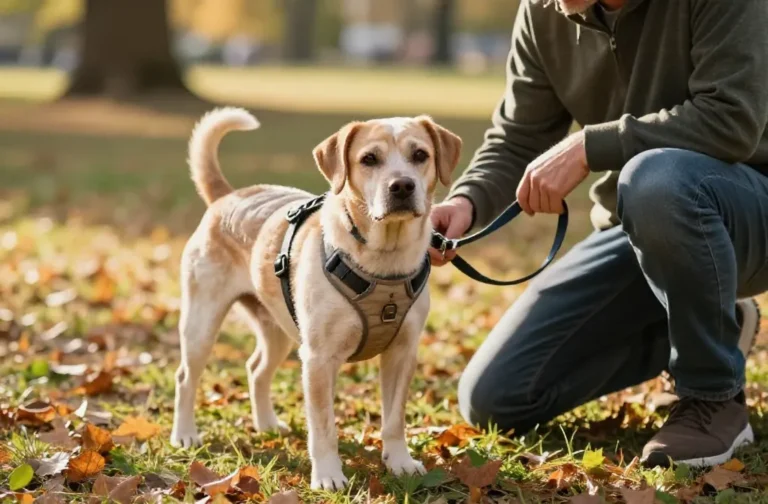
- Use a leash to prevent sprinting toward tempting sights.
- Redirect with your focus cue and a tasty reward when attention shifts back to you.
Benefits? Fewer power struggles, more predictable behavior, and a calmer pup who enjoys walks rather than conquering the neighborhood.
4. Level Up with Real-World Scenarios, Not Just Toys
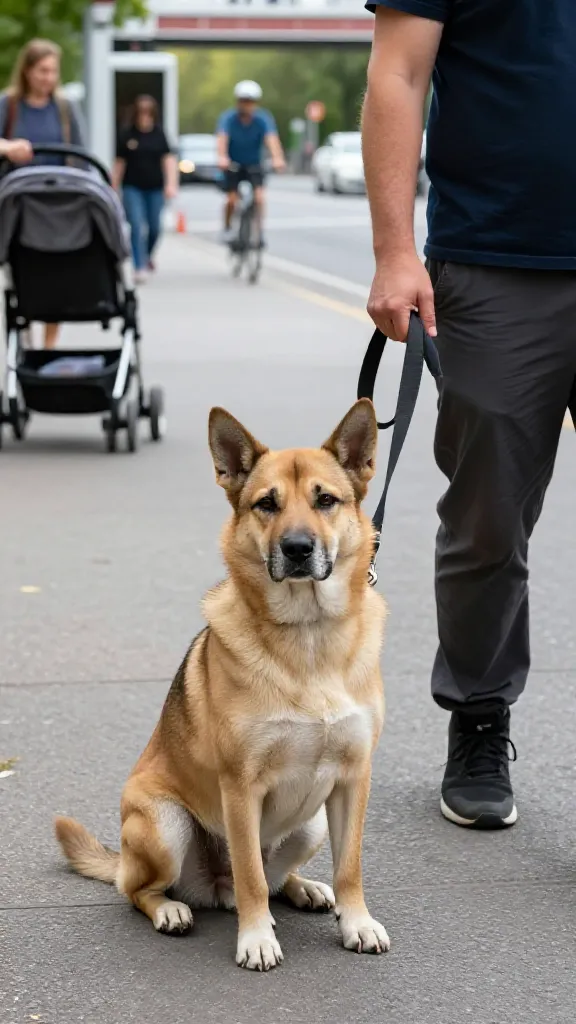
Distractions aren’t just random toys; they’re life moments. Practice in parks, on sidewalks, during visits, and anywhere your dog actually needs to ignore stuff. The more you train in varied environments, the less the world distracts your dog.
Scenarios to Try
- doorways: reward immediate attention as guests arrive or leave
- car rides: practice focusing on you during stop-and-go traffic
- busy sidewalks: maintain eye contact while people stroll by
FYI, progress may be slow at first, but consistency in different places pays off. Trust me—your dog will surprise you.
5. Use Positive Reinforcement More Than You Think You Need
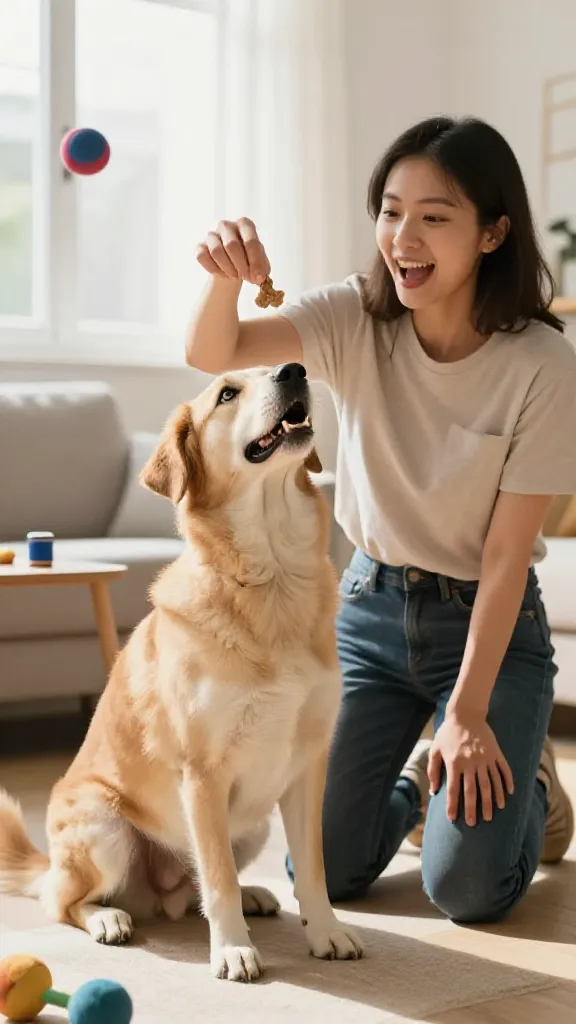
Distractions steal the show because we don’t reward the right moments enough. When your dog ignores a distraction and chooses you, celebrate with enthusiasm and a tasty reward. Positive reinforcement makes the habit stick.
Quick Guide
- Immediate praise when focus occurs after distraction appears
- High-value rewards for difficult scenarios
- Short, frequent sessions to keep momentum strong
This approach builds confidence and joy. In practice, you’ll see a calmer dog who’s excited to check in with you rather than sprint off.
With these five tips, you’ll turn distractions from chaos into opportunities for better communication and connection. The key is consistency, patience, and keeping things fun for you and your pup. Seriously, you’ve got this.