6 Tips on How to Train Your Dog to Return
Ready to turn every recall into a confident, wag-filled moment? These six tips are practical, friendly, and oddly satisfying to watch play out in real life. Let’s get your dog sprinting back to you with a smile.
1. Build a Return Habit That Feels Like a Reward Rollercoaster
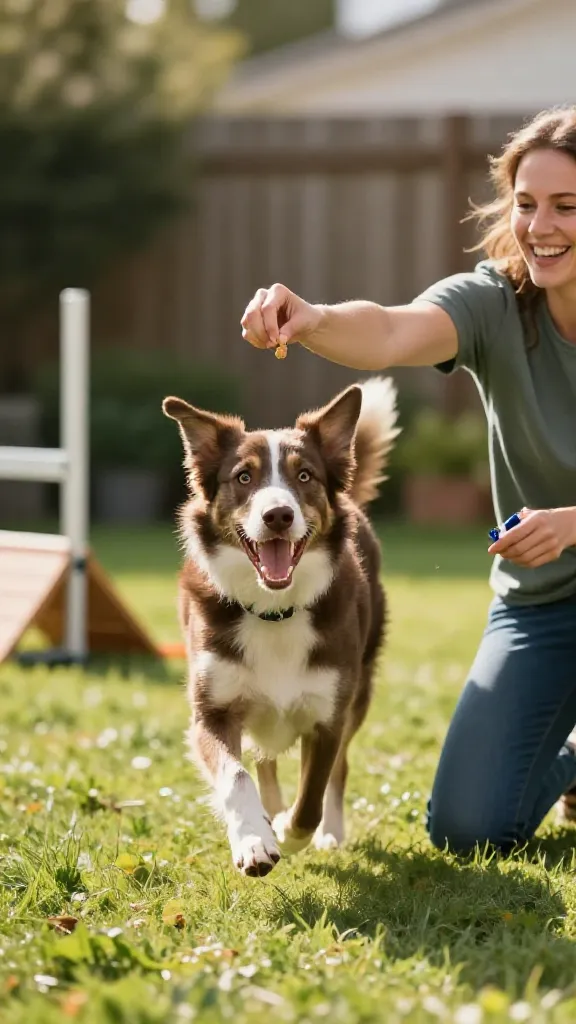
Creating a solid return habit isn’t about force—it’s about predictable rewards. When your dog knows a tasty payoff waits at your side, they’ll sprint toward you like a champ. This section lays the groundwork for a reliable recall that sticks.
Key Points:
- Choose a high-value reward your dog truly loves.
- Pair the signal with a specific cue and consistently reward.
- Keep training sessions short and joyful to prevent boredom.
Consistency breeds speed. If you skip days, you’ll see slip-ups. FYI, short daily sessions beat long weekly marathons every time. Benefits show up as fewer bonne-chance escapes and more confident returns in busy places.
2. Use a “Check-In Then Come” Routine

A simple pattern can save you a lot of headache and improve responsiveness. The idea is: your dog checks in with you, you reward, then you call them to return. It trains the brain to associate looking at you with a tasty outcome.
Tips:
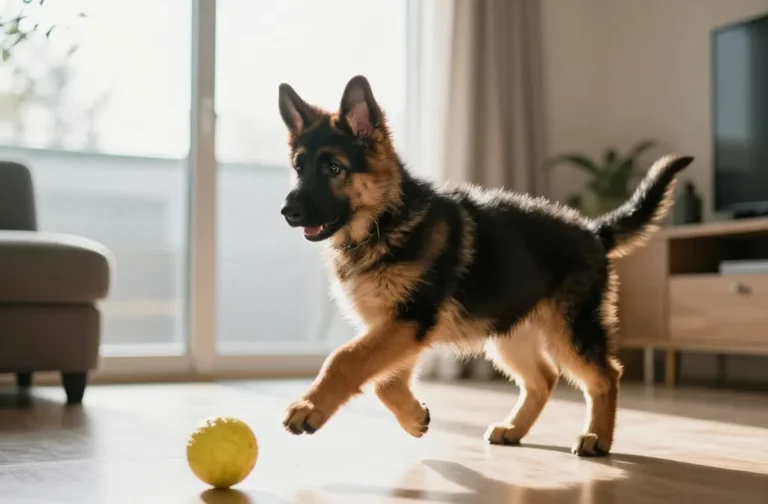
- Practise in low-distraction rooms before venturing outside.
- Wave a treat past your dog’s nose to get attention, then bring it to you as the cue happens.
- Always end with a positive return, not a scolding session.
What you want is anticipation, not panic. If your pup glances at you and then dashes off, simply reinforce the look-without-running behavior during practice. Trust me, consistency makes this a superpower in the park.
3. Short Leash, Big Confidence: The Controlled-Return Drill
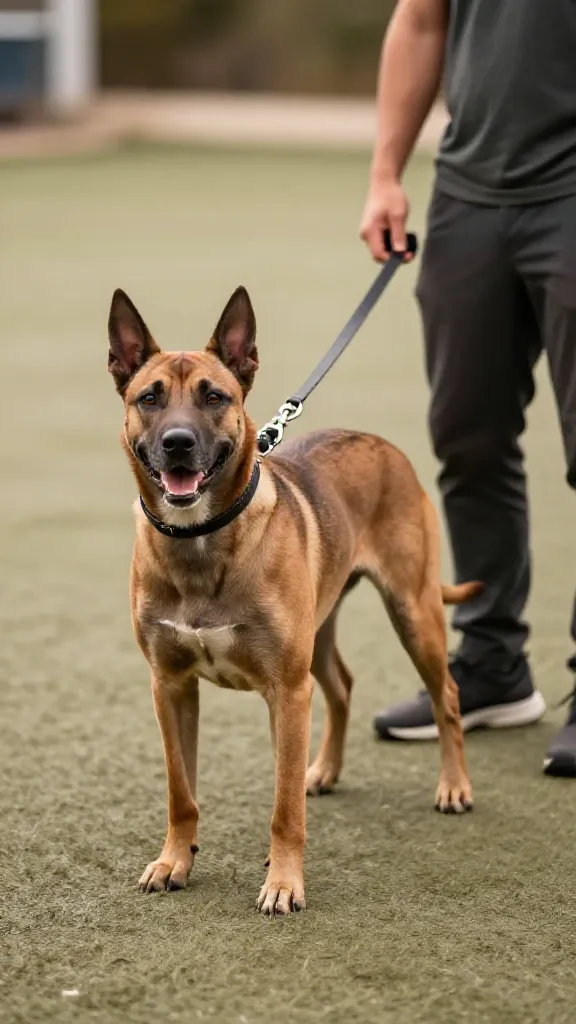
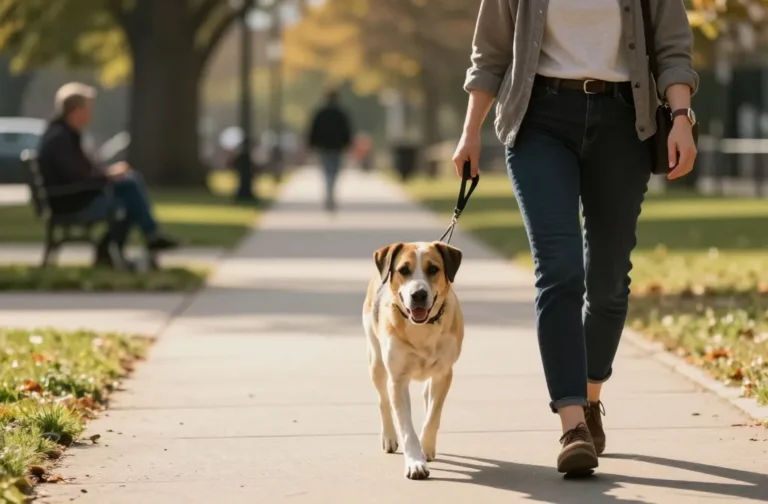
Low-distraction, high-focus drills give your dog a chance to shine. Use a short leash and pull-to-come technique to teach the retrieval circle, where your dog runs to the end of leash and returns with you close by.
How to Do It:
- Stand a few feet away from your dog, call their name, and give the recall cue.
- Reward with a quick play or food reward as soon as they reach you.
- Gradually lengthen the distance as your dog improves.
Pros include greater control in busy areas and less tension on your dog’s neck. It’s a practical stepping stone before off-leash work. Also, it helps build your dog’s muscle memory for returning when something exciting is happening in the distance.
4. Off-Leash Readiness: The Gentle Plateau Approach
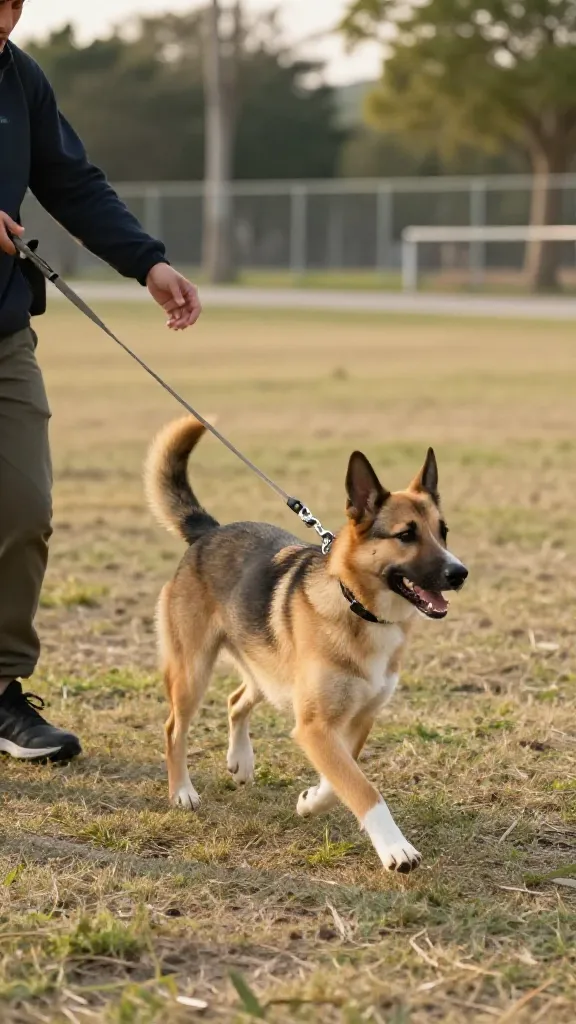
Off-leash reliability is the dream, but you don’t sprint to the finish line without a plan. Start with safe, familiar spaces and progressively widen your leash-free zone. This approach builds trust and resilience in your dog’s recall.
Strategic Steps:
- Begin in a secure, fenced area with minimal temptations.
- Use a long line to test distance without losing control.
- Increase duration and distractions gradually while keeping the cue consistent.
Benefits kick in when your dog learns to switch from “play mode” to “return mode” even if a squirrel or a jogger passes by. Seriously, patience here pays off later in real-world outings.
5. Make the Return a Performance, Not a Punishment
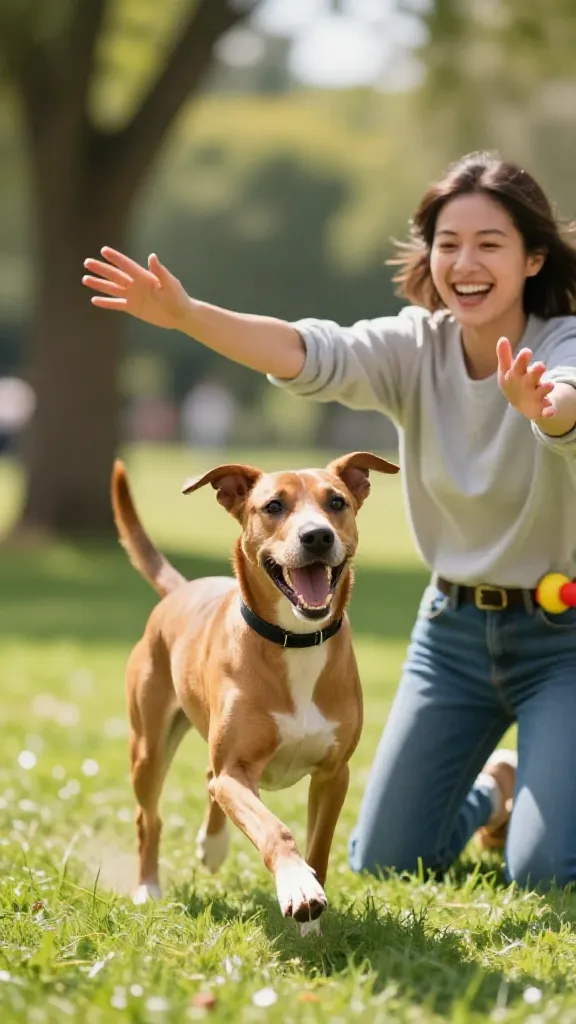
Training should feel like a concert—everyone’s having fun, and the finale is you getting your dog back. If returns are associated with scolding, your dog will fear coming back. Flip the script by making returns a celebratory event.
What to Do:
- Use exuberant praise and happy tones when your dog returns.
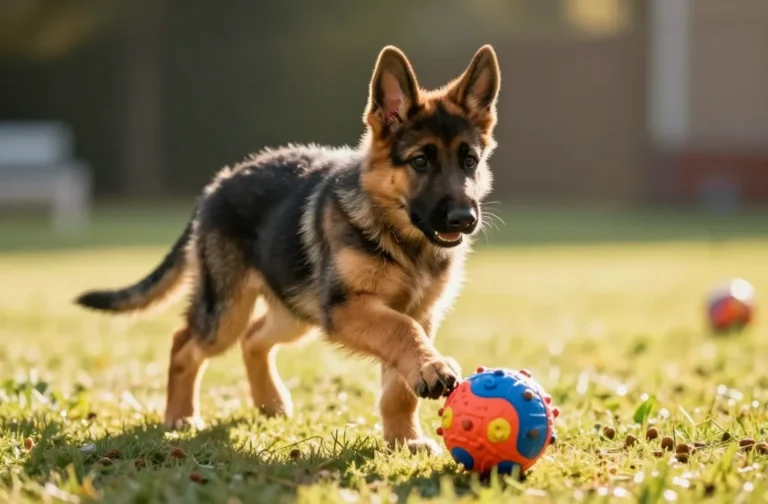
- Offer a favorite toy or a quick treat as a reward for coming back.
- End every recall with a short game or cuddle to seal it positively.
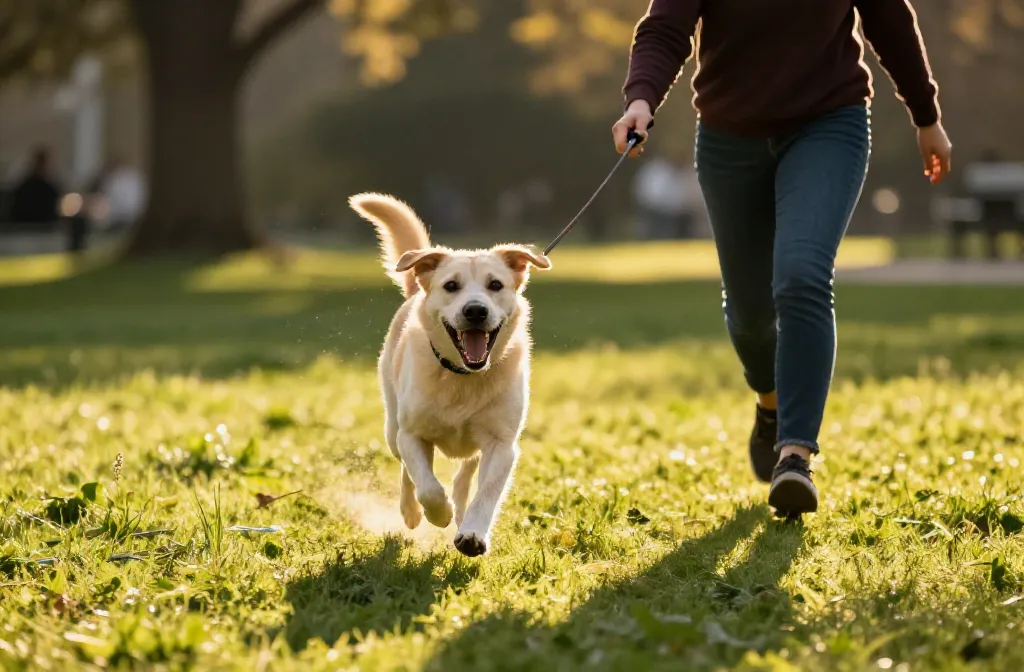
Over time, your dog will sprint toward you—not away from you—because they know it ends in joy. This is one of those “feel-good” training moves that creates lasting change. IMO, it’s worth prioritizing above all else.
6. Real-World Scenarios: Practice Where It Matters Most
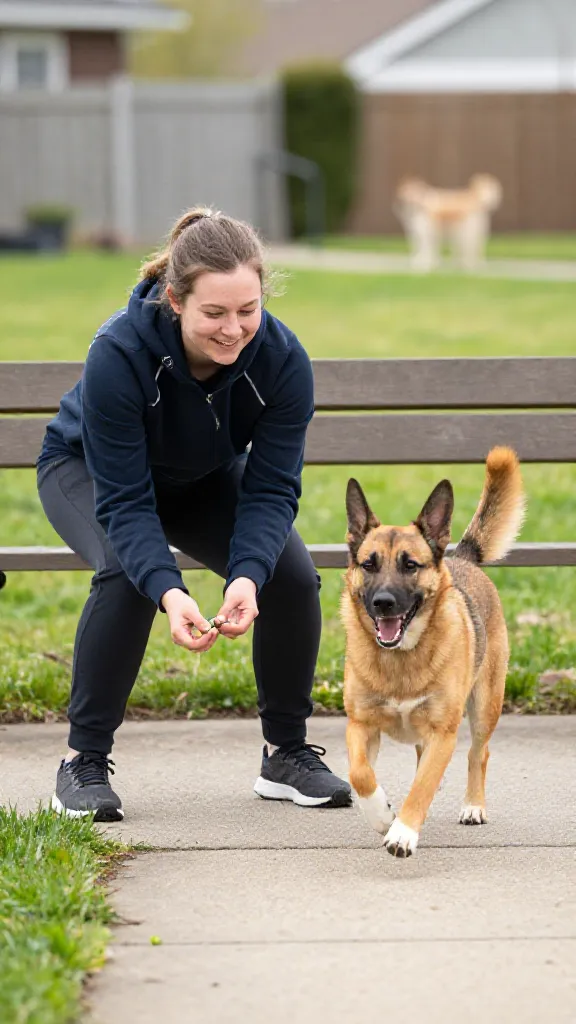
All the drills in the world won’t help if you don’t test them in real life. Bring all six tips into environments that matter: parks, sidewalks, and neighbor yards. Use natural distractions to sharpen focus, then scale back as your dog proves they’ve got it.
Guided Practice:
- Park mornings: start near a bench, then slowly step farther away as your dog returns reliably.
- Sidewalk sprints: call from a curb and reward on approach, even if a bike whizzes by.
- Backyard blitz: invite a friend with a dog to create controlled distractions.
Benefits show up as a calmer, safer recall in everyday life. When you can call your dog back in a crowded place, you’ve essentially unlocked a superpower. Trust me, the freedom you gain is priceless.
Ready to try these ideas? Your dog will thank you with wagging tails and more confident returns. Start small, stay consistent, and celebrate every little win along the way. You’ve got this!