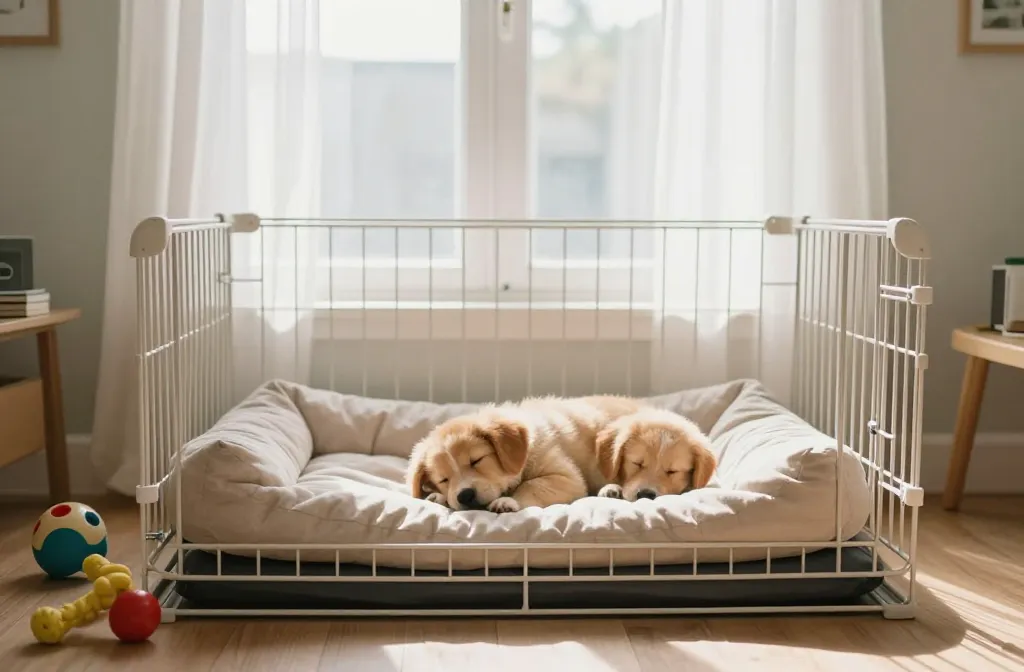
7 6 Month Old Puppy Crate Schedule Tips for Calm Daily Rolds
You’ve got a puppy in the house, and chaos somehow becomes normal. These crate schedule tips keep your sanity intact and your pup happy. Ready to boss a little bedtime routine and some consistent naps? Let’s dive in.
1. Establish a Clear Morning Wake-Up Routine
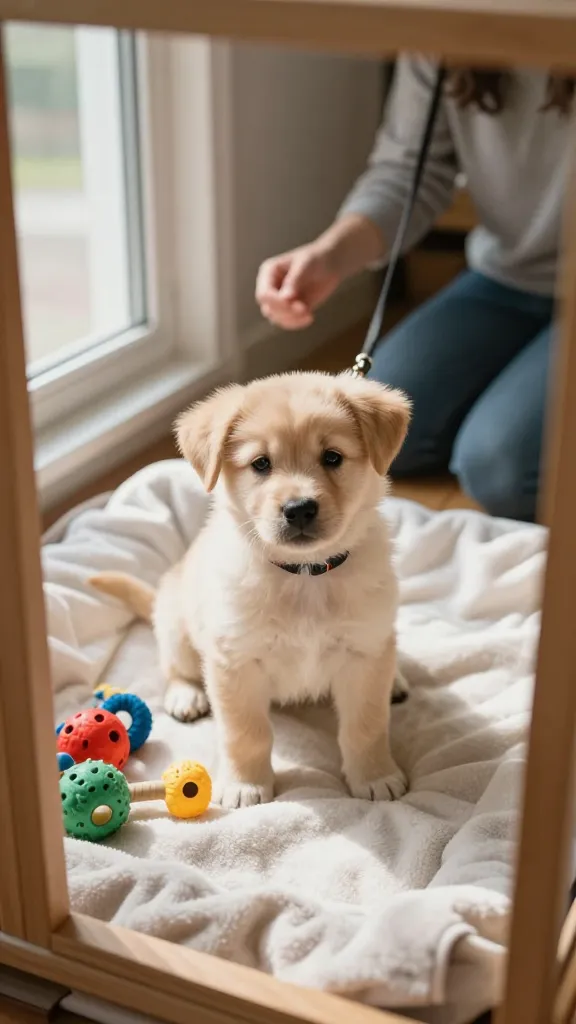
Morning is when your puppy sets the day’s tempo. A reliable wake-up and crate-transition routine pays off big time. No more chaotic bursts of energy that wake the whole block.
Key Points:
- Wake the pup at the same time every day
- Offer a quick potty break before crate time
- Limit initial play to a few minutes, then settle into the crate with a chew or puzzle toy
Consistency creates trust, and trust makes crate time smoother. FYI, a calm start makes the rest of the day easier for both of you.
2. Map Out Age-Appropriate Nap Windows

Puppies sleep a lot, and your crate is their cozy napping nook. Mapping nap windows prevents overexcitement spirals and helps growth. Seriously, sleep = sanity for everyone.
Tips:
- Two to three 30–60 minute naps spread through the day
- Watch for yawns, slow eyes, or the “I’m done” alert
- Use a comfy bed and a safe chew to encourage quiet time
End each nap with a gentle cue and a potty break. This builds predictability, which is exactly what a 6-month-old needs.
3. Create a Scaled-Down Evening Routine for Peaceful Nights

Evenings can derail if you don’t plan for wind-down time. A predictable crate routine signals it’s time to rest and reconnect with your human flock. Trust me, your neighbor’s alarm clock will thank you.
What to Include:
- Evening potty trip, then a light meal if your vet approves
- Short play session that’s low-energy (tug, cuddle, slow fetch)
- Crate with a chew, then dim lights and soft music or white noise
The goal is a steady transition from activity to calm. Start your wind-down 30–40 minutes before bedtime for best results.
4. Use a Consistent Crate Schedule for Training Wins
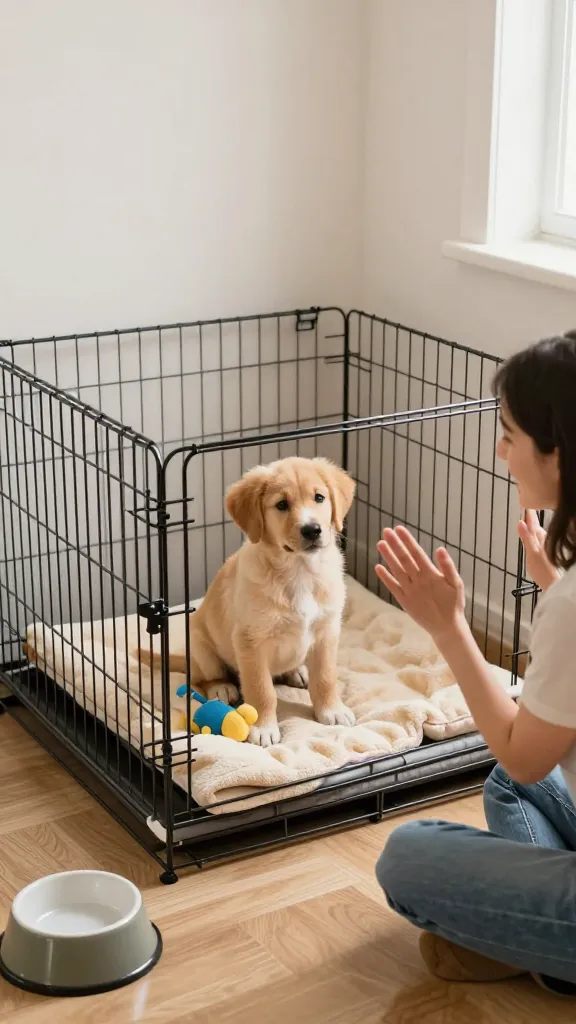
Consistency in scheduling translates to faster training progress. When your pup knows what to expect, accidents drop and confidence rises. IMO, this is the golden rule of crate training at this age.
Key Elements:
- Same crate location and setup every day
- Temporary soft boundaries during training (e.g., door open with supervision)
- Positive reinforcement for calm behavior inside the crate
Benefits stack quickly: better potty training, fewer whines, and a happier pup who learns self-soothing. Seriously, you’ll notice the vibe shift within a week.
5. Plan for Playtime, Potty, and Crate in Balanced Bites
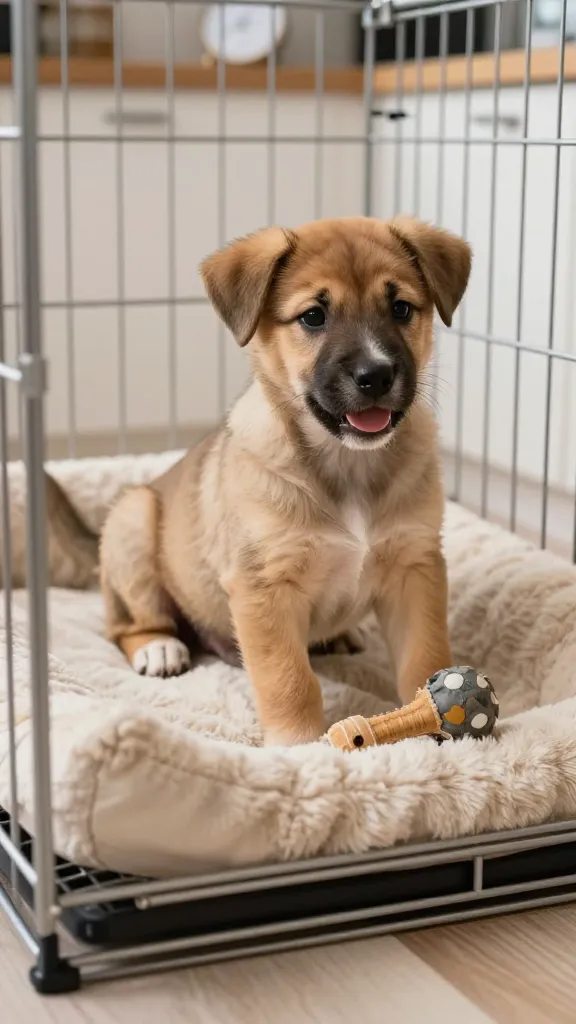
Balancing play, potty breaks, and crate time prevents overstimulation and makes crate transitions smoother. A little planning goes a long way.
Structure You Can Try:
- 20–30 minutes of focused play followed by a potty break
- 10–15 minutes of calm crate time with a chew toy
- Repeat in cycles throughout the day
Keep sessions short but frequent. This keeps energy in check and makes crate time feel like a reward, not a punishment. FYI, a consistent rhythm reduces late-night howling.
6. Adapt the Schedule for Vet Visits and Travel
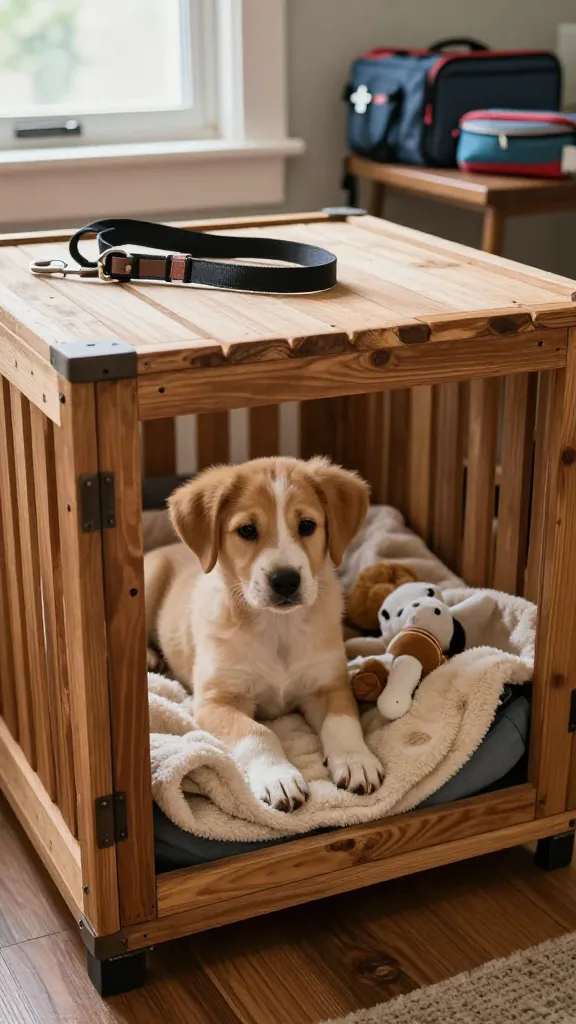
Life happens—visits, car rides, and staying with friends can throw a wrench in your routine. Your crate schedule should be flexible yet predictable enough to minimize stress.
Adaptation Tips:
- Before a vet visit, trim playtime and add an extra potty break
- During travel, keep crate time on a familiar routine as much as possible
- Bring a familiar blanket and a cherished toy to reduce anxiety
Consistency during changes helps your puppy cope and returns you to normal quickly. Seriously, plan ahead and you’ll thank yourself later.
7. Personalize the Crate Environment for Comfort and Security

The crate isn’t a prison; it’s a sanctuary. Personalizing the space makes crate time something your puppy seeks out, not resists.
Comfort-Proofing Checklist:
- Soft, breathable bed and a washable blanket
- Safe chew toys and puzzle feeders to mental-stimulate
- Crate cover or a quiet corner to reduce overstimulation
End with a quiet cue that signals crate time, and your puppy will start to anticipate the routine. The result? Fewer protests and more peaceful nights, which means you get actual rest.
In short, a well-structured crate schedule at six months old creates calmer days, quicker training wins, and cozier nights. Want to keep the momentum? Apply these seven tips, tweak as needed, and celebrate the small wins with your pup.
Ready to try these ideas? You’ve got this—your puppy will thank you with wagging tails, better naps, and fewer dramatic crate-time moments. The more consistent you are, the more harmony you’ll notice in your home. Go give it a whirl!