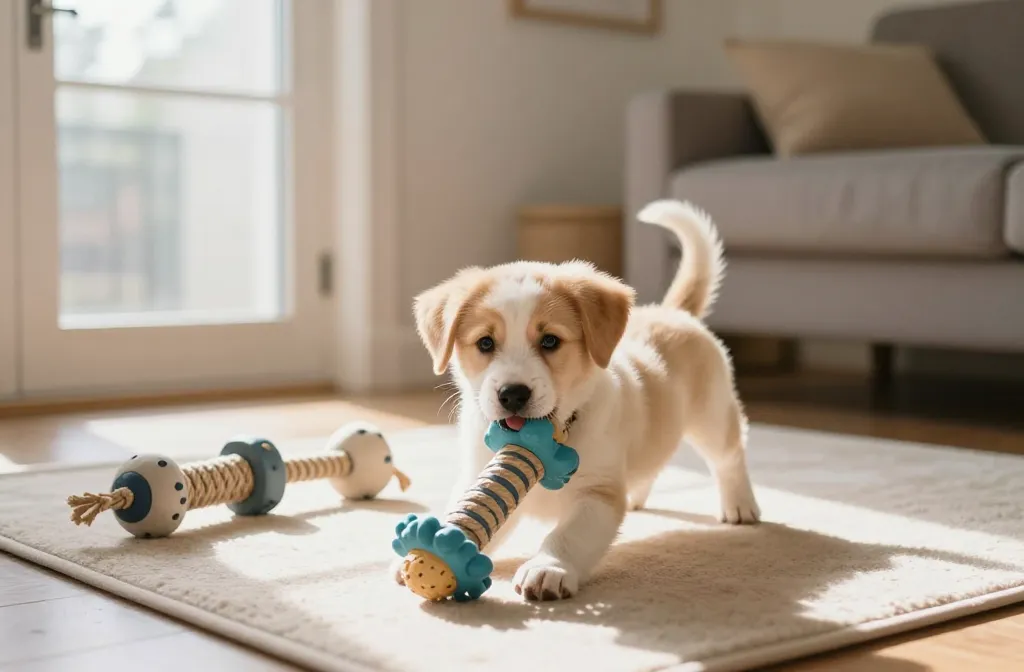
6 Puppy Chewing Tips for Better Training You’Ll Love
These tips cut through the chaos of puppy chewing fast. You’ll see progress, not excuses, in days—not weeks. Ready to boss your pup into better habits with a smile?
1. Redirect with Supercharged Toys
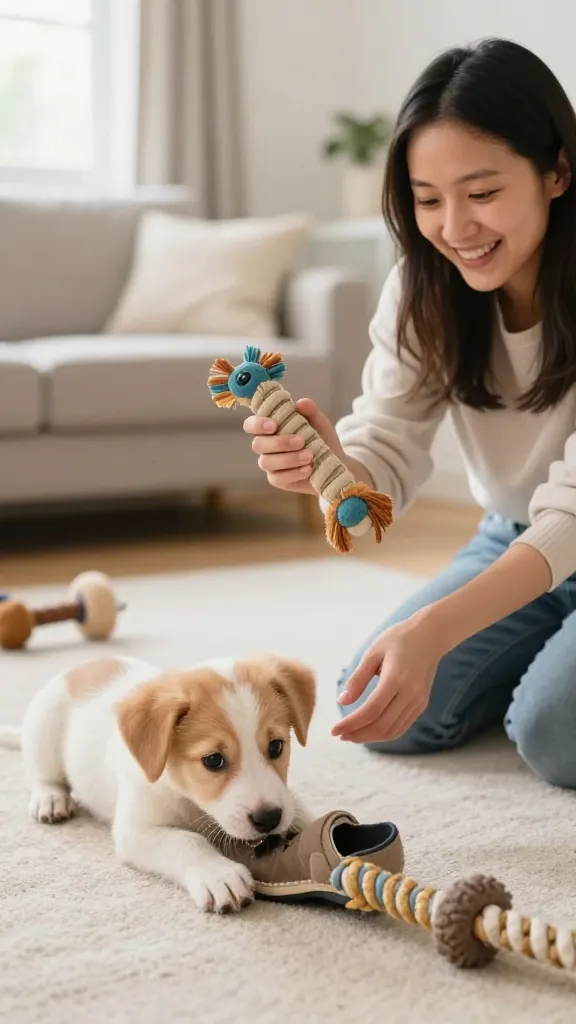
Chewing is a natural instinct, but you can steer it with the right prey. A well-timed redirect turns a chewable disaster into a training win.
Why this works
Puppies explore with their mouths, so give them a safe, irresistible outlet. When they pick up your shoe, you point them to a designated chew toy and praise like crazy.
- Choose durable, varied textures (rubber, rope, plush).
- Freshen toys daily so they feel exciting.
- Rotate a couple of favorites to keep interest high.
Bonus: this builds a positive association with appropriate chewing. FYI, consistency is everything—every time, redirect rather than scold.
2. Set Clear Boundaries With a Puppy-Only Zone
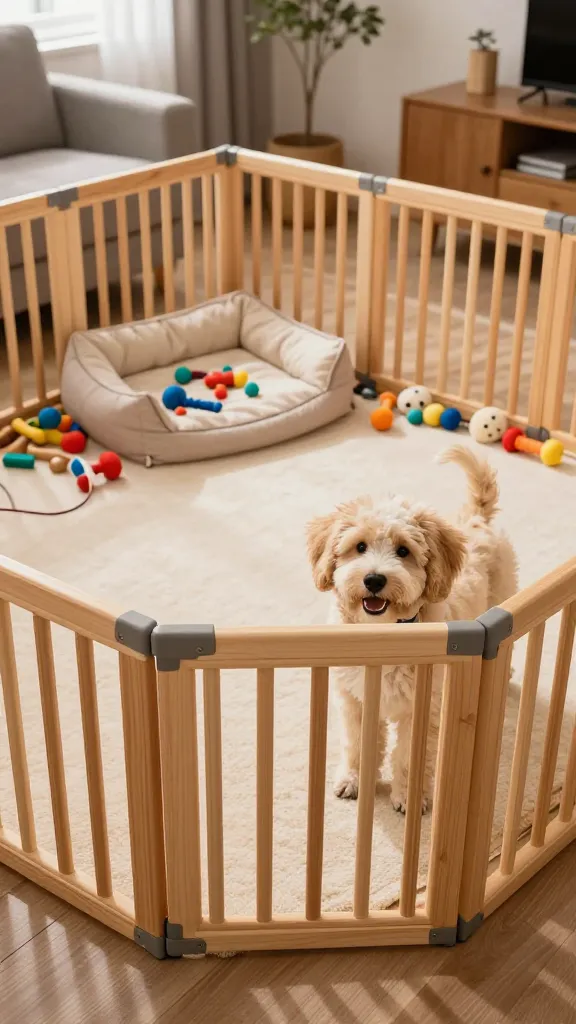
Boundaries give your puppy the structure they crave and save your furniture. A defined space helps chewing stay inside the lines.
How to set it up
- Use a puppy playpen or gates to create a chew-friendly zone.
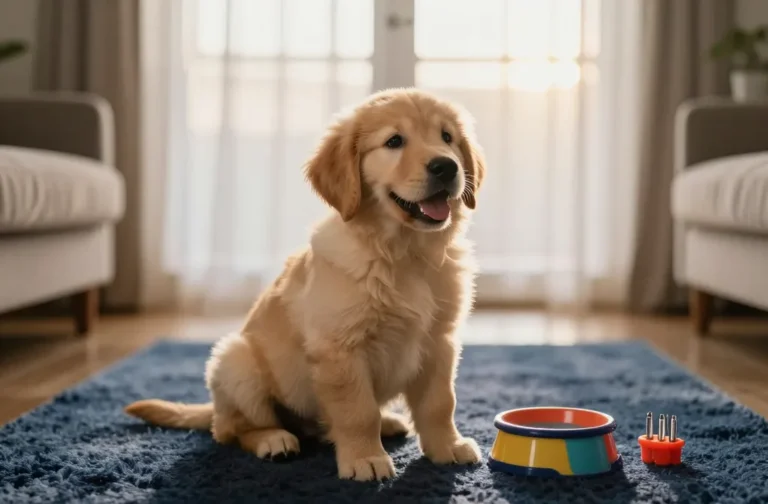
- Fill the area with safe chew objects and a comfy bed.
- Keep cords and tempting items out of reach.
Consistency matters here: repeatedly guide your puppy back to the zone when they wander. This reduces frustration for both of you and speeds up training. Trust me, the fewer “training disasters” you have, the happier life becomes.
3. Teach a Bite Inhibition Drill That Actually Sticks
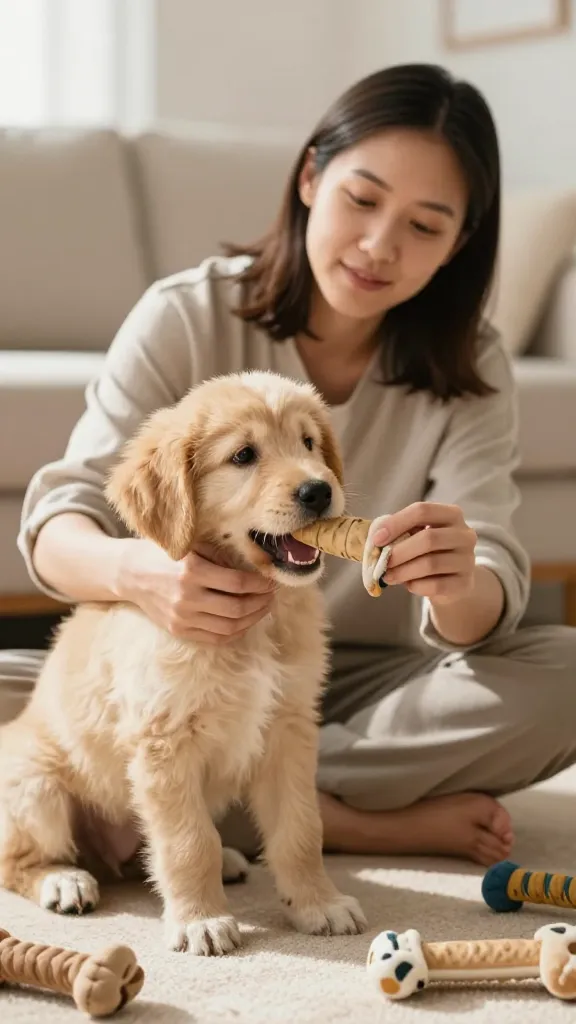
Bite inhibition is the art of gentle mouthing. It’s the foundation of safe, confident play and better manners during chews.
Simple steps
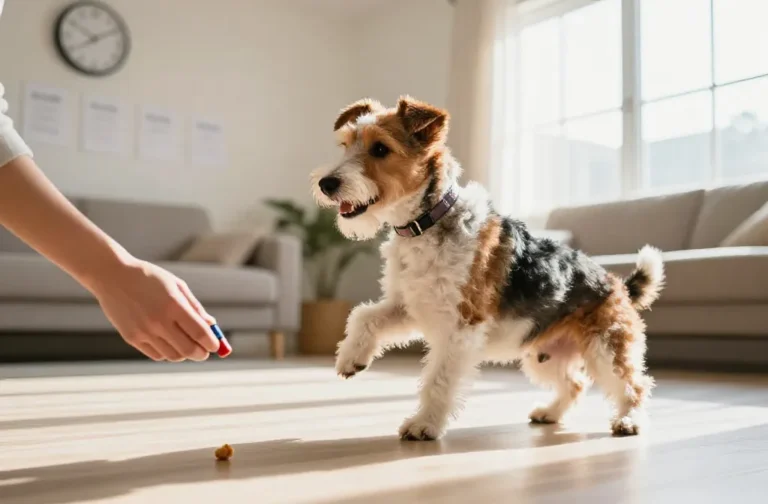
- Let your puppy mouth you briefly, then stop play and pause for a second.
- Praise softly when they resume with a softer nibble.
- Replace your hand with a chew toy if the bite increases in firmness.
Keep sessions short and fun. After a few days, your puppy will learn that hard bites end playtime, and gentle options keep the party going. Seriously, progress shows up fast when you stay consistent.
4. Use Positive Reinforcement to Make Chewing Desired
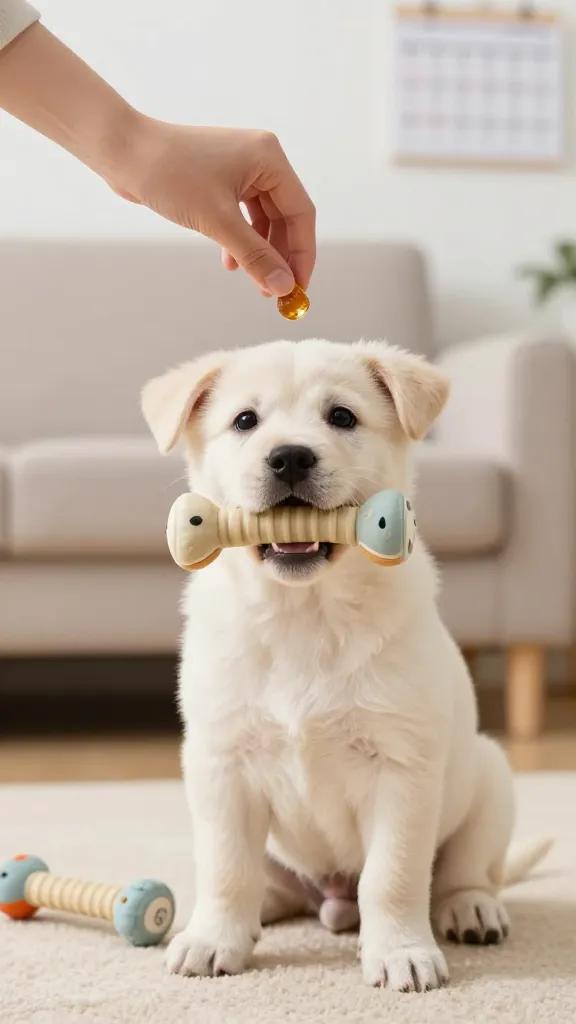
Chewing becomes a habit when reinforcement clearly declares: this is awesome and allowed. Positive vibes beat punishment every time.
Key points
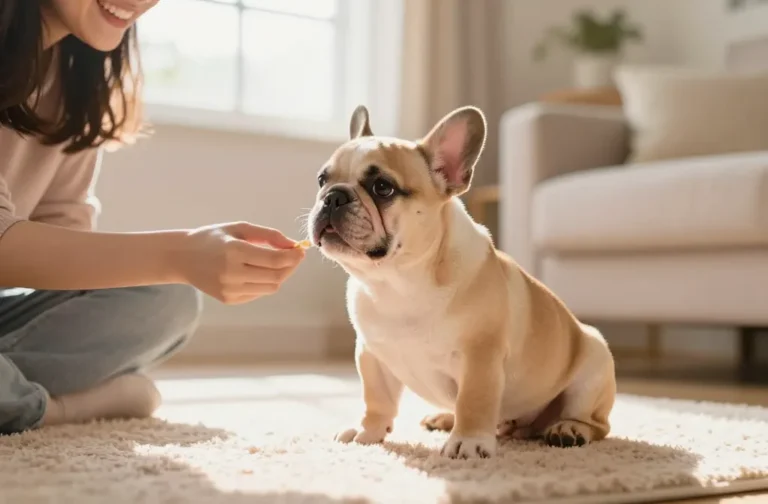
- Immediate praise and a treat when they choose the right toy.
- A quick, cheerful “good chew!” reinforces the action.
- Keep rewards small and frequent during training bursts.
FYI, timing is everything. Reward within a second or two of the correct choice so your pup connects action with outcome. It’s like teaching a tiny brain to cash in on good decisions.
5. Micro-Sessions, Maximum Wins
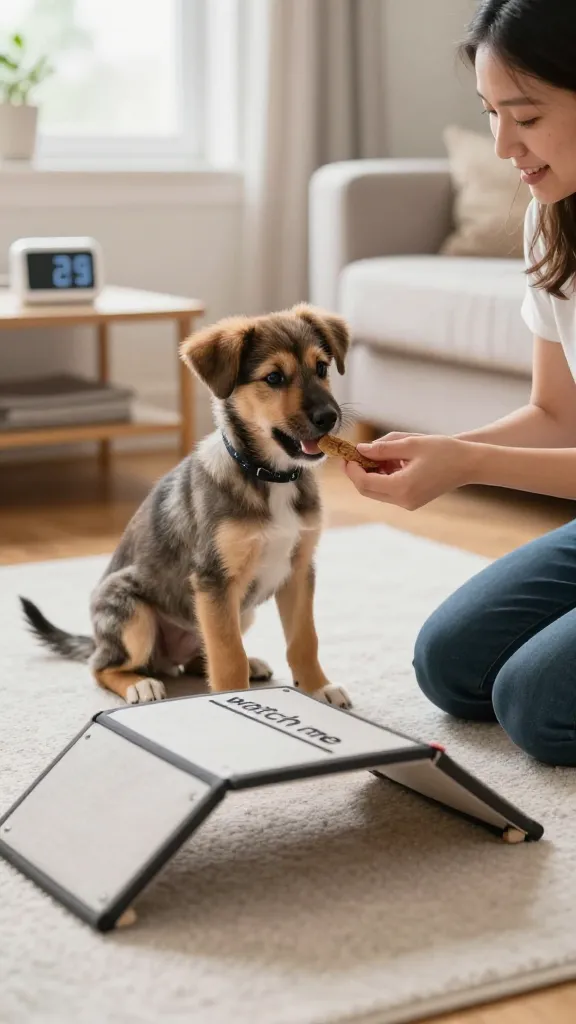
Puppies tire quickly, and so does their focus. Short, focused training sessions beat marathon marathons of chaos.
How to structure them
- Two to five minutes per session, several times a day.
- End on a high note with a successful chew and praise.
- Mix in quick “watch me” cues between chew breaks to keep engagement high.
These micro-sessions prevent frustration and burnout. Seriously, small, consistent wins add up to major progress over a few weeks. You’ll notice a calmer, more focused pup at snack time and playdates.
6. Tackle Teething with Smart, Safe Substitutions
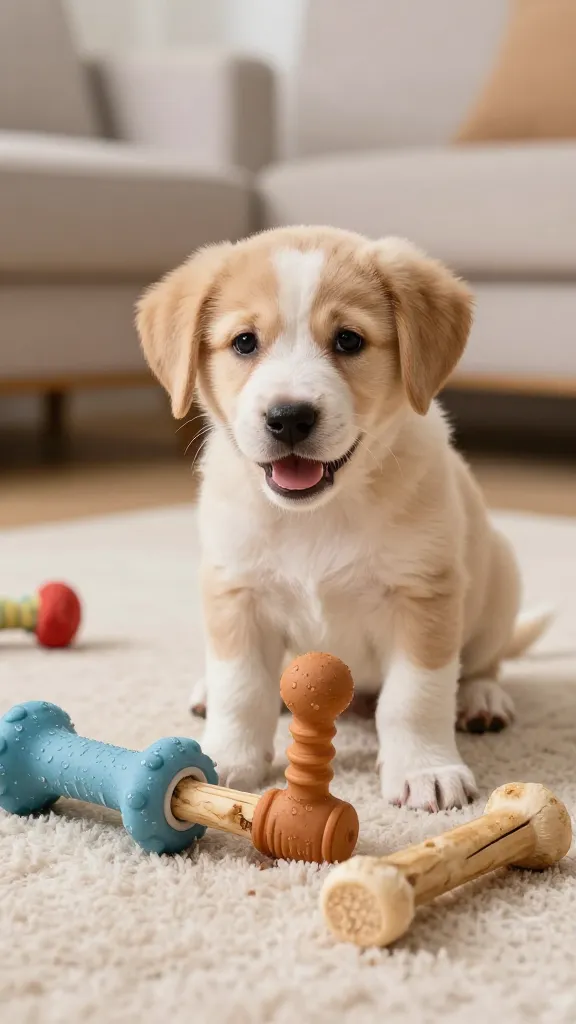
Teething is rough, but your puppy can survive it—and thrive—with the right tools. Safe substitutions ease the chew-time pain and protect your belongings.
Smart substitutions
- Cold, chew-friendly items like frozen Kongs to soothe gums.
- Interactive chew toys that dispense treats for added engagement.
- Natural chews that are long-lasting but not overly hard to prevent tooth damage.
Benefits ripple beyond nails and furniture: calmer puppies chew less on you, less on shoes, and you save money on replacements. Use substitutions as part of a routine, especially during teething peaks. IMO, preparation here saves headaches later on.
These six strategies are your toolkit for turning chewing from a headache into a training ally. With consistent redirects, clear boundaries, and lots of positive vibes, your puppy learns faster than you think. Ready to start? Grab a couple of chew toys, set up a small zone, and let the good behavior roll in.
You’re about to see confidence bloom in your pup—and that means calmer mornings, happier cohabitation, and more high-fives all around. Trust me, the payoff is worth it. Now go ahead and try these ideas this week.