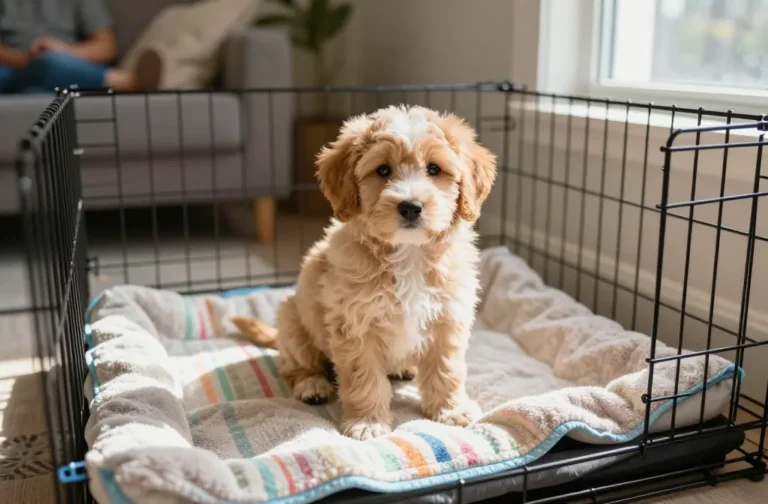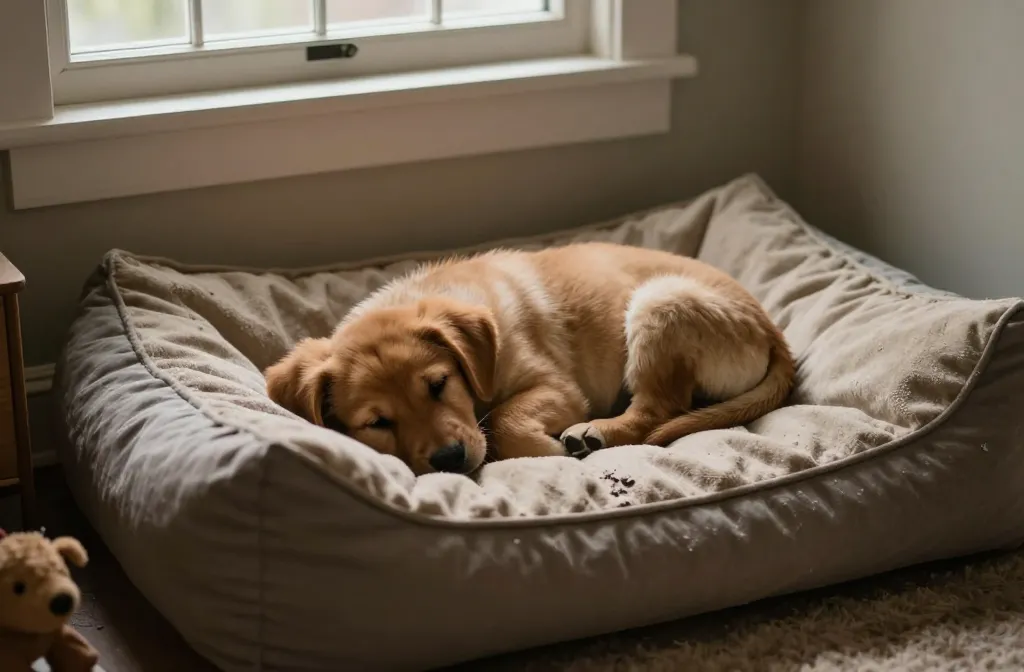
4 Puppy Nap Schedule Tips for Better Sleep: Quick Wins
Puppies nap like champions, but their schedules can be chaos if we don’t set them up for success. These four tips turn nap time into a reliable routine, so you both wake up happier and more rested. FYI, consistency beats luck here.
1. Set a predictable nap rhythm that fits their day
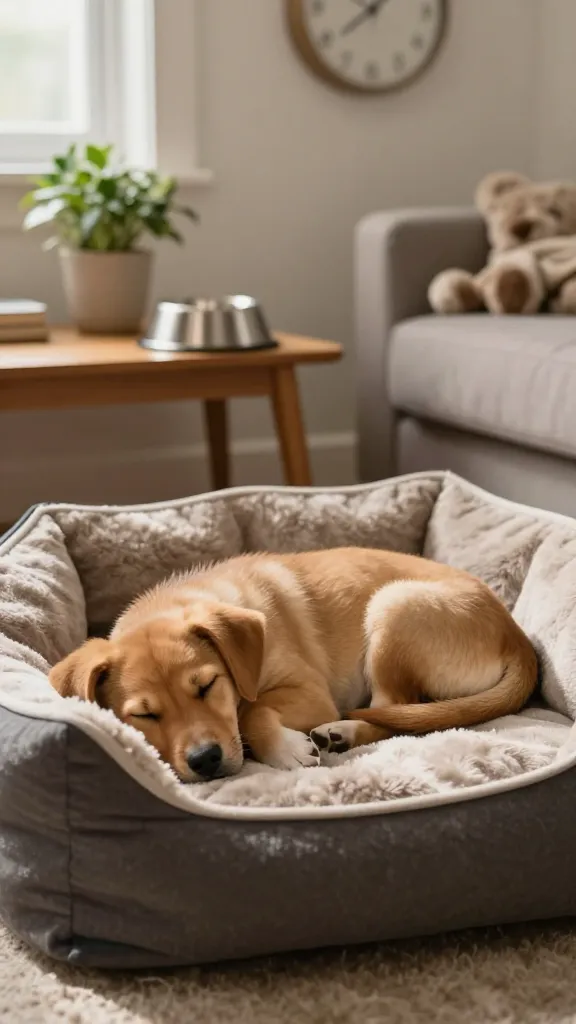
A steady routine helps a pup anticipate rest just like we do. When you cue a nap at roughly the same times each day, you reduce agitation and fight-the-snooze energy.
Key Points
- Pick 2–3 nap windows that align with feeding and play times
- Keep naps to 20–60 minutes for most small-to-medium puppies
- Adjust slightly for age and activity level
Consistency is your secret sauce. If your pup starts yawning during a certain window, that’s your cue to roll with it. Trust me, a predictable rhythm prevents overtired chaos and makes training easier.
2. Create a cozy, dog-friendly nap zone
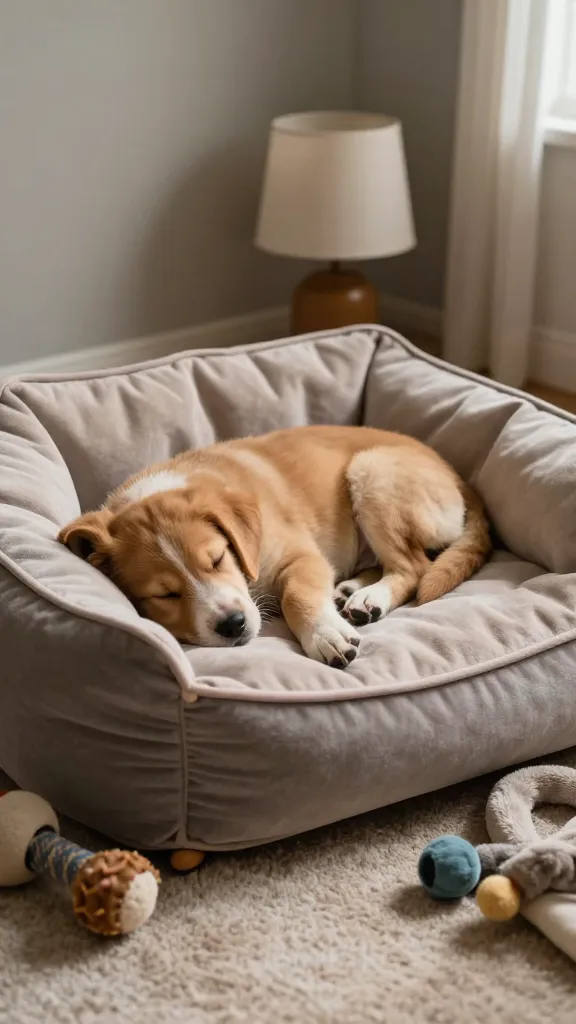
A dedicated space signals, “Time to rest,” and helps your pup settle faster. The right setup makes naps feel like a pampered spa day instead of a random doze.
Tips
- Soft bed or cushion with a washable cover
- Low-stimulation environment: dim lighting, minimal noise
- Safe, familiar toys and a predictable scent (a worn blanket works wonders)
Keep the area in a quiet corner of your home to minimize disturbances. A comfy spot reduces restlessness, making naps deeper and more restorative. Seriously, a little luxury goes a long way.
3. Time feeding and cuddles to power-nap alignment

The relationship between meals, bathroom breaks, and naps matters. If a puppy wakes from feeding with a burst of energy, you could miss the nap window entirely.
Structure that Works
- Schedule post-meal rest for 10–20 minutes before any high-energy play
- Offer a short potty break, then transition to nap time
- Use a gentle cue like a soft sigh or a specific phrase to signal nap readiness
This rhythm helps your pup connect nourishment with rest. It’s not just practical; it keeps digestion calm and prevents late-afternoon energy surges. IMO, this tiny routine tweak pays big dividends when you’re juggling walks, work, and a busy household.
4. Build a wind-down routine with soothing cues

A calm finish to wakeful play cues the brain it’s time to shut down. Short, sweet rituals are far more effective than last-minute chaos.
Suggested Wind-Down
- 5 minutes of gentle sniff-and-slow play or light brushing
- Dim lights, reduce sounds (TV on low volume is fine, but no loud cartoons)
- Soft lullaby or a calm, repetitive phrase you say every nap
End with a reassuring touch and a consistent nap cue so your pup learns the association quickly. Trust me, a few minutes of calm now saves you hours of unsettled awakenings later.
Bonus note: If your puppy still fights naps, reassess activity levels and daytime stimulation. A bit more exercise or a longer wind-down can make the difference between a not-quite-sleepy pup and a snoozing champ. FYI, sleep quality compounds over days, not hours, so sticking with the routine matters.
Ready to test these tips? Start by picking a nap window today, set up a cozy zone, align meals with rest, and add a simple wind-down ritual. Your puppy—and your sleep schedule—will thank you.