5 Puppy Potty Training Schedule by Age Examples: Quick Wins
If you’re chasing a potty-trained pupper without chaos, these age-based schedules are your new BFF. They’re practical, doable, and built for real-life mornings (and 3 AM wake-ups). FYI, consistency is king here.
1. The Tiny Paws Start: 8–12 Weeks — The Gentle Beginnings

Kicking off potty training with a tiny pup is all about frequency and patience. At 8 to 12 weeks, puppies have tiny bladders and big enthusiasm for exploration, which means frequent bathroom breaks and lots of praise.
Why this works
- Establishes a predictable routine from day one
- Prevents accidents by catching cues early
- Builds trust and positive association with the potty spot
Sample schedule (adjust for wake times and nap chunks):
- Wake & potty: 6:30–7:00 am
- Play, 15–30 min; potty break after play
- Mid-morning potty: 9:30–10:00 am
- Lunch/nap; shorter walks with potty stops
- Afternoon potty: 1:30–2:00 pm
- Evening walk/potty before dinner
- Last potty before bed: ~8:00–9:00 pm
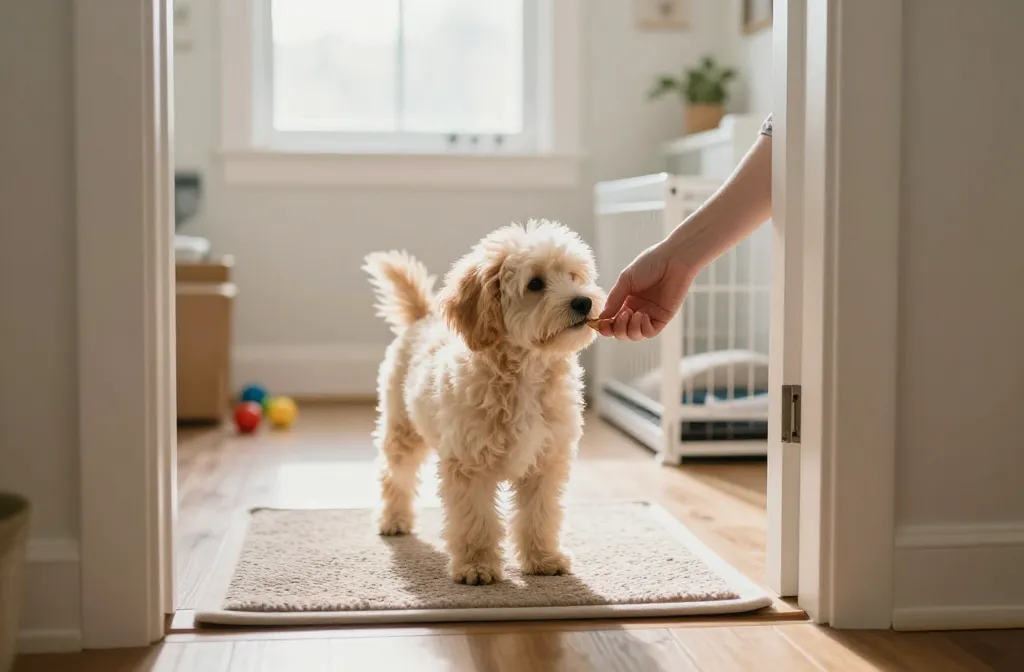
Tip: carry a small treat and watch for sniffing, circling, or sudden stop—these are cues to head outside. Trust me, catching a signal early saves you from a late-night cleanup.
2. The Housebreaker Phase: 12–16 Weeks — Consistency Is Your Superpower

At 12 to 16 weeks, puppies start linking outcomes to specific spots and times. You’ll see fewer accidents and clearer cues from your fur buddy. This is where your schedule starts to pay off in big, poop-free dividends.
What makes this phase awesome
- Longer stretches between potty breaks as bladder control improves
- Stronger routine reinforcement with praise and treats
- Better understanding of your pup’s natural rhythm
Example day (adjust to your daily rhythm):
- Wake & potty: 6:45 am
- Morning exploration + potty after 20–30 minutes
- Midday potty after lunch nap
- Playtime with a potty cue: “Go potty” before leaving the room
- Afternoon potty around 3:00 pm; short leash walk
- Dinner potty and post-dinner short walk
- Nightly bathroom before bed
Key points: watch for signs like a sudden stop, sniffing, or circling. If you miss a cue, resist scolding—redirect to the designated spot and reward the success.
3. The Gym Rat Phase: 16–20 Weeks — Confidence, Control, Consistency

As your pup hits 4–5 months, potty control strengthens and routines solidify. Your job is to keep the rhythm tight and adapt for growth spurts, travel, or family routines. You’ll notice fewer accidents and more deliberate bathroom timing.
Why this stage shines
- Longer daytime intervals between breaks
- Clearer cue association with the potty spot
- Easier to travel with a potty plan
Practical schedule ideas:
- Wake & potty: 7:00 am
- Morning routine: 20–30 minutes of play; potty break
- Midday break: 12:00–12:30 pm potty
- Afternoon: 2:30–3:00 pm potty after a nap or exercise
- Evening walk + potty before dinner
- Nighttime potty: 10:00–10:30 pm
Tip: keep a consistent spot and scent familiarity. Dogs rely on scent trails; a clean, familiar area reduces confusion and accidents.
4. The Busy Investigator Phase: 20–24 Weeks — Routine Fortified for Real Life
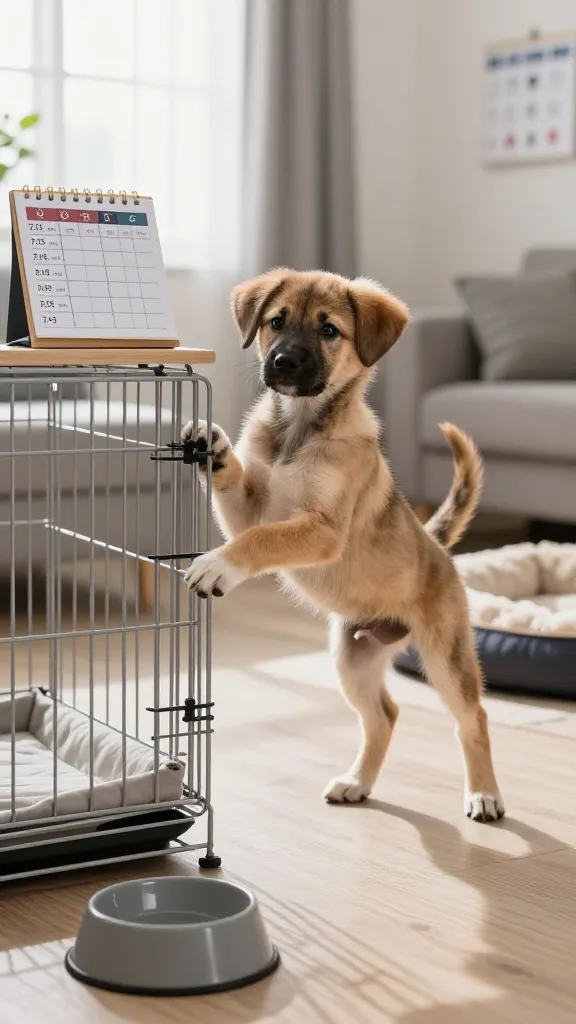
By now, your pup’s routine should feel almost foolproof, with deliberate potty timing and less reliance on you hovering. This is the phase where you start testing out longer blocks and occasional travel with a plan.
What makes this phase great
- Improved bladder capacity aligns with longer play sessions
- Less dependence on constant reminders
- Better readiness for crate training and naps away from home
Sample extended schedule:
- Wake & potty: 7:15 am
- Morning activity + potty: 7:45–8:15 am
- Midday potty: 12:15–12:45 pm
- Afternoon potty: 3:15–3:45 pm
- Evening routine with a potty before bed
Hint: if you’re travelling or visiting friends, bring a familiar potty pad or paper towels scented with the home spot to ease transitions. Trust me, it’s a total game-changer.
5. The Pro Pupil Phase: 24 Weeks and Onward — Mastery, Freedom, Happy Pups

At around six months and beyond, many dogs gain control enough to handle long days away from home with confidence. This final stage is all about refinement, consistency, and enjoying the new freedom that potty training brings.
Why you’ll love this stage
- Longer stretches between potty breaks
- Less dependence on strict schedules when home
- Better readiness for training beyond potty basics
Dream schedule (adjust for your life):
- Wake & potty: 7:30 am
- Morning walk with potty cue: 8:00–8:20 am
- Midday potty during lunch or nap: 12:30–1:00 pm
- Afternoon potty before active time: 3:30–4:00 pm
- Evening routine with final potty before bed: 9:00–9:30 pm
Pro tips: maintain a buffer for travel days, have a plan for hotels or guest houses, and keep using rewards to reinforce good potty timing. Seriously, consistency remains the secret sauce, even when life gets wild.
Whether you’re chasing a perfectly clean apartment or a house-trained buddy who can handle a few surprises, these age-based schedules are your roadmap. Start with small shifts, celebrate the tiny victories, and gradually extend the intervals as your pup grows. You’ve got this—and your pup will thank you with wagging tails and fewer embarrassing moments.
Ready to start? Grab a calendar, pick a schedule that fits your life, and commit to it for a week. You’ll see the magic: fewer accidents, calmer mornings, and a bond that grows with every successful potty moment. Trust me, your future couch-snuggles will thank you.