
5 Home Remedies for Dogs with Itchy Skin to Discuss with Your Vet
If your pup keeps scratching like a tiny furry drum, you’re not alone. These friendly, practical ideas aren’t a substitute for a vet, but they can help you have smart, productive conversations and find relief faster. Let’s dive into remedies that are simple, safe, and worth trying with professional guidance.
1. Oatmeal Baths: Soothing Soaks That Feel Like Spa Time

Oatmeal isn’t just for breakfast—it’s a classic for itchy pup skin. A warm bath can calm irritated patches and reduce overall redness. FYI, consistency matters, so plan to do this a few times a week while your vet weighs in on underlying causes.
Why it works
- Soothes inflammation and itchiness
- Moisturizes dry skin
- Creates a calm, spa-like routine for your dog
How to do it: use finely ground colloidal oatmeal, thoroughly dissolve in warm bathwater, and soak your dog for 5–10 minutes. Rinse well, then towel dry and keep temps comfortable. Seriously, avoid hot water—hot means more itch, not better relief.
When to try and what to watch for: if your dog has open wounds, weepy lesions, or shows signs of a reaction to the bath itself, skip the oatmeal bath and call your vet. Benefits include smoother skin and less scratching for a day or two after each soak.
2. Gentle, Hypoallergenic Diet Swaps: Food Is Not Just Fuel
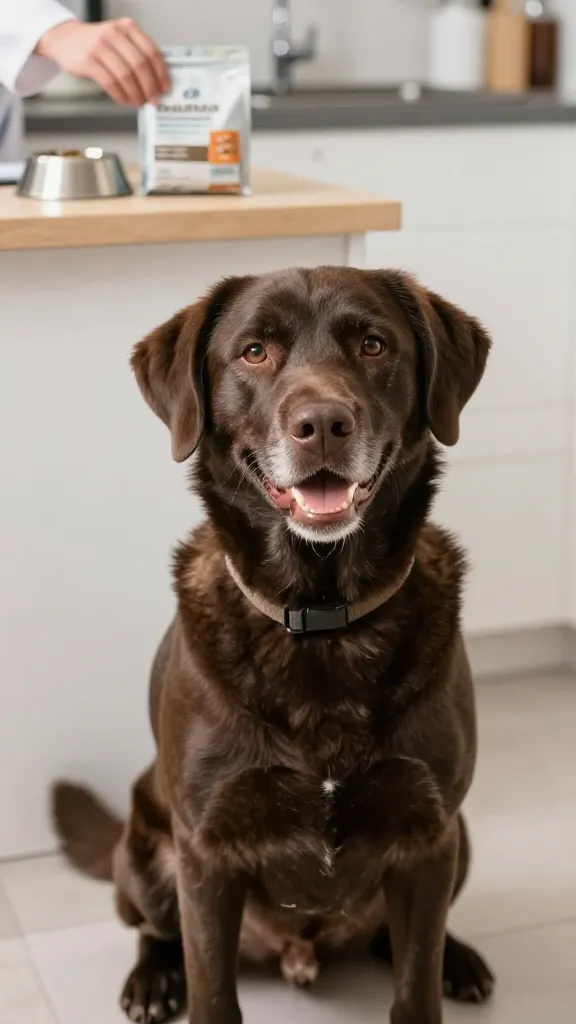
Food sensitivities can drive itchy skin, and many dogs benefit from a careful, vet-guided dietary tweak. This isn’t about starving your pup—it’s about feeding their skin from the inside out. Do this with your vet’s plan, and you’ll have a clearer path to relief.
Key points
- Try a single protein or hydrolyzed protein diet as recommended
- Consider limited-ingredient options to minimize mystery ingredients
- Monitor for changes in itch levels, coat shine, and GI comfort
Tips for implementing: introduce new foods gradually over 7–10 days to avoid GI upset. Keep a simple log of itch intensity, bowel movements, and energy levels. Trust me, a small notebook beats random memory recall after a tough day.
Benefits: many dogs show reduced scratching, fewer hot spots, and improved overall energy when the culprit is diet. When to pause: if itching persists beyond 4–6 weeks of a strict diet, re-check with your vet for other culprits like allergies or parasites.
3. Coconut Oil Topicals: A Slick, Simple Skin Boost
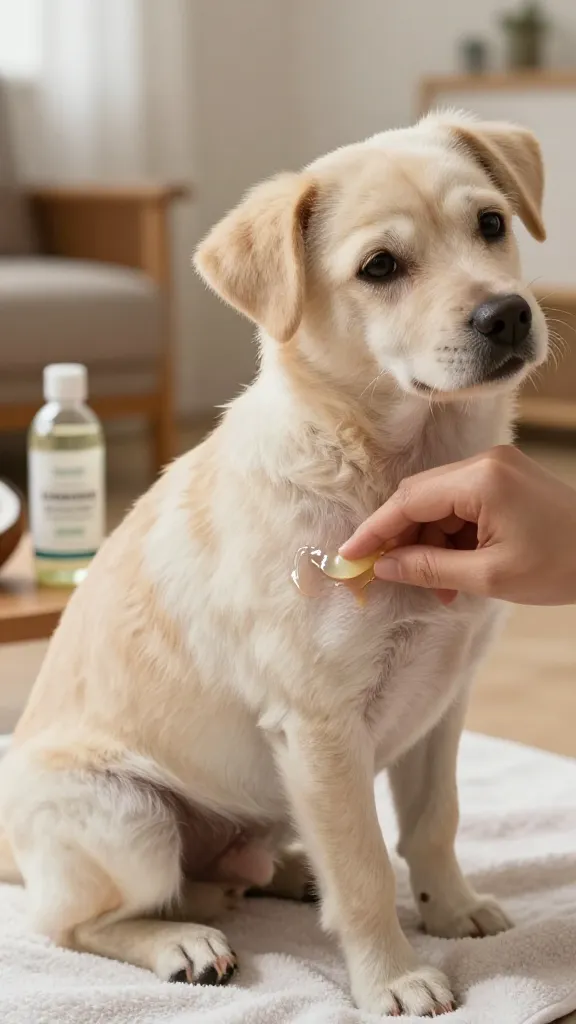
Rubbing a thin layer of coconut oil on dry patches can help moisturize and calm the skin. It’s not a miracle cure, but it’s a nice supporting player for mild dryness or minor irritations. FYI, moderation is key—too much oil can attract dirt and give your pup a slick look.
What to use
- Cold-pressed, unrefined coconut oil
- Small amount for small dogs; a pea-sized dab for even tiny hotspots
- Brush-on consistency for easier coverage
How to apply: clean the area first, then rub in a thin layer. Do not cover with tight bandages; allow skin to breathe. Benefits show up as improved texture and less raw patches after a few days of routine use.
When to skip: if your dog licks the area excessively or shows any redness or swelling after application, stop using it and consult your vet. This is more about support than a cure, so keep expectations realistic.
4. Essential Fatty Acids: Build a Smooth, Happy Coat from Within

Omega-3 and Omega-6 fatty acids can help reduce inflammation and support healthy skin and coat. Supplements are often a game changer, especially if your dog has chronic itchiness or a dull coat. IMO, this is a smart, steady approach you can maintain long-term with vet guidance.
What to know
- Look for high-quality, veterinary-formulated supplements
- Check dosing by weight and product concentration
- Watch for side effects like loose stools or fishy breath
Implementation tips: start with a conservative dose and gradually increase to the recommended amount over 1–2 weeks. Benefits typically include less inflammation, shinier fur, and a calmer dog. If you notice GI upset, pause and re-check with your vet to avoid piling on stress.
Bottom line: these supplements aren’t a universal fix, but many dogs experience meaningful relief when paired with a proper diagnosis and treatment plan. When to escalate: persistent itching despite fatty acids calls for a professional re-evaluation for allergies, infections, or parasites.
5. Clean Environment and Gentle Grooming: Banishing Itch Triggers at Home

Your home can be a surprising source of itch triggers. Regular grooming and a clean environment can dramatically reduce itch-causing irritants like dirt, pollen, and dander. Plus, a little routine grooming feels like a spa day for your pup—seriously comforting.
Practical steps
- Brush regularly to remove loose fur and prevent matting
- Bathe with a mild, dog-safe shampoo to maintain skin barrier
- Keep living spaces clean and reduce dust, mold, and strong cleaning scents
Why this matters: well-groomed dogs usually have fewer hot spots, less odor, and better overall skin health. It’s a non-intimidating, highly actionable plan you can start today. Use cotton-based towels, rinse thoroughly, and avoid over-bathing, which can dry the skin. FYI, a quick wipe-down after outdoor adventures helps tame pollen cling-ons.
End sections note: each remedy plays a different role—some soothe, some address root causes, others reduce environmental triggers. Always align these ideas with your vet’s diagnosis and recommendations, because itchy skin can signal something serious behind the scenes.
Ready to try these ideas with your vet? You’ve got a practical toolkit now, plus the confidence to have clear, productive conversations. Trust me, your pup will thank you with happy wiggles and a calmer, itch-free look in no time.