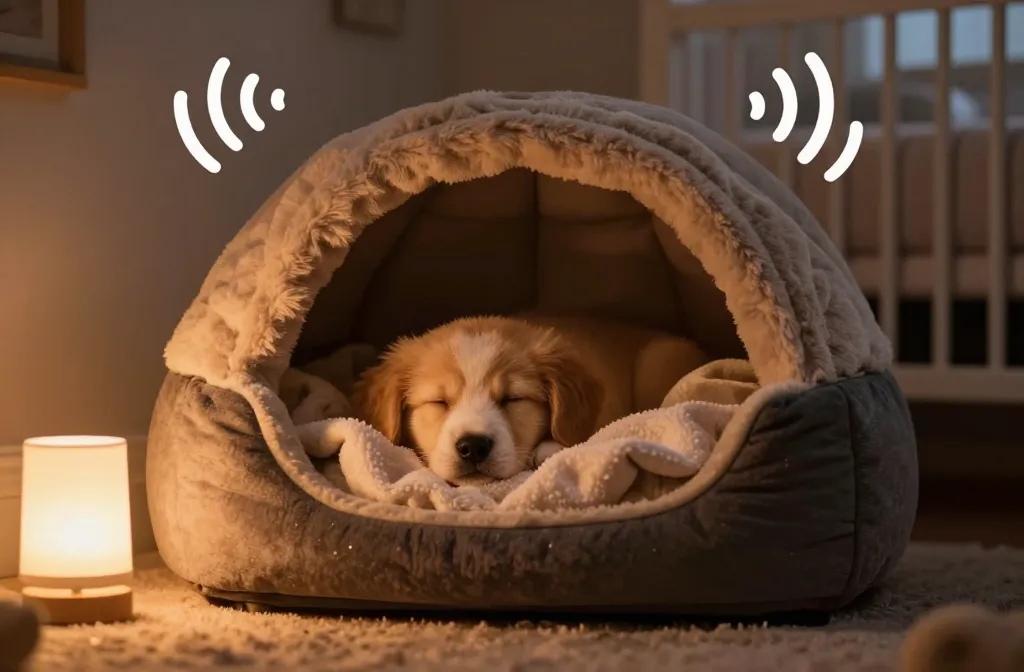
5 Ways to Stop a Puppy From Crying at Night: Calm Sleep Solutions
Puppy night crying can feel endless, but you don’t need a sleep-deprived miracle to fix it. These five practical strategies are friendly, doable, and oddly comforting for both you and your newest fur baby.
1. Create a Calming Nighttime Routine That Signals Bedtime
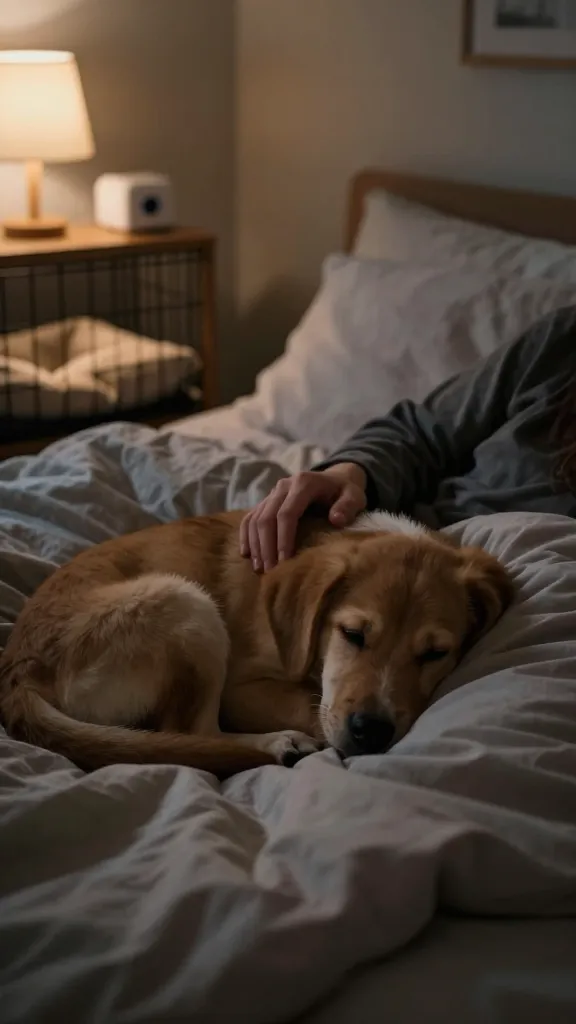
Dogs thrive on predictability, and a simple routine can turn crying into settled silence. The goal is to cue sleep, not frustrate yourself with a tired chorus every evening.
Start with a consistent sequence that you follow every night. The predictability helps your puppy relax and understand when it’s time to wind down.
Key Steps:
- Last potty break 15–20 minutes before bed
- A short, quiet cuddle or gentle brushing to ease into the routine
- Dim lights, play soft music or white noise to mask outside sounds
- A cozy bed in a familiar spot with a comforting scent
Consistency is your best friend here. If you skip steps or switch things up nightly, your pup might cry for the lost routine. FYI, a routine makes night-time decisions effortless for both of you.
2. Make the Sleeping Space a Snuggle Haven
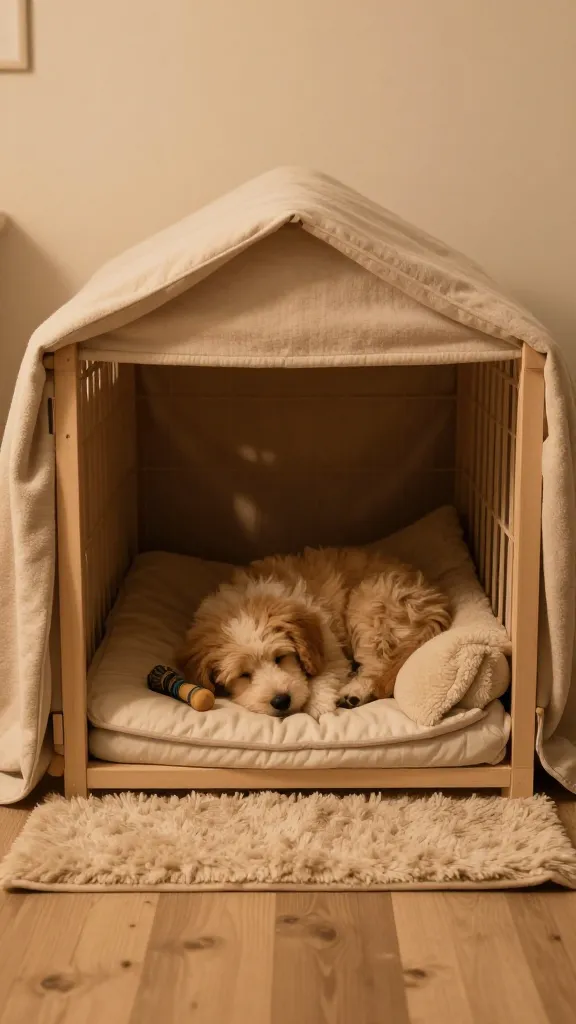
A puppy’s cry often sounds louder when they feel exposed. Turning the sleeping area into a tiny den reduces stress and boosts security.
Think about the setup like a little cave: warm, secure, and a touch familiar. Your pup should feel protected without feeling trapped.
Tips for a Cozy Den:
- Use a crate or crate-like pen with a comfortable bed
- Line the bottom with washable mats or a soft rug
- Place a crate cover or a blanket to create darkness and privacy
- Include a chew toy to keep them occupied if they wake
End result: a calm, secure space that invites sleep instead of alarm. Trust me, a snug den is a night game-changer when your puppy fights the pillow fight.
3. Rule Out Physical Discomfort and Hunger Fast

Sometimes crying is your puppy’s way of saying something’s off. A quick check-in can save hours of care and worry later.
Address common causes first so you don’t accidentally reward nighttime crying with your attention. You want to respond to comfort, not create a habit of night-time vigilance.
What to Check:
- Recent potty, hunger signs, or thirst—keep a small water pitcher away from the bed if necessary
- Temperature and blankets—make sure the room isn’t too hot or cold
- Tooth or ear discomfort—if you notice pawing at ears or face rubbing, schedule a vet check
- Parasites or skin irritations—check for itching that can wake them up
Simple adjustments here can prevent misinterpreted cries. If the crying persists after basic needs are met, you’ll know to explore other strategies. This step avoids guessing and keeps you grounded in real needs.
4. Gentle Soothing Techniques That Don’t Train Crying as a Habit

Soft, non-verbal soothing can calm a stressed puppy without making you the nightly entertainment committee. The idea is to reassure without reinforcing crying as the primary signal for attention.
Mix a few quick techniques and rotate them to keep things fresh and effective.
Recommended Approaches:
- Patience: calmly sit by the crate for a few minutes until you see slow breathing
- Soft verbal reassurance—low, soothing voice with brief phrases
- Light shushing or paracrine-style constant hum of a white noise machine
- Gentle swaddling-style snug wrap if your puppy is comfortable with it
End with a quiet, firm exit if they settle down. The aim is to reduce crying by offering reassurance, not to punish or ignore. Seriously, consistency matters more than perfect timing here.
5. Gradual Sleep-Training Plan That Builds Confidence
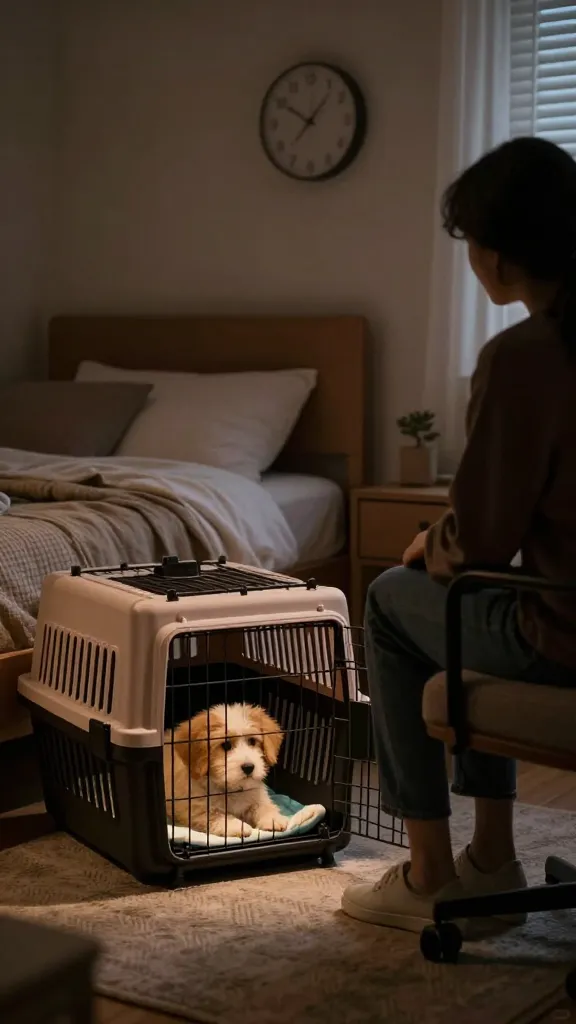
If your puppy keeps crying out of fear or insecurity, a gentle, structured training plan helps them build confidence while you reclaim your nights.
Think of this as a phased approach: start with short, frequent check-ins and gradually extend the time between them as your pup proves they can self-soothe.
Phase Outline:
- Phase 1: Short bedtime and quick check-ins every 5 minutes, gradually extending intervals
- Phase 2: Move the crate slightly farther away each night while staying within view
- Phase 3: Surround with familiar objects and scents from home to boost confidence
- Phase 4: Complete independent nights with occasional gentle re-entry if necessary
Benefits here are twofold: you gain peaceful nights, and your pup learns self-soothing skills that last a lifetime. Trust me, the payoff is worth the patience required during the early phase.
As you try these ideas, keep an eye on progress rather than perfection. If the crying escalates or continues past a couple of weeks, consider a quick chat with your vet or a puppy-behavior consultant. You’re not failing—you’re just fine-tuning what your pup needs to feel safe and sleepy. You’ve got this, and your bed will thank you.
Ready to test these tonight? The sooner you start, the sooner you’ll wake up to a quiet, cuddly pup and actual quiet hours for yourself. You’ve got a great plan—go make those dream-filled nights happen.