
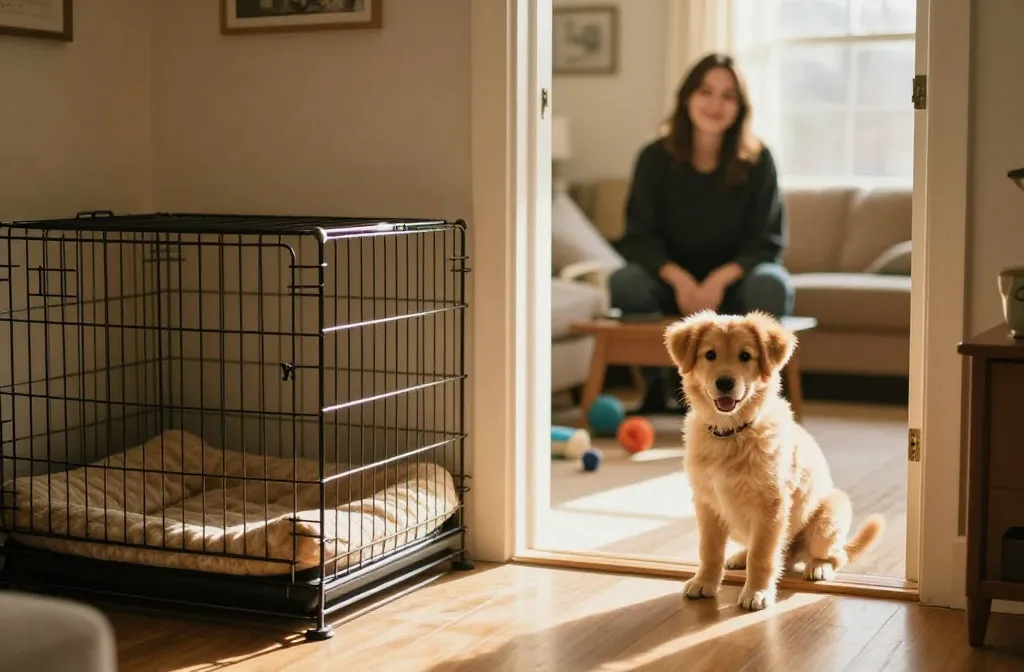
7 Puppy Separation Training Tips for Beginners: Quick Wins
Separation anxiety is real, and so is the joy of a confident pup. These tips cut through the noise and give you a clear, friendly path to independence for your puppy. Ready to see your home stay calm and your pup stay happy?
1. Start Short, End Big: Build Confidence with Tiny Departures

The first step is tiny: a few seconds away from your pup while you’re still nearby. This teaches your puppy that you can disappear and return without drama. It sounds simple, but consistency compounds fast.
Think of it as a staircase: brief exits, then longer intervals as your dog stays relaxed. FYI, progress might feel slow at first, but you’re laying a rock-solid foundation for years to come.
Key Points
- Choose a cue like “Be right back” and use it consistently
- Always return on your original schedule to avoid confusion
- Keep departures and arrivals low-drama—no long goodbyes
Benefits: your puppy learns predictability, and you gain predictable peace in the house. Use this method during feedings or when you’re tidying up.
2. Create a Safe Space They Love
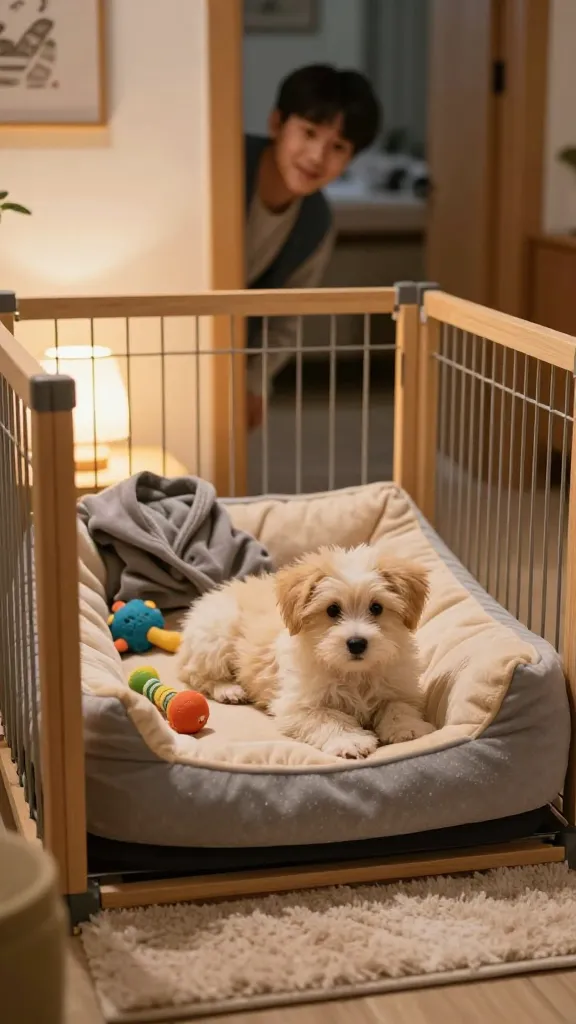
A cozy den gives your puppy a retreat where they feel safe when you’re not in sight. A crate, a washable bed, stuffed toys, and a dab of calming touch can do the trick.
Never force them into a space they hate; make it inviting with treats and peeks of your presence from the doorway. It’s more about creating a spa vibe than a punishment corner.
Tips
- Place a comfy bed, chew toys, and a hoodie with your scent inside
- Use a crate or gated pen to prevent wandering during initial sessions
- Gradually increase time away while staying close by the window line of sight
Benefits: reduces boundary confusion, builds security, and lowers the chance of counter-surfing or anxious pacing.
3. Use a Consistent Schedule to Normalize Absence

Puppies thrive on routine. A steady rhythm for meals, potty breaks, play, naps, and your departure/return times takes the guesswork out of separation. The goal is predictability, not rigidity.
Block your day around the puppy’s needs, and your own sanity. Do you really need to rearrange every plan for a quick run to the store? Probably not—if you plan around their schedule, everybody wins.
Structure Blueprint
- Fixed feeding times and potty windows
- Two or three short training sessions daily
- Visible routine cues (ding of the leash, door chimes) to signal a routine shift
Benefits: fewer accidents, less anxiety, and you’ll both know what to expect, which reduces stress for everyone.
4. Practice Departures That Don’t Degrade Your Style

Maintain a calm demeanor during departures and arrivals. Dogs mirror our energy, so if you sprint out yelling “Bye!” you’ve just equipped your pup with the drama they crave. Keep it cool and controlled.
The trick is to desensitize the moment of leaving with a smooth, repeatable routine. Yes, it’s boring at first—but boring wins big over time.
Practical Steps
- Practice 1-2 minute exits, returning quietly
- Wear a familiar outfit and leave through the same door every time
- Offer a special chew or treat only during departures
Benefits: your dog learns to tolerate being alone without freaking out, which helps during daily life and future trips.
5. Enrich the Time Apart with Mental Stimulation

Boredom is separation’s best friend. If your pup can chew, sniff, or problem-solve while you’re out of sight, they’ll be too busy to notice your absence. Brain games beat the blues and burn energy.
Mix in puzzle feeders, treat-dispensing toys, or scent work to keep their minds busy. Seriously, a little brain exercise goes a long way.
Engagement Ideas
- Fill a puzzle toy with bits of their meals
- Hide treats around a safe, contained area for scent scavenging
- Rotate toys weekly to keep novelty high
Benefits: longer attention spans, fewer destructive episodes, and a happier, more confident pup when you’re gone.
6. Layer in Gentle, Progressive Training: Response to Being Alone
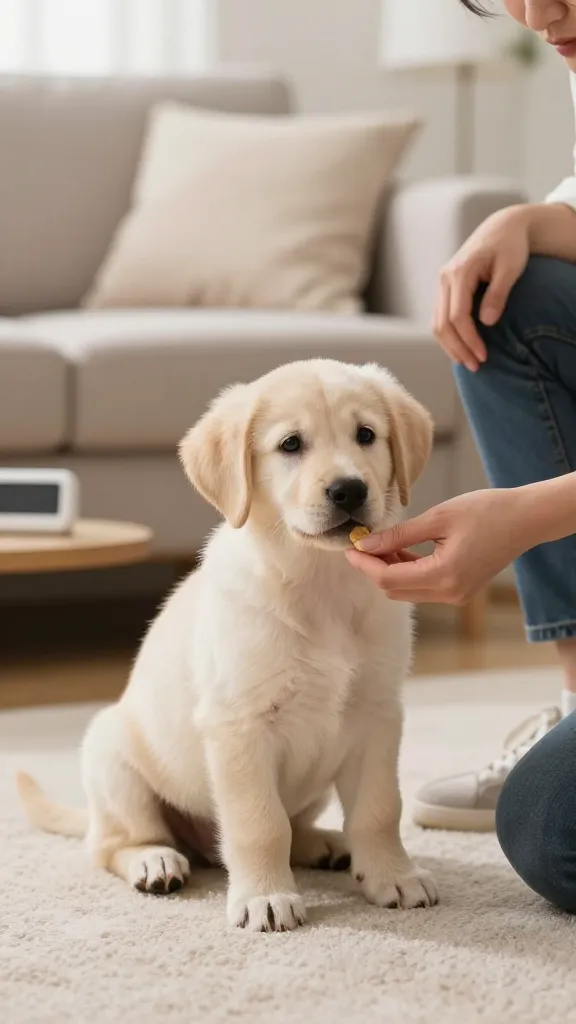
Incorporate a short, positive-only training plan focused on being alone. Think “sit,” “stay,” and “settle” with increasing duration. Always pair solitude with rewards when you rejoin, reinforcing the idea that alone time pays off.
Keep training upbeat and kind—punishment is a quick route to fear and more anxiety. Trust me, positive reinforcement is the only sustainable path here.
Suggested Framework
- Start with “settle” for 30 seconds, then gradually increase
- Alternate between short training bursts and quiet intervals
- End every session with a positive cue and a treat
Benefits: your pup learns a reliable “calm when alone” response, which makes family life smoother and less chaotic.
7. Plan for Real-Life Triggers: Doors, Visitors, and the Outside World

Real life loves throwing curveballs: doorbells, visitors, mail carriers, and the vacuum monster. Prepare your puppy with controlled exposure to these triggers so they stay calm when the real deal happens.
Practice in small steps, reward calm behavior, and keep sessions short and frequent. It’s all about teaching resilient responses, not fear suppression.
Trigger-Exposure Playbook
- Golf-club quiet doorbell simulations, then full doorbell rings later
- Invite a friend for a short, predictable visit while you’re present
- Introduce household noises gradually with a reward for staying settled
Benefits: a steadier dog in the face of everyday life, better boundaries, and less drama when guests arrive or you step out briefly.
Ready to try these ideas? Trust me, the payoff is a calmer home, a more confident puppy, and fewer guilt-filled outsized departures. IMO, consistency is the secret sauce here, so pick a plan and stick with it for a couple of weeks to see true changes.
In short, these seven tips blend routine, space to grow, and playful training into a recipe that makes separation feel like no big deal. You’ll both thank yourself when your puppy naps happily in their safe space while you tackle your day.
When you’re ready, grab a timer, a bag of treats, and a curious pup—your future calm home awaits. Seriously, you’ve got this.


