

15 Puppy Socialization Checklist Items Every Owner Needs: Must-Do Basics
You’ve got a fluffy new teammate, and the world is basically a playground. These 15 socialization steps keep chaos in check and confidence soaring. Let’s dive in and make puppy life not just cute, but smooth sailing.
1. Start Socialization Early, Then Double It
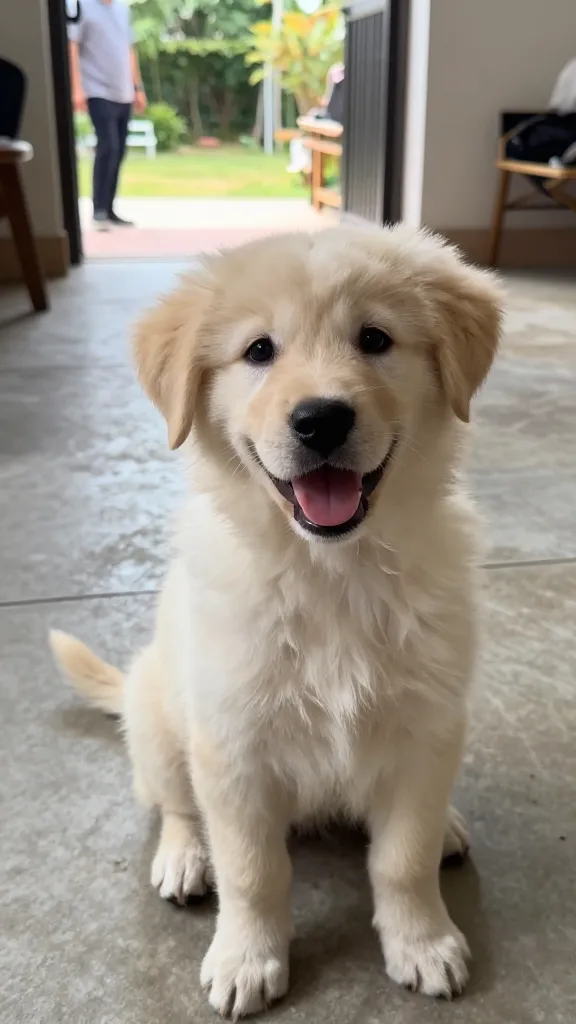
Puppies soak up experiences like sponges. Start exposure now and keep it varied to build a fearless little buddy. Trust me, consistency pays off in calmer, happier dogs.
Quick Plan:
- Introduce new people slowly, one or two at a time
- Mix indoor and outdoor environments
- Keep sessions short and positive
End result? A pup who handles new places with a wag instead of a wobble. Use bite-sized sessions to avoid overload, and watch for signs of stress to pause when needed.
2. Meet Different People Respectfully

People come in all shapes, sizes, and scents. Your job is to teach your puppy to greet calmly. No grabbing, no jumping—just a friendly sniff and move on.
Interaction Tips:
- Ask strangers to soften their hands and let the puppy approach
- Reward calm, polite sniffing with tasty treats
- Practice with kids and adults separately for smoother vibes
Benefits: better manners in parks, vet clinics, and family gatherings. If your pup freezes, step back and reframe the moment with a toy or treat.
3. Leash Etiquette Like a Pro
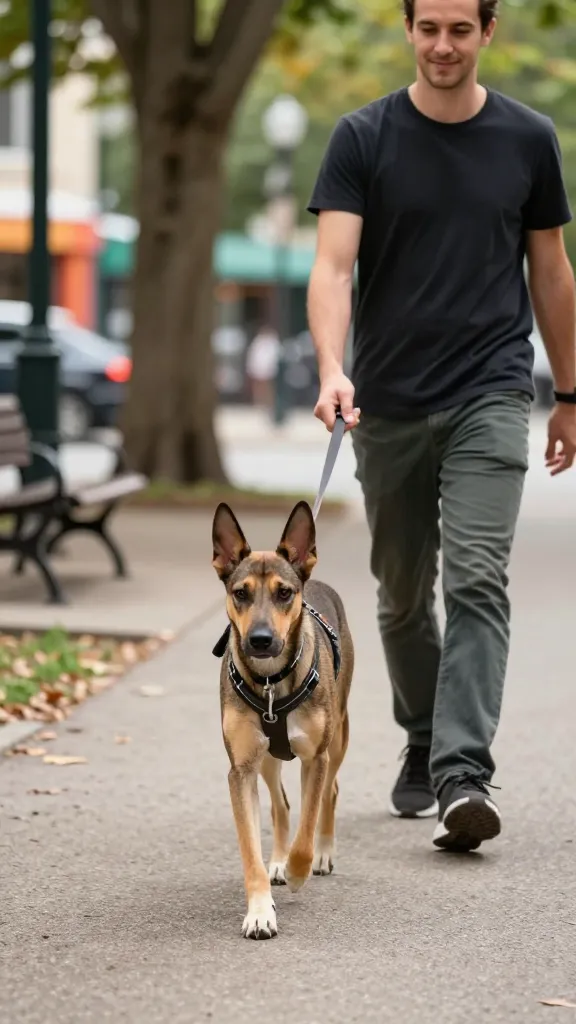
Walking is training in disguise. A confident leash routine reduces pulling, fear, and accidental spooky bites at nothing.
Keys That Work:
- Short, steady leash for early sessions
- Reward calm walking with treats or a favorite toy
- Switch up routes to mix textures, sounds, and smells
End result: a dog who strolls by your side instead of treating every lamppost as a dragon.
4. Vehicle Comfort Without the Drama
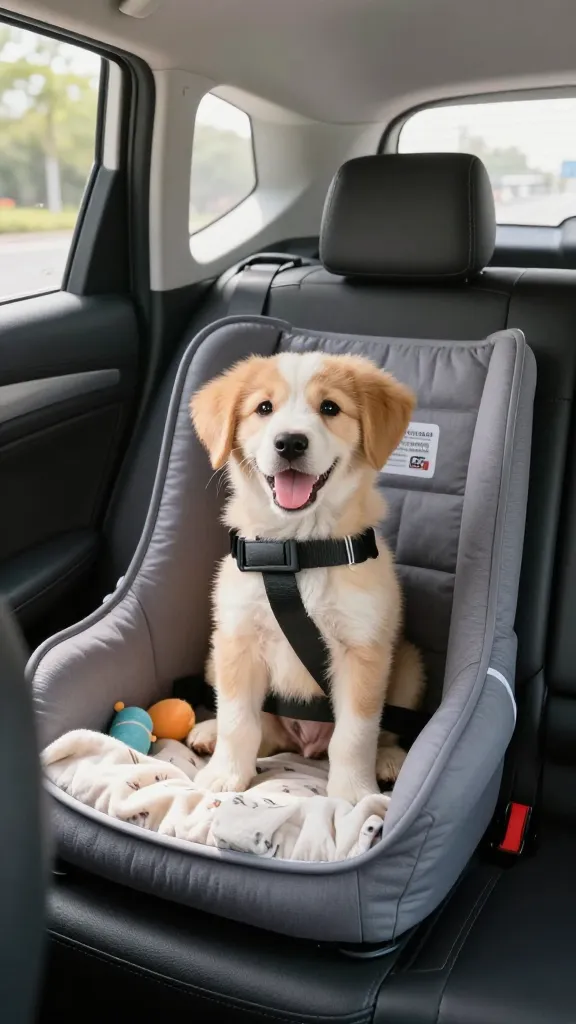
Car rides can be exciting or terrifying. Help your puppy love the ride, not fear it, so travel becomes a breeze for vet visits and adventures.
Tips for Smooth Rides:
- Practice loading/unloading with snacks
- Use a secure crate or harness
- Start with short trips and end on a happy note
When car time is pleasant, vet trips feel less like a dungeon and more like a tiny road trip.
5. Positive Veterinary Interactions

Visits to the vet should feel safe, not scary. Gentle handling, treats, and trust go a long way.
What to Do:
- Bring a favorite treat and a calm toy
- Ask the vet to show and reward calm handling
- Practice brief check-ins at home between visits
Bonus: fewer stressful weigh-ins or shots because your puppy knows the drill.
6. Tolerate Handling on the Body

Touch tolerance builds confidence for grooming, vet checks, and daily handling. Your pup should enjoy ears, paws, and brushing.
Practice Points:
- Gently handle paws, tail, and mouth daily
- Pair handling with treats and praise
- Keep sessions short and positive
Benefit: faster grooming, less resistance, more cuddle-time.
7. Name That Toy, Not the Room
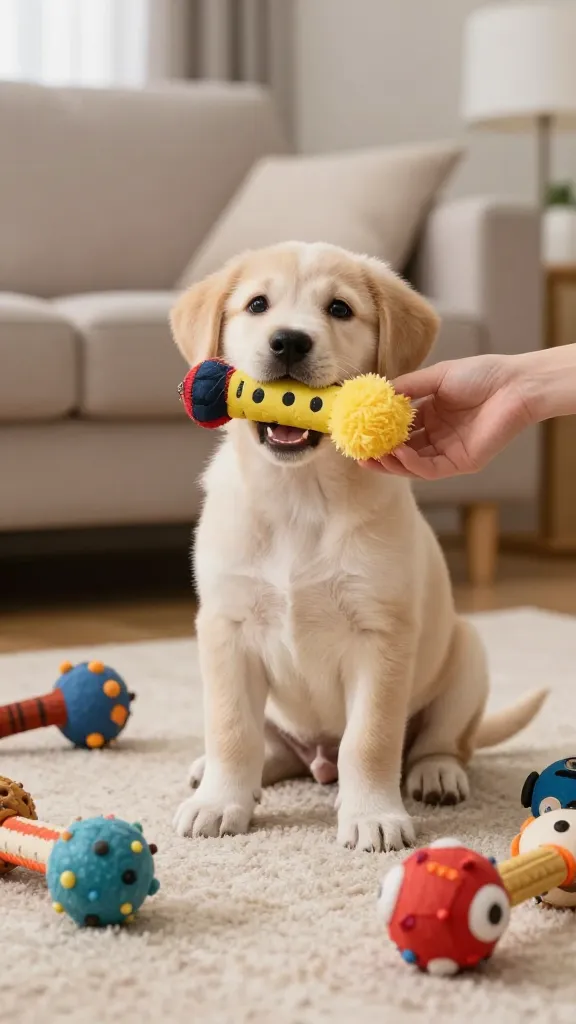
Train your puppy to fetch specific objects by name. This boosts focus, reduces chewing on furniture, and makes playtime super productive.
How to Train:
- Introduce a few safe toys with distinct names
- Say the name consistently and reward the correct toy
- Wing it with a quick fetch game daily
Outcome: a well-behaved munchkin who chooses the right toy in a crowded living room.
8. Controlled Playdates for Social Smarts
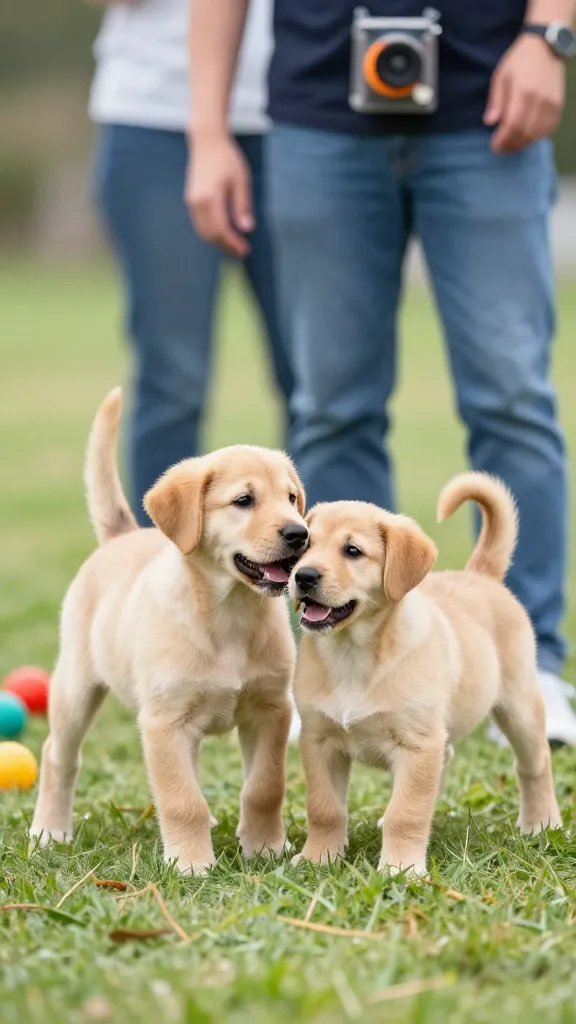
Playtime with other dogs teaches bite inhibition, body language, and cooperation. Keep it controlled and positive rather than chaotic chaos.
Structured Play Tips:
- Choose well-matched, vaccinated dogs
- Monitor intensity; pause if tails drop or hackles rise
- End with a calm, rewarding cooldown
Result: a social butterfly who knows how to share the stage without drama.
9. Scent Immersion Sessions

Puppies explore the world with their nose first. Scent games boost brain power, reduce anxiety, and add a fun twist to training.
Simple Scent Ideas:
- Bury treats in a shallow blanket or under cups
- Hide-and-seek with a strong-smelling toy
- Introduce new scents like vanilla, citrus, or pine (in small amounts)
Bonus: this quietly tires them out—the best kind of mental workout.
10. Quiet Time and Rest Periods

Overstimulation wrecks recall and confidence. Short, frequent breaks help the brain process experiences.
Rundown:
- Offer a comfy crate or bed after play
- Keep a predictable schedule for meals and naps
- Use a calm, low-energy tone during downtime
Benefit: a calmer puppy who recovers quickly and stays curious, not cranky.
11. Impulse Control Training
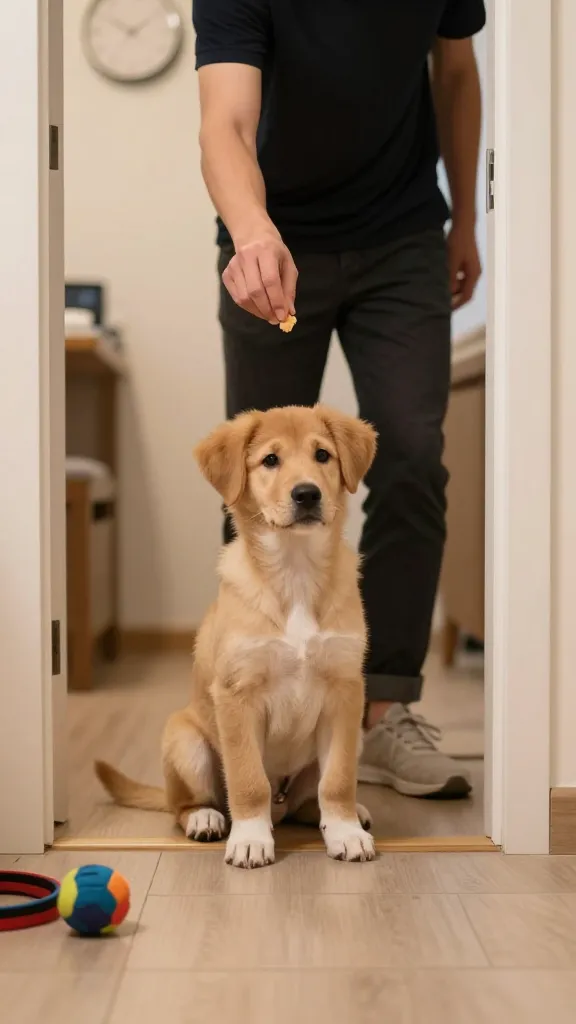
impulse control is the secret sauce for a well-behaved pup who can wait for dinner, doors, and toys.
Key Exercises:
- Wait at doorways before crossing
- Trade up for a higher-value treat than the initial lure
- Practice long stays with a timer
Use it daily to turn spur-of-the-moment chaos into deliberate, controlled actions.
12. Crate as a Cozy Confidence Nook

A crate isn’t a jail—it’s a security blanket your puppy can retreat to. A happy crate time builds independence and reduces separation stress.
Crate Comforts:
- Pad, chew, and a safe toy
- Short crate sessions during the day, gradually lengthening
- Never use as punishment; associate with positive rewards
End note: a confident pup curls up in its own space, sponge-braining less stress and more calm.
13. Basic Obedience That Actually Sticks

Basic commands are your daily toolkit. A few solid cues save you from chaos in tricky moments.
Core Cues to Teach:
- Sit, Stay, Come, Leave It
- Place on a mat or bed for boundaries
- Gentle on the leash and courteous manners with guests
Keep sessions short, cheerful, and sprinkled with rewards. This isn’t a lecture—it’s playtime with a purpose.
14. Positive Reinforcement Kit
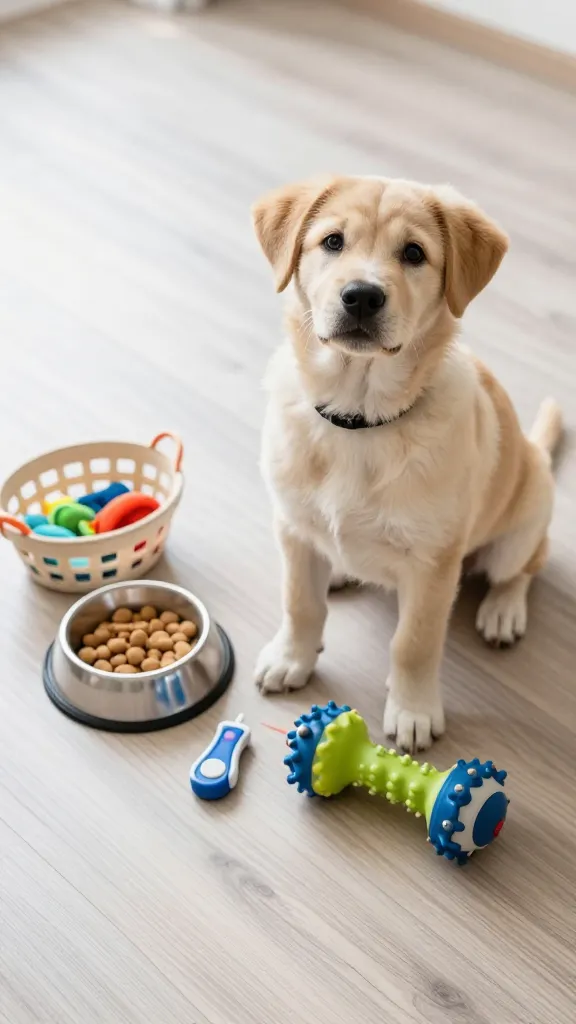
What you reward grows. Build a toolkit that makes the right behavior irresistible.
What to Include:
- High-value treats for tough moments
- Sturdy clicker or marker word
- Favorite toy and a toy basket for quick access
FYI, consistency beats intensity. A simple, steady approach shapes better behavior than sporadic, loud sessions.
15. Routine, Routine, Routine

Puppies love predictability. A solid routine minimizes anxiety and maximizes learning by creating reliable expectations.
What to Lock In:
- Regular feeding times and potty breaks
- Daily play, training, and rest windows
- Consistent rules across family members
When your puppy knows what comes next, confidence blooms and you dodge a lot of “I didn’t know we were doing this” moments.
Big picture: these 15 items build a well-rounded, confident, and happy puppy that brings joy instead of chaos. Start small, stay consistent, and celebrate every tiny win. Trust me, your future self will thank you every day.
Conclusion: You’ve got this. Grab a pocketful of treats, a comfy leash, and a big splash of patience—your adorable sidekick is ready to conquer the world, one confident step at a time.


