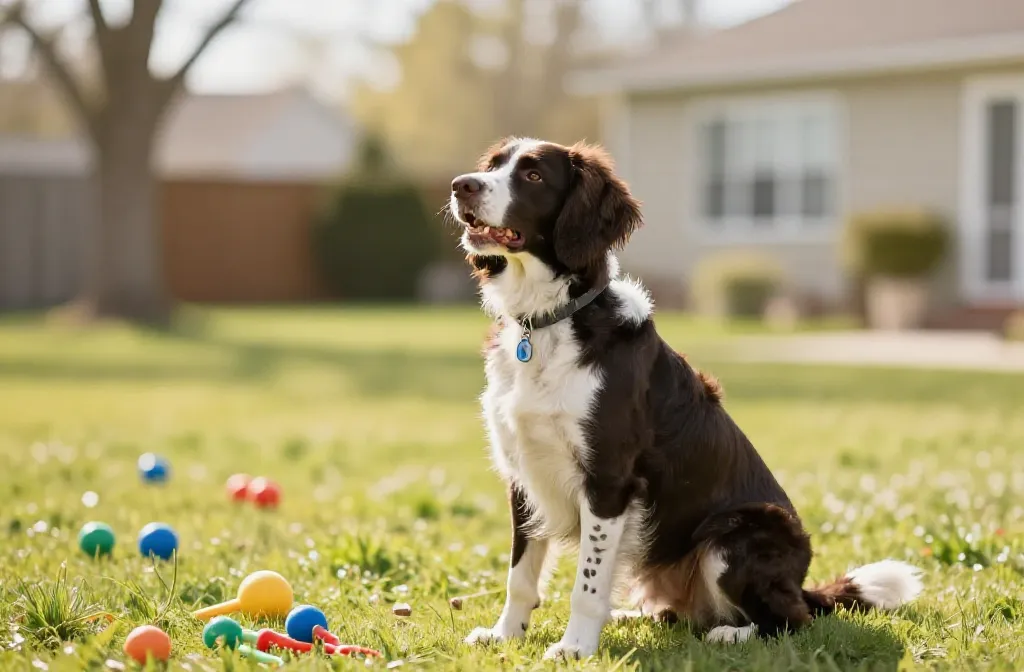
5 Dog Training Tips for Springers
Springers are bursty bundles of joy, and training them doesn’t have to feel like a full-time job. These five tips keep things fresh, practical, and actually fun for both you and your pup. FYI, you’ll wonder how you ever trained without them.
1. Master Positive Reinforcement on Mischief-Mornings

Springers wake up ready to conquer the world, and their energy can be wild. Positive reinforcement helps channel that fire without turning training into a drag show. You’ll build a solid habit pattern faster than you think.
Key Points
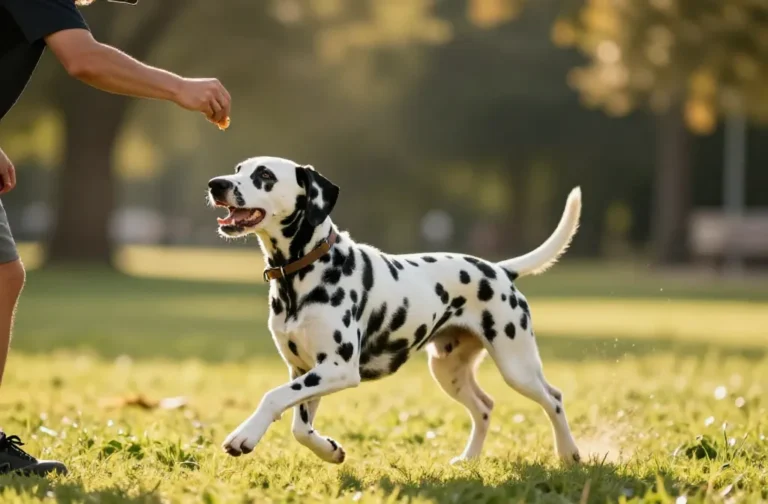
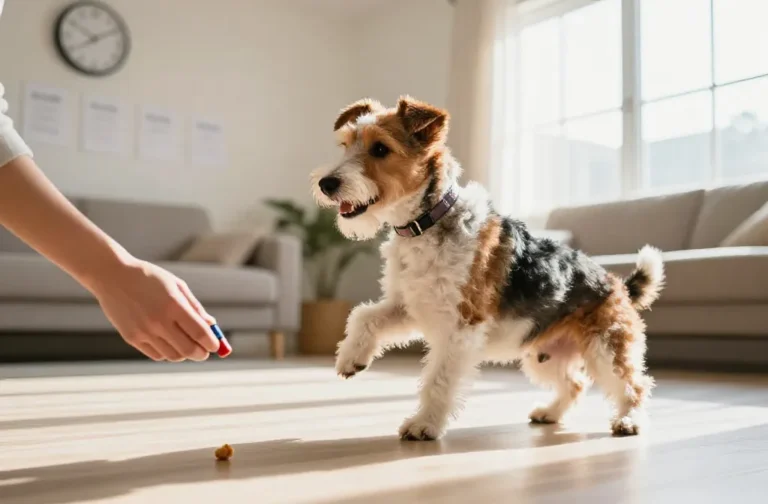
- Reward calm behavior with tasty treats or a quick game of tug
- Use a clicker if you’re into precision—consistency is your friend
- Keep sessions short and sweet, 5–7 minutes max
Short, bright bursts beat long, sleepy sessions. Trust me, your Springer will stay engaged and eager for the next round instead of zoning out halfway through.
2. Thrive with Short, Frequent Walks & Structured Play
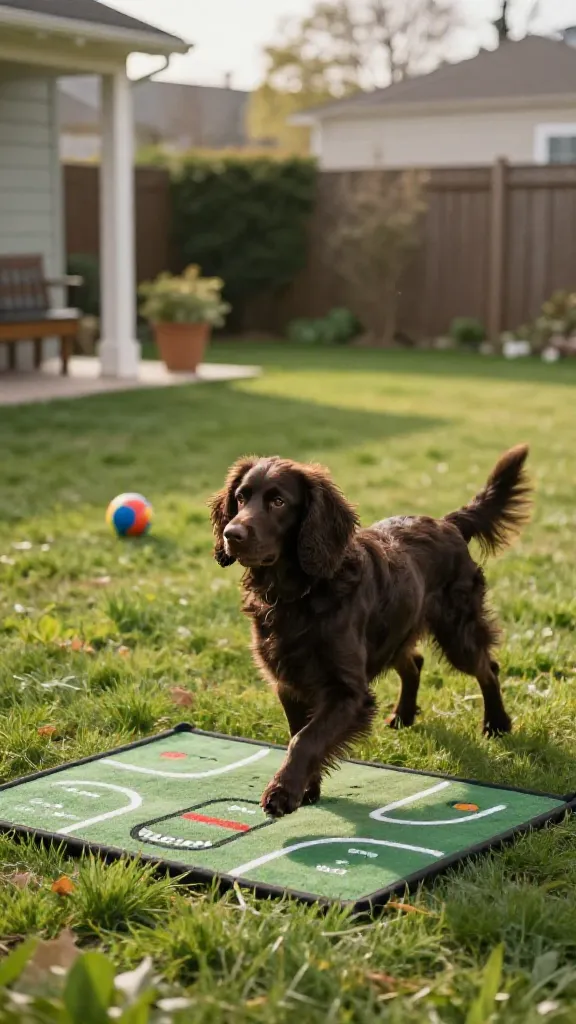
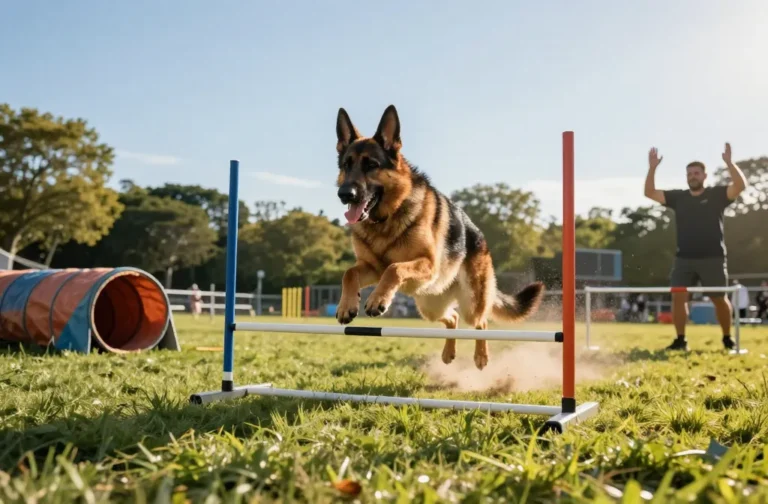
Sprinters by nature, Springers thrive on movement. Jumping from one high-energy burst to another can derail training if you don’t structure it. Think of your daily routine as a recipe: a dash of obedience, a pinch of play, and a lot of happy tail wags.
Tips
- Mix obedience cues into walks: heel, sit, drop it
- Incorporate fetch with purpose—reward at the fetch point, not after the chase
- Set a “focus corner” in your yard for quick practice bursts
Balanced routines reduce anxious antics and keep your dog excited to learn. FYI, consistency is your secret sauce.
3. Impulse Control Games That Don’t Feel Like Homework
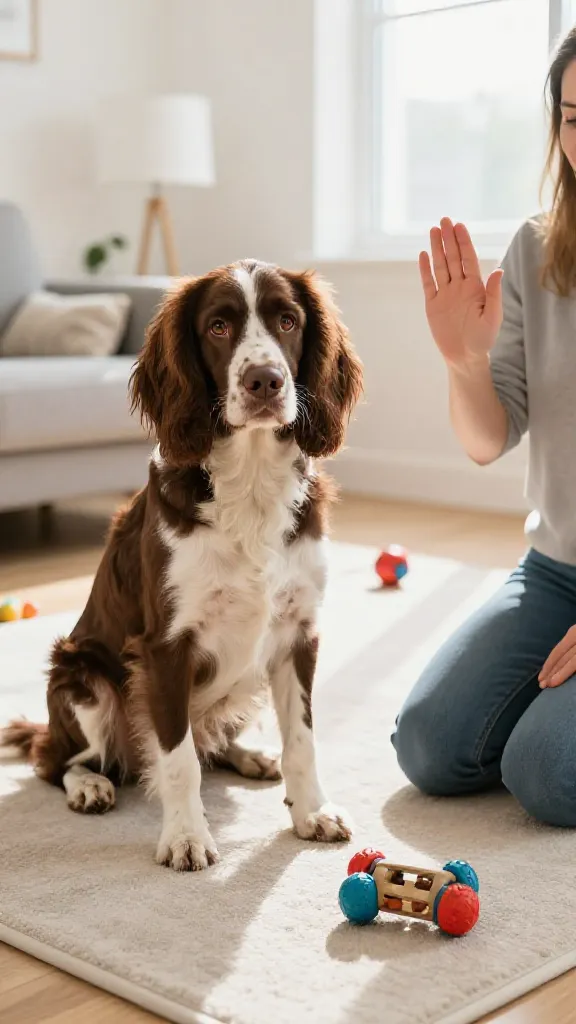
Impulse control is the secret sauce for a well-behaved Springer at the park or in the living room. When training feels like play, your dog learns faster and your life gets easier.
Game Ideas
- Red Light/Green Light: teach “stop” on cue and rewards for waiting
- Place-it Challenge: train your dog to settle on a mat or bed on cue
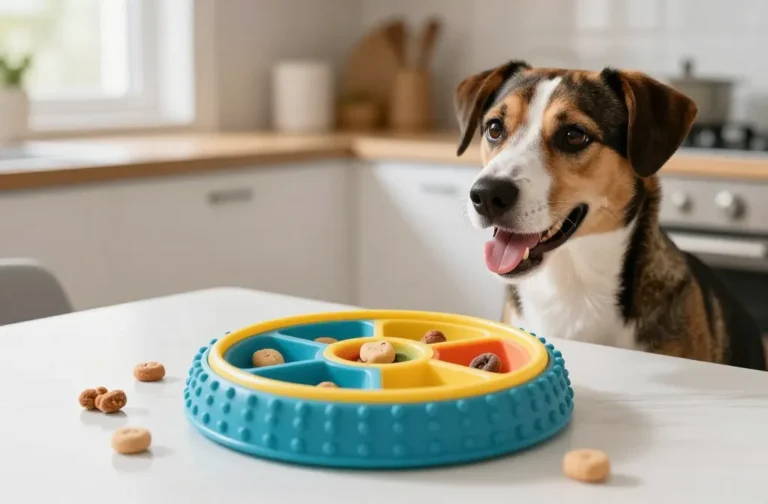
- Slow-Release Treats: use a puzzle toy to extend focus and reduce frustration
These games build patience without dragging you into a power struggle. Seriously, you’ll notice more reliable behavior during meals, door openings, and car rides.
4. Year-Round Cue Diversification: Sit, Stay, Recall, Repeat
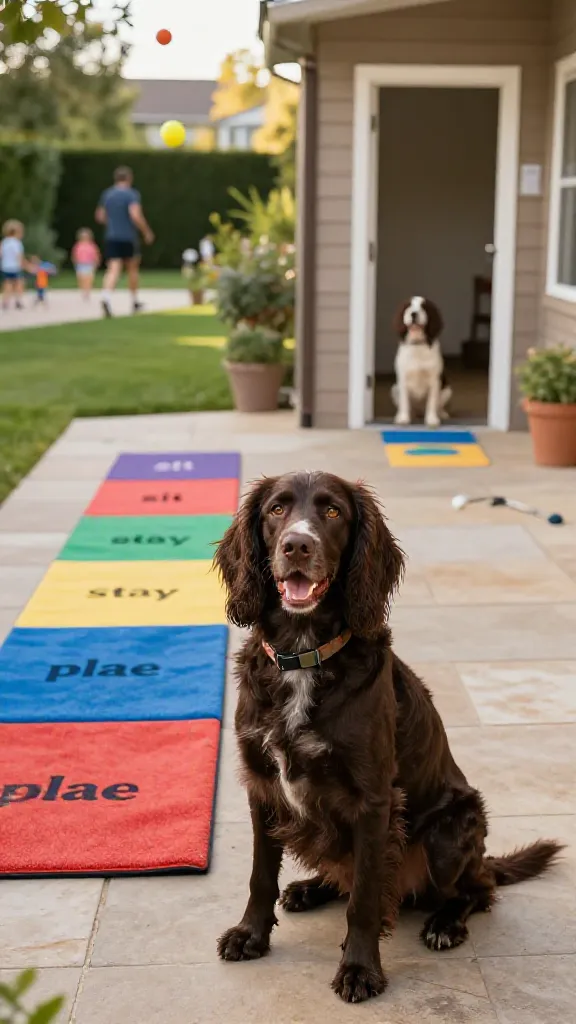
Springers are intellectual dynamos who crave mental stimulation. Build a toolkit of cues beyond the basics so you have a reliable dog in every setting. Think of it as social conditioning for real life.
What to Add
- Recall with distraction: practice in the yard, then the park
- “Place” variations: different mats, surfaces, and rooms
- Door manners: teach “wait” before stepping through
By broadening the cue repertoire, you’ll reduce chaos at the moment when you most need control. IMO, this is where training starts to feel like second nature.
5. Gentle Gear & Setup: Leashes, Harnesses, and Timing
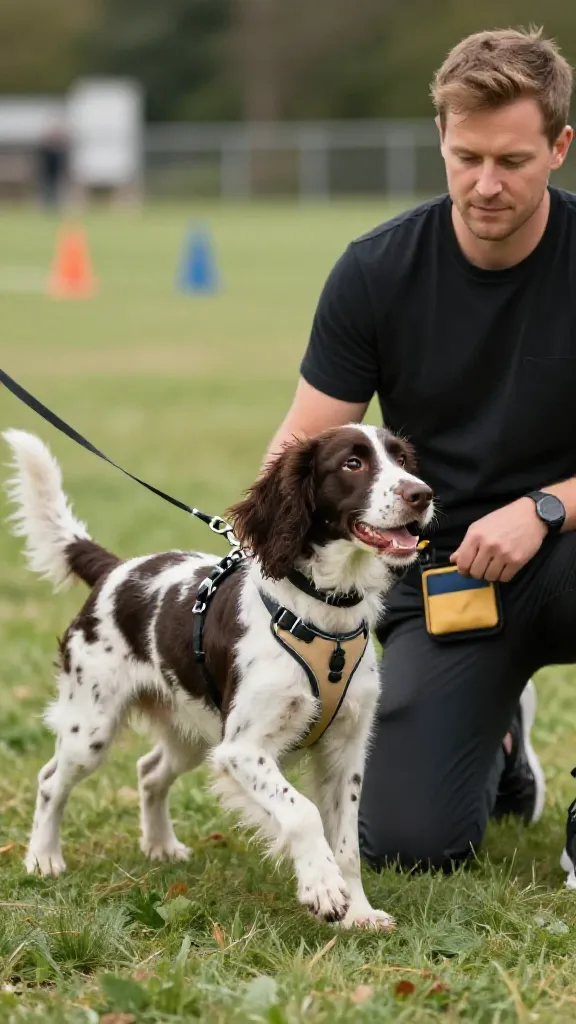
The right gear can make or break training momentum. A comfortable harness, a properly fitted collar, and a reliably short leash help you stay in control without pulling or stress for your Springer.
Smart Choices
- Use a front-clip harness to discourage pulling
- Choose a lightweight leash and keep it within a hand’s reach
- Invest in a portable treat pouch for on-the-go rewards
Good gear reduces friction and makes training feel like a game you both win. When you pair the setup with well-timed rewards, you’ll see a real difference during outdoor adventures and visits to busy places.
Bottom line: these five tips aren’t about fancy tricks; they’re about sustainable routines that respect your Springer’s energy while building trust and obedience. Seriously, you’ll both enjoy the process more and see faster progress than you expect. Trust me, a well-trained Springer is a joy you’ll want to share with everyone.
Ready to put these into action? Grab a timer, a pocket of treats, and a big grin—springtime training just got a whole lot more fun. You’ve got this, friend!