7 Tips to Stop Dog Pulling on Leash
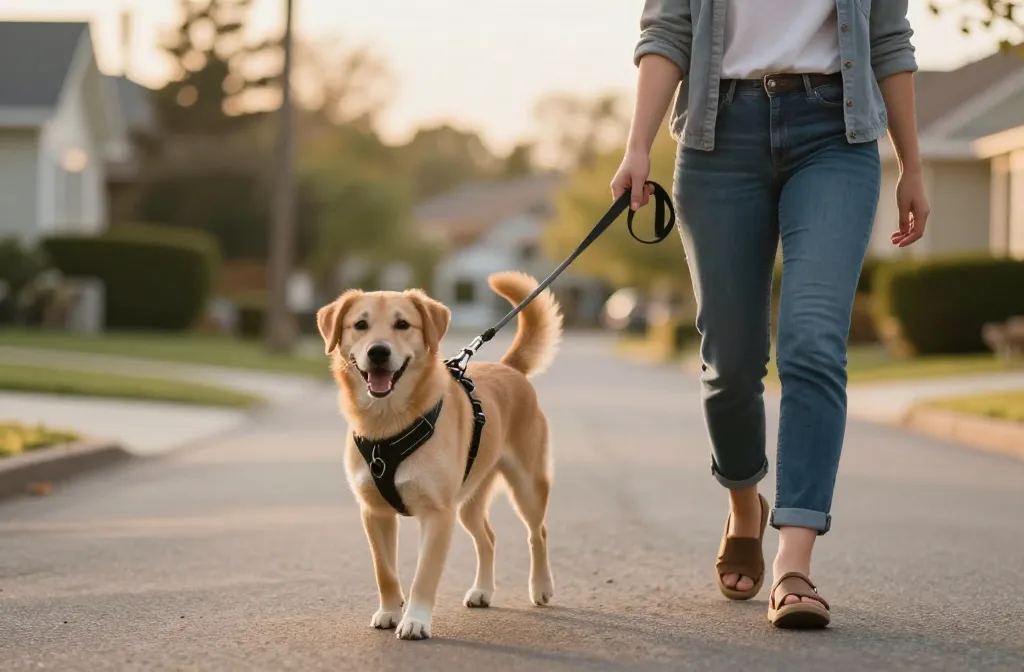
Ever watch your pup yank you down the street and think, “There has to be an easier way”? These seven tricks cut through the chaos and turn walks into win-wins. You’ll see calmer strides, happier vibes, and maybe a few surprised neighbors asking for your secret.
1. Reset the Pace With Gear That Works
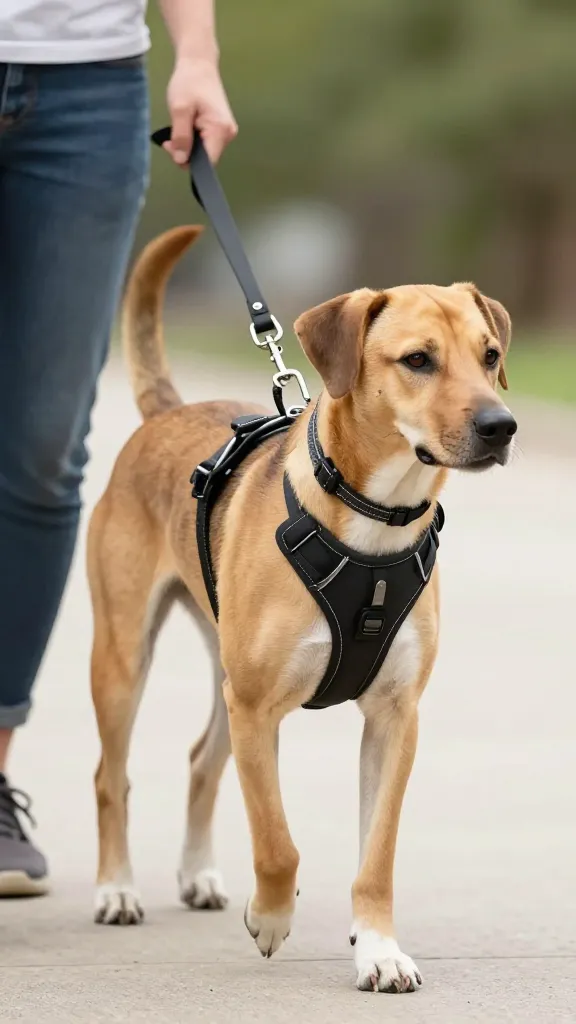
If your dog pulls, starting with the right gear can feel like flipping a switch. A well-fitted front-clip or no-pull harness makes a huge difference without turning our four-legged pals into Houdini runners.
Key Points:
- Front-clip harnesss reduce pulling by redirecting your dog’s momentum.
- A correctly sized collar with a sturdy leash gives you control without choking your buddy.
- Check fit by two-finger rule—you should fit under the strap, not loose enough to slip out.
FYI, gear alone won’t fix behavior, but it sets the stage for training to shine. Start with short, positive sessions and build from there.
2. Teach Loose-Leash Walking Like a Pro
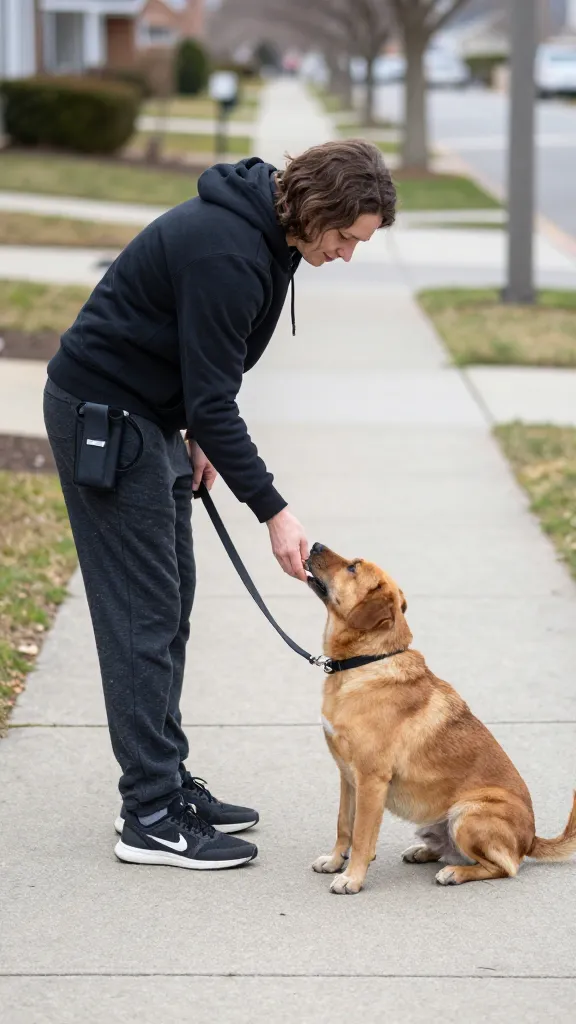
This is the core skill that makes every walk feel like a win. You’re not fighting a tug-of-war; you’re guiding your dog to walk beside you, calmly and confidently.
How to Start:
- Sit-to-treat method at the door to reinforce starting stance.
- Use a treat pouch and high-value rewards for staying close.
- Change direction abruptly to encourage your dog to follow, not pull ahead.
Remember, consistency is your best friend here. The more you practice in short bursts, the quicker the habit sticks. Seriously, stick with it and you’ll notice the difference in days, not weeks.
3. The Power of Check-Ins: Gentle Tugs That Teach
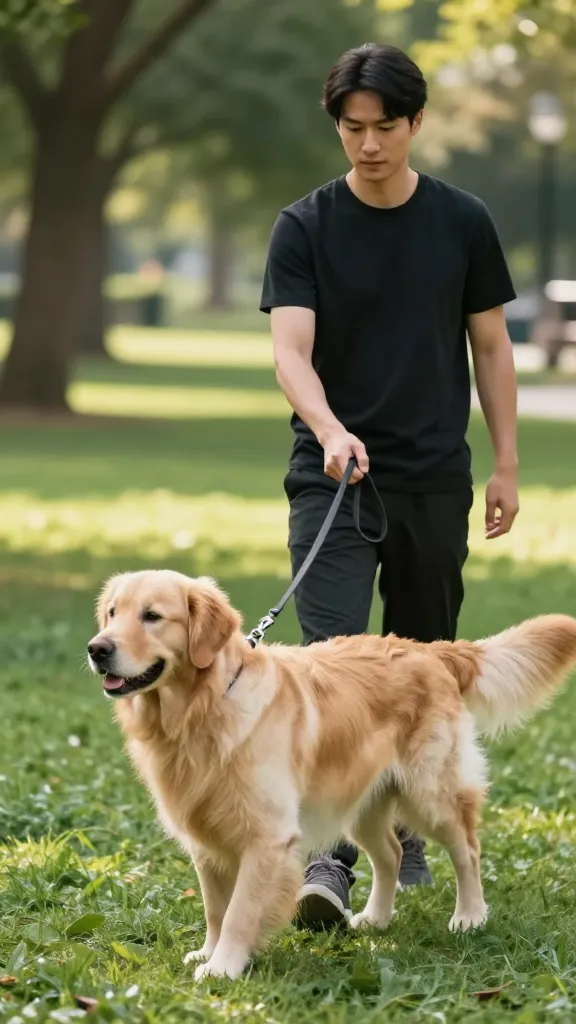
Controlled nudges help your dog realize when they’re out of position. The goal isn’t punishment; it’s clear feedback that says, “Hey, come back to my side.”
Key Techniques:
- Turn your body slightly toward your dog as you walk, using your leash as a signal, not a weapon.
- Give a quick, gentle, on-twist pull when your dog starts to surge ahead, then reward when they return.
- Pair with a verbal cue like “easy” or “with me” for consistency.
These tiny cues compile into big behavior changes. Trust me—small, calm reminders beat shouting every time.
4. Turn Walks Into Training Sessions (In Short Bursts)
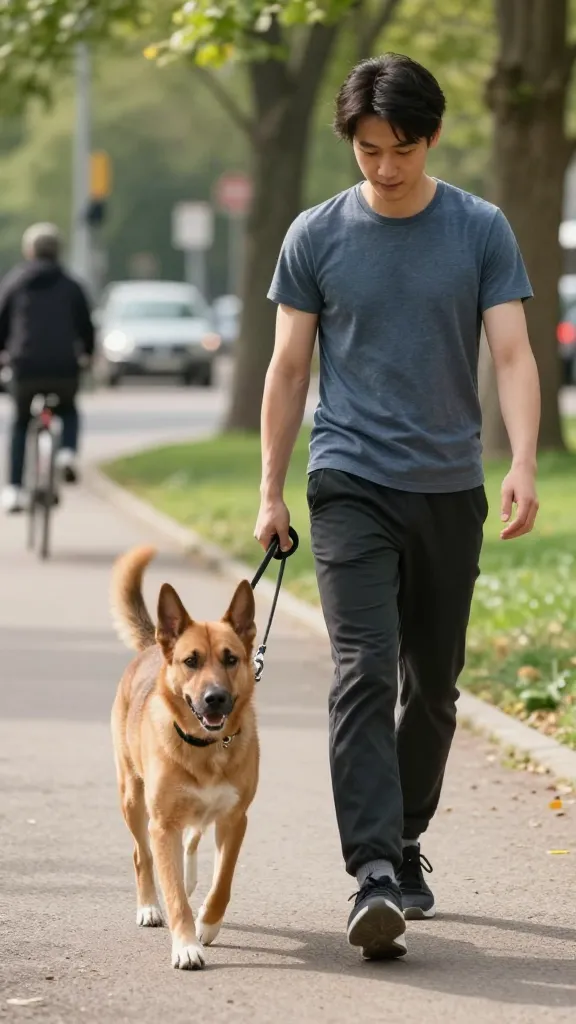
Walks aren’t only about exercise; they’re daily brain work. Short, purposeful training bursts keep your pup engaged and less likely to pull out of boredom or excitement.
What to Do:
- Pause-and-reward whenever your dog stays by your side for 3–5 steps.
- Increase difficulty with mild distractions—cars, other dogs—then reward when focus returns.
- Add a “pause” cue: stop, stand still, reward when the dog chooses to stay near you.
Done right, your walks become a positive reinforcement loop. FYI, if you’re frustrated, you’re allowed to take a breath and reset—patience is part of progress.
5. Master Redirects: Channel the Excitement
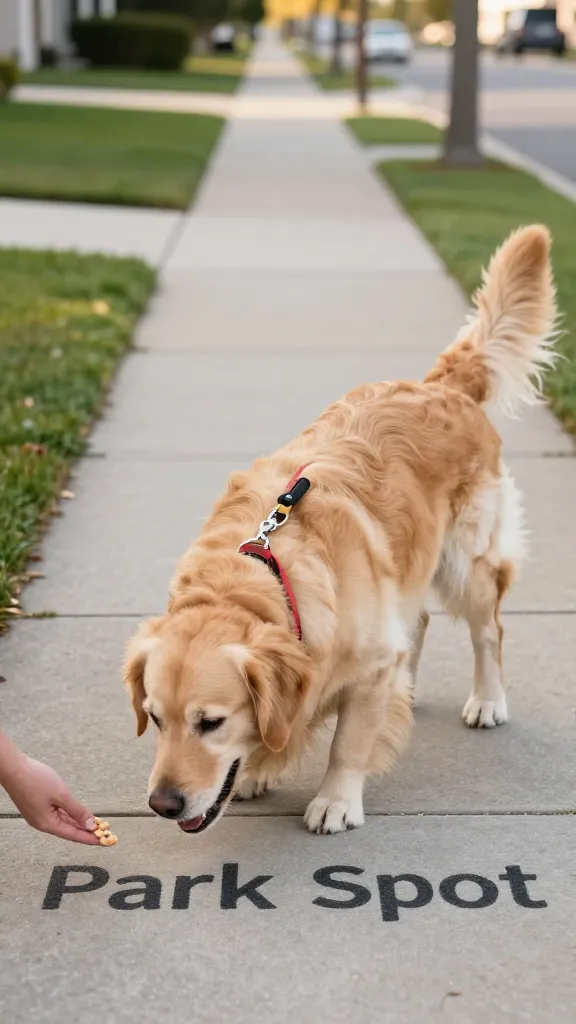
Dogs often pull because they’re excited or curious. Redirecting that energy to sniff breaks and short recall integers can save you from chaos on busy sidewalks.
Smart Redirects:
- Offer sniff breaks at designated “park spots” and reward calm behavior.
- Carry a few favorite sniff-worthy treats to make pauses worthwhile.
- Practice “watch me” to refocus when you approach a distraction.
Redirecting isn’t punishing; it’s teaching your dog how to use their nose without pulling you along. Seriously, your dog will thank you with better focus and fewer tantrums on the walk.
6. Build Stamina: Short, Frequent, Repetitive Sessions
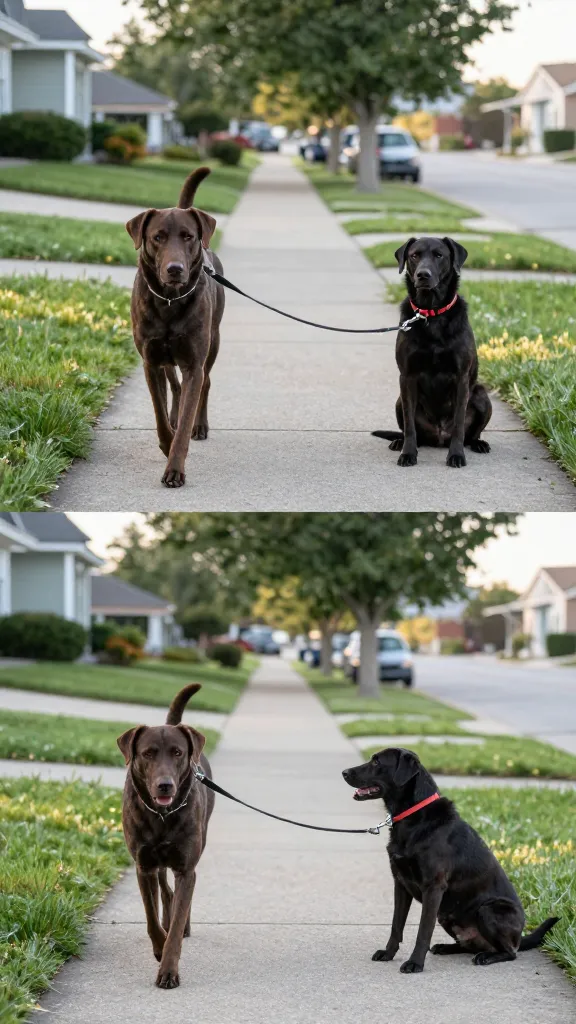
Pulling often stems from fatigue or overstimulation. Short, frequent exposures over days and weeks train your dog to stay engaged without a leash tug-o-war.
Simple Plan:
- Two 5–8 minute walks each day focused on training beats one long chaotic session.
- End each session on a positive note with a treat and a quick game of fetch or a cuddle.
- Increase duration gradually as your dog maintains focus.
Slow and steady wins the leash race. Your dog will learn to channel energy into walking calmly beside you. Trust me on this one.
7. Turn Setbacks Into Comebacks: Troubleshooting On the Go
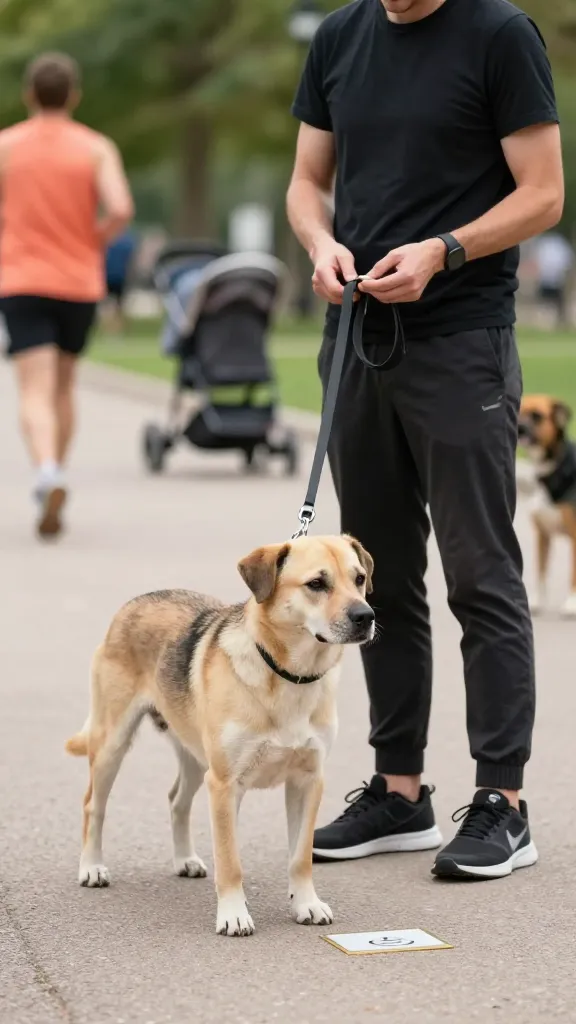
No plan is perfect. You’ll run into stubborn moments, especially in new environments. The trick is to recover quickly and keep progress in view.
Quick Troubleshooting:
- When a distraction hits, stop, reset to the side, and reward calm focus.
- If your dog lunges, take a few steps in the opposite direction, then reengage with a cue and reward.
- Track progress with a simple log: date, situation, what worked, and what didn’t.
Consistency here is the difference between a walk that ends in tug-of-war and one that ends with both of you smiling. You’ve got this.
Conclusion: You’ve got seven solid moves to tame the leash chaos, and they build on each other. Start with gear, layer in training, and sprinkle in redirects and short, happy sessions. Soon enough, your walks feel like a breeze, and your dog strolls by your side with pride. You’ll be sharing this with everyone you know—FYI, they’ll want your secret sauce. Go try it and watch the transformation unfold. Seriously, you won’t regret it.