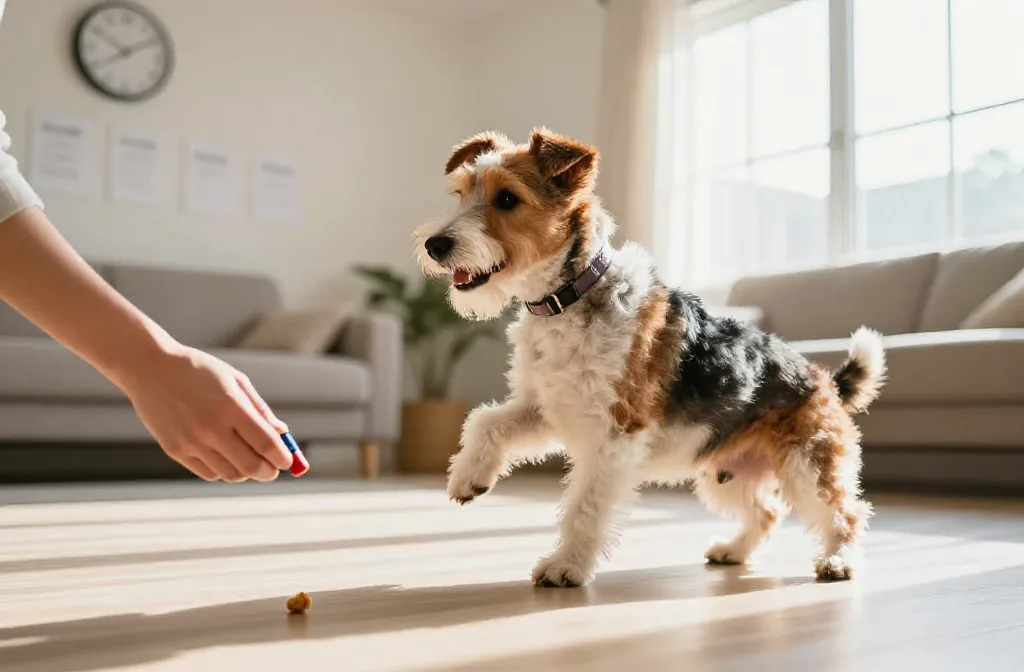
7 Training Tips for Terriers That Really Work
Terriers can be tiny dynamos, but their energy isn’t a problem when you’ve got solid training tricks. These seven tips cut through the chaos and give you fast wins. FYI, you’ll actually enjoy the process (yes, really).
1. Nail a Clear, Short Daily Routine
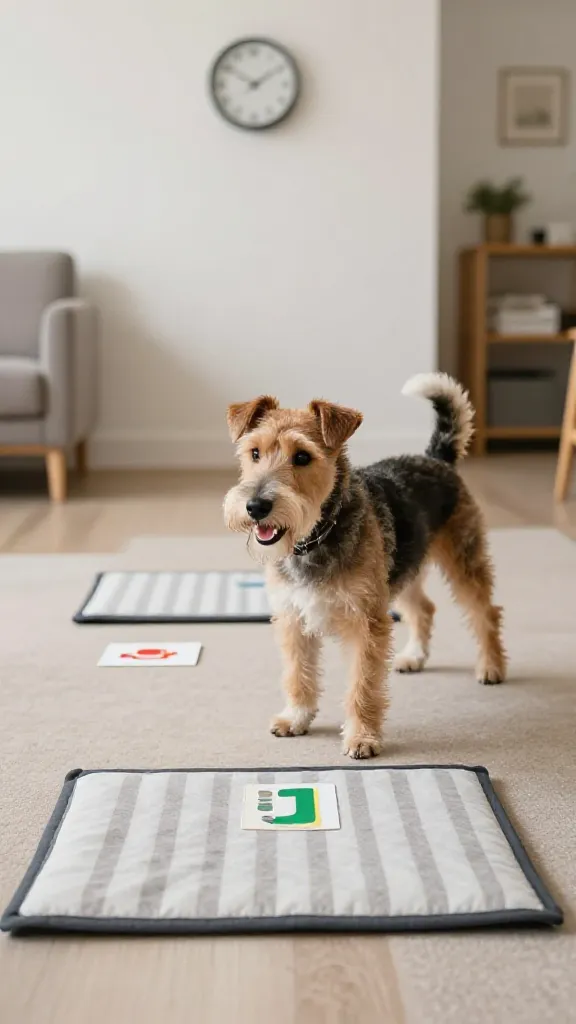
Terriers thrive on consistency and simple structure. A tight routine makes it easy for them to know what to expect and what’s expected of them. Seriously, consistency is the secret sauce here.
Key Points
- Two short training sessions (5–10 minutes) per day
- Two potty breaks on a predictable schedule
- A consistent cue word for each activity
With a stable rhythm, your terrier stops guessing and starts listening. The benefits spill over into go-to commands, bed time, and even when guests arrive. Use a timer if needed; your dog will thank you with fewer excuses to misbehave.
2. Teach Quick, Positive Cades: Reward-Based Training

Terriers respond best to rewards, not intimidation. Keep surprises positive and keep the treats tasty. Trust me, a happy pup learns faster than a grumpy one.
Tips
- Use high-value rewards for tough tasks (tiny bites of chicken work wonders)
- Pair treats with a click or verbal cue immediately
- Gradually reduce treats but keep praise and affection
Choose a reward that really lights up your pup. It accelerates learning and makes practice feel like a game rather than a chore. IMO, the best part is watching the smile when they nail a command and get that perfect treat.
3. Master “Watch Me” Before Advanced Tricks

Eye contact is a powerful foundation. When your terrier looks at you on cue, you’ve got a communication superpower. This skill unlocks everything from recall to polite leash manners.
Progress Path
- Hold a treat near your face to lure a glance, then click and reward
- Gradually increase distance before rewarding
- Use a distinct cue like “Watch me” and stick with it
Practice in short bursts throughout the day. The payoff: easier redirects, safer outdoor exploration, and less frustration at the park. FYI, stay patient—the first few sessions might feel clunky, but consistency pays off fast.
4. Leash Training That Feels Like a Walk in the Park
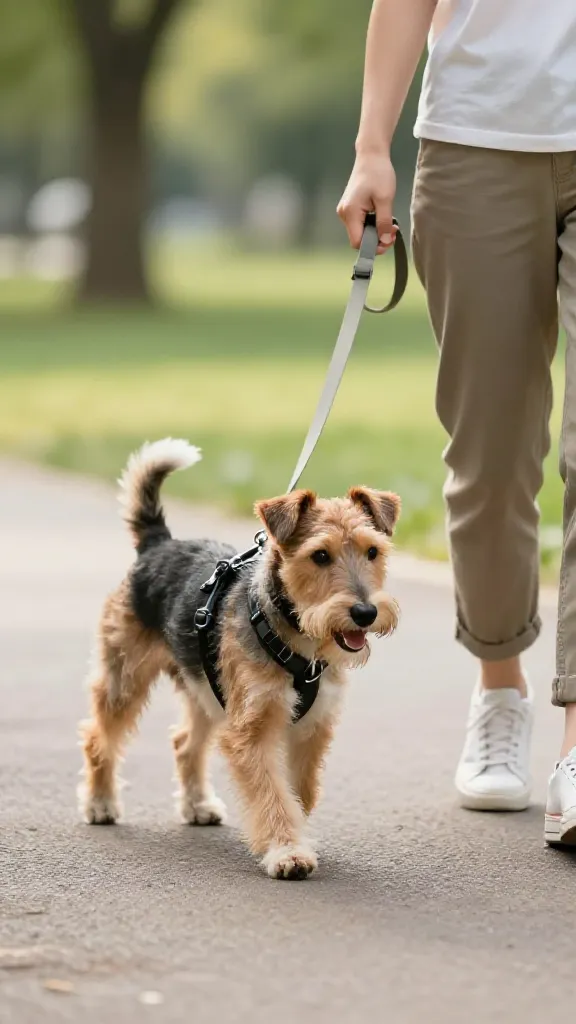
Terriers love to pull, sniff, and sprint. Turning leash time into pleasant walking requires a clear plan and the right setup. You’ll both enjoy longer, calmer strolls.
Practical Setup
- Use a well-fitted harness or collar that’s comfortable
- A front-clip harness can help curb pulling
- Practice “Heel” with short intervals in a distraction-free space
Introduce a light, consistent leash cue and reward early attention. When you do encounter distractions, switch to a higher-value reward and reset. This reduces frustration and teaches your pup that calm walking pays off. Seriously, consistent practice makes park adventures way more enjoyable.
5. Boost Recall With a Safety-First Strategy
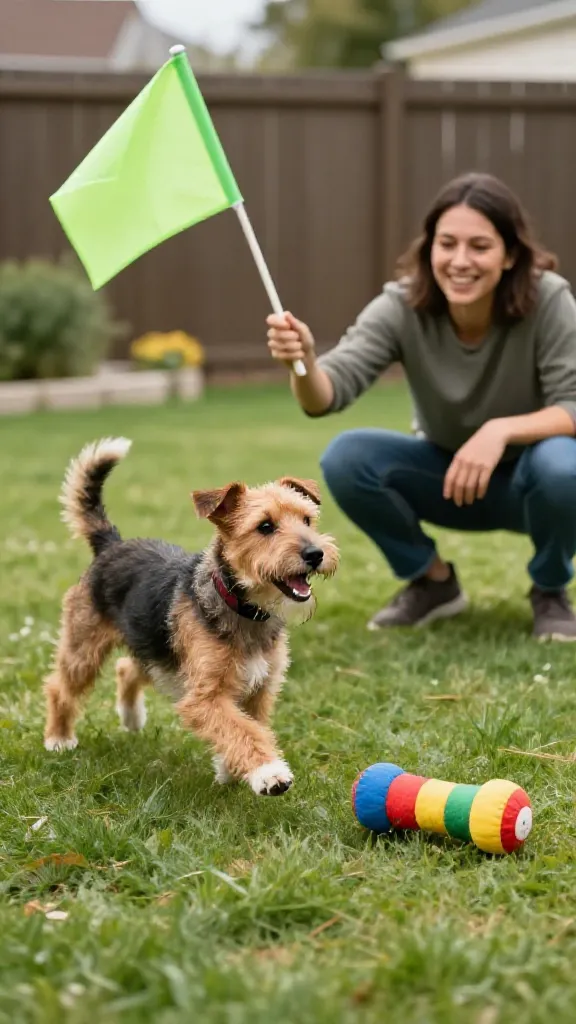
Terriers are adventurous, which makes recall both essential and tricky. A reliable “come” can keep them out of mischief and in your orbit when it matters most.
Smart Recall Plan
- Practice in low-distraction areas first, then progressively add challenges
- Use a bright, happy cue and a big reward
- Never punish for coming back — celebrate loudly and warmly
Remember to keep sessions short and end on a high note. If your dog ignores you at the far end of the yard, abandon the drill and practice closer first. The end goal is a reliable, eager return—no drama, just obedience with a wag.
6. Boundary Training for Indoor Peace
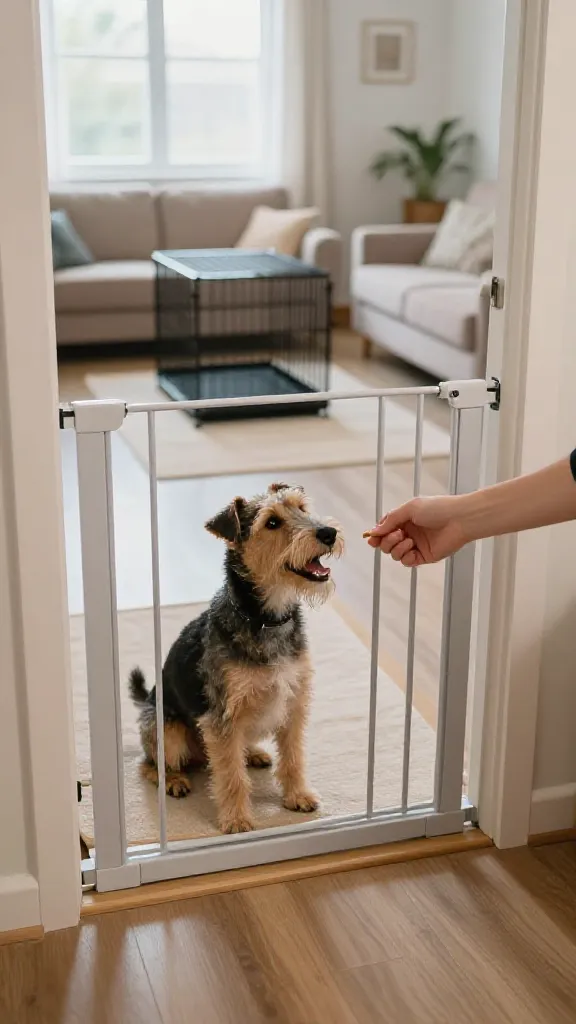
Terriers can turn a living room into a playground if boundaries aren’t clear. Teach your pup where they can be and where they can’t, so your furniture survives and your dog stays happy.
Boundary Basics
- Set up a few “no-go” zones and clearly communicate with a cue
- Offer acceptable alternatives (crate, mat, or designated bed)
- Use a doorway or baby gate to reinforce space boundaries
Boundary training reduces chaos and helps your terrier learn self-control. The best part? Less cleaning, more couch time, and a dog that feels secure in its own space. FYI, never punish a dog for boundary testing; redirect and reinforce the right behavior instead.
7. Social Skills: Gentle Juices For Calm Encounters
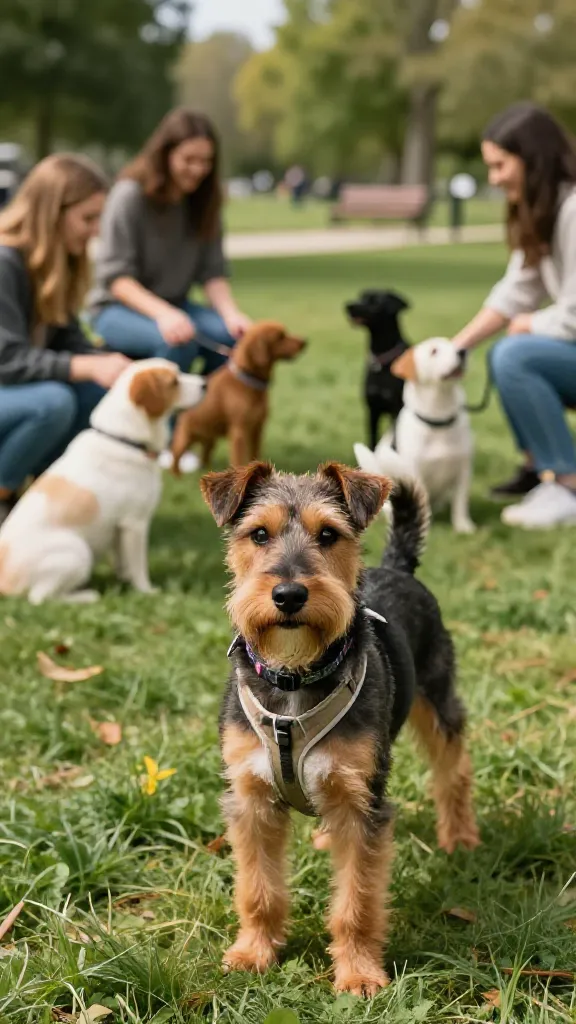
Terriers can be brave and a touch bossy with other dogs. Social confidence mixed with manners makes park days and playdates calmer and more fun.
Social Toolkit
- Controlled meetups with well-behaved dogs
- Calm greeting cues (sit, watch, for mouthy dogs, a soft “leave it”)
- Short, positive play sessions to build trust
Track progress in small steps and celebrate calm behavior around strangers and dogs alike. The payoff is a more relaxed terrier who can handle new situations without turning every encounter into a test of will. Seriously, social training isn’t just cute; it protects safety and enhances joy on every adventure.
Conclusion: you’ve got seven practical, fun, and doable strategies to transform your terrier’s behavior. Start with one or two, stack progress, and watch your little whirlwind become a confident, well-mannered buddy. You’ve got this—now go bring out the best in your furry teammate!