5 Poisonous Foods for Dogs Every Owner Should Know
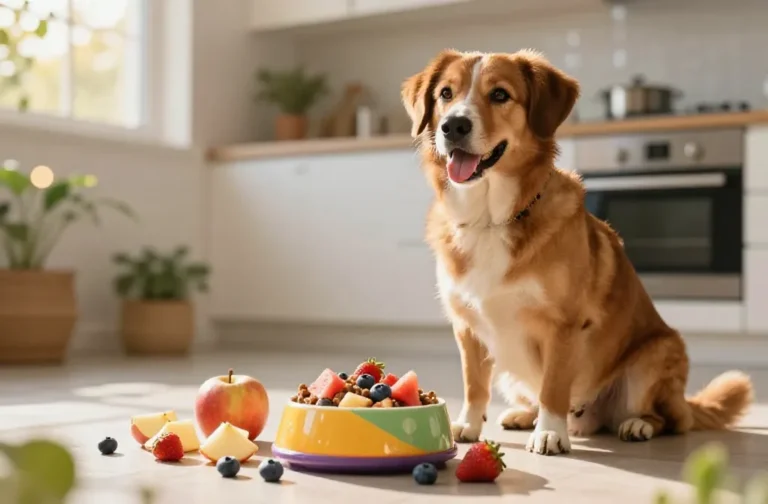
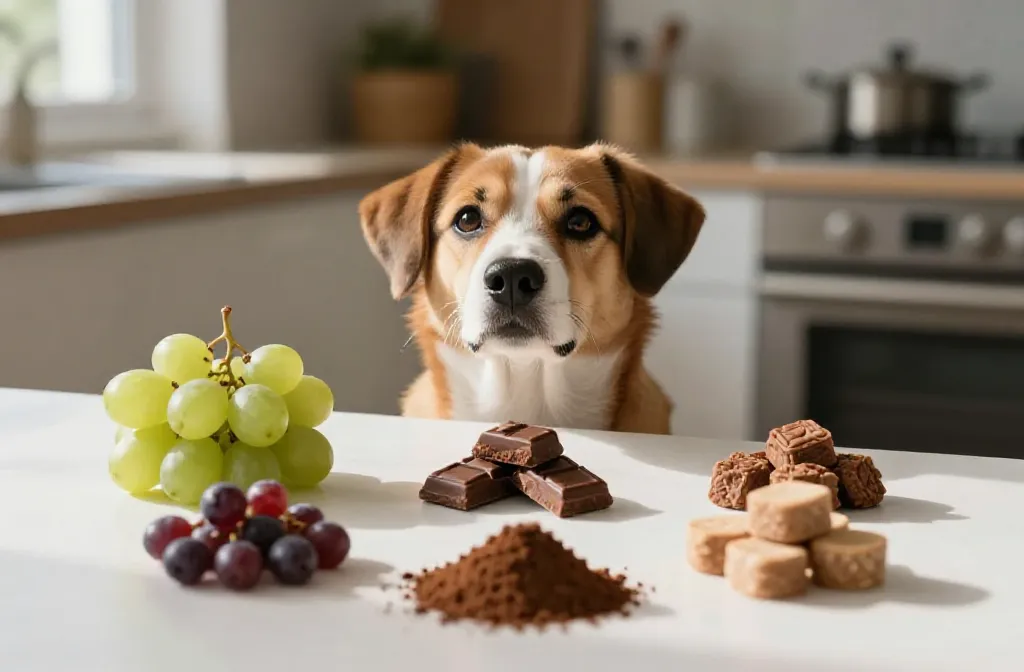
If you’ve ever shared a snack with your pup, you know how hard it is to resist those puppy-dog eyes. Some foods we love can turn into vet bills or worse for dogs. Here are the five big offenders you should know inside out, with quick tips to keep your furry friend safe.
1. Grapes and Raisins: Tiny Bites, Major Dangers
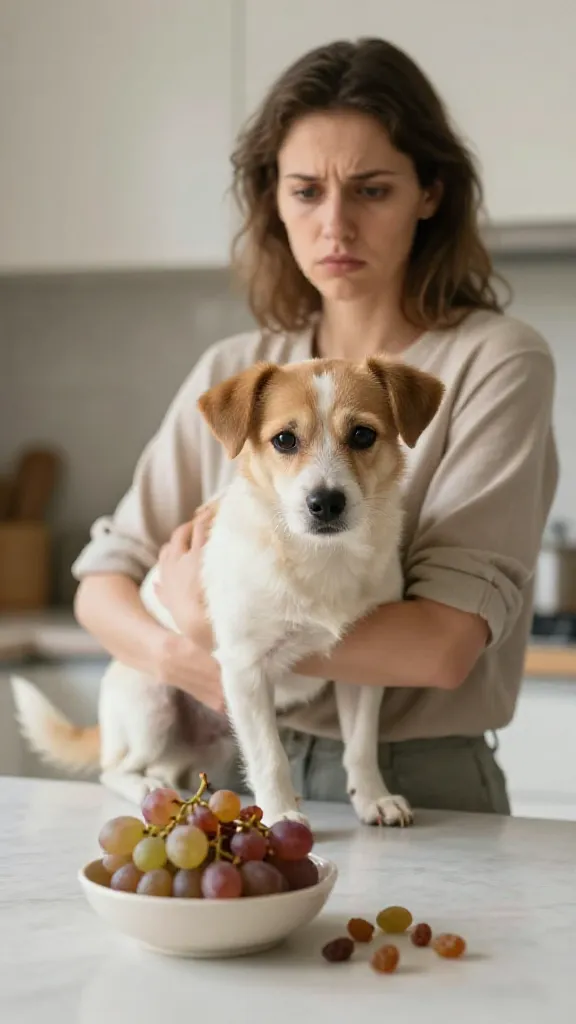
Grapes and raisins look innocent, but they can cause rapid kidney damage in dogs. No, there isn’t a safe amount, so better to keep them out of reach entirely. FYI, even tiny nibble can trigger problems.
What to watch for
- Vomiting or diarrhea shortly after ingestion
- Lethargy, weakness, or reluctance to move
- Decreased appetite or thirst
If your dog gobbles a grape or raisin, contact your vet or an emergency clinic immediately. Early intervention can mean the difference between a quick recovery and serious kidney issues. Trust me, it’s not worth the risk.
2. Chocolate: The Dark Side of Sweet Treats
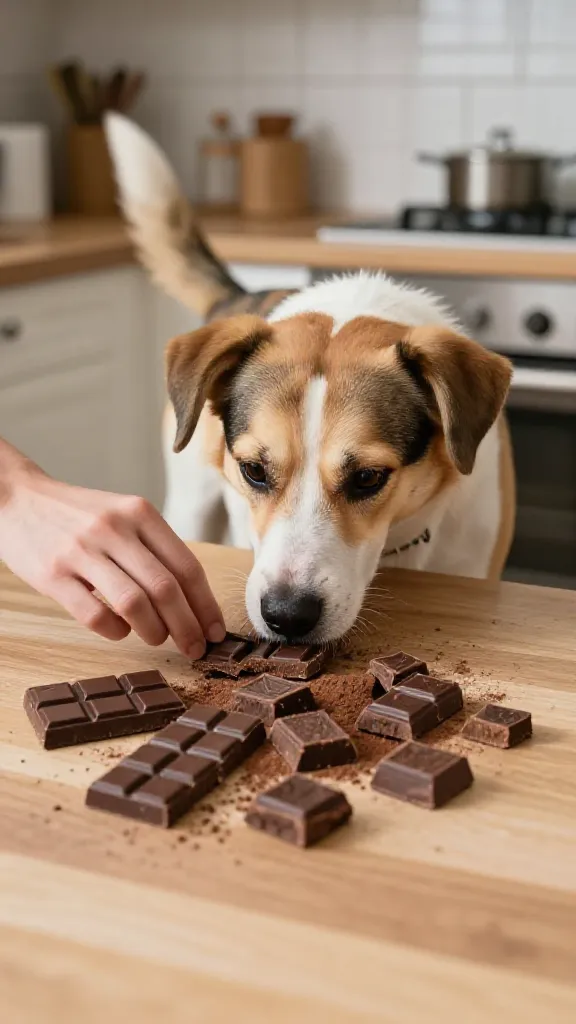
Chocolate contains theobromine, which dogs metabolize slowly. Darker chocolates, baking chocolate, and cocoa powder are the worst offenders. Seriously, keep those baking bars far away from curious noses.
Why it’s dangerous
- Increased heart rate and restlessness
- Vomiting, tremors, or seizures in severe cases
- Hyperactivity followed by exhaustion
If your pup gets into chocolate, call your veterinarian right away. The sooner you react, the better the outcome. IMO, it’s one of those “never leave unattended” snack zones in households with dogs.
3. Xylitol: The Sweetener That Isn’t Sweet for Dogs
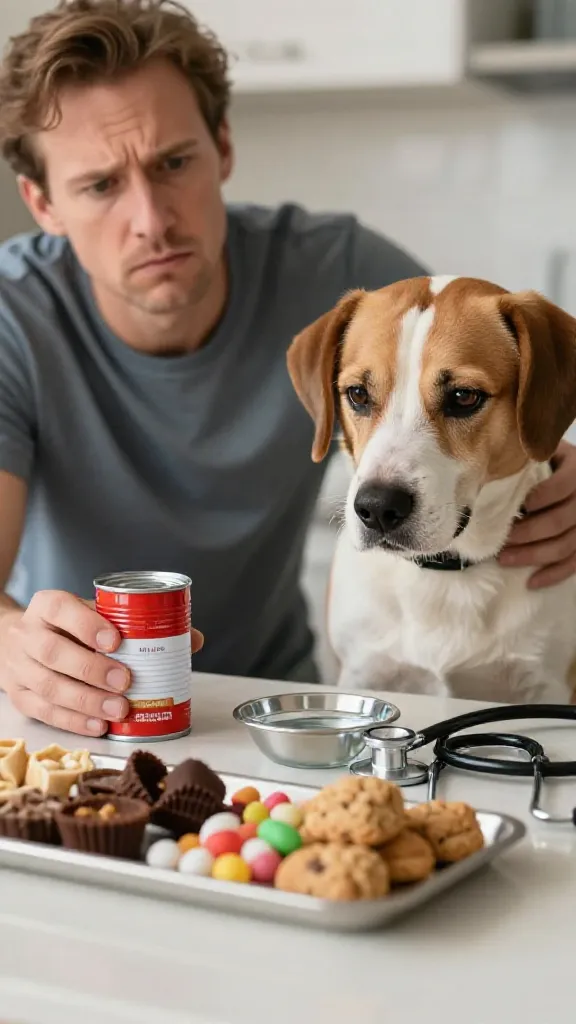
Xylitol is a sugar substitute found in sugar-free gum, candies, peanut butter, and some baked goods. It triggers a dangerous insulin spike in dogs, leading to life-threatening hypoglycemia. Trust me, it’s sly and quick.
Immediate red flags
- Sudden weakness, staggering, or collapse
- Vomiting or staggering coordination
- Seizures in severe cases
If you suspect xylitol ingestion, seek emergency veterinary care immediately. Do not wait for symptoms to show; some dogs deteriorate fast. FYI, always read labels—many unsuspecting products hide xylitol under other names.
4. Onions, Garlic, and Allium Veggies: Subtle But Serious
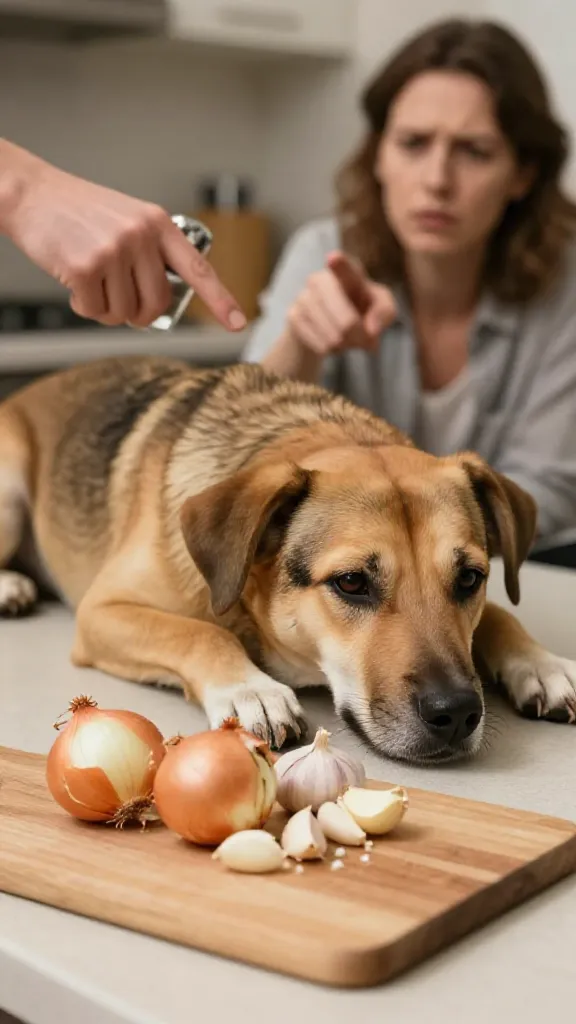
Onions and garlic (in all forms) can damage a dog’s red blood cells, even in small amounts. It’s not worth the risk if you’re seasoning your foods or giving leftovers. Part of the challenge is that symptoms can be delayed by days.
What to look for
- Weakness, pale gums, or rapid heart rate
- Dark or red urine
- Breath that smells like onions or garlic
Always avoid feeding any form of onion or garlic to dogs. If ingestion occurs, contact your vet; treatment early can prevent serious anemia. IMO, keep those spices away from pet-friendly plates and consider safer snack options for your pup.
5. Alcohol and Coffee Grounds: Not Just for Humans
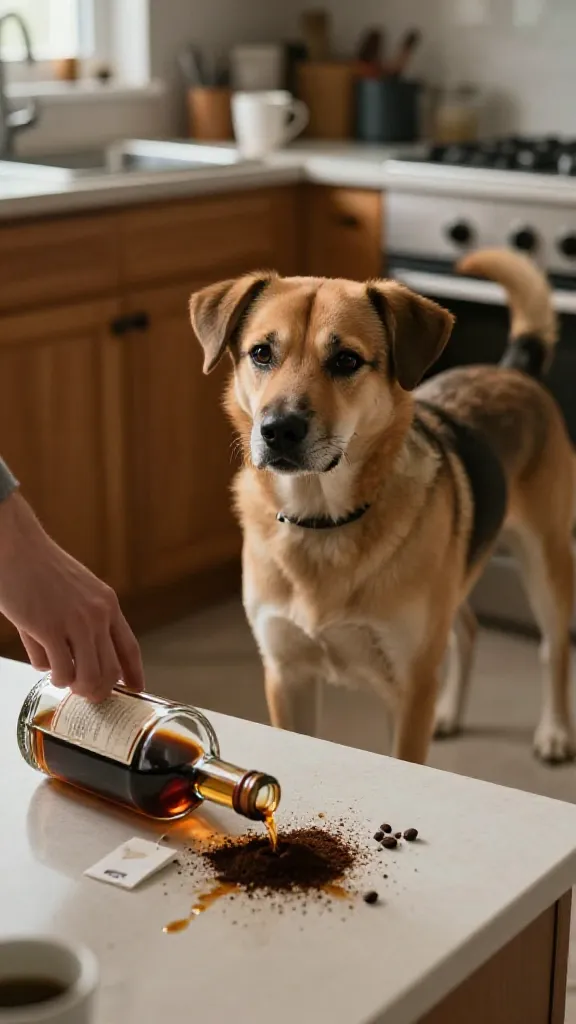
Alcohol and even small amounts of caffeine can cause vomiting, disorientation, and dangerous changes in heart rate for dogs. Coffee grounds and certain teas also pack a punch. Seriously, keep the party treats to humans and stash those mugs and bags high up.
Key risks
- Disorientation, staggering, or tremors
- Vomiting or diarrhea within a few hours
- Seizures or coma in extreme cases
If your dog snags a drink or a coffee spill, seek veterinary advice promptly. FYI, make your kitchen a no-snack zone for human foods that aren’t dog-safe, and model good behavior by sharing dog-friendly goodies instead.
Remember, accidents happen, but prevention is drama-free. Use these five sections as your quick-reference cheat sheet, post it on the fridge, and share it with family and friends who pop by with treats. The goal is simple: keep your best friend healthy, happy, and snack-savvy.
You’ve got this—one careful choice at a time. Go ahead and stock up on dog-safe treats, and trust me, your pup will thank you with extra wiggles and unconditional love.