7 Training Tips for Obedient Dogs at Home
If your pupper is more chaos than canines, you’re in the right place. These tips keep training practical, fun, and totally doable in your living room. FYI, consistency is the secret sauce and you’ll see progress fast.
1. Set Clear Boundaries With Consistent Cues
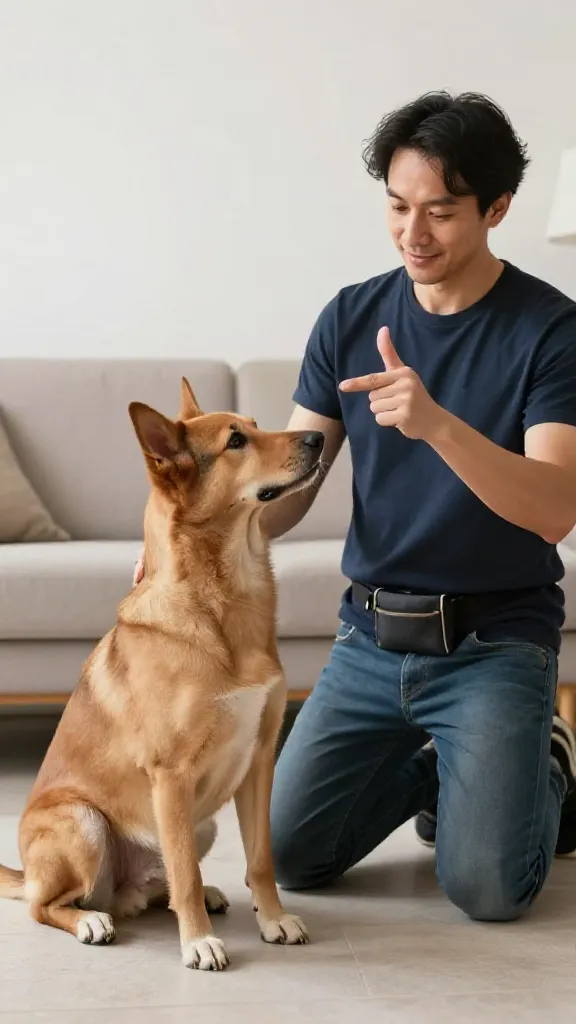
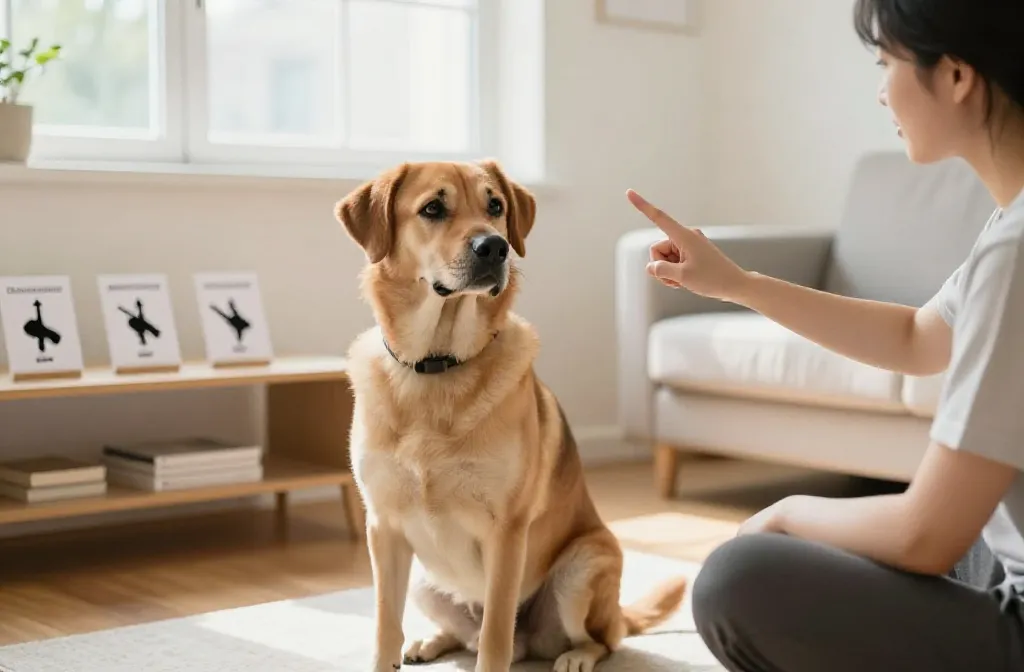
Dogs thrive when they know what to do and what not to do. Start by picking a few simple cues and sticking to them every day. This keeps sessions short, focused, and surprisingly effective in real life.
Tip: Choose simple words and stick with them. No fancy jazz hands or weird sounds that confuse you or your dog. Bold cues for obedience are your best friend.
Key Points
- Use 2–3 core commands (e.g., Sit, Stay, Come)
- Keep sessions to 5–10 minutes
- Reward immediately with a treat or praise
When to use: during meal prep, doorways, and leash-free rooms. Consistency helps your dog predict outcomes and reduces frustration for both of you.
2. Turn Every Day Moments Into Short Training Bursts
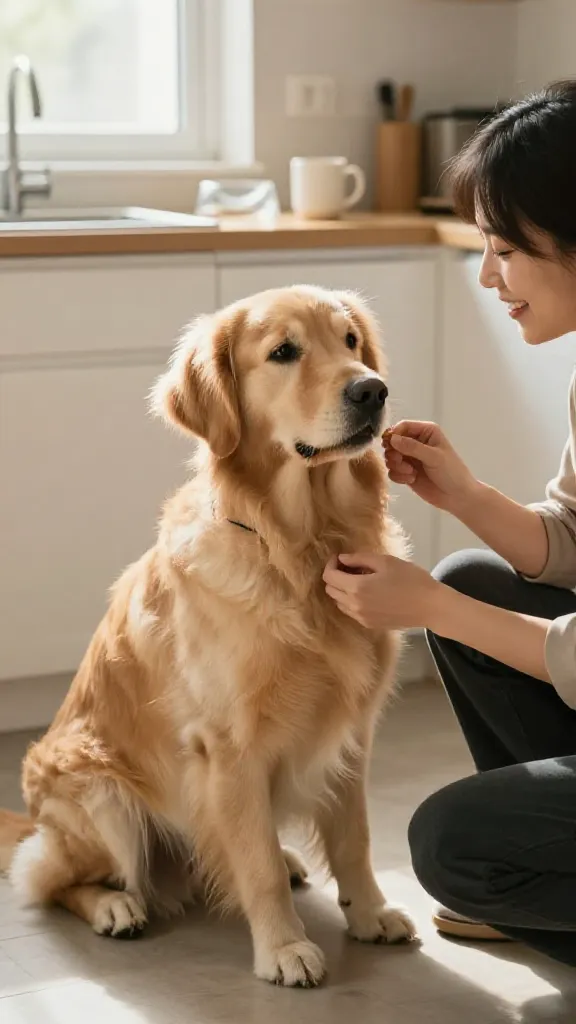
Train in tiny doses sprinkled throughout the day. It’s like healthy snacks for your dog’s brain—easy to digest and highly effective. You’ll be surprised how much progress adds up.
Think: while you’re waiting for coffee to brew, or during commercial breaks in your favorite show. The key is making the moments meaningful, not stressful.
Practical Tips
- Ask for a quick sit before meals
- Practice a “watch me” cue during walks
- Reward with a tasty treat or a quick belly rub
Benefits: steadier behavior, better focus, and less door-bolting chaos. Trust me, your daily routine will feel calmer and your dog will feel more secure.
3. Create a Simple Training Space That Invites Focus
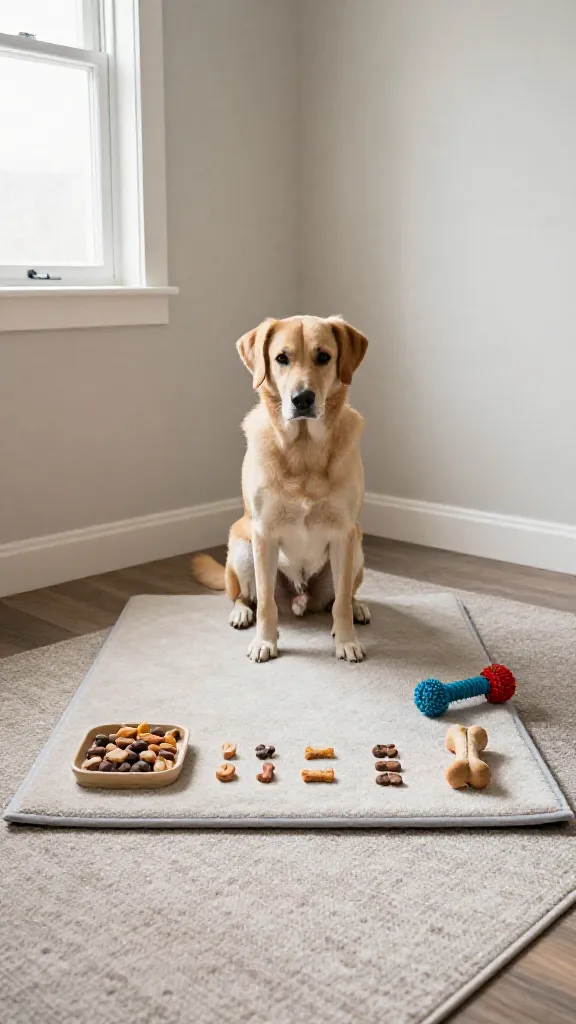
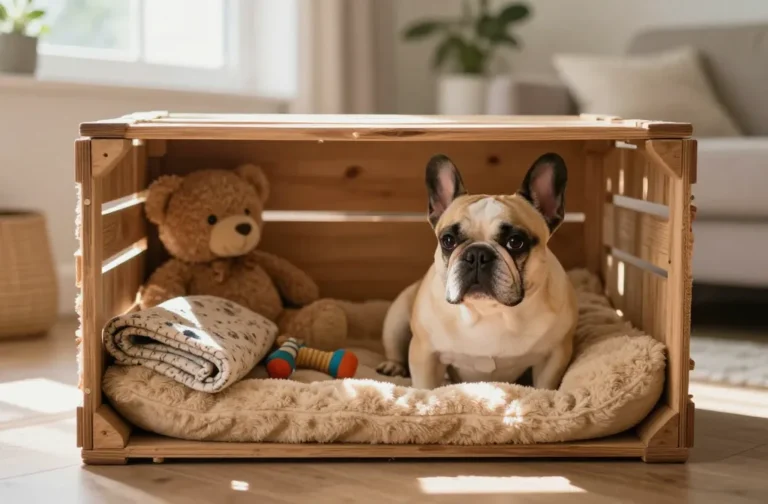
A dedicated spot minimizes distractions and signals to your dog that training time is serious business. You don’t need a fancy setup—just a clean, quiet corner with a mat and a few goodies.
Why it’s awesome? It gamifies practice and makes it predictable. When your dog knows where to go to learn, training feels like a game rather than a chore.
What to Include
- A small mat or rug
- Low-value rewards for casual practice and higher-value rewards for harder tasks
- One or two favorite toys to pivot between tasks
End result: a reliable training nook that you can relocate if guests arrive or the living room gets loud.
4. Use Progressive Challenges to Build Confidence
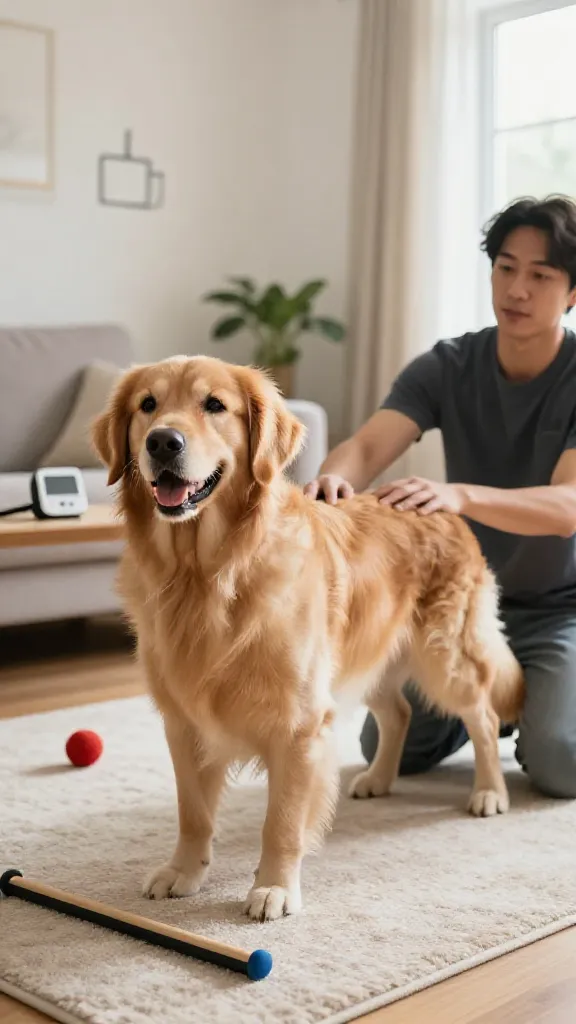
Start easy and gradually increase difficulty. This keeps your dog engaged and prevents frustration. The sweet spot is a tiny stretch beyond their comfort zone, not a leap into the deep end.
Progress looks like: a longer stay, a distracted-redirection, or a quick recall from a favorite room. Do it in short, confident bursts so your dog stays excited rather than overwhelmed.
How to Progress
- Extend stays by 1–2 seconds at a time
- Increase distance during recalls by a few steps
- Introduce a mild distraction (e.g., a friend standing still) during practice
When to push behavior: after a few successful reps where your dog remains calm and engaged. This builds resilience and makes breakthroughs feel natural.
5. Reward Systems That Reinforce Great Behavior
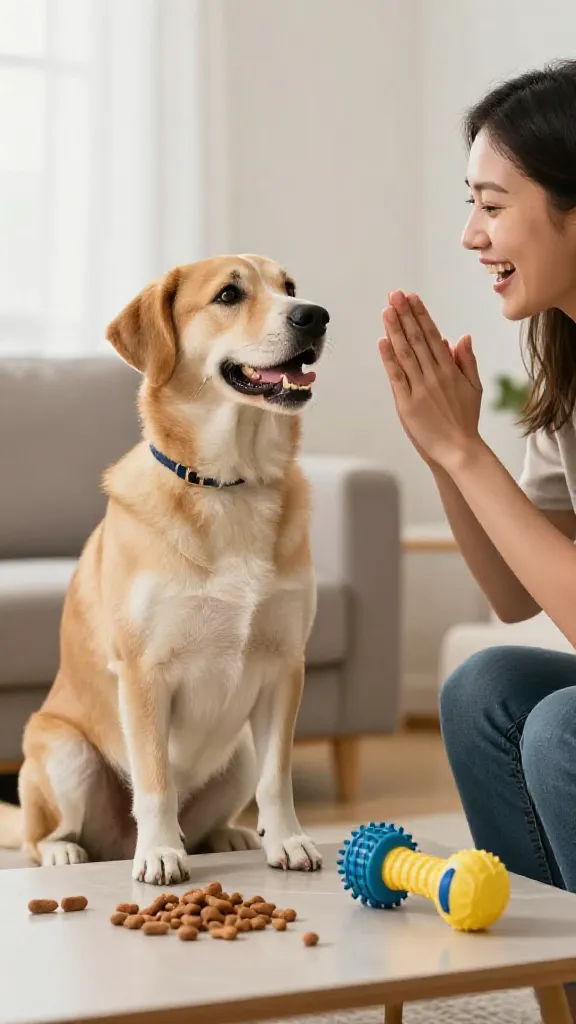
Rewards aren’t just treats; they’re motivation. A smart mix of praise, play, and food keeps your dog excited to learn without becoming treat-obsessed. FYI, timing is everything here.
Balance your rewards so your dog enjoys the process. If you overdo food, switch to enthusiastic praise or a quick game to reset attention.
Suggested Rewards
- High-value treats for challenging tasks
- Short play sessions with a favorite toy
- Verbal praise with a friendly tone
Bottom line: consistent, timely rewards shape reliable behavior and keep training sessions fun.
6. Train Indoors, Then Test in Real-Life Scenarios
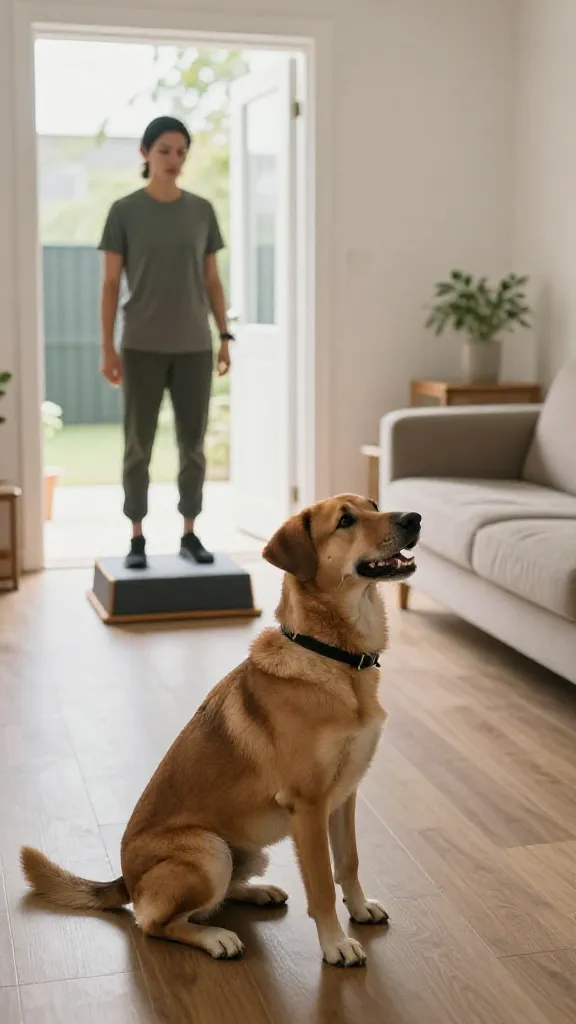
Perfect obedience indoors is great, but dogs truly shine when they transfer skills to the real world. Start at home, then introduce short, low-stakes outdoor practice to build confidence.
Why do this? It shows your dog that cues have meaning beyond four walls and helps you notice which cues need extra work in more chaotic environments.
Transition Plan
- Master a cue in the living room first
- Move to a quiet yard or hallway with mild distractions
- Finish with a fun outdoor recall drill in a safe, fenced area
Tip: keep sessions consistent and end on a positive note. Your dog will be eager to try again tomorrow, not overwhelmed by it.
7. Stay Chill With Realistic Goals and Patience
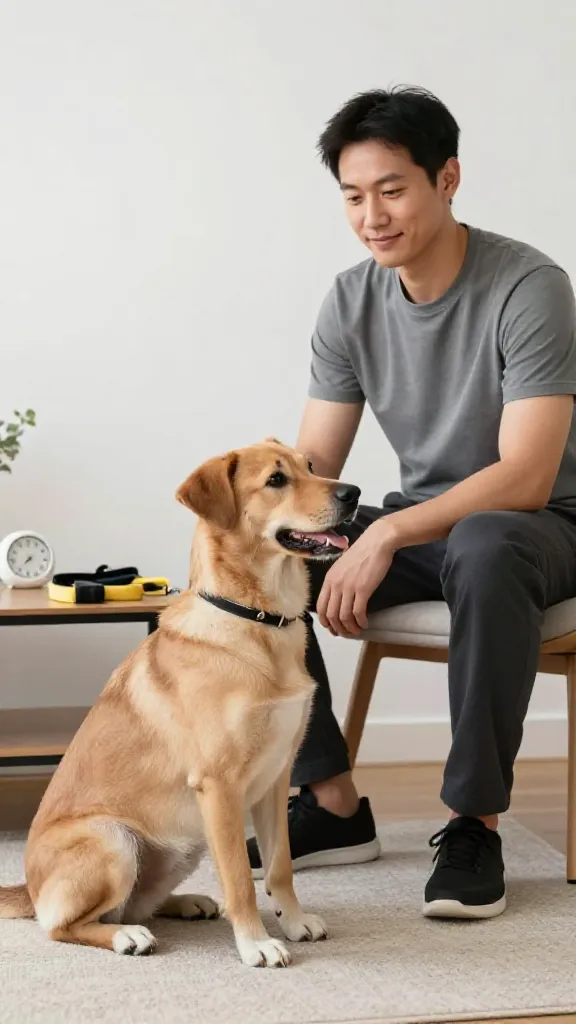
Obedience isn’t a one-week magic trick. Set realistic goals, track progress, and celebrate small wins. If you’re not seeing results, tweak the cue, the timing, or the reward to fit your dog’s personality.
Challenge yourself with small, weekly targets and resist the urge to revert to old habits. Your dog reads your energy—keep it calm, confident, and consistent.
Goal-Setting Quick Guide
- Week 1: Perfect a sit-stay for 3 seconds
- Week 2: Add a recall from a short distance
- Week 3: Practice all cues with a mild distraction
Benefits: a well-behaved dog, less stress for you, and more freedom to enjoy time together inside and out. Seriously, it’s worth sticking with the plan.
Ready to start? Grab a timer, pick your cues, and turn your living room into a tiny obedience dojo. With consistent practice and a sense of humor, your dog will become the good-good citizen you’ve always wanted.
Now go, trainer-on-the-go. Your pup is counting on you—and you’ve got this. Trust me, the payoff is waggy tails and happier days for both of you.