7 Dog Training Aggression Tips for Better Behavior: Calm Canine Wins
Stuck with a dog who growls or lunges? These seven tips cut through the chaos and bring real changes. IMO, you’ll start seeing calmer days sooner than you think.
1. Define the Trigger and Build a Crystal-Clear Plan

First step: know what sets your pup off. Is it another dog, the doorbell, or people approaching your food bowl? Getting precise helps you tailor a rock-solid plan rather than flailing in the moment.
Key Points
- Keep a simple log of situations that trigger aggression
- Set 1-2 controllable goals for the week
- Plan short, high-success sessions daily
With a clear map, you avoid guesswork and chaos. FYI, progress comes in tiny, boring steps, not dramatic leaps.
2. Prioritize Safety: Management Before Training

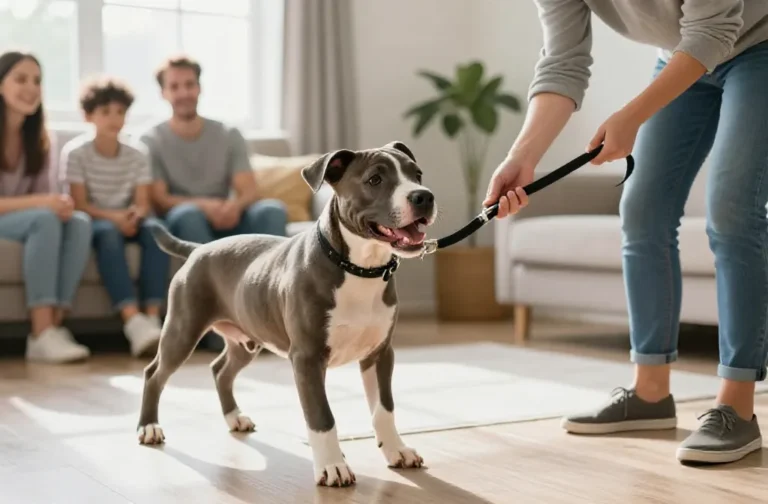
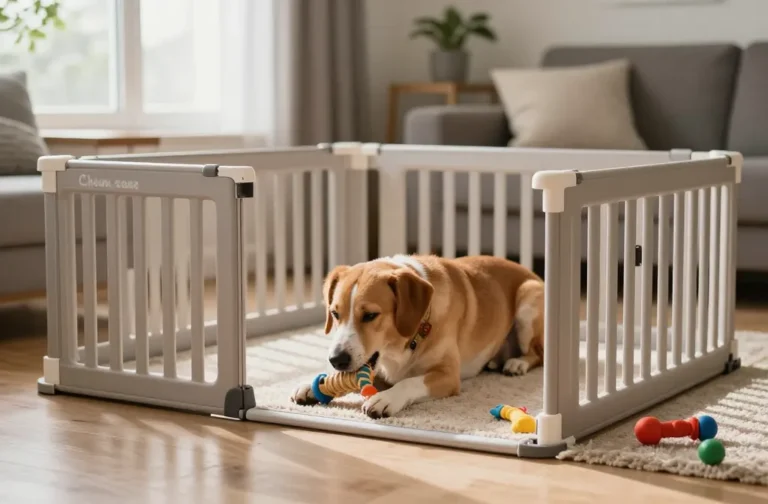
Safety is not boring; it’s the foundation. Use leashes, muzzles, and secure spaces to prevent incidents while you work on skills.
Tips
- Use a 6-foot leash for control without fear-mounding tension
- Muzzle train gradually so it’s not a big deal
- Arrange a safe, quiet corner for practice sessions
When you manage the environment well, your dog can learn without the constant stress of “what if” scenarios. Trust me, calmer dogs learn faster.
3. Counter-Conditioning: Change the Feelings, Not Just the Actions

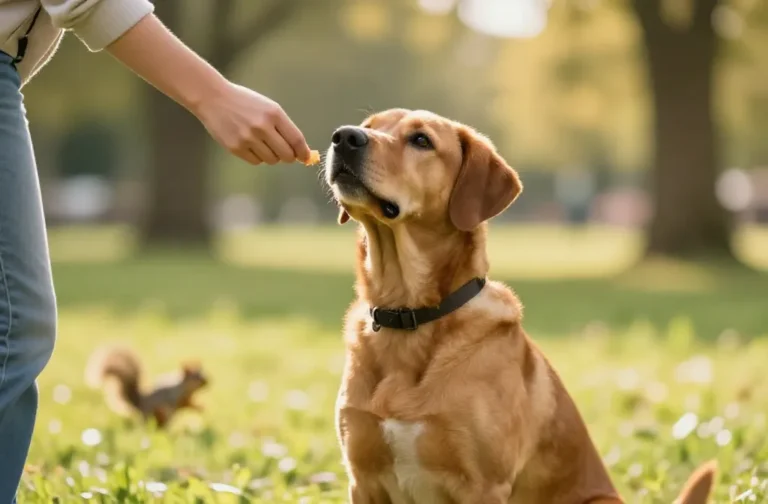
Rather than forcing patience, flip the emotional script. Pair the scary thing with something your dog loves—tasty treats, praise, or a favorite toy.
What to Do
- Start at a distance where your dog stays relaxed
- Offer a treat the moment the trigger appears, then gradually reduce the distance
- Keep sessions short and frequent
This method reshapes how your pup experiences triggers. It’s science-y, but it feels like magic in real life. Seriously.
4. Reinforce Calm Behavior with Clear Cewer Signals

A calm dog is a predictable dog. Teach a simple cue for “calm” and reward it like crazy to make it your go-to state when pressure rises.
Implementation
- Choose a cue like “Relax” or “Calm Down”
- Reward when shoulders drop, mouth softens, and eyes soften
- Fade treats slowly while keeping praise consistent
Clear signals prevent mixed messages. It helps your dog know what’s allowed and what isn’t—reducing guesswork and stress.
5. Practice Real-Life Scenarios with Progressive Steps

Practice where you actually want calm behavior: parks, doors, greeting people. Start far away and slowly close the gap as confidence grows.
Progressive Plan
- Week 1: Practice in a calm area, high rate of success
- Week 2: Add a controlled distraction, keep success high
- Week 3+: Move to real-world environments with careful supervision
Consistency wins here. If you skip to the hard stuff too soon, you’ll just reinforce frustration. FYI, celebrate every small win—your dog notices.
6. Use Differential Reinforcement: Reward What You Want, Not What You Don’t

When your dog bites the wrong behavior, redirect with a rewardable alternative. This teaches the brain to choose the best option under pressure.
How It Works
- Identify a desirable alternative behavior (sit, look, or go to mat)
- Provide a strong reward for performing the alternative, not for the unwanted impulse
- Gradually require the alternative before the reward
It’s a simple switch: wrong behavior gets nothing; right behavior gets everything. See? Training can feel fair and effective.
7. Seek Professional Guidance When It Goes Dark

If aggression escalates or you feel overwhelmed, don’t wait. A qualified trainer or veterinary behaviorist can tailor a plan to your dog’s exact needs.
What to Look For
- Experience with aggression cases
- Clear, humane techniques and measurable progress
- Willingness to collaborate with your vet if medical issues are involved
Reaching out isn’t a defeat—it’s dedication to your dog’s safety and happiness. Seriously, getting expert help can be a game changer.
Each of these seven tips builds a calmer, more confident dog and a happier home. With consistent practice, you’ll start to see smoother days and fewer triggers stealing your peace.
Ready to put these into action? Grab a plan, gather some tasty rewards, and start small. You’ve got this, and your dog will thank you with wagging tails and relaxed evenings.