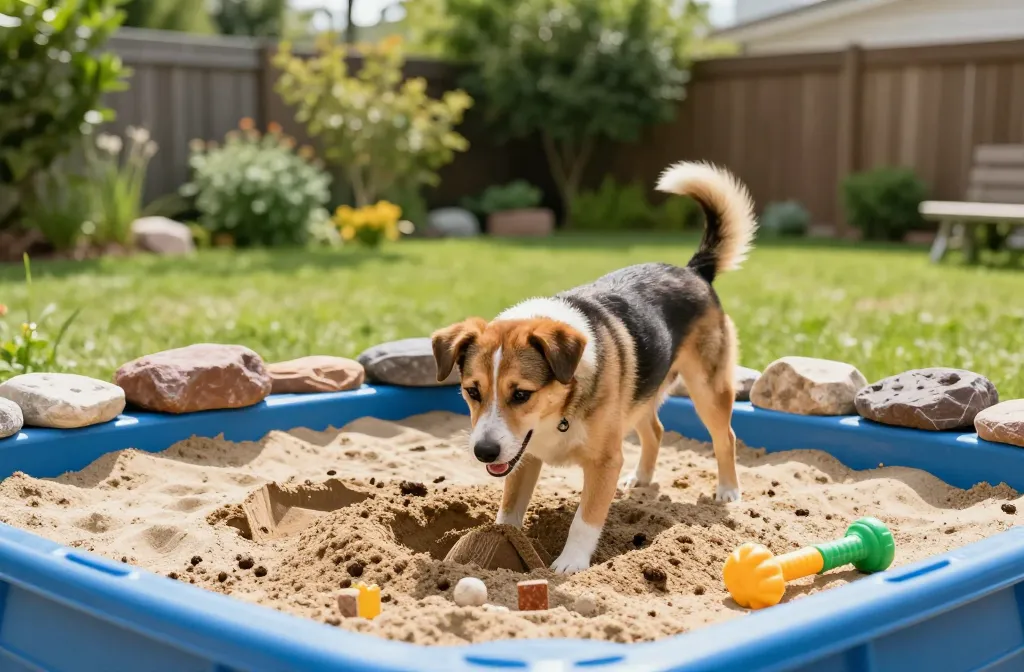
5 Ways to Stop Dog Digging in Your Yard: Quick Wins
Dump the guesswork and reclaim your yard in a weekend. These are practical, friendly moves you can actually implement without turning your lawn into a science project. You’ll see fewer holes and more happy doggo vibes, FYI.
1. Block the Fun: Create a Dig-Proof Zone
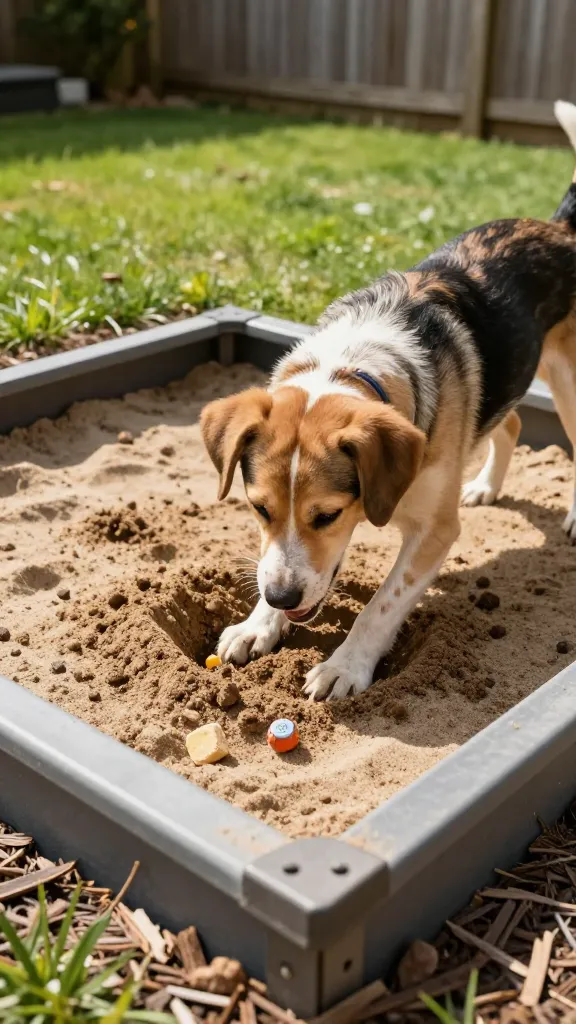
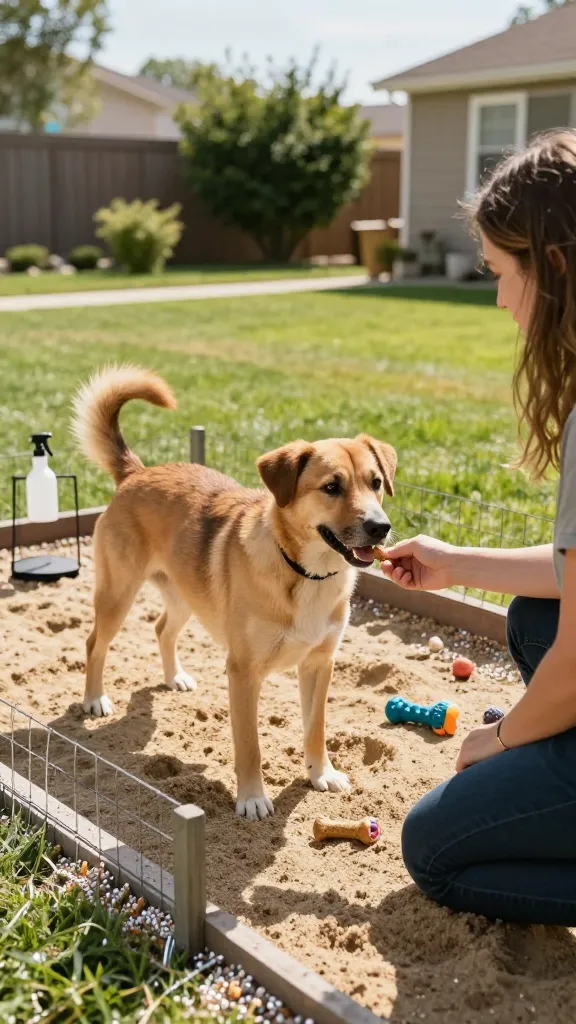
Why this rocks: It gives your dog a dedicated, exciting digging sandbox where the habit can live without ruining the rest of your yard. A win-win that buys you time to redirect behavior.
Key Points
- Choose a sunny spot that’s easy to access and clean up afterwards
- Use a shallow, contained area like a 2×2 foot sandbox or a shallow plastic kiddie pool
- Fill with a mix of sand and soft soil, plus a few hidden treats to encourage digging in the right place
Tip: If your dog loves to dig at the fence line, plant a barrier of decorative rocks or low-growing shrubs just inside the boundary to discourage tail-wagging border investigations. The goal is to give them a specific outlet, not a forever ban on digging. See how easy that is?
2. Redirect with Stellar Training Cues

Training saves you from repeated frustration and builds your dog’s self-control. A few simple cues can shift digging from instinct to game with a purpose.
Quick Plan
- Pick two cues: “Shake” for a fun fetch-and-release, and “Sunbathing” for a supervised lounge break
- Use a toy or treat every time you see digging cues (pawing, nose to ground, tail up)
- Reward when they stop digging and follow a cue to the correct activity
Pro move: Keep sessions short and frequent—three to five minutes, several times a day. Your dog learns faster than you think, serious.
3. Supercharge the Yard With Sensory Enrichment
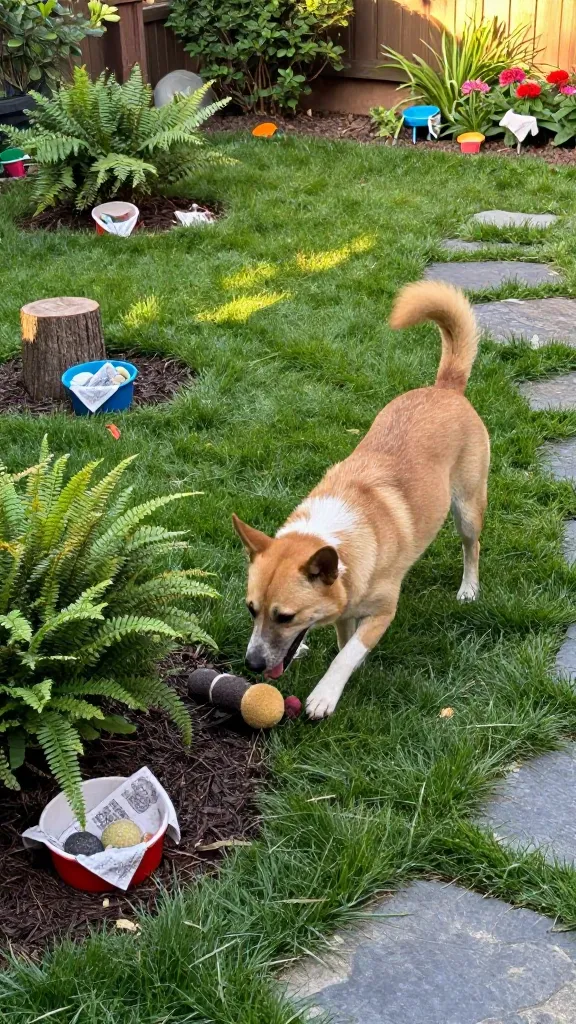
Digging often pops up when brains get bored. Make your yard feel like a full-on playground and the digging habit loses steam.
What to Add
- Interactive toys buried at random times to spark curiosity
- Varied scent games: tuck a few cloths with different scents around the yard to sniff and explore
- Rotate toys weekly so nothing stays predictable
Benefits go beyond less digging: mental stimulation reduces general mischief and keeps you from stepping on the pre-dog-mess mood. Trust me, it’s worth it.
4. Improve Drainage and Ground Texture
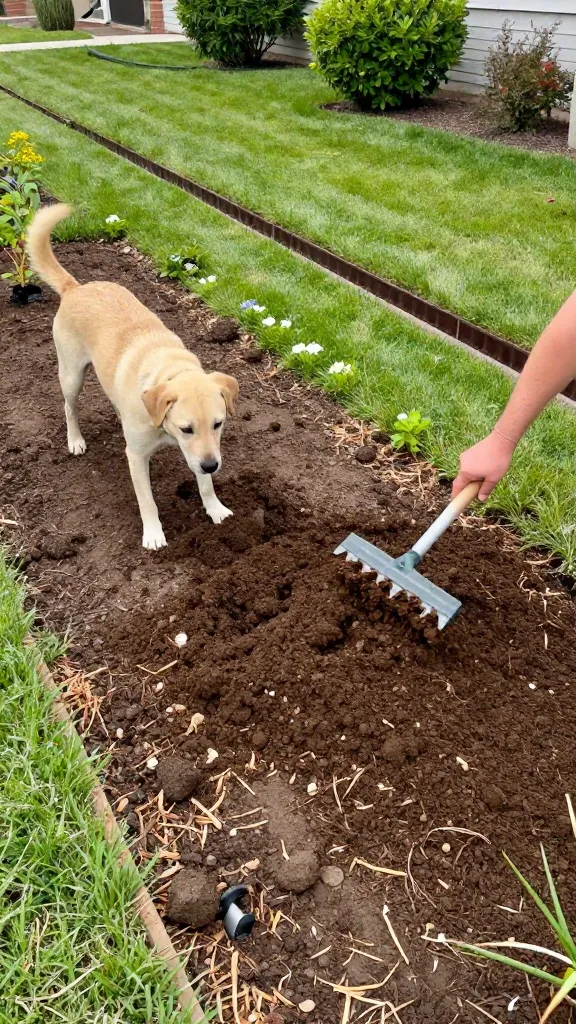
Sometimes digging is just about terrain dissatisfaction. If your soil drains poorly or is overly loose, your pup digs like a groundhog on payday.
Practical Fixes
- Rake and refresh the topsoil, then mulch around plant beds to deter digging near roots
- Install perforated drainage to reduce puddling after rain, which invites digging
- Compact high-traffic zones lightly to discourage destabilizing soil pockets
FYI: You don’t have to turn your yard into a construction site. Small changes add up and your dog will notice the comfortable ground, not the urge to test where holes lead.
5. Use Safe, Gentle Deterrents (When Necessary)
Deterrents should be humane, effective, and consistent. When used thoughtfully, they curb digging without causing stress.
Approach
- Sprinkle deterrent granules or spray around fence lines and known digging hotspots
- Offer a direct alternative (the sandbox or digging pit) right after deterrents are in place
- Keep sessions positive; never punish harshly for digging, which can backfire and increase anxiety
Remember: deterrents work best when paired with enrichment and training. If your pup digs to cool off on hot days, provide a shaded, cool area instead of scolding them. Acting with empathy pays off in loyalty and better behavior.
Want a quick, practical recap? Block a labeled dig zone with sand or soil, redirect with training cues, enrich the yard to entertain, improve ground feel, and use gentle deterrents where necessary. Seriously, these steps are painless and surprisingly effective.
Conclusion: You’ve got this. With these five approaches, you’ll reduce digging, boost your pup’s happiness, and reclaim your yard for family time. Ready to test them out this weekend and see the difference?