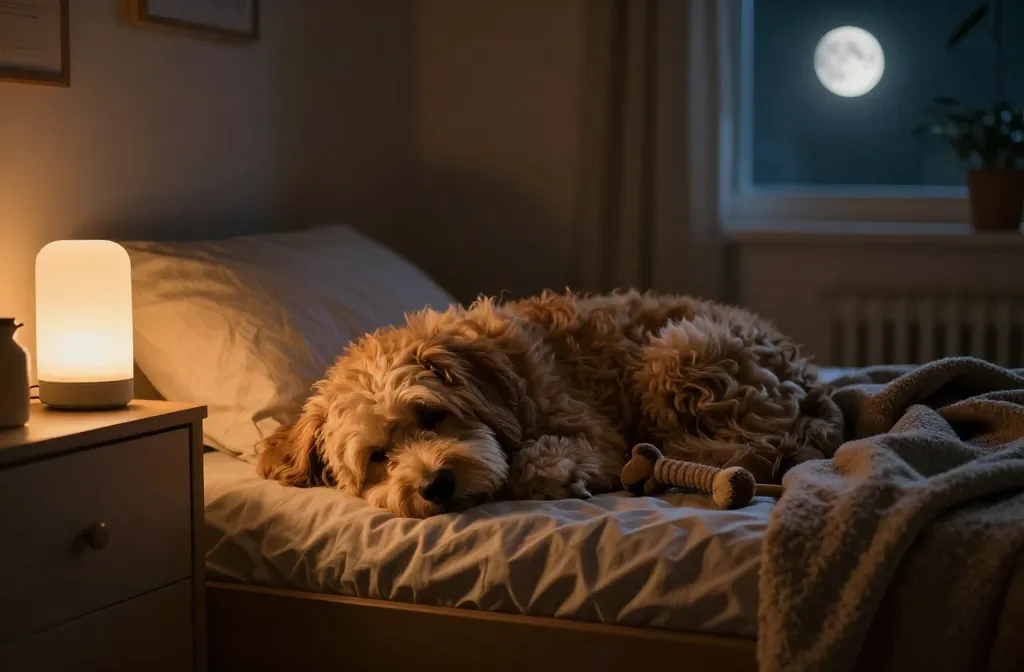
5 Dog Barking at Night Tips for Peaceful Sleep
If your dog’s midnight chorus is keeping you up, you’re not alone. These friendly, practical tips are easy to implement and actually work. FYI, you’ll sleep deeper, and your pup will feel calmer too.
1. Create a Cozy, Calm Sleep Zone for Your Pup
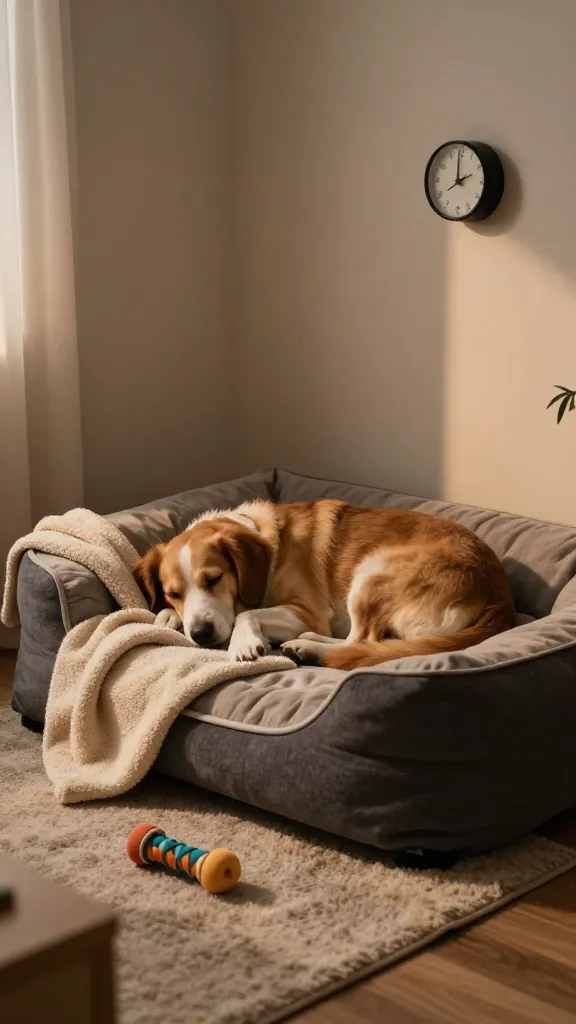
A dedicated space signals bedtime for your dog just like it does for you. A calm zone reduces anxiety and loud, late-night barks.
Key Points
- Choose a quiet corner with minimal foot traffic
- Invest in a comfortable bed that supports joints
- Use a familiar blanket and a safe toy
Keep the area softly lit with a dim nightlight and set a consistent bedtime routine. Your dog learns that night hours equal rest, not a chase scene. Seriously, consistency is your secret weapon here.
2. Tire Them Out Early With a Smart Evening Routine
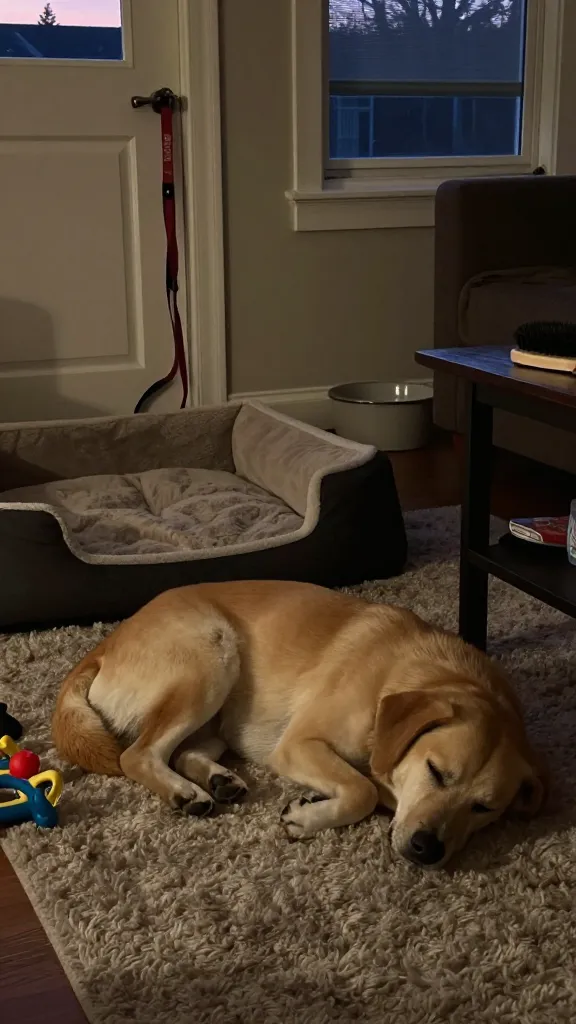
Energy is the enemy of peaceful nights. A well-timed workout or play session can turn a barky night into a quiet one.
Tips
- Schedule a 20–30 minute walk or fetch session 1–2 hours before bed
- End with a calm activity: gentle brushing or a puzzle toy
- Avoid high-stimulation games right before lights out
By burning off excess energy, you create a natural winding-down period. Trust me, your dog will be ready to snooze instead of howl at the moon.
3. Use Sound and White-Noise to Mask Nighttime Triggers
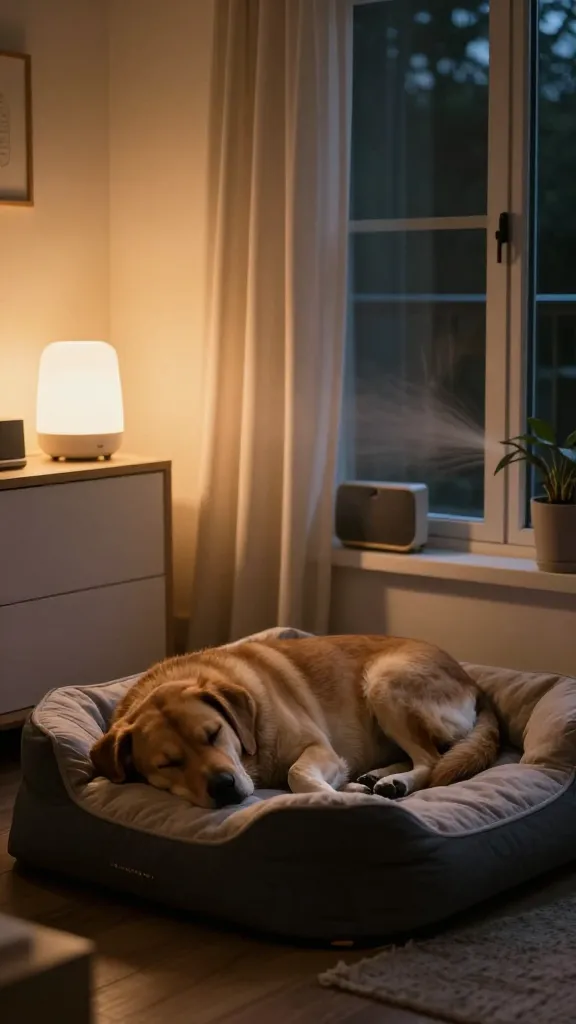
Dogs pick up tiny noises at night and turn them into dramatic barks. White noise or soft music can smooth out those triggers.
What to Try
- Cooling fan or white-noise machine at a comfortable volume
- Soft, low-volume lullaby playlists specific to dogs
- Door sweeps or draft stoppers to reduce outside sounds
This isn’t magic, but it’s remarkably effective. IMO, it helps you both stop turning every creak into a barking episode.
4. Ground-Training Techniques That Calm Barking Instantly

When the barking starts, a few quick training moves can redirect your dog’s focus and reduce noise fast.
Quick Moves
- Teach a simple “quiet” cue with a treat reward
- Use a gentle redirection to a chew toy or puzzle
- Reward calm behavior, ignore the barking (until it stops) to avoid reinforcement
Consistency matters. If you catch yourself reacting with big emotions, pause and redirect calmly. This teaches your dog that silence earns attention and noise does not.
5. Consider the Environment, Diet, and Health That Might Spark Barking

Sometimes the reason behind barking isn’t “naughty,” it’s something real like discomfort or diet irritants. A little detective work goes a long way.
What to Check
- Recent changes in food or treats that could trigger itching or stomach upset
- Allergies or pain signals from joints or teeth
- Exposure to pests or neighborhood noises that startle them at night
If the barking persists, a quick vet check can rule out medical issues. You’ll get peace of mind and a healthier pup—double win. FYI, sometimes a simple adjustment is all that’s needed.
Want a quick recap? You’ll set up a calm space, tire out your pup, mask disruptive sounds, practice gentle training, and double-check health and environment. You’ll notice fewer nighttime barks and more peaceful sleep for both of you.
Ready to test these ideas tonight? You’ve got this, and your dog will thank you with quieter nights and more restful mornings. Seriously, try one change this week and watch the vibes shift.