7 Easy Dog Training Methods for Beginners: Quick Wins
If you’re new to dog training, you’re not alone—and you don’t need a PhD in combing dog brains to get results. These seven methods are simple, effective, and friendly for real people with real dogs. Let’s dive in and get your pup listening fast, no drama required.
1. Clear Cues, Quick Wins

Consistency is the secret sauce. Give your dog one distinct cue for each behavior and stick to it. When you keep it simple, you’ll see faster responses and fewer mixed messages from your furry roommate.
Key Points
- Use one word per command (e.g., “Sit,” “Stay,” “Come”).
- Pair cues with a clear hand signal for extra clarity.
- Practice in short, focused sessions several times a day.
Small, repeatable sessions beat marathon meetings with zero progress. FYI, patience pays off in big, waggy tails.
2. Positive Reinforcement Power

Treats aren’t bribes; they’re instant feedback. When your dog does something you like, reinforce it immediately. The good vibes build trust and create a happy learner.
What to Reinforce
- Correct sit, down, heel, and recall actions
- Calm behavior when greeting people
- Effortful tasks like staying in place during distractions
Keep treats small and tasty, and mix in praise and pets so your dog doesn’t learn to only work for food. Trust me, they’ll stay engaged longer.
3. Short, Fun Training Bursts

Your dog’s attention span isn’t eternal, so keep sessions tight and lively. Short, happy bursts = big learning gains over time.
Structure
- 3–5 minute sessions, 2–3 times daily
- End on a high note with a quick success
- Switch up environments to generalize learning
Distractions are real, so gradually add them in rather than throwing your pup into chaos. You’ll both feel accomplished and energized after each session.
4. Lure-and-Reward Method

Lures guide your pup into the right position without forcing them. It’s a gentle, intuitive approach that makes learning feel like a game.
How It Works
- Hold a tasty treat just above your dog’s nose and move it slowly into position
- As their nose follows the lure, their body naturally follows into the desired pose
- Immediately reward and release with a cue
Great for basic positions like sit, down, and stand. It’s also perfect for puppies who need a calm introduction to training concepts. Seriously, it’s delightfully simple.
5. Managed Distractions, Real-World Success

Training where life happens is half the battle. Teach your dog to listen even when the world is buzzing with squirrels and people with coffee.
Tips for Success
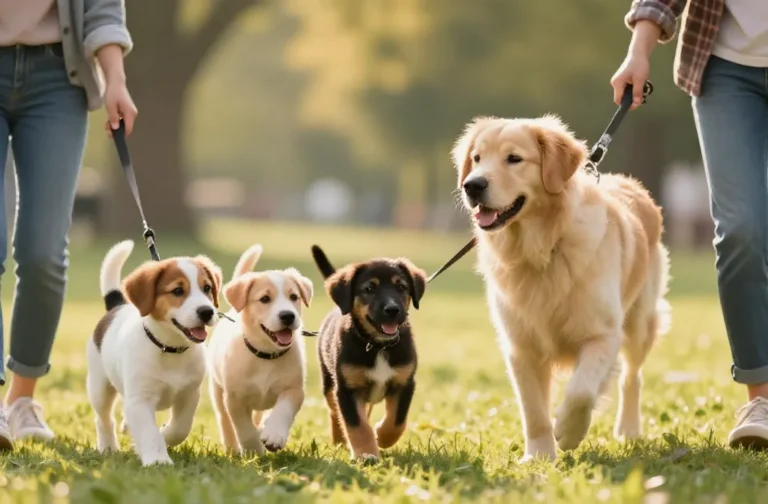
- Practice in the yard, then at the park, then at a friend’s house
- Use a long line or harness during early recall practice
- Gradually increase the level of distraction while keeping rewards reliable
The payoff? A dog that behaves well in real settings, not just during your cozy kitchen sessions. IMO, this is where the rubber meets the road.
6. The Stop-Command and Redirection

Not every moment is a Golden Retriever moment. When things derail, a quick stop command followed by redirection keeps you in control without drama.
How to Apply
- Teach a sturdy “Stop” or “Wait” cue
- Redirect to a desired behavior (sit, settle, or go to mat)
- Reward the successful redirection
This method is a lifesaver during busy streets, door greetings, and kitchen chaos. It helps your dog learn self-control without getting overwhelmed.
7. Bond-Building Play as Training Fuel

Training isn’t all commands and treats; it’s about the bond you share. Playtime becomes a powerful training tool when you mix in purposeful behaviors.
Playful Protocols
- Incorporate “come” during fetch with a consistent recall cue
- Use tug as a controlled outlet after a cue-based session
- End sessions with a quick cuddle and praise to seal the positive association
Play keeps learning joyful and sustainable. Trust me, a dog that loves training sticks with it for years to come.
These seven methods aren’t about cramming every trick into one weekend. They’re about building a steady, enjoyable routine that grows with your pup. FYI, consistency beats intensity every single time.
Ready to start? Grab your treats, set a timer, and pick one method to focus on today. You’ll be surprised how quickly your dog starts listening and wagging with pride.