5 Tips for Walking Reactive Dogs Safely That Change Everything
If you’ve ever felt like your walk is a tiny battle with the world, you’re not alone. These tips are practical, friendly, and surprisingly doable. Ready to reclaim calm and confidence on every outing? Let’s dive in.
1. Build a Predictable Pace That Keeps Stress Down
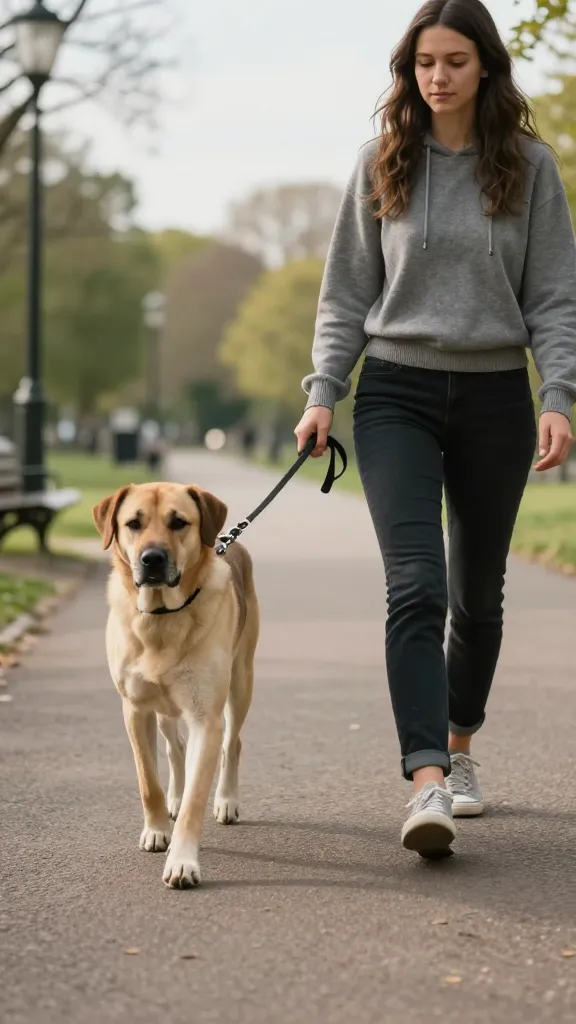
Predictability is the secret sauce for reactive dogs. When your pace stays steady, your dog learns what to expect and anxiety drops. No more sprinting and scolding—just smooth, confident strides.
Key Points
- Walk at a steady, moderate tempo—not a cliffhanger sprint.
- Use a consistent starting cue, like a simple “Walk” to signal the routine.
- Pause briefly at common triggers to desensitize without confrontation.
Why this works: consistency creates safety, and dogs pick up patterns faster than you think. Try it for a week and compare energy levels before vs after a stroll. FYI, your neighbor’s jogger might still pass, but you’ve got this.
2. Master the Gentle-But-Firm Gear Setup
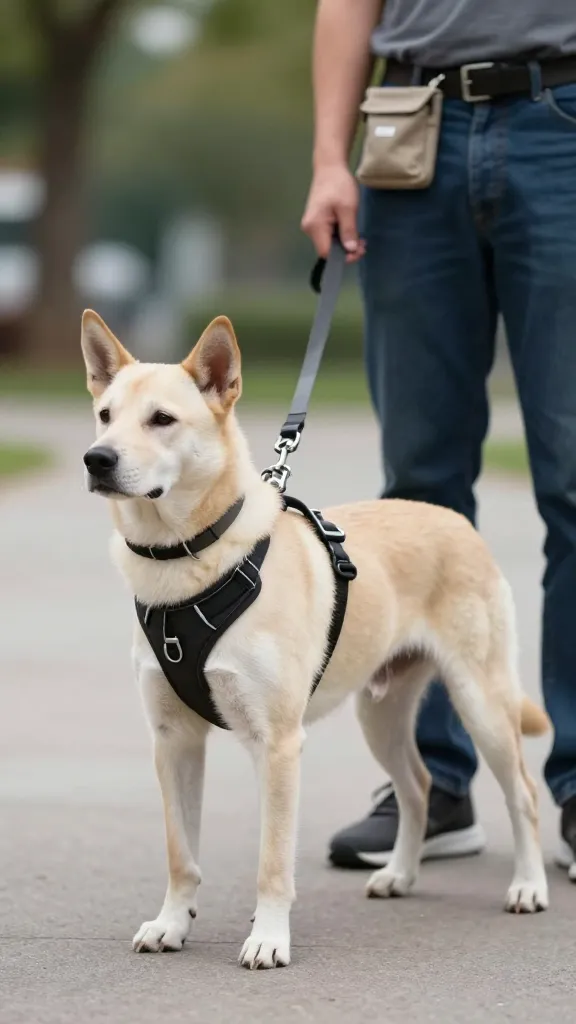
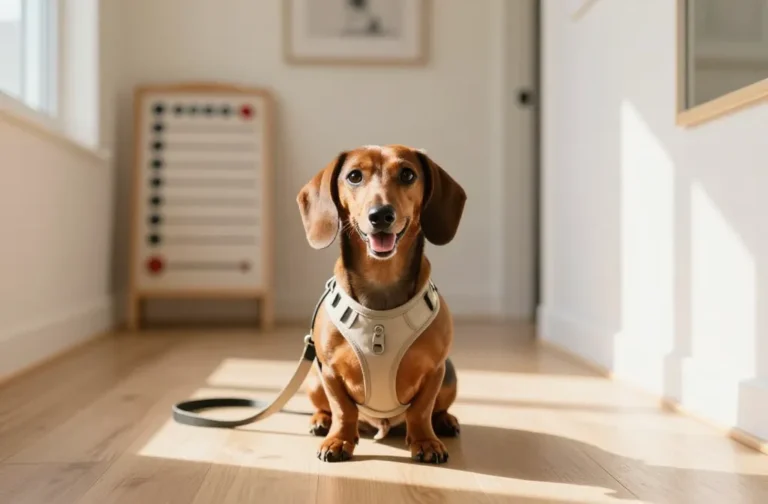
Gear can either amplify stress or promote control. The right harness, leash, and collar combo makes a world of difference. You want secure control without turning your pup into a tug-of-war pro.
What to Consider
- A well-fitted front-clip harness to reduce pulling.
- A sturdy leash (6–8 feet) to keep distance without feeling like a leash on a chihuahua crisis.
- A calming, approachable collar or no-pull accessory that doesn’t dig in.
Bonus: a soft, familiar bait pouch with treats can help redirect attention when a trigger appears. Trust me, a quick treat can topple a meltdown before it starts. Seriously, don’t skip the treat bag.
3. Practice Structured Exposures to Build Confidence
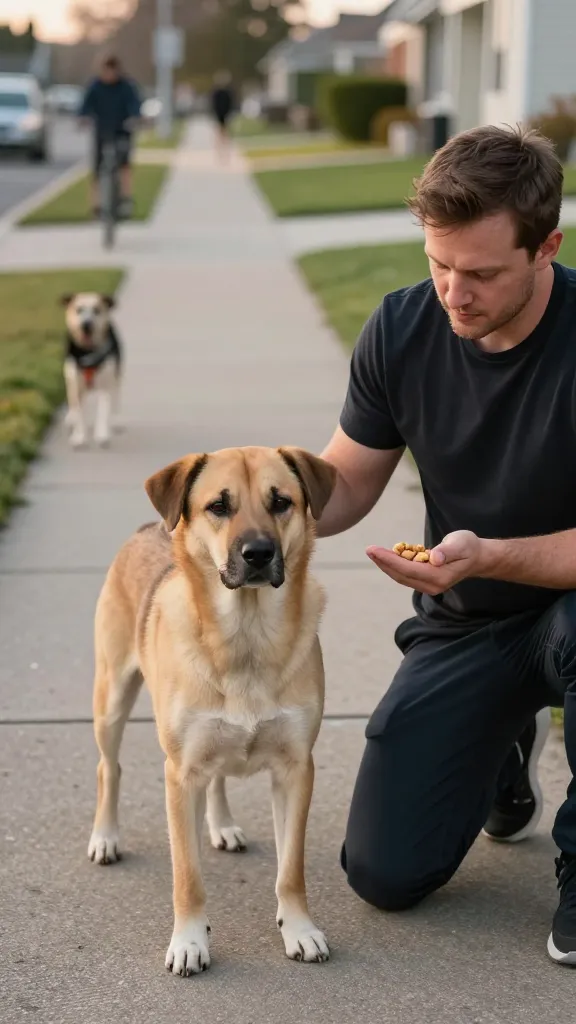
Exposure is not about forcing your dog through a nightmare—it’s about tiny, repeated wins. Short, controlled introductions to potential triggers train your dog to stay calm and curious rather than panicky.
How to Do It
- Start with low-intensity triggers at a distance your dog notices but isn’t overwhelmed by.
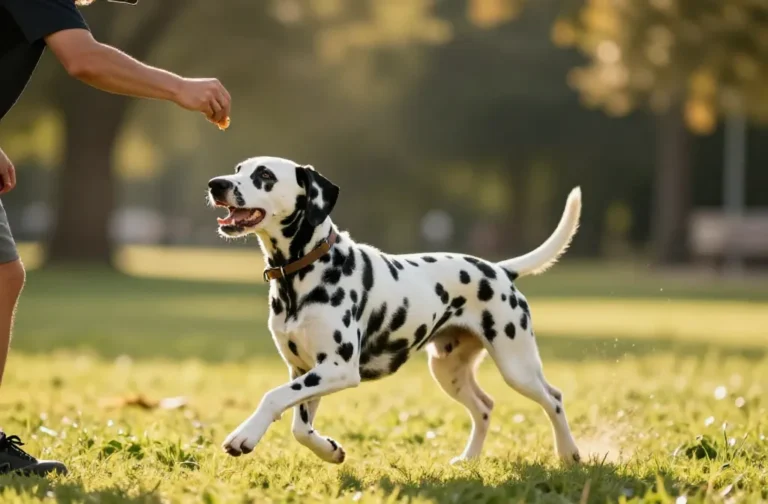
- Reward calm behavior with praise and treats before the dog reacts.
- Gradually decrease distance only after you see consistent calm on three sessions in a row.
Benefits: you’ll notice fewer overreactions, smoother transitions between moments, and more opportunities to walk in your favorite spots. If a neighbor’s dog barks from afar, you can calmly redirect and move on. IMO, small wins stack into big confidence.
4. Create a Calm-Response Ritual for Approaching Triggers
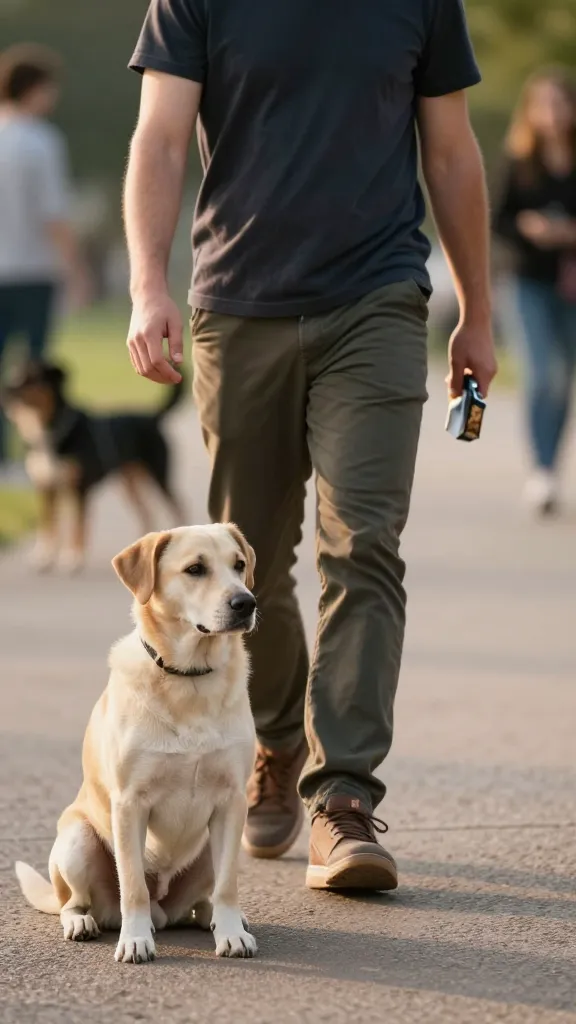
Having a plan when you see a potential trigger changes the game entirely. A simple ritual gives both you and your dog a predictable, soothing path rather than panic and chaos.
Ritual Outline
- Signal a pause with a soft cue like “Pause” or “Hold.”
- Take a step back or rotate to the side to increase distance.
- Offer a high-value treat and a quick cue for a different behavior (watch me, sit, or touch).
Why it’s amazing: clear steps reduce impulsive reactions and help your dog focus on you instead of the world. This is where neighbors will start commenting on how calm your pup seems. FYI, consistency is king here—do it the same way every time.
5. Build a Supportive Community and Reflective Practice
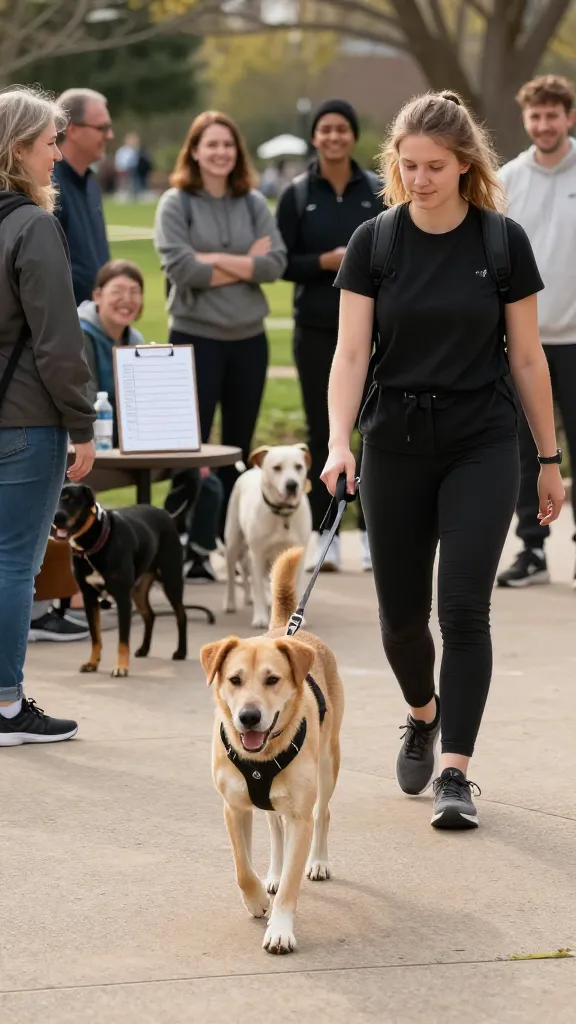
Walking a reactive dog isn’t something you should do solo. A supportive circle, plus a little self-reflection, makes every walk safer and more enjoyable. You’ll learn fast, iterate quickly, and feel less isolated.
What to Do
- Connect with a local training group or a dog-therapy community for practical tips and accountability.
- Keep a simple log: date, trigger type, distance, steps taken, and how your dog responded.
- Share wins and challenges with friends who understand dog behavior—positive vibes are contagious.
Bottom line: you don’t have to figure this out alone. A little community support plus regular practice equals noticeable progress in weeks, not months. Seriously, you’ll start looking forward to your routes again.
Conclusion: You’ve got a toolkit now—steady pace, smart gear, structured exposure, calm rituals, and a supportive crew. Each walk becomes an opportunity to grow, not a sprint-to-stress scenario. Grab a buddy, pick one tip to focus on this week, and start turning reactive moments into small, confident wins.