7 Dachshund Training Tips for Better Behavior
Dachshunds can be stubborn, but with the right approach you’ll see manners blossom fast. These tips cut through the chaos and help your long-bodied buddy learn the ropes with a smile. Let’s dive into practical, friendly steps you can start today.
1. Nail Down Consistent Routine Like a Pro
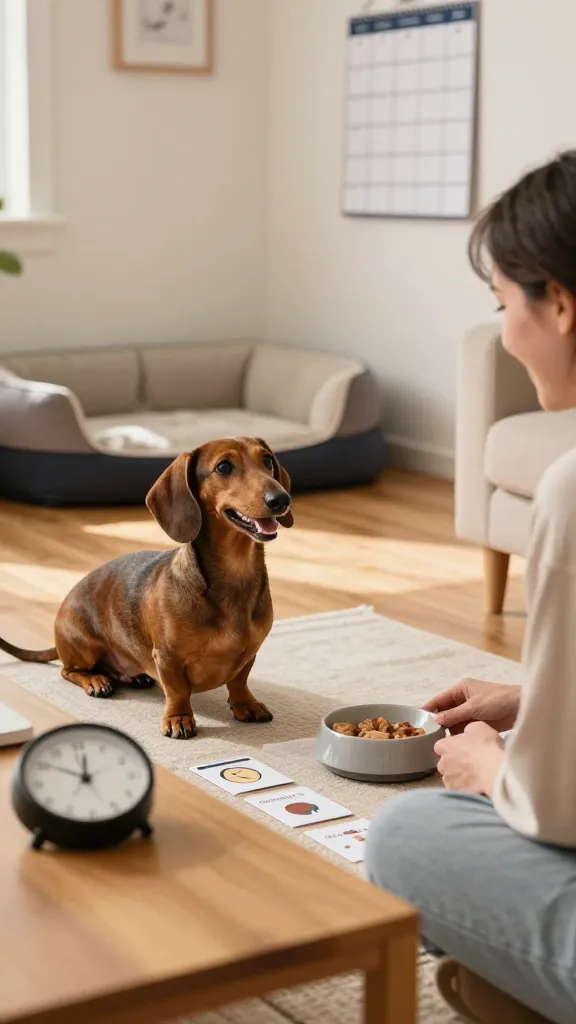
Consistency is your best friend when training a dachshund. They crave predictability and respond when you show up with the same cues, rewards, and timing every day. FYI, a steady schedule reduces anxiety and boosts learning.
Key Points:
- Set fixed wake, meal, and potty times
- Use the same cue words for each command
- Keep training sessions short and frequent
Start with a simple daily routine and stick to it for a couple of weeks. The payoff? A calmer pup who actually catches on faster and avoids power struggles at the door or on leash.
2. Leash Training That Feels Like Playtime
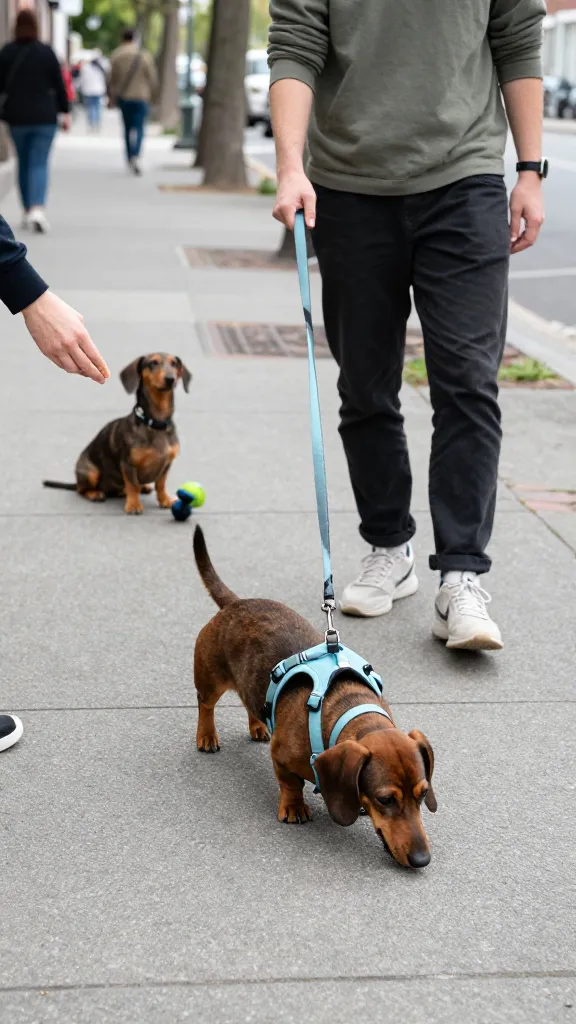
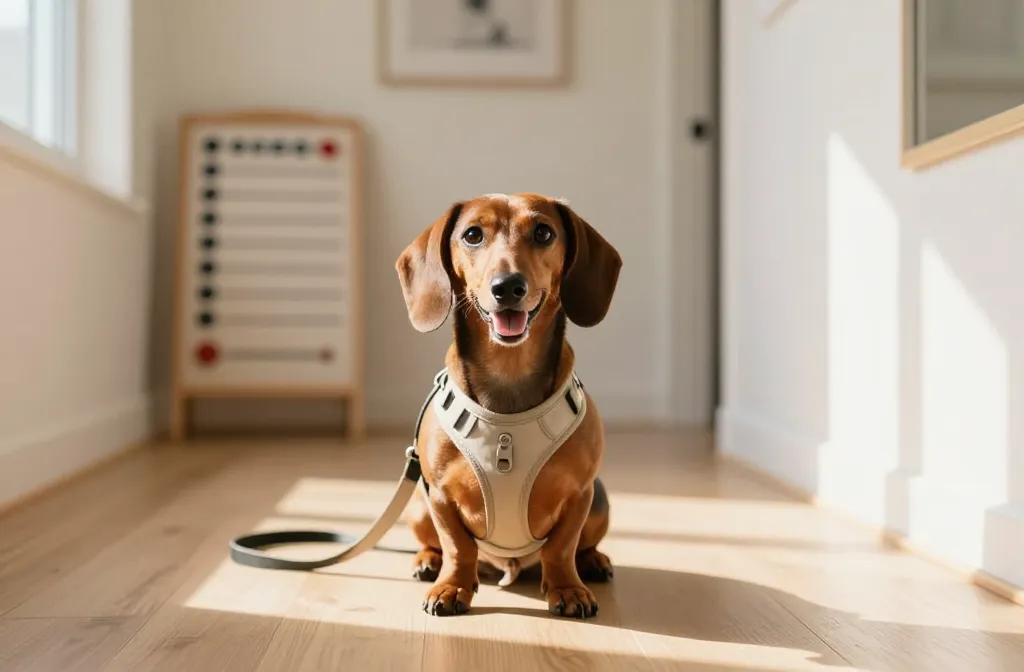
Leash manners are the cornerstone of peaceful walks. Dachshunds love sniffing and can pull when excited, but you can redirect without turning walks into tug-of-war.
Tips:
- Use a lightweight harness and a standard leash
- Stop and reset when they pull, rewards when they stay loose
- Practice short, frequent sessions on a casual route
Reward pull-free behavior with tasty treats or a quick game at the side of the road. The step-by-step wins will echo in your daily strolls, trust me.
3. Sit, Stay, and Look: Simple Cues That Pay Off
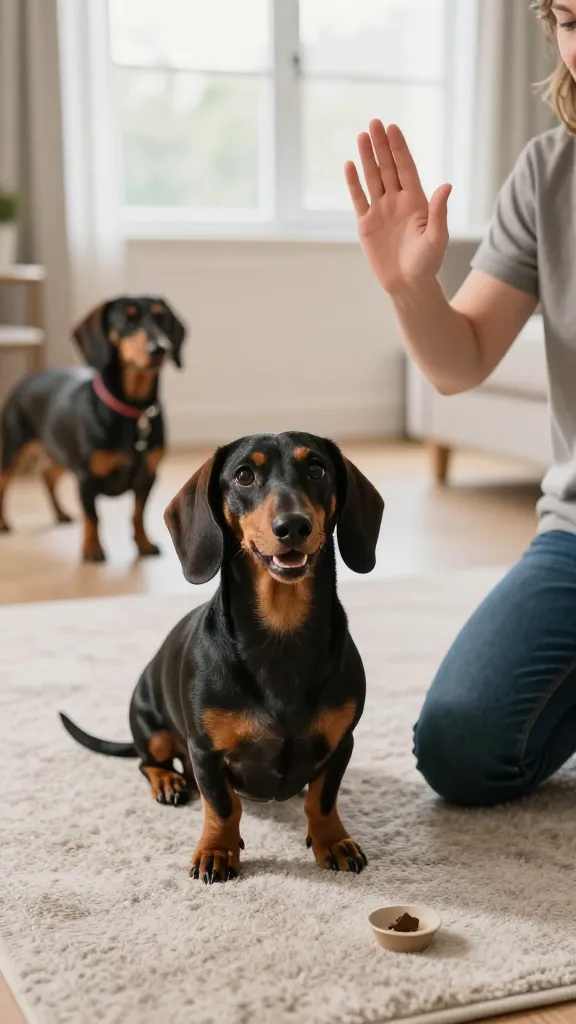
Teaching a handful of core cues creates a foundation you can build on. Dachshunds respond well to clear signals paired with quick, rewarding rewards.
How to Do It:
- Start with Sit, then Stay, then Look/Gaze
- Use a hand cue with a verbal cue for reliability
- Gradually increase distance and distractions
End each session with a tangible payoff—praise, a treat, or a short play break. Consistent cues plus consistent rewards = smarter barking and more cooperative behavior.
4. Crate Training for Peaceful Boundaries
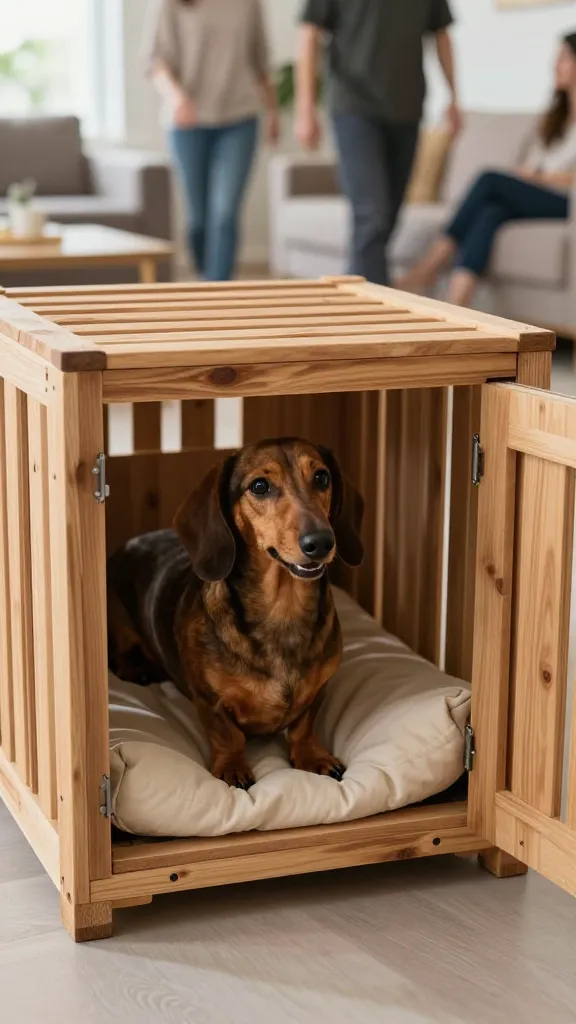
A crate isn’t a prison—it’s a cozy den that helps with crate acceptance, potty training, and safe retreat. Dachshunds often feel secure in a snug space, which reduces anxiety-driven behaviors.
Practical Setup:
- Place the crate in a hub of activity, not a dark corner
- Introduce with treats and positive reinforcement
- Gradually extend crate time in small increments
Note the benefits: less destructive chewing, better night-time sleep, and a dog that knows where to go when guests arrive. When to use it? Always when you need a calm, contained space.
5. Socialization Without Overwhelm
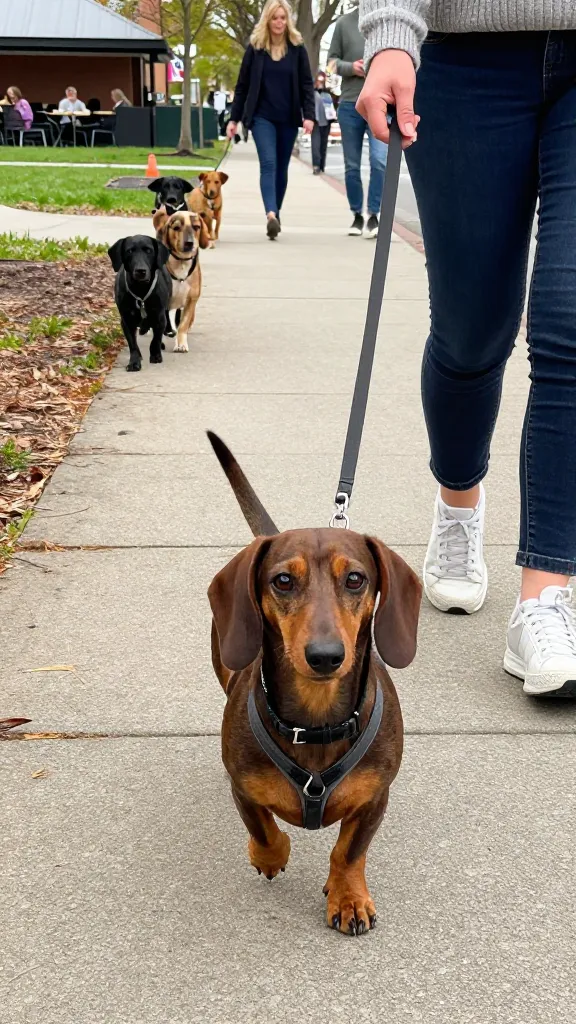
Socialization helps your dachshund handle new people, dogs, and environments with confidence. The key is gentle exposure, not a chaotic meet-and-greet marathon.
What to Do:
- Short, positive introductions with controlled dogs
- Move from quiet parks to busier settings gradually
- Pair new stimuli with tasty rewards
Over time, your pup will learn to keep focus and manners in diverse situations. The benefit is a friendlier, less fretful dog who behaves predictably in public.
6. Problem-Solving for Stubborn Stages
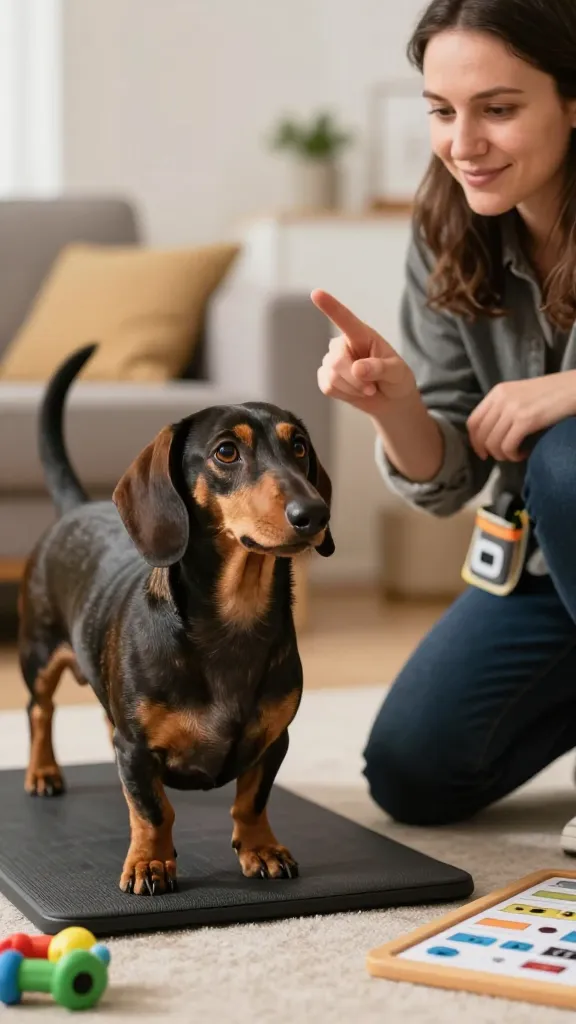
Yes, dachshunds can stall at certain training milestones. When you hit a snag, switch things up—different location, slightly juicier rewards, or a new cue. Keep the energy up and the tone light.
Smart Tweaks:
- Change the reward type or timing (points for when they look and listen)
- Incorporate puzzle toys to channel energy
- Use a calm, confident voice; avoid harsh corrections
These small shifts prevent boredom and help you inch past plateaus. Trust me, persistence pays off when you’re speaking their language.
7. Maintenance Habits That Sustain Good Behavior
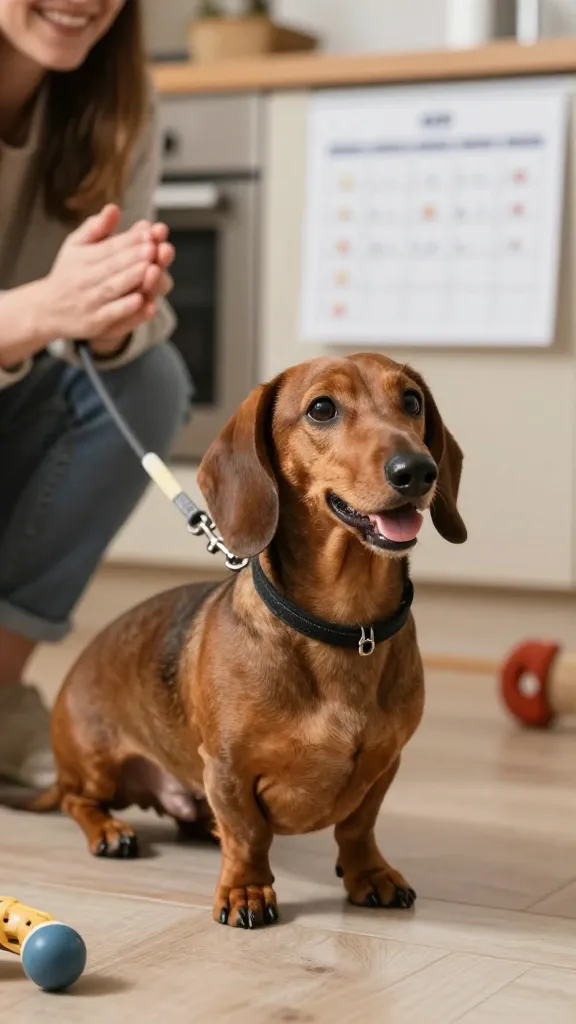
The last tip isn’t a one-and-done. Maintenance keeps good behavior from fading. It’s all about weaving training into daily life so your dachshund stays polite long-term.
Ways to Keep It Fresh:
- Regular refresher sessions a few minutes daily
- Seasonal challenges—new places, new toys, new commands
- Consistent praise and gentle correction when needed
Integrating training into everyday moments makes better behavior a natural part of your dog’s life. The payoff is a confident, responsive companion who’s a joy to be around.
Ready to start? Grab some tasty treats, a comfy leash, and your favorite leash-friendly route. FYI, progress might feel slow at first, but the wins compound quickly with consistency and a smile.
Conclusion: You’ve got this. With these seven tips, your dachshund will show improved behavior, more confidence, and a lot more wagging. Go ahead and try them—your future self will thank you for sticking with it.