6 Tips on How to Train Reactive Dogs for Calm, Confident Walks
Reactive dogs don’t have to run the show. These six practical tips will help you stay calm, set clear boundaries, and turn tension into teamwork. Ready to see real progress without turning training into a full-time drama?
1. Establish Clear Triggers and Boundaries
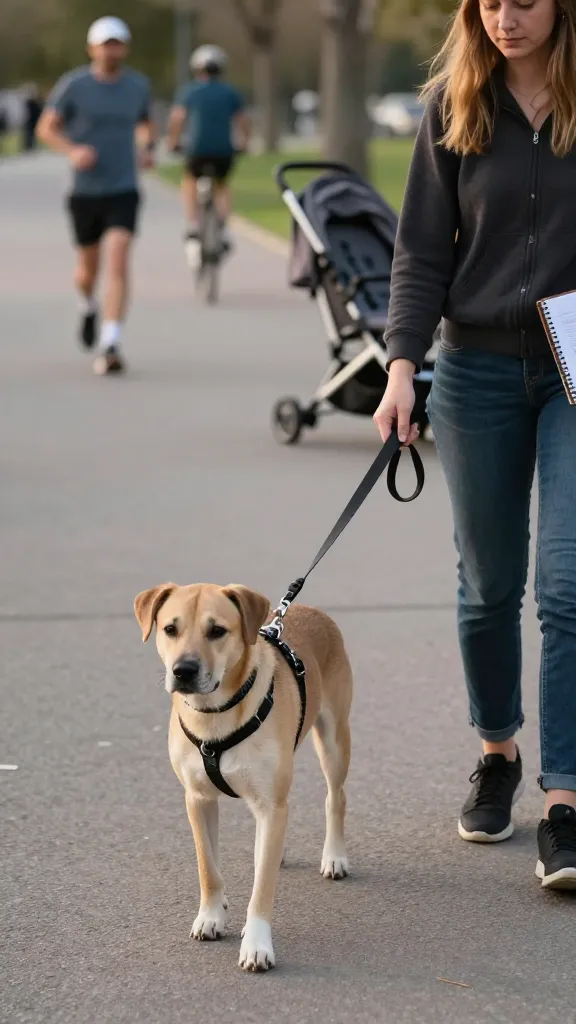
Knowing what sets your dog off is half the battle. When you map out triggers, you regain control and predictability on walks and at home. FYI, consistency beats intensity any day.
Key Points:
- Keep a simple trigger diary—note sounds, people, or objects that spark reactivity
- Set the “safe zone” distance and gradually reduce it as your dog stays calm
- Use a consistent cue to signal calm on cue
Why it matters: clarity reduces your dog’s uncertainty and helps you respond with a plan instead of panic. Start today by listing three common triggers and the exact distance that keeps your dog relaxed. Trust me, progress piles up fast when you measure it.
2. Pair Reactivity with Positive Associations
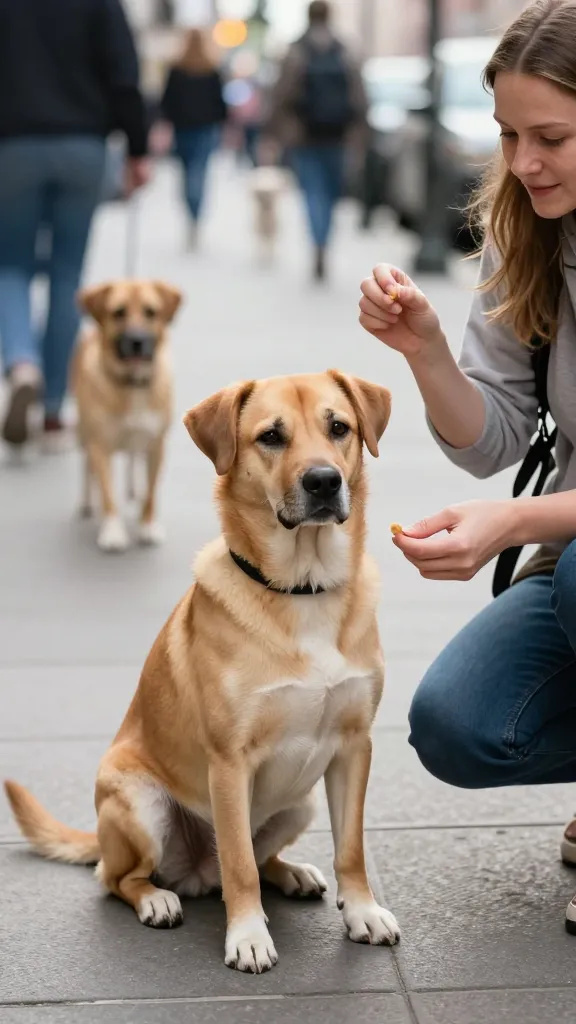
The brain loves a good association game. If your dog starts to see other dogs as a source of good things, the reactivity can melt away like butter on hot toast. Seriously, it works.
Intro Strategy:
- Carry tasty treats or a preferred toy during risky moments
- Marker word (like “Yes!”) to mark calm behavior right before the trigger
- Short, frequent training bursts instead of long, draining sessions
Tip: choose high-value rewards that truly motivate your dog. The goal is to upgrade every exposure into a tiny win. When your dog relaxes in the face of a trigger, praise generously and back away with a smile.
3. Create a Structured, Predictable Routine
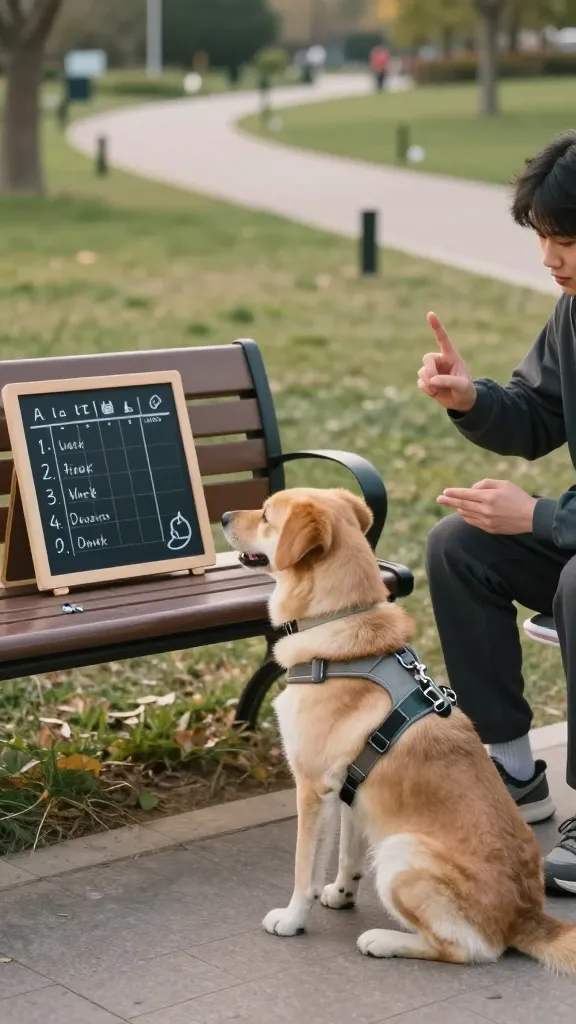
Predictability is a superpower for nervous pups. A steady schedule reduces stress and makes training easier because your dog knows what to expect. We’re not building a prison—we’re building a playground with clear rules.
Structure Includes:
- Regular walk times with a plan for exposure and distance
- Consistent commands and signals in each session
- Short, focused training blocks interspersed with calm downtime
End note: routines give your dog security, which lowers arousal. Use a simple daily plan and stick to it for at least two weeks. You’ll start noticing calmer mornings and smoother transitions between activities.
4. Use Controlled Exposures (aka Calm Sniper Training)
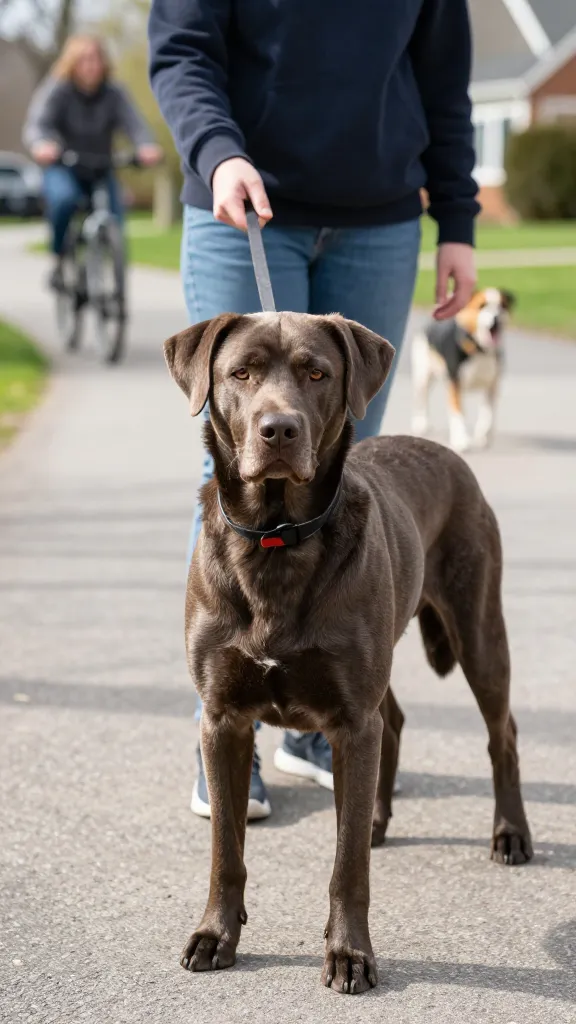
Controlled exposure is not cruel—it’s smart retraining. The idea is to face triggers in tiny, manageable steps so your dog learns that the thing that used to overwhelm them is a normal, harmless part of life.
How to Do It:
- Begin far enough away that your dog notices but does not react
- Gradually decrease distance only after consistent calm responses
- Keep sessions short and end on a positive note
Benefits: with each successful exposure, your dog builds confidence and your leadership becomes more reliable. When in doubt, slow down. The goal is sustainable calm, not heroic effort.
5. Master the Art of De-Escalation Tools
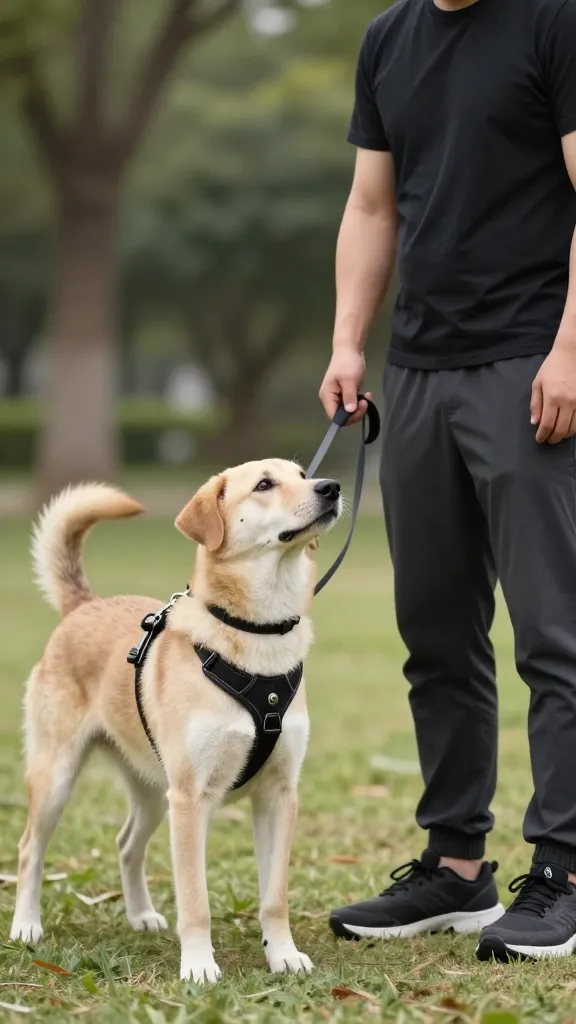
Tools aren’t crutches—they’re safety rails that help you stay in control while you guide your dog toward calmer responses. The right equipment and cues reduce the chance of knee-deep chaos during tense moments.
Useful Tools:
- Head halter or front-clip harness to redirect focus without pulling
- Long line for safer distance control during training sessions
- A reliable leash technique that keeps tension off the neck
Try this: practice a simple “look at me” cue in low-distraction settings, then apply it during real-life triggers. FYI, tools don’t replace training; they empower it, so choose what fits your dog’s size and temperament.
6. Build a Supportive Environment and Mindset
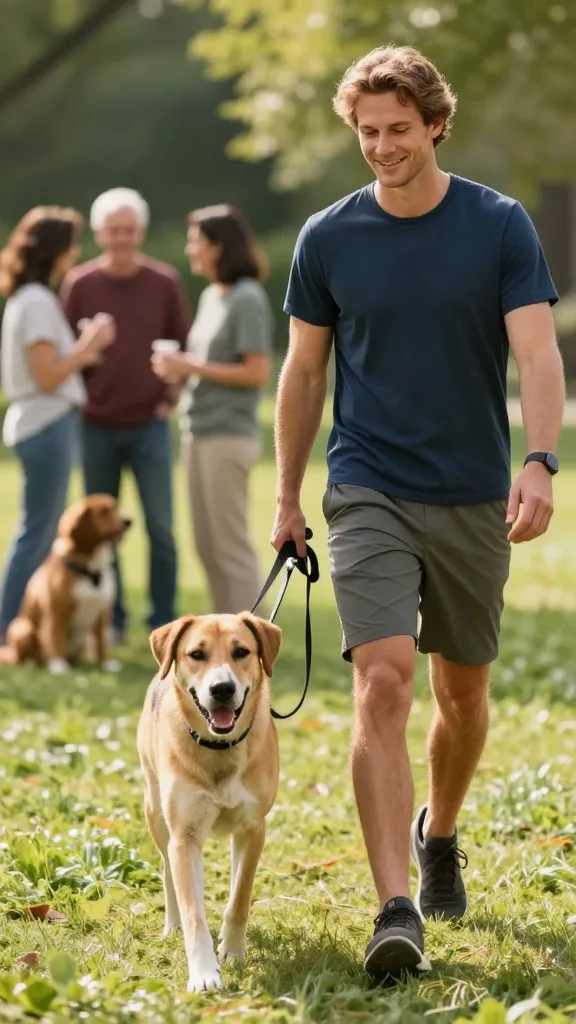
Your mindset matters almost as much as your technique. A calm, patient, and curious approach helps your dog mirror your energy. IMO, the best results come when you treat training like a team sport rather than a battle between you and your dog.
Key Approaches:
- Set realistic goals and celebrate tiny wins
- Use humor and lighthearted tone during sessions to reduce pressure
- Ask for help when you hit plateaus—supportive communities can offer fresh ideas
Final thought: a positive environment accelerates learning. When you create calm routines, your reactive dog learns to trust that life can be predictable and safe.
Conclusion: You’ve got six practical, doable strategies that actually yield results. Start small, stay consistent, and you’ll see your reactive dog begin to smile at those triggers instead of stiffening up. Ready to try these ideas together and prove the progress isn’t just a dream?