12 Essential Tips Every First Time Puppy Owner Should Know: a Beginner’S Guide to Wagging Tails
Congrats on the fluffy little chaos agent. These tips cut through the noise, so you actually enjoy your first puppy year instead of surviving it. Let’s dive in and set you up for wagging tails and zero life-ruining accidents.
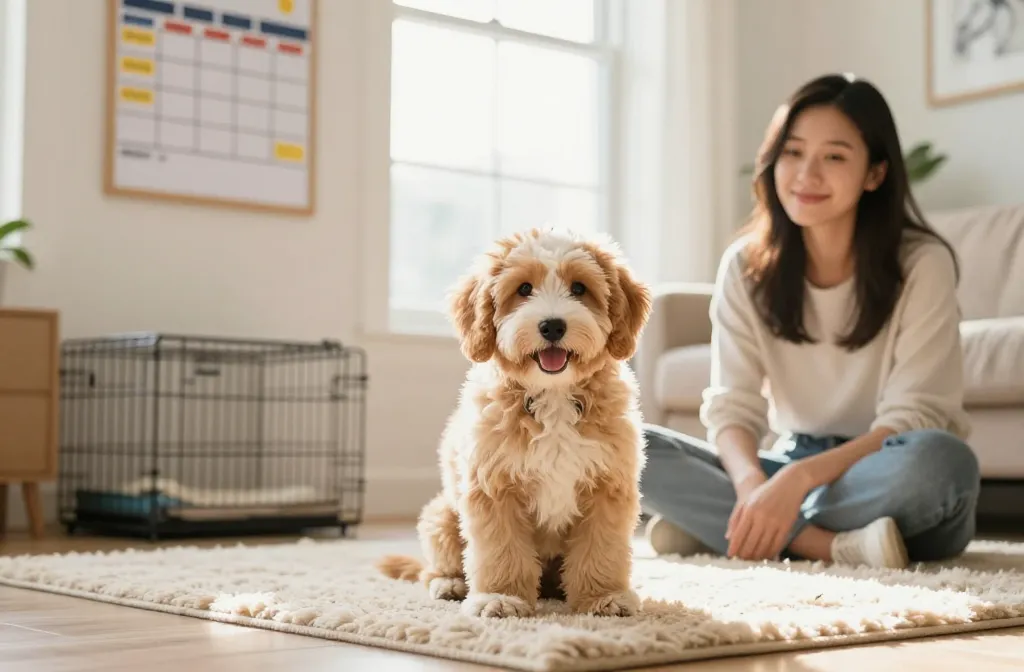
1. Startwith a Puppy Schedule That Works

A consistent routine is the secret sauce of a well-behaved pup. It stabilizes hunger, potty times, and naps, which means fewer surprises for you (and fewer doggy disasters). FYI, consistency beats intensity any day.
Key points to nail:
- Regular meals and potty breaks
- Defined play and training windows
- Predictable bedtime routine
Benefits show up fast: calmer days, quicker house-training progress, and a happier pup who knows what to expect.
2. Crate Training Without the Guilt Trip

Crate time isn’t cruel; it’s a safe den that helps your pup decompress. It also saves your furniture from literal tornadoes of energy. Start slow, make it comfy, and never use it as punishment.
Pro tips:
- Drop in treats and a favorite toy
- Keep crate accessible for naps, not isolation
- Gradually increase time as pup shows comfort
End result: your puppy learns self-soothing, and you gain a quiet sanctuary for late-night snacks or Zoom calls. Win-win.
3. Socialization Without Overwhelm

Socialization is how you build a confident, friendly dog who doesn’t sprint away from every new sight. Do it gradually, with positive experiences, not chaos and fear.
How to approach it:
- Short, positive meetings with calm dogs
- Controlled exposure to sounds, places, and people
- Always supervise and reward calm behavior
Why it matters: a well-socialized pup is less likely to become reactive, and you’ll enjoy park days without holding your breath.
4. Leash Training That Doesn’t Turn You Into a Tug-of-War Champion

No one enjoys pulling a leash like a dog sled team. Teach your pup to walk with you, not in front like a tiny dictator.
Step-by-step:
- Use a lightweight collar or harness
- Short, frequent practice sessions outside
- Reward when the leash stays loose
Results? A calmer stroll, more adventures, and fewer embarrassing, dramatic pulls when a leaf flits by. Seriously, it’s worth it.
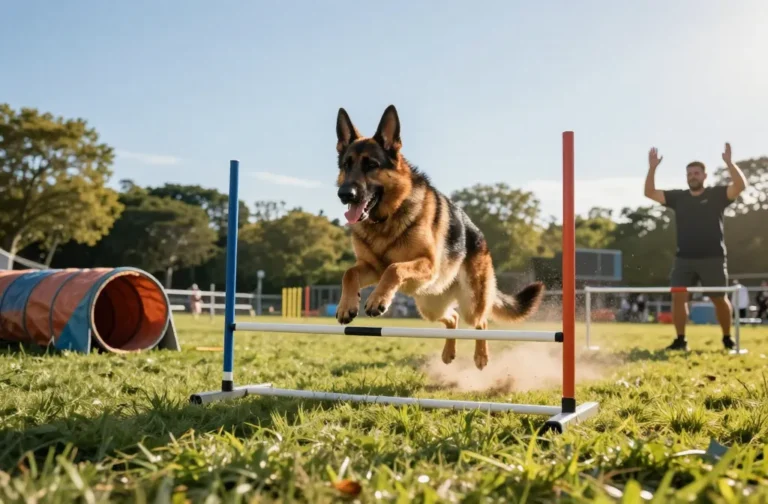
5. Basic Obedience That Sticks (Sit, Stay, Come, Release)

Foundational commands pay off big time in daily life and safety. Don’t overthink it—keep sessions short and fun.
Mini training plan:
- Five-minute daily sessions
- High-value treats for motivation
- Practice in different rooms and with distractions
End note: consistency here turns training into a language you both speak fluently. You’ll be surprised how quickly your pup responds when you call.
6. Feeding Smarts: What, How Much, When
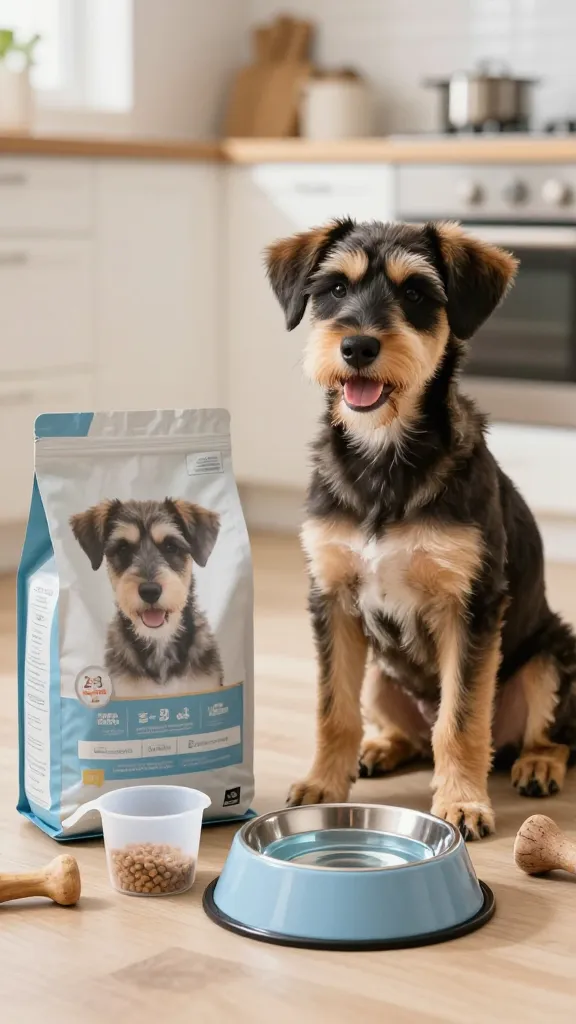
Nutrition = energy, coat shine, and overall health. Pick a quality puppy formula and stick to recommended portions based on age and weight.
Consider these essentials:
- Two to three meals a day (adjust as pup grows)
- Always fresh water available
- Avoid human foods that spark tummy trouble
Bonus: watch for shifts in appetite or digestion and check with your vet if something seems off. Trust me, early tweaks save trouble later.
7. Vet Visits That Don’t Trigger a Panic Episode

Vaccines, neutering/spaying decisions, and routine checkups set the foundation for a healthy life. Plan ahead to reduce stress for you and your pup.
Smart moves:
- Schedule first wellness visit within 1-2 weeks of bringing pup home
- Keep a vaccination and microchip record accessible
- Ask about dental care and parasite prevention early
Benefit: fewer surprises, a healthier pup, and confidence you’re doing right by your furry friend.
8. Chew Time: Safe Toys That Stand Up to a Power Chewer

Puppies love to chew—it’s how they explore. Provide safe outlets to save your furniture, shoes, and sanity.
Toy strategy:
- Durable chew toys and puzzle feeders
- Rotate toys to keep novelty high
- Monitor wear and replace damaged toys promptly
Why it matters: teething relief, reduced destructive behavior, and a thriving toy box that actually stays interesting.
9. House-Training Hacks for Real People

No one likes accidents, but they happen. A well-planned routine and clean-up plan minimize stress and speed progress.
Practical steps:
- Frequent, timely potty breaks—especially after meals and naps
- Use a designated spot with a cue word
- Supervise closely or use a crate when you can’t
Outcome: fewer messes, quicker clean-up, and a proud owner moment whenever you see your pup head to the potty spot on cue.
10. Grooming Without Drama

Puppy grooming keeps coats healthy and skin comfy, plus it’s a bonding ritual when done calmly.
Grooming basics:
- Brush regularly to reduce shedding and matting
- Bathtime with a gentle, pup-safe shampoo
- Ear and nail care in short, gentle sessions
Tip: make grooming a positive experience with treats and soft praise. Soon your pup may actually look forward to spa days.
11. Safety First: Puppy-Proofing Your Space

Before you unleash the cuddle-fest, create a space that minimizes hazards. A safe home means fewer emergencies and more fun.
Key areas to cover:
- Secure trash, cords, and small objects
- Block access to stairs or use baby gates as needed
- Remove toxic plants and keep meds out of reach
Believe it or not, a little foresight pays off when you avoid the dramatic “moments” that ruin plans for a cozy evening in.
12. BFF Behavior: Building a Bond That Lasts

Ultimately, puppy ownership is about the relationship. Build trust with gentle guidance, plenty of praise, and shared adventures.
Ways to connect:
- Dedicated training time each day
- Yes, more playtime and sniffy explorations
- Respect your pup’s energy level and give breaks when needed
When you invest in the bond, you’ll see a dog that loves learning, loves you back, and thrives in your daily life.
Conclusion
You’ve got a practical playbook now. Implement these tips with patience, humor, and a sprinkle of grit, and you’ll turn puppy chaos into lasting joy. Get out there, start small, and celebrate every tiny victory with a cuddle and a treat.