5 Ways to Socialize a Puppy to Other Dogs
Ready to turn a shy pup into a social butterfly? These practical tips are bite-sized, friendly, and surprisingly fun. FYI, you’ll see progress faster than you think.
1. Start With Gentle, Positive Exposures
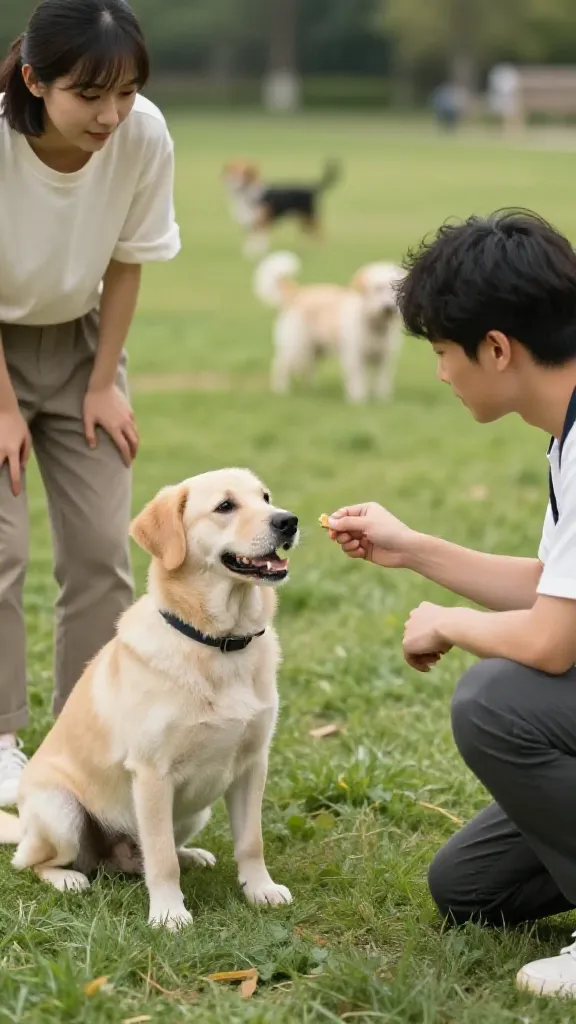
This is the foundation of good dog-to-dog interactions. Start small and boom—your puppy learns to vibe with other pups without freaking out.
Key Points
- Choose calm, well-socialized dogs for first meetings
- Keep initial sessions short (5–10 minutes)
- Offer tasty rewards for calm behavior
Short, positive encounters set the tone. If your pup shows stress, gracefully pause and try again later. Seriously, progress = consistency.
2. Use Parallel Walking Before Face-to-Face Greeting
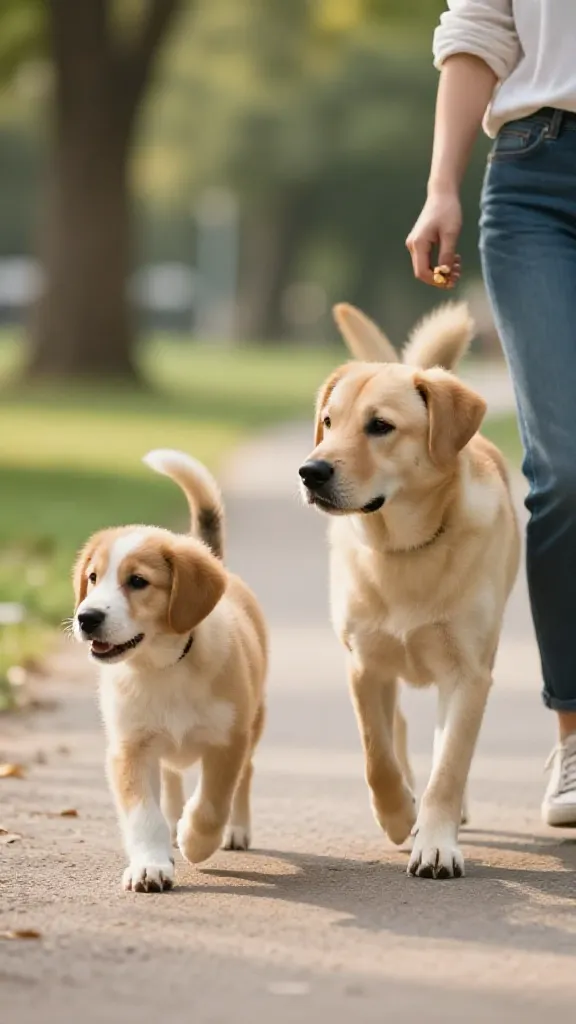
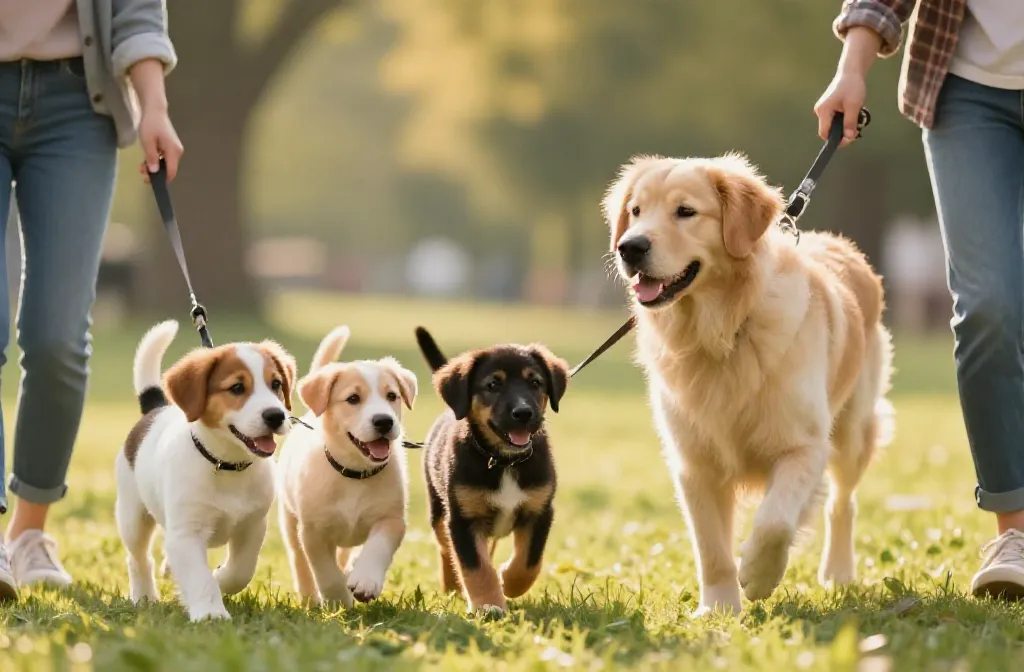
Two dogs side-by-side is less intimidating than a direct sniff-fest. Parallel walking builds comfort without the pressure to perform a perfect meet-and-greet.
Why It Works
- Reduces arousal by giving space to observe
- Encourages sniffing without direct confrontation
- Lets you reward calm, confident body language
Pair with a high-value treat when your puppy maintains distance and looks at you for guidance. Trust me, those tiny looks of trust pay off big time later.
3. Schedule Supervised Puppy Playdates
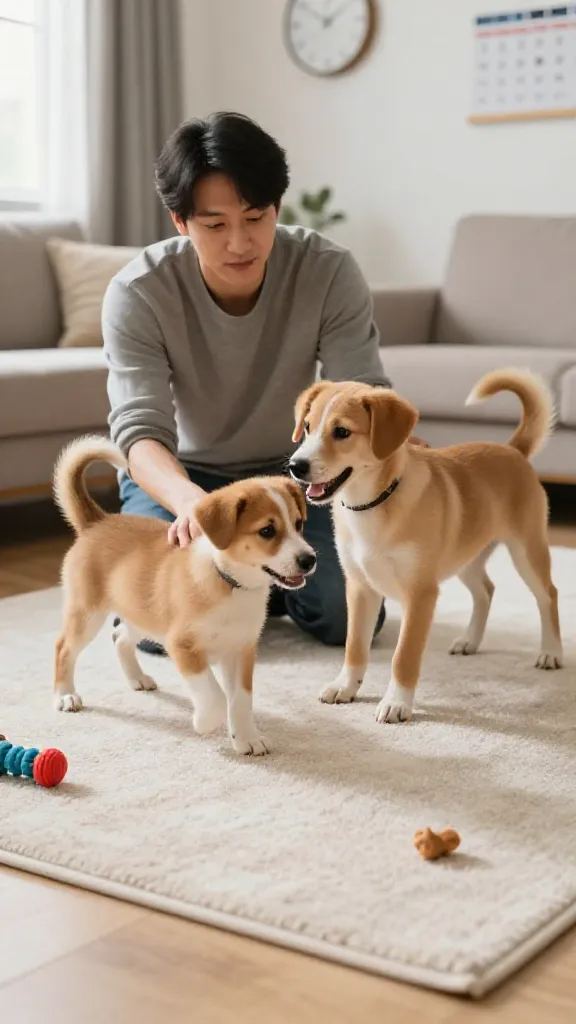
Structured, supervised play is where the real social skills happen. It’s not chaos; it’s training in motion with a wagging tail.
Tips for Great Playdates
- Pick a familiar, vaccinated dog as a buddy
- Limit to 15–20 minutes, then reassess
- Rotate partners to expose different play styles
End each session on a positive note with a treat or a fun game. FYI, consistency matters—set a regular cadence so your puppy learns what to expect.
4. Teach “Say Hi” with Controlled Greetings
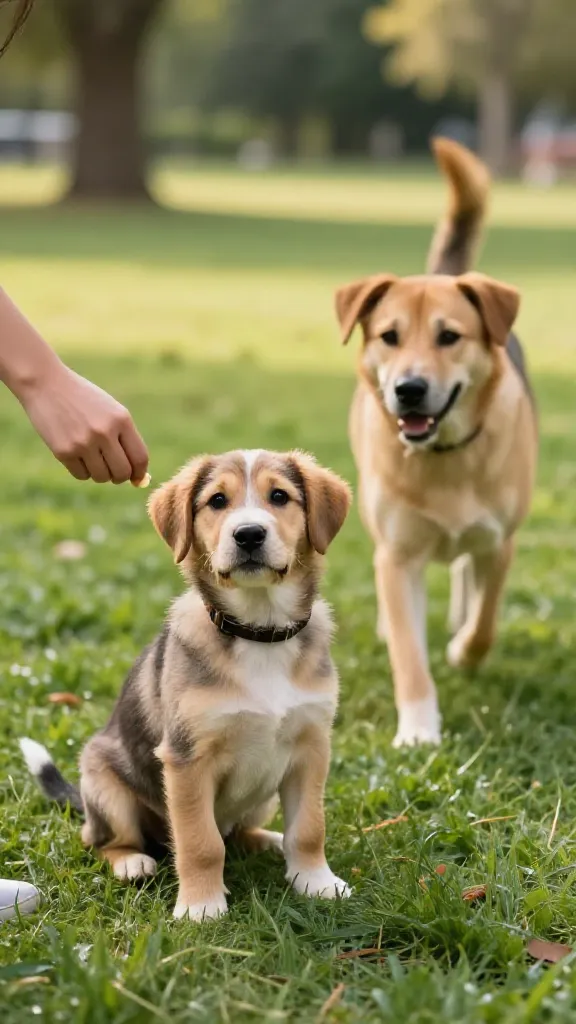
Direct face-to-face greetings can overwhelm a young dog. Teach a simple, controlled approach that makes every hello smooth.
How to Do It
- Ask the puppy to sit or stay before approaching another dog
- Have the other dog approach slowly, at their pace
- Reward calm behavior with a tasty treat
Remember to monitor body language: loose lips, wagging tail, and a relaxed body are good signs. If you see tucked tail or stiffness, pause and redirect. This is training, not a race.
5. Build a Safe, Indoor Socialization Routine
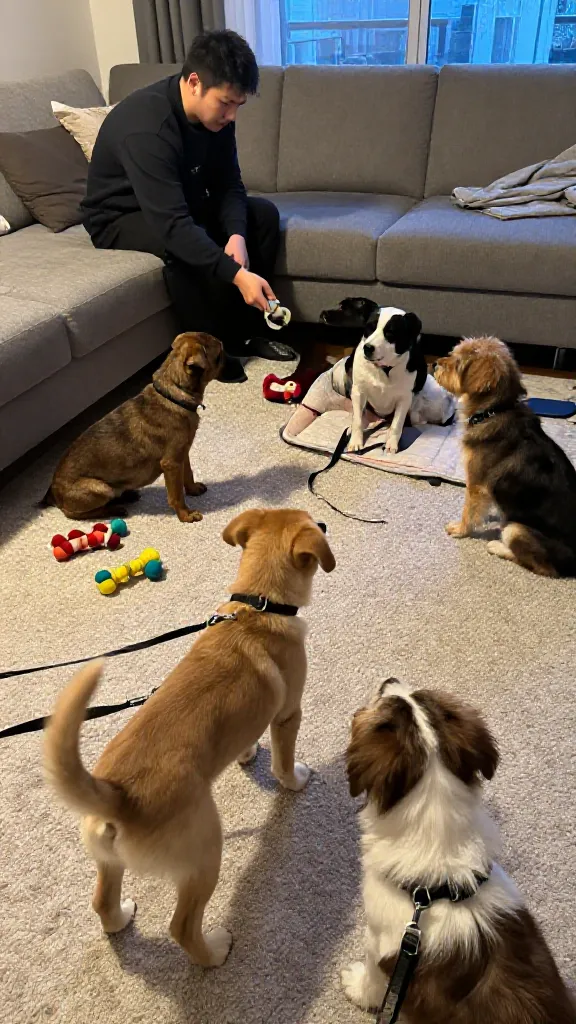
Social skills aren’t just outside; your home can be a training ground too. A little routine goes a long way in shaping a confident pup.
What to Include
- Short, supervised introductions with a dog-friendly friend
- Gradually increase the number of dogs in the room
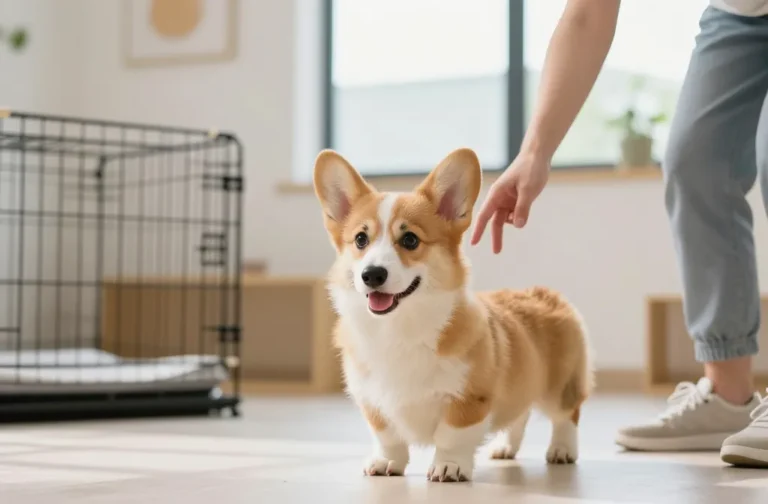
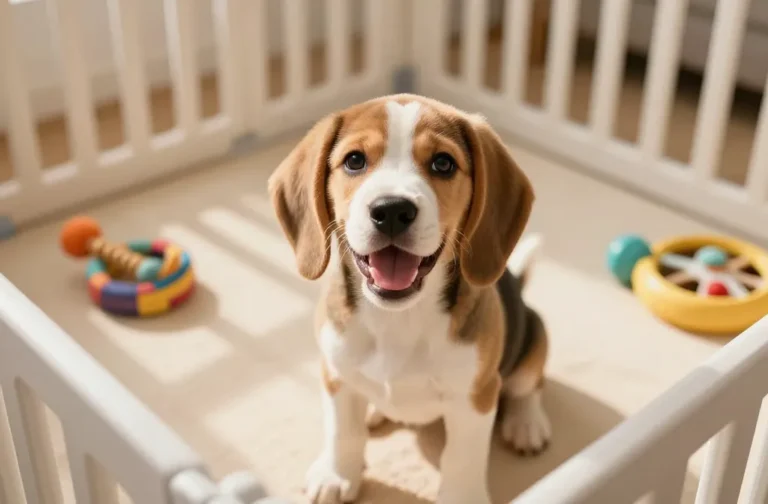
- Use enrichment toys to slow pace and decrease arousal
End with a wind-down period so your puppy associates social times with calm, positive outcomes. Seriously, the home is your lab as much as the park is.
As you wrap up each session, celebrate the small wins and log what worked. A quick note after each outing helps you tailor future meetings—no guesswork needed. IMO, consistency and positive vibes are the dynamic duo here.
Ready to try these ideas? Your puppy will thank you with bouncy zoomies, wag-filled greetings, and fewer stiff moments. Trust me, socializing doesn’t have to feel like a chore—it can be a bunch of adorable, laughter-filled moments.